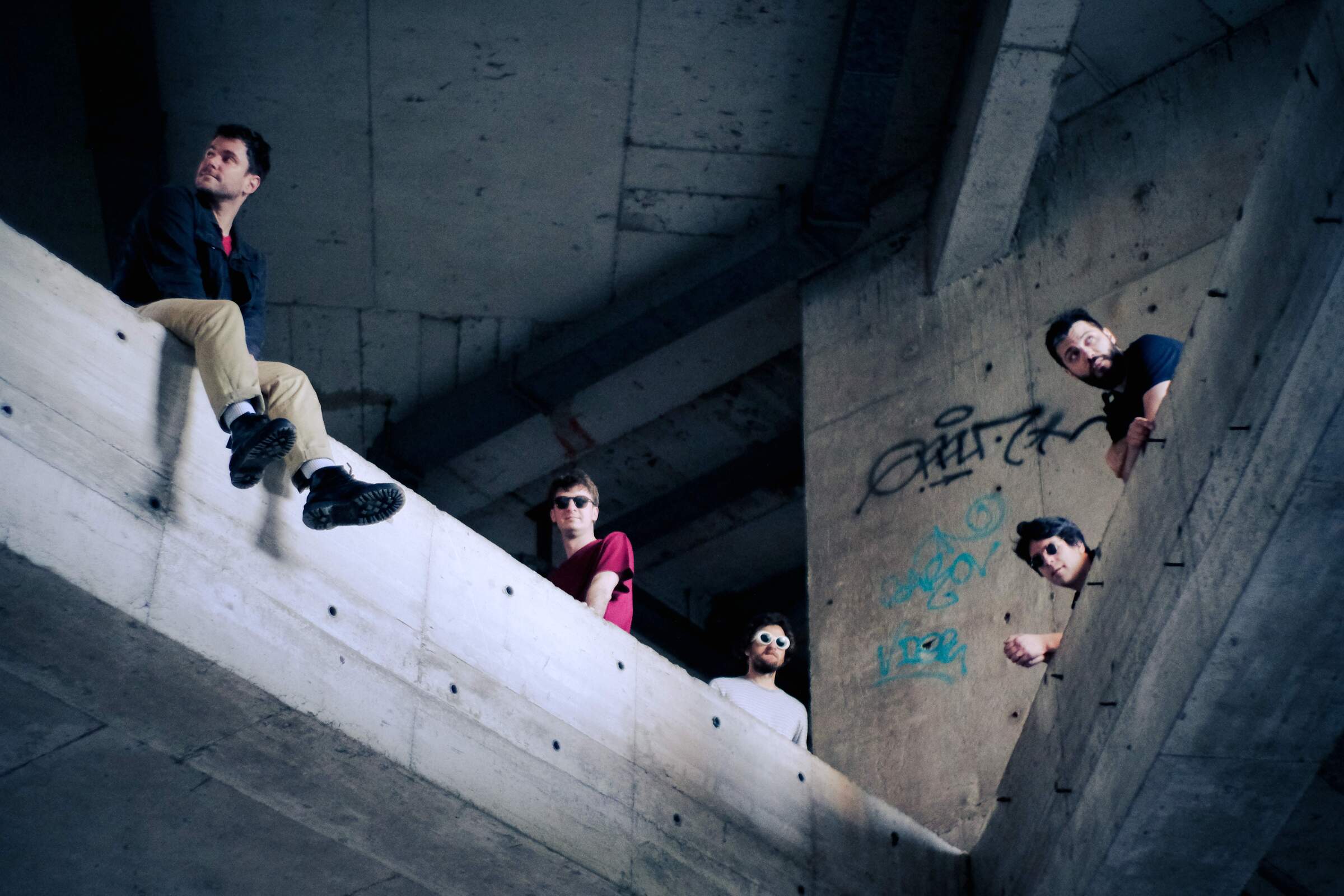

Goran Glad: Crafting an ‘Extraordinary Life’ One Day at a Time in Zagreb
Goran Glad started in an attic on Cernička Street in Zagreb, working through songs the long way, recording, reworking, and keeping what held.
The setting matters, though not in any romantic sense. More as a kind of working condition, a closed loop where repetition, second guessing and the odd breakthrough begin to take on structure.
Early rehearsals, they recall, were “demoralising. As they should be.” Still, things moved. Since 2020, the band has treated recording less as a means of capture than as the site of composition itself. Ideas aren’t fixed in advance. They’re tested, unsettled, put back together, their shape emerging through use rather than design.
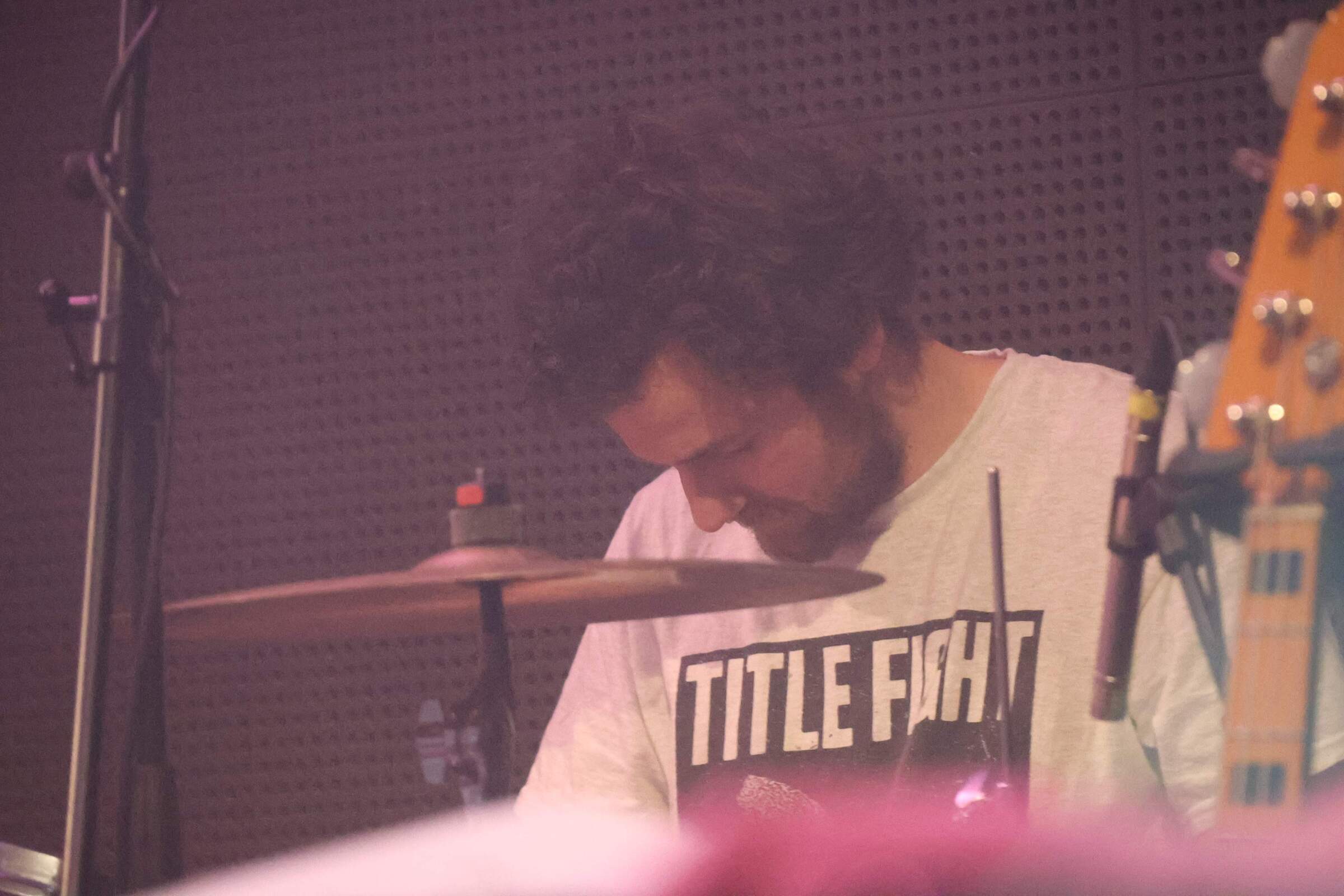
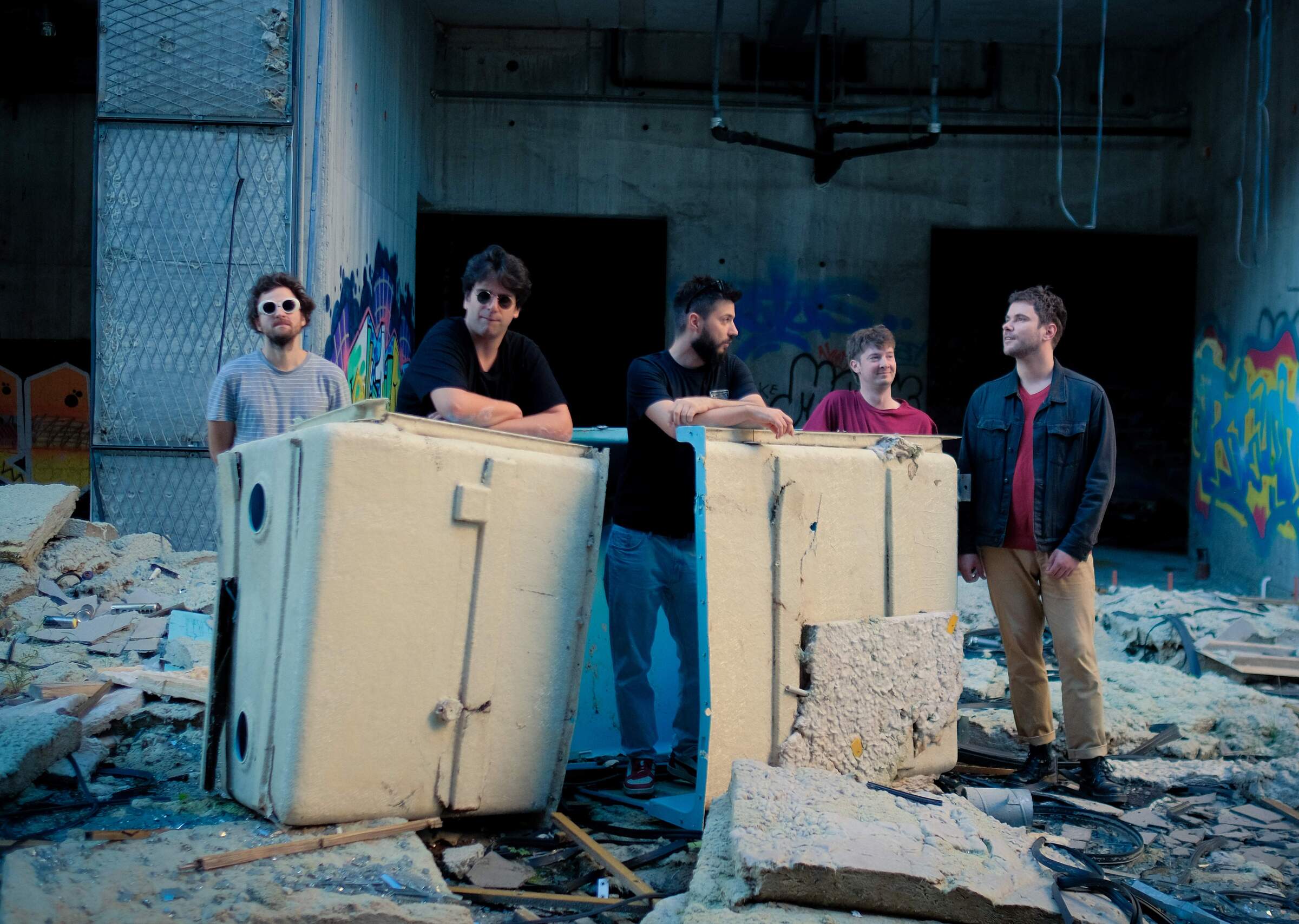
The initial sketches came from Matija Veleglavac, including ‘Tvoja soba,’ but what followed feels collectively arrived at. Veleglavac sings and plays guitar, alongside Mislav Martić on guitar, Borjan Cvrtila on bass, Juraj Borić on keyboards and Dario Sušanj on drums. It took time to decide what this might be, or whether it was worth pursuing at all. “Very few things are inevitable,” they say. “Maybe this band is one of them.”
Their debut, ‘Izuzetan život,’ settled into place when the material began to behave less like separate songs and more like parts of a single duration. “The one day became our northern star.” Thirty five minutes, held quite tightly, moving between half sleep, routine and a low, persistent unease. Voices surface and disappear, like fragments caught in passing.
Recorded across Zagreb with Nikola Batelić, including sessions at the Indoš Parainstitut, the album moves between abrasion and something closer to clarity. ‘Roj muha’ leans into density and disruption, while ‘Grijehožder’ edges towards pop without ever quite landing there. Matej Gobec’s mix keeps that range intact.
At its centre is a tension between irony and sincerity. Veleglavac calls it an “autoironic wake-up call.” Even the cover follows that line of thought. A jug of water, eight glasses. Nothing remarkable at first glance, but shaped entirely by what contains it.
Around the core group sit additional contributors, including Viktor Slamnig, Anamarija Žugić Borić, Valentina Črnjak and Batelić himself. The videos extend the same logic, familiar images slipping into something more uncertain. The work doesn’t resolve so much as continue.
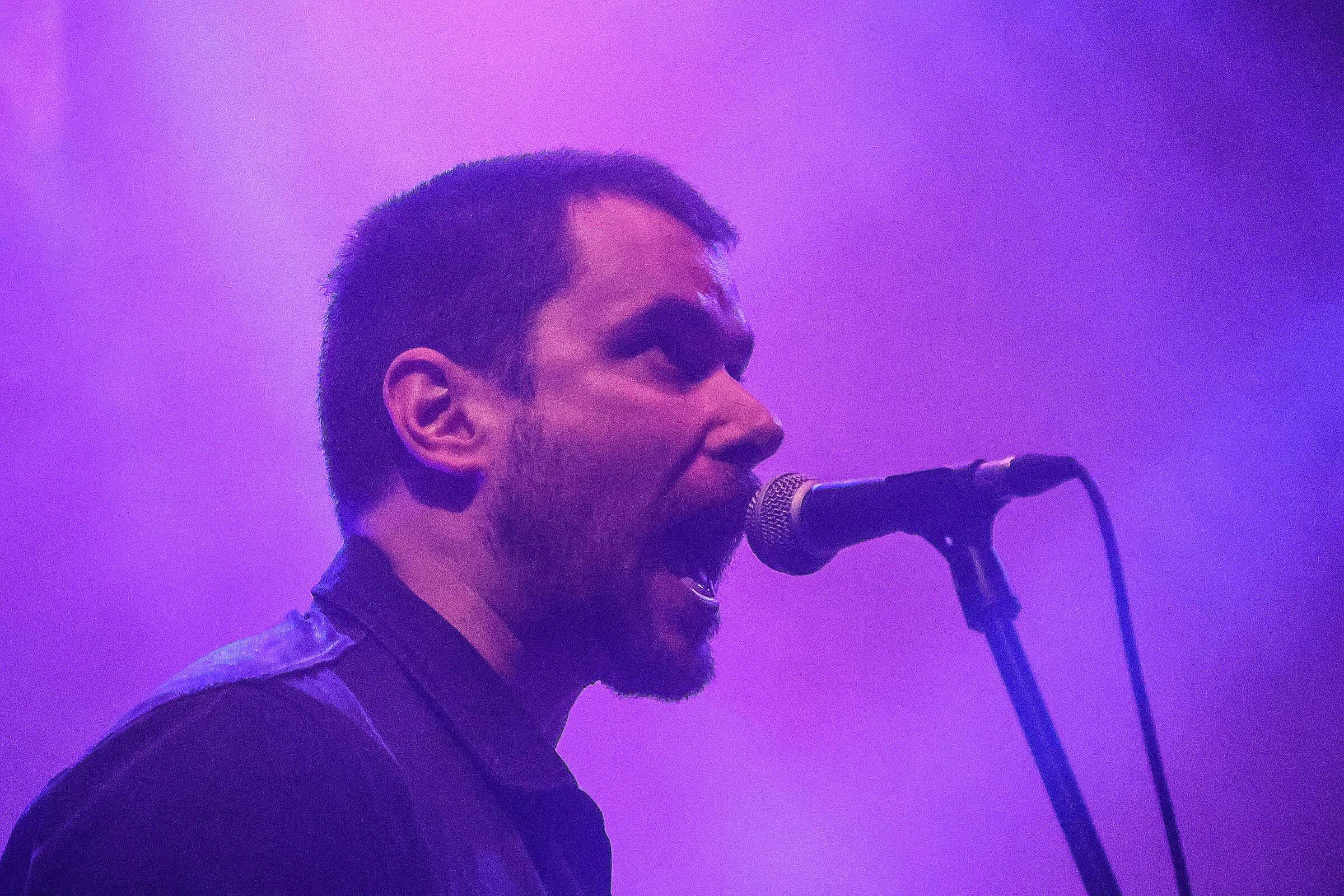
“Very few things are inevitable”
‘Izuzetan život’ translates to “An extraordinary life,” yet you describe the title as almost a joke, borrowed from the lyric “Sleeping on your feet outside. Self-eater, cannibal.” At what moment did you realise that the word “exceptional” would function better as irony rather than affirmation? Was it a reaction to the banality of everyday survival, or to the pressure to make art that declares itself important?
Matija Veleglavac: The phrase was conceived as ironic, poking fun at the self-eater character described in the lyrics, trying to, let’s say, wake him or her up to their previous bad decisions.
As a lyricist, I’m weary of irony, because it became omnipresent in public and private speech, functioning both as an impenetrable shield and a dull weapon. However, within the narrow confines of the song it works more as an autoironic wake-up call.
Later on, we stepped back and reviewed the work we’ve done and that phrase became adopted as the title of the record. When observed in that context and especially when placed alongside the visuals, it could be seen as a commentary on dictates of the modern world you mention, but I don’t think that it was intentional. Art should be engaging, stimulating, even beneficial in shaping a positive social environment.
We simply stayed true to ourselves and our process, neither obnoxiously loud, nor keeping our mouths shut, making stuff we found compelling and rarely worrying about other people’s opinion or the way things were expected to be done.
That seems to be the ultimate provocation.
I’d love to rewind a bit. How did you all actually find each other? Was it slow and accidental, or one of those inevitable collisions where you hear someone play and think, “Okay, this is it”? What did the first rehearsals feel like, before there was even a name or a direction?
Very few things are inevitable. Maybe this band is one of them.
Looking back I would describe our time together as constantly snowballing despite our best efforts to slow things down. I guess we recognized there was something interesting happening from the very beginning, but it took time for all of us to get on the same page with what we wanted it to be.
All of us made music from early on in our lives – played in bands, had different projects we worked on, lived through the growing pains, saw things fall apart etc. Being intuitively aware of how serious things could or, even better, should be within a band, made us second guess whether we wanted to go through the time-consuming process of assembling this whole thing.
In the end we just kept at it, made demos, listened back and worked on our craft.
First rehearsals were… demoralising. As they should be.
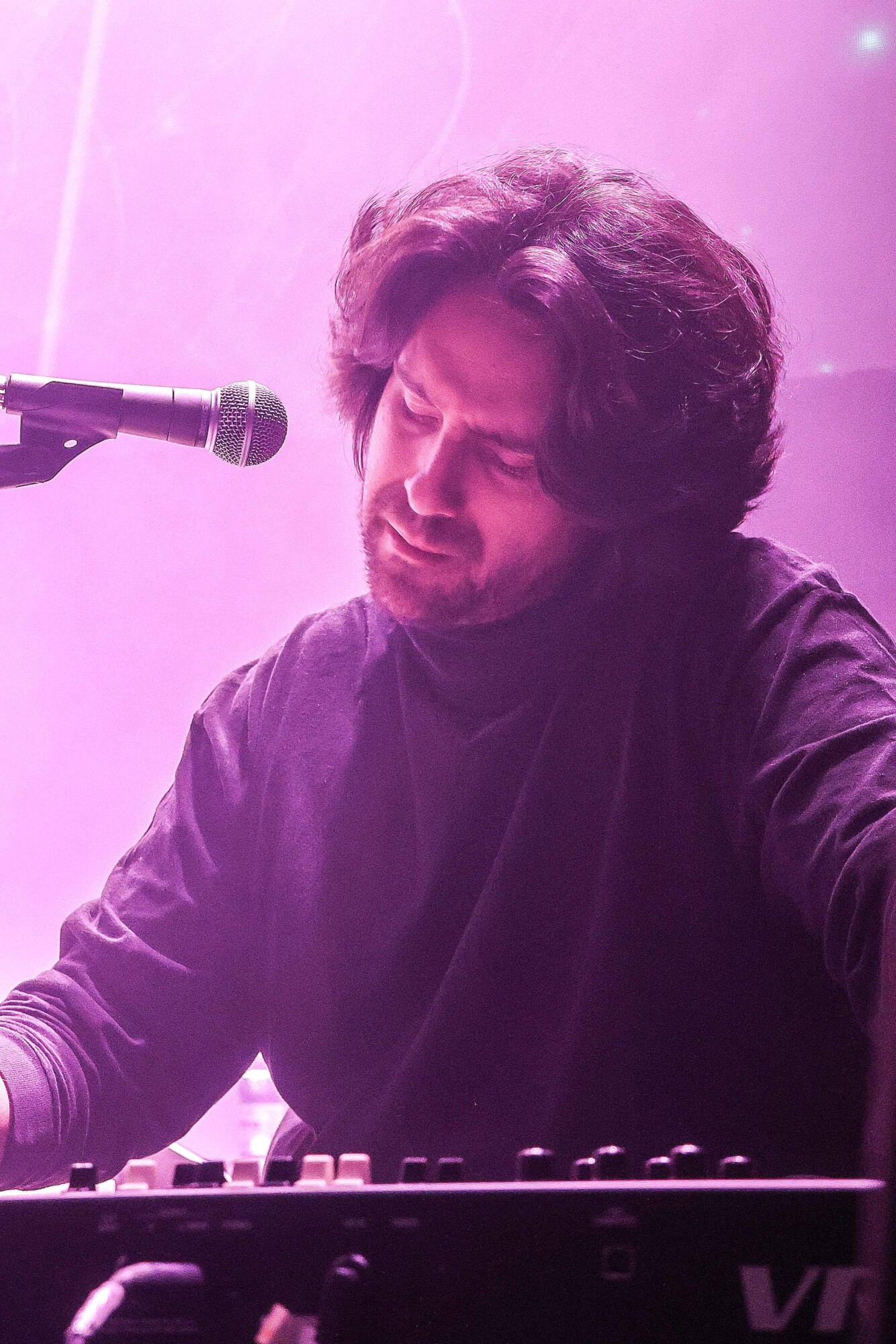
When you first started playing together, was there a shared idea in the room? Not a concept for an album, but a feeling…. What did you want to avoid becoming?
Definitely. It wasn’t so much about avoiding becoming something or other.
It was more about living up to what we all felt we could be together. As the cliché goes, we wanted to be more than the sum of our parts, a real band. None of us is particularly interested in showing off or playing flashy. We are all about songwriting, about keeping things interesting and clever to the best of our abilities.
At some point this record stopped being eight separate tracks and turned into one day. That shift fascinates me. Did you notice the day forming while you were writing, or did you step back later and realise everything was already orbiting the same 24 hours? And that 35-minute length, did it feel tight and intentional, or just how it ended up being?
The notion of there being “a day in the life” type concept within those songs was rearing its head from time to time both in the music and in the lyrics, but we spoke of it much later, when trying to arrange the songs in a certain order. No one objected to the idea, which, within our process, usually means it’s either a completely unimportant cul-de-sac or the thing that will become central. The latter happened and the one day became our northern star, a way to string songs together and arrange them in terms of dynamic range. Everything fell into place.
We worked on it until it felt tight and, looking back, the loose concept made things go smoother.
The cover is almost aggressively simple. A pitcher. Eight glasses. Water. Why did that image win? Is the “extraordinary life” in the liquid itself, or in the way each glass distorts it? I keep thinking about how water takes the shape of whatever holds it…
We gave it a lot of thought and tried to stay consistent, but could not interpret the phrase in an objective way. An extraordinary life as a concept rings true differently to different people.
Hence – water, poured from a pitcher in eight glasses representing each of the songs. Shapeless, formless, colorless, odourless in itself, it takes characteristics of the container which holds it. Sounds unimpressive, yet water is central to all life on Earth, which basically makes it the most extraordinary substance we know of.
We wanted the visuals to be something we would be able to expand upon, vary and adapt to the narrative of such a broad subject, but never feel like an afterthought. It’s an emphasis on the concept presented with sound.
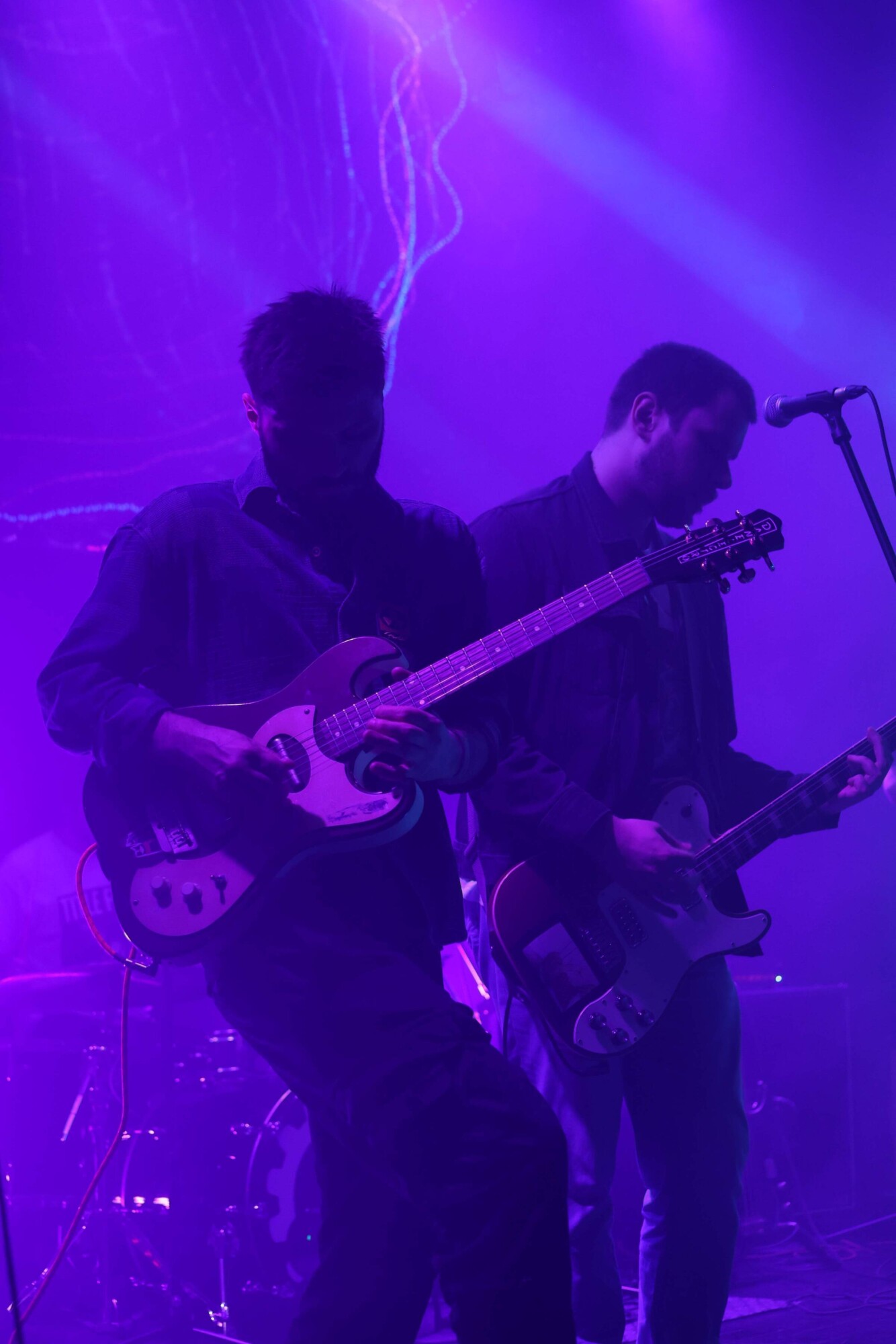
The spoken fragments from the young woman and the 100-year-old woman give the record this strange depth, like time folding in on itself. When you were interviewing friends about their fears and dreams, did anything unsettle you? Were the differences between generations as big as we imagine, or did everyone end up circling the same few anxieties?
The 70-year age difference almost made no difference and what started as a sound design experiment, ended up being a window into two very similar minds. They both dream strange dreams, they have fears, hopes, wishes, longings, as all people do.
There was nothing intrinsically unsettling, but it felt sad listening back to some of those recordings because the old lady died just before the album dropped. Some of those quotes just hit differently now, especially the one about not having enough time left to read all the books she’s interested in.
A small oversight on our part happened there, a happy accident. We never figured we should make “radio edits”, excluding the interviews. So now, every time a song is played on the radio those voices come up sounding completely different than almost anything you can hear on commercial radio stations, yet familiar. It makes you wonder what people think of it when they hear it like that, maybe catching a fragment of a song while changing stations. Out of context it could be a pirate radio interference or a very strange commercial.
There’s a line early on: “We live together, we die alone.” It’s blunt. No poetry to hide behind. Do you feel that tension comes from living in a city like Zagreb, with its specific history, or is it just the baseline condition of being alive right now, anywhere? Where does that line sit for you now?
Surely, all people are in some way shaped by their surroundings, but the feeling you describe has to be the baseline condition of human existence, no matter where a person comes from. That line sounds pretty bleak, but there is an underlying message of hope there. A chance to do things right. Responsibility is an important theme on this record, more so than dreams or living conditions. People see freedom as some sort of autonomy and that is fine, but being free also means not avoiding your duties.
I love how the record keeps swerving between something almost 90s alt-pop in its clarity and then these harsher, more unstable textures. It never settles. When you’re building a song, who’s the one saying, “Let’s make it stranger,” and who’s pulling it back? Do those arguments shape the final version more than the initial idea?
It’s all of us at some point or another. It has to do with what we grew up on musically and with the way we view pop or rock music in general. Sometimes it’s the lack of formal musical education that can push you towards those strange realms and it’s then when you need a little bit of music theory to bring you back on track. Or was it the other way around?
Those strange and explosive moments seem harsher when paired with something soothing and gentle. So it could be the contrast of those textures that drives us. We both had songs starting clean and simple that ended up messed up and vice versa. Even when, after a long discussion, we end up where we started from, it is the discourse that matters. We sort of “battle” ideas in a healthy, creative way. If an initial vision is strong enough it should withstand questioning and attempts at change.
There is a lot of guilt in these songs. Responsibility. That feeling of carrying something slightly too heavy for one body. But then you undercut it with humour, even a kind of self-sabotaging honesty. Is that humour a shield, or is it the only way to talk about heavy things without becoming self-serious?
It is our belief that lyrics are incapable of having the same effect without the music they accompany. Having said that, a songwriter’s interpretation of the lyrics is not as valuable as the one a listener can have and there is beauty in the fact that they can mean so many different things to different people. Is it an evasion of the question? Sure. But still true.
The process of writing was intuitive, a reaction to music. Never was it something planned and therefore it remains open to interpretation. And I’m no psychoanalyst. Yes, there is some guilt there, a certain weight, some humour as well, normal human feelings.
A lot could be said about the lyrical themes chosen, but those are probably a strange amalgam of books, news reports and half-asleep ramblings. Those words were hidden within the chord structure. It was all about finding them and arranging them in the right order.
Perhaps the humor undercut is a way of saying, I know I am not blameless, nobody is, but hear me out…
You’ve said you create through recording, not just rehearse and then document. That’s interesting. What actually changes once the red light is on? Is it about sound design, about space…?
We adopted that type of workflow partially out of necessity. It became easier to organize time and control the band’s creative output that way. Song ideas were legible and strong enough to spark an initial reaction from the band but we stress-tested them through constant rewrites, changing arrangements etc. Some songs became a completely new thing and some made a full comeback to their original demo form. Some of them would be really difficult to figure out and see through in any sort of traditional, non-studio, environment.
Whichever way it ends up – when that red light is on you better do something to communicate your vision clearly. And you do it fast and in time. Jamming in a live room and writing behind the studio desk are actually not that different in terms of skills needed. Both require listening, quick thinking and being proficient enough at your instrument to express yourself.
The whole album moves like a compressed film. Not a big cinematic epic, more like one of those quiet European films where nothing explodes but everything shifts. When you listen back from start to finish, do you see images? Streets, rooms, bodies in motion? What do you hope happens to someone who gives you those uninterrupted 35 minutes?
Interesting you compare it to a film because there were definitely images/visual references throughout the working process. Funny enough, while working on the video for “Slobodan dan” we talked about making it a slow European film, not an American action flick.
After we declared the album finished and released it, we stopped listening back to it, making room in our minds for something new. Other people…we hope they simply enjoy it.
You started in an attic on Cernička Street. I can picture that somehow…. How much of that attic is still in the band? Has the chemistry changed as the lineup settled, or does it still feel like the same conversation, just louder now?
Louder. A lot. More frequent. More intense. But everything we figured out about working together in that attic still applies. It’s about communication and making uncompromising art.
“Seeing exceptional things around you is a state of mind.”
After living with this record and all its thoughts about routine, exhaustion, loneliness, and hope, has your own definition of an “extraordinary life” shifted? If tomorrow is just a normal Tuesday, what would make it feel exceptional to you now?
We keep ourselves busy and we are constantly on the run so there hardly ever is such a thing as a “normal” Tuesday. Our feelings haven’t so much changed—perhaps we surrender to them less.
Working on the album definitely brought about a shift in our lives, a way out of the routine. Making music is a pretty extraordinary thing and so is spending time with friends and family. We hope we get to experience more of that in the future.
Seeing exceptional things around you is a state of mind. A good enough life goal still is “to plant a tree, raise a child, write a book.”
Last one. If you came over to my place tonight and we pulled records off the shelf, what would we actually listen to? Something obscure? Something noisy? I’m curious what music you turn to when you’re not being Goran Glad.
Mislav: 16 Horsepower – ‘Folklore’, The Black Angels – ‘Passover’, The Beatles – ‘Revolver’ and ‘Rubber Soul’, Nirvana – ‘Unplugged in New York’, The Stooges – ‘Funhouse’, Coil – ‘Music to Listen in the Dark’, King Crimson – ‘In the Court of the Crimson King’, Alice in Chains – ‘Facelift’, R.E.M. – ‘Automatic for the People’, Goribor – ‘Goribor’, Screaming Headless Torsos – ‘Screaming Headless Torsos’, Radiohead – ‘OK Computer’, Beastie Boys – ‘Ill Communication’, Ben Howard – ‘Every Kingdom’, Bob Dylan – ‘Another Side of Bob Dylan’, Ten Years After – ‘Cricklewood Green’, Tom Misch – ‘What Kinda Music’, A Tribe Called Quest – ‘The Low End Theory’, The White Stripes – ‘White Blood Cells’, Holy Fuck – ‘Latin’, Hozier – ‘Hozier’, The Kills – ‘No Wow’, Mad Season – ‘Above’, Nik Bärtsch – ‘Randori’, Jan Garbarek – ‘Ragas and Sagas’.
Juraj: Indexi – ‘Modra Rijeka’, Elliott Smith – ‘From a Basement on the Hill’, Nick Drake – ‘Five Leaves Left’, Goran Bare i Majke – ‘Live at Dom Sportova’ (2022), Brad Mehldau – ‘Jacob’s Ladder’, Dig – ‘Defenders of the Universe’, Pink Floyd – ‘Meddle’, The Beatles – ‘Magical Mystery Tour’, Queen – ‘Keep Yourself Alive’, Aquaserge – ‘À l’amitié’, Forever Pavot – ‘Simple Comme Sylvain OST’, Alice in Chains – ‘MTV Unplugged’, Erik Satie – ‘Gymnopédie No. 1’, Chopin – ‘Etude Op. 25, No. 12’ (Horowitz), Chopin – ‘Etude Op. 25, No. 6’ (Pogorelich), Ravel – ‘Le Tombeau de Couperin’ (full orchestration), Knut Nystedt / Johann Sebastian Bach – ‘Immortal Bach’, Hummel – ‘Trumpet Concerto in E-flat Major’ (Håkan Hardenberger), Hertel – ‘Concerto No. 1’ (Allen Vizzutti), Allen Vizzutti – ‘Skyrocket’, Hiromi Uehara – ‘Voice’, John Scofield – ‘Blue Matter’, Sigur Rós – ‘Svefn-g-englar’, Doctor Rockit – ‘Café De Flore’ (Charles Webster Remix), Porto Morto – ‘Kaučsurfing’, Jon Hopkins – ‘Form by Firelight’, Camel – ‘The Snow Goose’, IDEM – ‘Sve Boli’, Ryuichi Sakamoto – ‘The Revenant Main Theme’ (Alva Noto Remodel).
Borjan: Pink Floyd – ‘Dark Side of the Moon’, Genesis – ‘Selling England by the Pound’, Morphine – ‘Cure for Pain’, Leonard Cohen – ‘New Skin for the Old Ceremony’, Louise Attaque – ‘Louise Attaque’, Blind Melon – ‘Soup’, Nirvana – ‘Bleach’, Foals – ‘Holy Fire’, Billie Eilish – ‘Hit Me Hard and Soft’, Led Zeppelin – ‘Led Zeppelin’, The Doors – ‘Morrison Hotel’, Radiohead – ‘Kid A’, Pips, Chips & Videoclips – ‘Drveće i Rijeke’, Tame Impala – ‘Lonerism’, The Smashing Pumpkins – ‘Siamese Dream’.
Dario: Bright Eyes – ‘Lifted’, Bright Eyes – ‘Digital Ash in a Digital Urn’, Bright Eyes – ‘I’m Wide Awake, It’s Morning’, Now, Now – ‘Threads’, Lydia – ‘Illuminate’, Cursive – ‘The Ugly Organ’, Desaparecidos – ‘Read Music, Speak Spanish’, Leonard Cohen – ‘Songs of Love and Hate’, Christian Lee Hutson – ‘Beginners’, Phoebe Bridgers – ‘Stranger in the Alps’, Gregory Alan Isakov – ‘The Weatherman’, Turnover – ‘Peripheral Vision’, Arm’s Length – ‘Never Before Seen, Never Again Found’, Arm’s Length – ‘There’s a Whole World Out There’, The Smashing Pumpkins – ‘Mellon Collie and the Infinite Sadness’.
Matija: ‘Cortez the Killer’ cover by Built to Spill. The 20-minute live version. Fuck yeah.
Klemen Breznikar
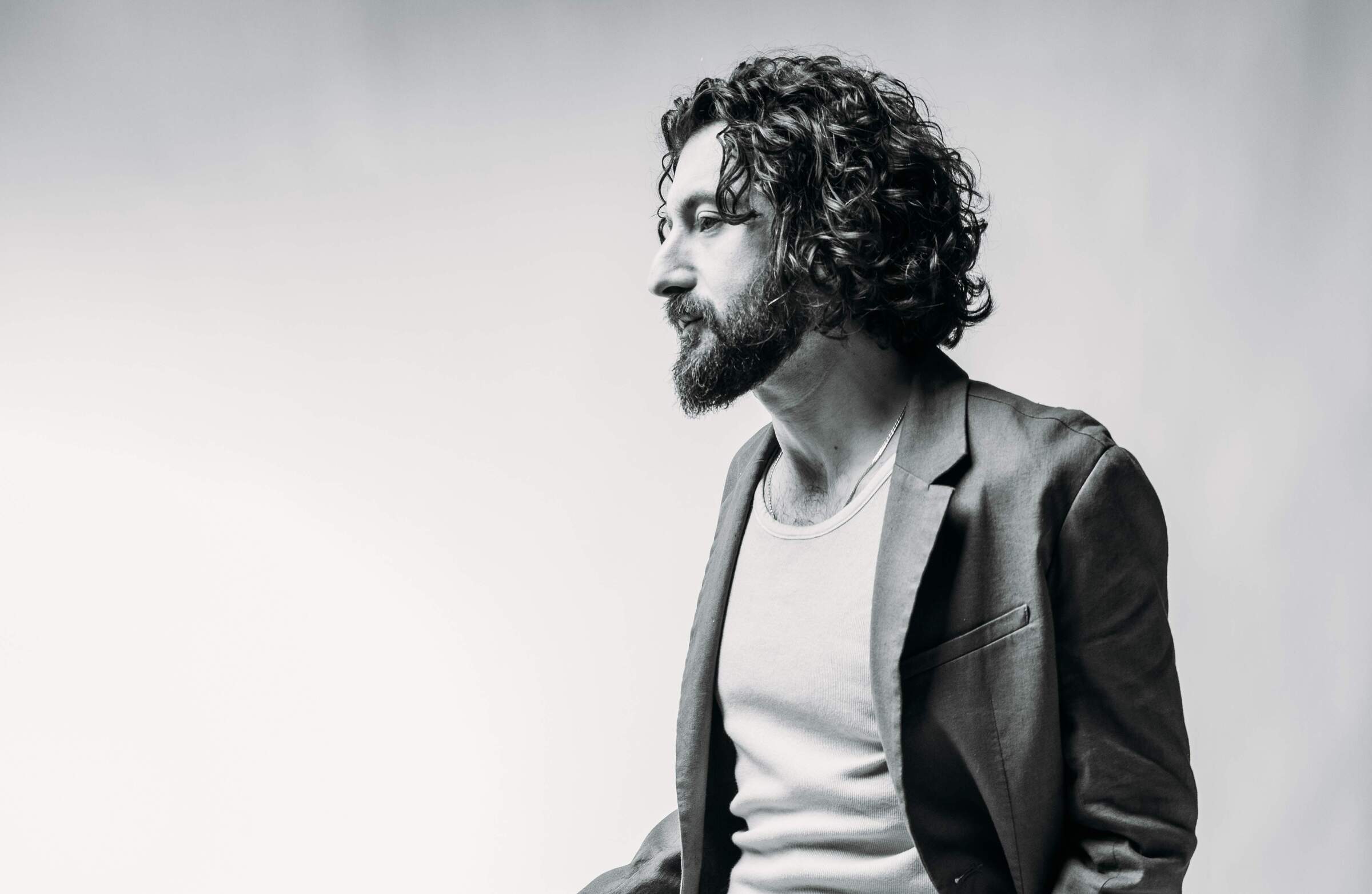
Headline photo: Goran Glad (Credit: Paolo Čerić)
Goran Glad Facebook / Instagram