
Harrisonburg’s Sleepytime Trio Interview: Revisiting the Past Through ‘Memory Minus Plus Minus’
Formed in 1995 in Harrisonburg, Virginia, Sleepytime Trio emerged from a tight-knit college-town underground where punks, art kids, and outsiders built their own stage in basements and living rooms.
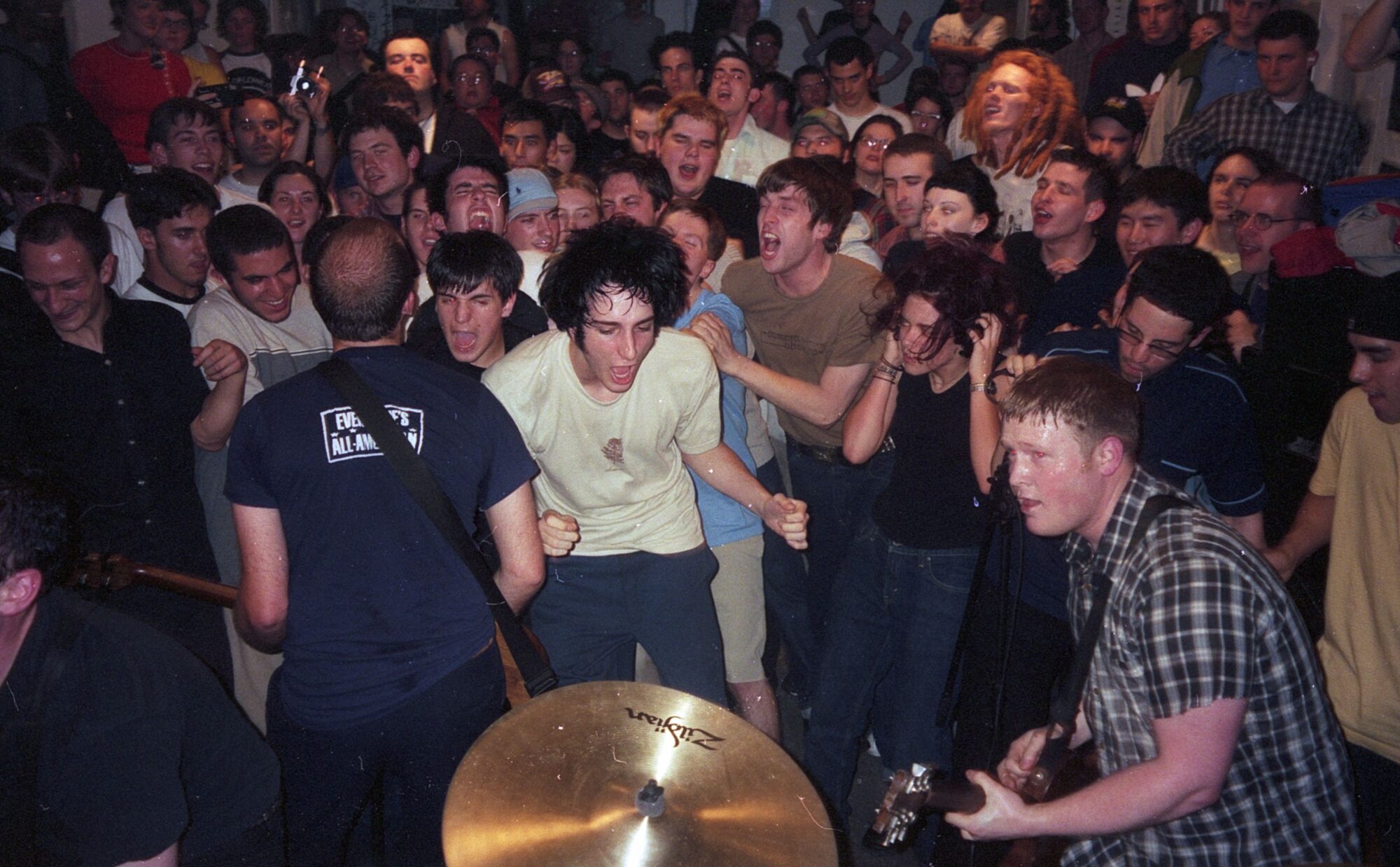
What began as a side project quickly turned into one of the most intense voices in mid-Atlantic post-hardcore. Their shows became “notorious for exploding,” a blur of tangled bodies, blown equipment, and songs that pushed emotional tension as far as it could go without breaking.
After the end of Maximillian Colby, guitarist Dave Nesmith joined the lineup and expanded the band’s sonic reach, pushing them beyond straight-ahead aggression into something more dynamic and unpredictable. Touring alongside bands like Lungfish, Shotmaker, and Policy of 3, the group developed a reputation for performances that felt like a release valve for every ounce of tour-worn frustration and excitement. “It was a very energetic time and everyone was looking for something,” Nesmith recalls.
That spirit carried into the band’s recent return to the stage, including a run of reunion shows that culminated at Chicago’s Several States Fest in January. Now, with ‘Memory Minus Plus Minus’ collecting the band’s full studio output…As Nesmith puts it, simply, “I don’t see it as being anything other than, ‘this is us.’”
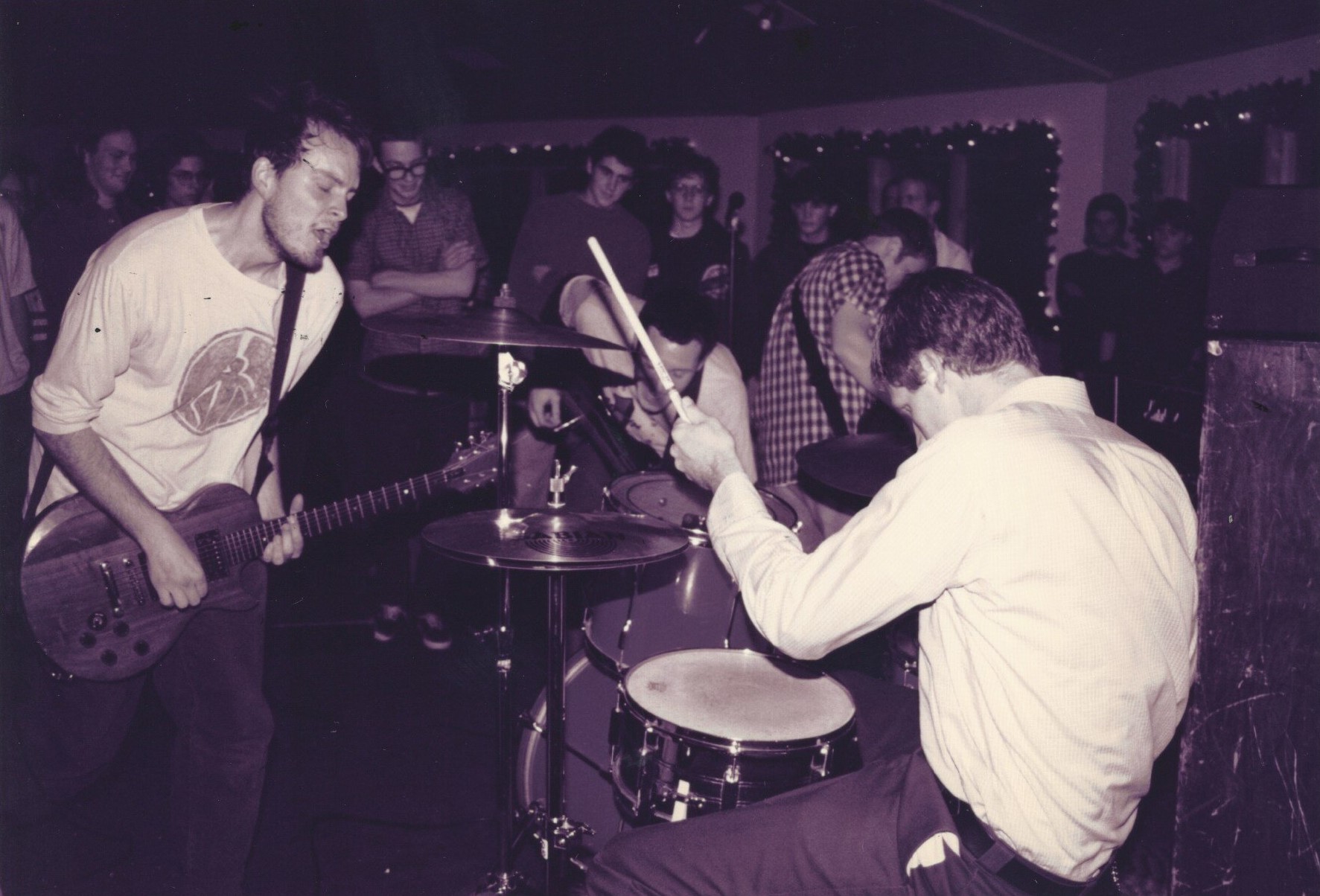
“It was a very energetic time and everyone was looking for something.”
You formed in 1995 in Harrisonburg, Virginia. Could you share what the music scene was like back then and what life was like in your town at that time?
David NeSmith: Harrisonburg was (and hopefully still is) an oasis at the time. We were punk kids that went to college at a school (JMU) where there was a small group of us that were just out of the mainstream. It was a scene of hippies, art students, punks, even preppy kids that didn’t feel like they fit in. We were all very supportive of each other. There were basement shows in dingy basements with very eclectic bands. It was exciting and fun.
Were you involved in other bands before forming Sleepytime Trio? You were originally a side project of the band Maximillian Colby. The original trio featured Drew Ringo (guitar), Ben Davis (bass), and Jonathan Fuller (drums)…
It is funny to be on the outside at that time. I was in Max Colby with Drew, and we were constantly practicing and writing these kind of epic songs. Drew started Sleepytime as a way to just play “rock” and have fun. Before Max Colby, Drew and I were both in a political rap band. I was one of the MCs, and he was the bass player.
What was it about that specific place and time that fostered such an intricate, focused, and emotionally demanding style of music? Were there local venues, other bands, or a sense of isolation that made that era so fruitful for this kind of intense sound?
I think perhaps the isolation, but also seeing other bands like Drive Like Jehu, hose.got.cable, and Hoover. We would drive to Positive Force shows all the time in DC. It was just a very energetic time, and everyone was looking for something. We happened to find something we just loved playing.
I would love to hear about how those first songs came together. What was it like writing and performing music in a small town back then?
Those 3 wrote the first 7 songs, which were done in like weeks? Then the other songs took like 2 years. The first songs were very much like… how can we just go to 11 and have fun rock punk songs. When I joined, we brought in some of the prettier dynamic stuff that now we couldn’t do any more because Max Colby was tragically over.
Dave, joining as a second guitarist after Maximillian Colby ended changed the band’s trajectory. How did the addition of a second voice and set of hands immediately change the band’s dynamic?
Yes, it did change. I think I have always been known as the “weirder” one of the band since my tastes are very eclectic. Drew pushes us to write great songs; I push us to write songs outside of our wheelhouse.
This reissue, ‘Memory Minus Plus Minus,’ brings all the studio work together. Does seeing the entire discography collected on a single LP fundamentally change how you view your own creative arc?
Actually, it does seem like a good collection of a body of work. I don’t see it as being anything other than, “this is us.” The most I tend to think of is, OH, I remember where I was when I started playing that guitar line!
I would love for you to look back on all of your releases, starting with your 1996 debut, and share some stories and insights about each recording, including the moments, experiences, and inspirations that shaped them.
The first recordings were so fun! It was with J. Robbins, and it was his first “professional” recording gig. We were at the Jawbox house in the basement, and he was using an 8-track tape. Then we went with him to WGNS studio to work on other stuff we thought needed to be prettier. It wasn’t my first time in the studio because of Max Colby, but it was amazing to be in a studio with a hero of mine.
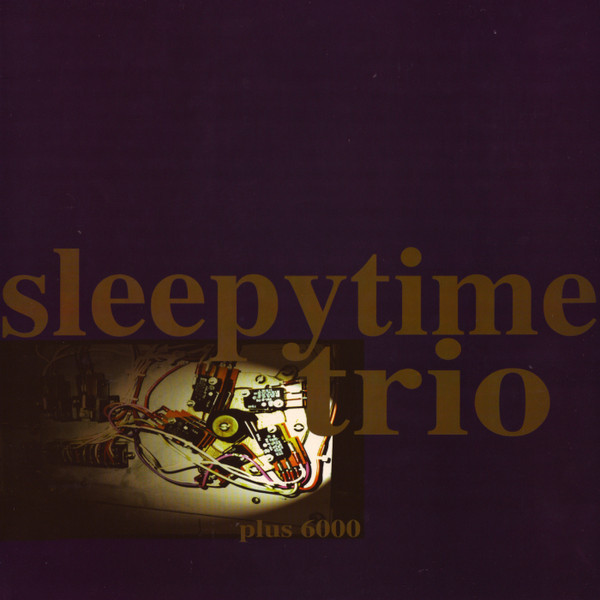
Several tracks were remixed by J. Robbins, who is a legend in the post-hardcore world. What was the band’s goal in having these songs remixed, and what did J. Robbins’ unique sensibility bring out in the music that perhaps wasn’t as apparent in the original masters? Did the remix process reveal any compositional choices you had forgotten about?
Well, one issue that we had was that the actual pitch toggle had been shifted slightly in the recording by J. It wasn’t something anyone would notice unless you try to tune your guitar to the song and it is off a bit. The vocals were recorded at the right speed, though, so J was able to remix everything back to how it originally should have sounded. Also, we did some fixes to some of the levels. I hope people like it!
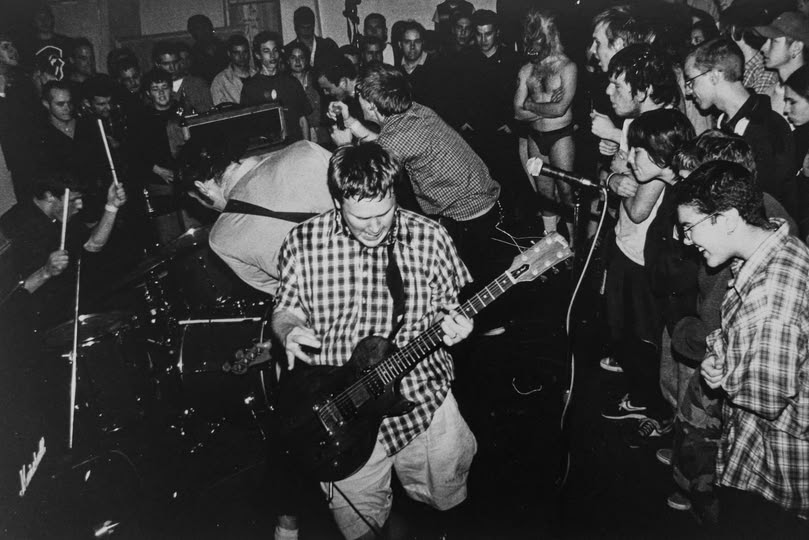
Your live shows were “notorious for exploding.” Can you share a vivid memory of a show that truly embodied that “visceral sense that everything might combust?”
I remember on one US tour we were in Arcadia, California. We were playing in a garage off of the PCH. It was one of those shows where the stress of the tour was getting to us, and we took it all out on stage. One of the things on that tour that I really wanted to do was jam a song every night. Sometimes that was good, sometimes bad. But that night it was amazing! And I started improvising lyrics, and the folks around me started singing them! The energy was incredible. Then we finished, the garage door opened, and the sun was sinking into the ocean right in front of us. I will never forget that show.
In the mid-’90s, you shared bills with an incredibly diverse group of bands… from Shotmaker and Policy of 3 to Lungfish and Men’s Recovery Project. What was the feeling of being part of that incredibly vibrant mid-Atlantic touring circuit? Did sharing stages with bands of different styles push you to be more extreme, more technical, or perhaps more self-aware of your own unique sound?
Heh, well MRP was easy since I was in that band. Definitely being with all those different bands pushed us. It was not a competitive thing, but it was a, oh damn, we are so excited to see these bands create some amazing music! We want to do that too! I remember Lungfish in particular because we thought of them as “old guys” at the time, which is hilarious because I am old now. BUT we were like, holy cow! These old guys are blowing everyone away!
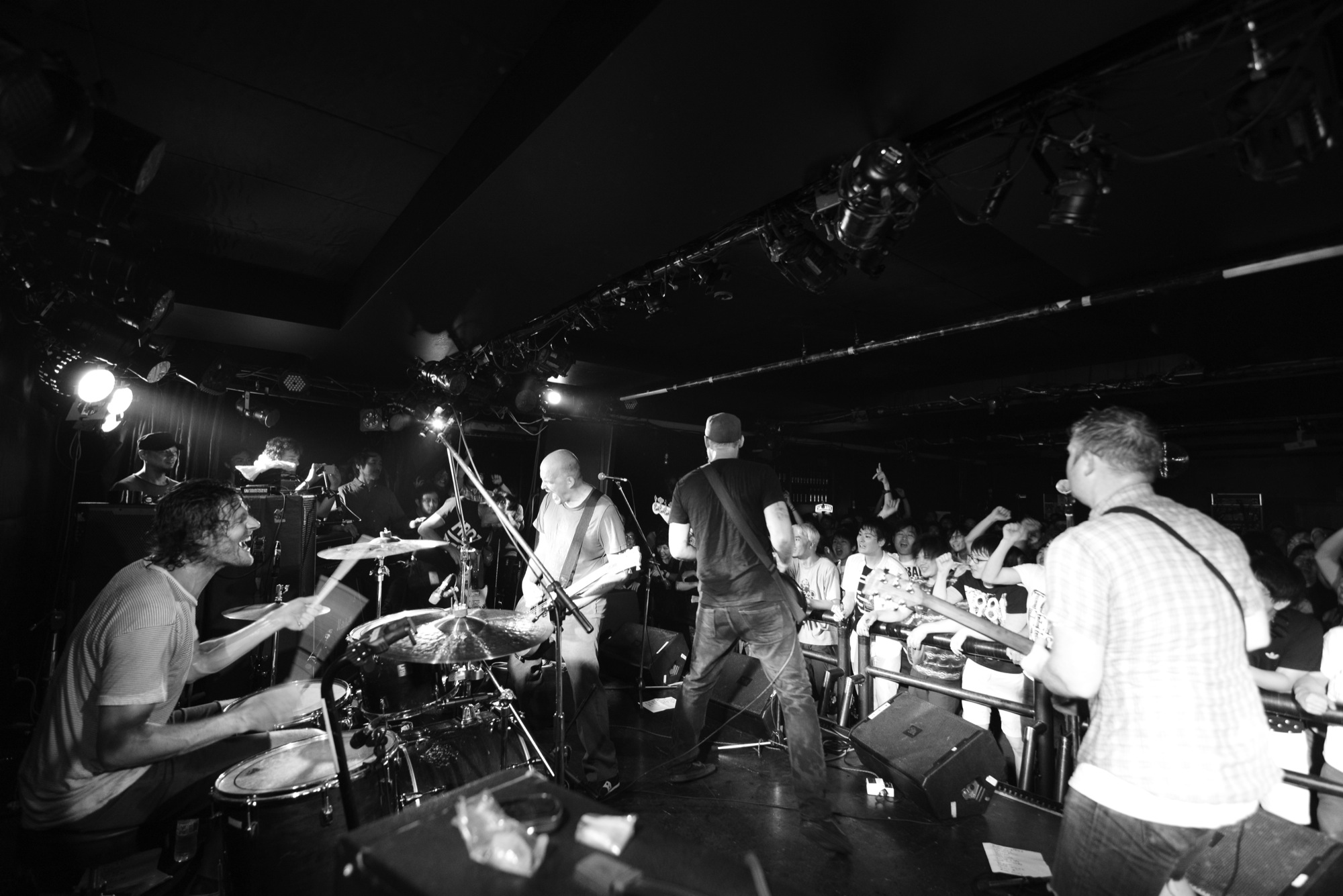
When the band went on an “extended hiatus” in 1998, members went on to form Engine Down, Rah Bras, Bats & Mice, and Milemarker. How did the technical rigor and emotional demands of Sleepytime Trio influence the bands that followed? Do you see the hiatus not as an end, but as a kind of scattering of seeds that grew into new, distinct styles?
I’ll just say for me. I think my bands were a departure from Sleepytime. When Drew and I got back together for Regents, then it was kind of a pushing forward of what we had done before. Bats might have some influences? But I view that band as even more emo.
After reuniting periodically and even touring Japan, the story clearly isn’t finished. What does playing these songs mean to you now, compared to playing them in 1996? Has the distance of time made the intensity of the music feel like nostalgia, or do the emotions captured in the songs still feel immediate and vital when you play them?
I love playing them! It is tough to feel physically able to play them since they take so much out of us. And I don’t want folks to ever feel we are just phoning it in. We want to play them as good as we did back then. Probably we are playing them better than we did back then because of experience, but we still want to feel we are giving the energy we did back then. Also, I get to play with 3 of my best friends. I view it as more of a chance to hang with them than anything else.
Picture this: your van breaks down on the road, and somehow you end up in my little town. I invite you over for a night surrounded by stacks of records. What albums would we end up spinning? Anything goes.. hidden gems, or the kind of songs that make you stop and say, “I haven’t heard this in years.” The stranger and more unexpected, the better.
Oh man, probably Warren Zevon “Excitable Boy.” A band called “The Stickmen” from Philadelphia. “Hundred Sights of Koenji.” Indigo Girls!
And finally, what currently occupies your life?
I have a lovely family, and I live next to a State Park in North Carolina. Lots of hiking and taking care of things. I also have a newer band where I play keytar called “Dystaron,” and a few other projects I am working on.
Thanks for the interview! Appreciate you doing this!
Klemen Breznikar
Headline photo: Sleepytime Trio, Philly (1999) | Photo by Shawn Brackbill
Sleepytime Trio Instagram / Bandcamp
lovitt Website / Facebook / Instagram / X / Bandcamp