
David “Damon” del Conte talks about “Song of a Gypsy”

‘Song of a Gypsy’ is a true monster of U.S. psychedelic music.
Album contains very laid-back, stoned vocals with nice fuzz guitar and even
a sitar and it’s truly among the pillars of rare psych albums.
Album contains very laid-back, stoned vocals with nice fuzz guitar and even
a sitar and it’s truly among the pillars of rare psych albums.
Thanks to Egon and his Now Again Records the album is restored/remastered
transfer, pitch/speed corrected for the first time ever. First edition contains
second CD/bonus LP: Damon’s ’60s recordings, and never-before-heard demos.
Extensive booklet contains dozens of unpublished photos and images, a thorough
investigation into this landmark album, and an extensive interview with Damon.
transfer, pitch/speed corrected for the first time ever. First edition contains
second CD/bonus LP: Damon’s ’60s recordings, and never-before-heard demos.
Extensive booklet contains dozens of unpublished photos and images, a thorough
investigation into this landmark album, and an extensive interview with Damon.
This edition investigates a seemingly impossible story – one
that encapsulates the last bloom of the flower power movement before it decayed
into the haze of the 70s underground. It traces a pop hopeful descending into
chaos, and becoming the tortured soul who would create an LP to file alongside
works by other lost greats of the late ‘60s, from Shuggie Otis to Rodriguez.
that encapsulates the last bloom of the flower power movement before it decayed
into the haze of the 70s underground. It traces a pop hopeful descending into
chaos, and becoming the tortured soul who would create an LP to file alongside
works by other lost greats of the late ‘60s, from Shuggie Otis to Rodriguez.
We really recommend you to get expanded edition of Damon’s psychedelic masterpiece ‘Song Of A Gypsy’.
You were born as Damon
Del Conte. Where did you grew up and what can you tell me about your childhood?
I was born David
Carlton Del Conte in Rochester N.Y. in 1940. The Del Conte family lived in a two story home, where the lower part of
the house was Del Conte’s Beauty Parlor, and the upper floor was our home. Our
family moved a few times while in Rochester then moved to So. Cal in 1948 and
lived in several different cities – Pasadena, Eagle Rock, Alhambra, Westchester, Inglewood, Morningside Park, & more. This caused me to go to several
different grade schools, and each new school taught me how to learn to get
along with others (somewhat).
Carlton Del Conte in Rochester N.Y. in 1940. The Del Conte family lived in a two story home, where the lower part of
the house was Del Conte’s Beauty Parlor, and the upper floor was our home. Our
family moved a few times while in Rochester then moved to So. Cal in 1948 and
lived in several different cities – Pasadena, Eagle Rock, Alhambra, Westchester, Inglewood, Morningside Park, & more. This caused me to go to several
different grade schools, and each new school taught me how to learn to get
along with others (somewhat).
I was always “the new kid” a bit of an outcast – I
had no choice. Our whole family moved a
lot. Even then I felt like a gypsy. It wasn’t till years later that I found out I
come from a Viking, Italian, Romano Gypsy heritage.
had no choice. Our whole family moved a
lot. Even then I felt like a gypsy. It wasn’t till years later that I found out I
come from a Viking, Italian, Romano Gypsy heritage.
Perhaps the first big change in my life was at around 15
years old. During high school summer
break, while preparing for the move from Sophomore to Junior (10th – 11th grade),
I grew 6″ in height to 6ft tall and filled out to the point where I was
no longer bullied. I got tough. Out of necessity (as well as a little
pay-back) I got tough.
years old. During high school summer
break, while preparing for the move from Sophomore to Junior (10th – 11th grade),
I grew 6″ in height to 6ft tall and filled out to the point where I was
no longer bullied. I got tough. Out of necessity (as well as a little
pay-back) I got tough.
When did you start playing instrument and what would you
say influenced you to do so?
say influenced you to do so?
In the 7th grade I heard a sax player named Earl Bostic on a
song called “Danube Waves”. I
spoke to a music teacher and he suggested I start with the clarinet because of
the size. Same instrument as a sax, just
smaller. By high school I was playing
clarinet in marching band and sax in school orchestra. I got pretty good. I became 1st chair reed section. Our high school band was very good.
song called “Danube Waves”. I
spoke to a music teacher and he suggested I start with the clarinet because of
the size. Same instrument as a sax, just
smaller. By high school I was playing
clarinet in marching band and sax in school orchestra. I got pretty good. I became 1st chair reed section. Our high school band was very good.
If I may ask, what year were you born? You were a teenager
in early 60s and I would like to ask if you travelled a lot back then as a
teenager?
in early 60s and I would like to ask if you travelled a lot back then as a
teenager?
My teenage years were the 50s. On the weekdays I went surfing, and weekends
I used to go to the Coffee Houses to “dig on the beatniks, man. too
cool.” Jazz, poetry & finger
snappin’. Pot, puff, smoke, whatever – I
was a teenage bum.
I used to go to the Coffee Houses to “dig on the beatniks, man. too
cool.” Jazz, poetry & finger
snappin’. Pot, puff, smoke, whatever – I
was a teenage bum.
Did I travel much then?
Then and now – Always. Several
states in the USA & many other countries. The 60s . . . .
Beatniks became “Hippies”. I
was in my late 20’s and early 30’s during the Haight Ashbury era. Actually, I wasn’t a hippy. Never. Some were very nice and others weren’t. I just didn’t want to protest. At the time I liked America just the way it
was. Not anymore. I feel sorry for the younger generation.
Then and now – Always. Several
states in the USA & many other countries. The 60s . . . .
Beatniks became “Hippies”. I
was in my late 20’s and early 30’s during the Haight Ashbury era. Actually, I wasn’t a hippy. Never. Some were very nice and others weren’t. I just didn’t want to protest. At the time I liked America just the way it
was. Not anymore. I feel sorry for the younger generation.
Anyway, somewhere in the 1960s I had become a junkie. Strung out on Heroin, used LSD often, and was
bailed out of jail a lot. In 1979 I gave
my life to Jesus. I did what He told me to do – START OVER!!!
bailed out of jail a lot. In 1979 I gave
my life to Jesus. I did what He told me to do – START OVER!!!
In early 1966 you
self released two singles on your label called just ‘Del Con’. There were two
releases ‘I Wonder Why / Lovin’ Man’ and ‘They Call Me A Fool / The Battle Hymn
(Of The Republic)’. Am I right?
self released two singles on your label called just ‘Del Con’. There were two
releases ‘I Wonder Why / Lovin’ Man’ and ‘They Call Me A Fool / The Battle Hymn
(Of The Republic)’. Am I right?
Yes, I recorded those songs. Being a pretty good club singer, having a nice following, several recording studios owners, engineers, or others would offer me free studio time.
My very first record was a song I wrote, “The Lonely Surfer” recorded
around 1961. I heard about a band called
“The Crossfires” who were playing weekends at the Hermosa Biltmore
Hotel. I went to see them. They were a
surf band and could really play. There
were 5 of them. I paid them $20.00 each
to back me on my surf record. They
eventually became “The Turtles.”
My very first record was a song I wrote, “The Lonely Surfer” recorded
around 1961. I heard about a band called
“The Crossfires” who were playing weekends at the Hermosa Biltmore
Hotel. I went to see them. They were a
surf band and could really play. There
were 5 of them. I paid them $20.00 each
to back me on my surf record. They
eventually became “The Turtles.”
In the time early 60s, I was playing lots of clubs – mostly
as just a singer. No instruments, just my voice. Over that decade I had a 3 or
4 piece combo. I was the front man. I’d
sing in various languages, doing all kinds of music from Blues to Boogie, Jazz
to Rock, and even did some comedy. Here’s how it worked – The band would play
for approximately 15 minutes. I would go up and sing for about 1/2 hour, the
band would take a break while I was on stage for the next 15 minutes to talk,
tell stories, jokes, whatever.
as just a singer. No instruments, just my voice. Over that decade I had a 3 or
4 piece combo. I was the front man. I’d
sing in various languages, doing all kinds of music from Blues to Boogie, Jazz
to Rock, and even did some comedy. Here’s how it worked – The band would play
for approximately 15 minutes. I would go up and sing for about 1/2 hour, the
band would take a break while I was on stage for the next 15 minutes to talk,
tell stories, jokes, whatever.
It was lots of fun, but in time I realized that I was
becoming a “Lounge Lizard” and I didn’t want to end up that way in my
“later years”.
becoming a “Lounge Lizard” and I didn’t want to end up that way in my
“later years”.
Well, it’s now my later years (I’m 72) and I never became a
“Star”, I accomplished a whole lot and shared my music with people
all over the world who have been touched by it. Believe it or not, my CDs are still selling. Not a lot, but very steady. I’m getting small
orders every week. I’m amazed.
“Star”, I accomplished a whole lot and shared my music with people
all over the world who have been touched by it. Believe it or not, my CDs are still selling. Not a lot, but very steady. I’m getting small
orders every week. I’m amazed.
As far as everything else, you are right. From Yalta to Sweden, Argentina, Lithuania,
Spain, Chili, Ukraine, Amsterdam, several Islands in the Caribbean, and more.
Spain, Chili, Ukraine, Amsterdam, several Islands in the Caribbean, and more.
I would love if you could tell us about this songs you recorded
back then. Where did you record it and where did you press it and how many
copies were made?
back then. Where did you record it and where did you press it and how many
copies were made?
I recorded ”Song of a Gypsy” at Western Recorders in
Hollywood. I recorded the next 9 songs on the album at Hollywood Sound
recorders. I pressed it at a shop in El
Segundo California, but I can’t remember the name of the place.
Hollywood. I recorded the next 9 songs on the album at Hollywood Sound
recorders. I pressed it at a shop in El
Segundo California, but I can’t remember the name of the place.
What were this songs about?
The songs were about my life as it was at the time.
I understand, in the 60s you traveled as a folk singer.
What places did traveling took you and what people did you meet in those years.
I would like if you could ‘paint’ us a picture of the years before releasing LP
in 1969.
What places did traveling took you and what people did you meet in those years.
I would like if you could ‘paint’ us a picture of the years before releasing LP
in 1969.
I began singing in a rock band. I soon moved in to top
40. Eventually I became a jazz singer. I
then moved on to become a lounge singer. I actually enjoyed that. I could do show tunes, songs in other
languages, ballads, and light rock. It
was fun. Pretty soon I realized that I
had to be more ME, and then became a folk singer. I also filled in as a rhythm guitar player
with several other bands when they were short a guitar player. These were one
or two nights at a time. At the time I would take whatever I could. There was only one job I quit after one
night. It was a topless bottomless club
in Hollywood. To be honest with you, it
was gross seeing those women spreading their legs for the audience. I sang
mostly in Southern California until around 1967 when I began traveling as a
gypsy folk singer.
40. Eventually I became a jazz singer. I
then moved on to become a lounge singer. I actually enjoyed that. I could do show tunes, songs in other
languages, ballads, and light rock. It
was fun. Pretty soon I realized that I
had to be more ME, and then became a folk singer. I also filled in as a rhythm guitar player
with several other bands when they were short a guitar player. These were one
or two nights at a time. At the time I would take whatever I could. There was only one job I quit after one
night. It was a topless bottomless club
in Hollywood. To be honest with you, it
was gross seeing those women spreading their legs for the audience. I sang
mostly in Southern California until around 1967 when I began traveling as a
gypsy folk singer.
Is there any particular story, you keep in your mind from
those early pre LP days, that you would like to share with us?
those early pre LP days, that you would like to share with us?
As I just said, I enjoyed being a lounge singer, doing show
tunes, ballads, foreign language songs, and oldies. It was the easiest, but I saw no future in
it. Singing other people songs left me a bit empty. I needed to do my own music. That’s what brought me to “Gypsy
Rock” music. It was mine.
tunes, ballads, foreign language songs, and oldies. It was the easiest, but I saw no future in
it. Singing other people songs left me a bit empty. I needed to do my own music. That’s what brought me to “Gypsy
Rock” music. It was mine.
How did you make up a living back then and did you have a
place to stay or how did the typical day of yours looked like? You were located
in Los Angeles?
place to stay or how did the typical day of yours looked like? You were located
in Los Angeles?
I had a little place that had been a storage shed that I
made into a little crash pad. It had a
big room, a bedroom, and a bathroom with a shower in it. I also had a Chevy Suburban that had a
mattress in back for traveling.
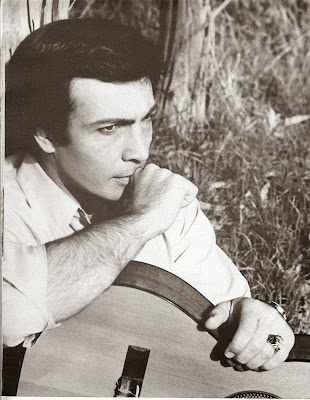
made into a little crash pad. It had a
big room, a bedroom, and a bathroom with a shower in it. I also had a Chevy Suburban that had a
mattress in back for traveling.

How did you meet Charlie Carey?
I was playing a club in L.A. and Don Preston was my regular
guitar player. Don was one of the guitar players with the Shindogs on the TV
show Shindig. Every once in a while they would call him in to do a show and he
always sent me someone to fill in for him. One night Charlie showed up and said, “Howdy, I’m Charlie Carey and
I’m filling in for Don Preston tonight”. I handed him the chord charts of the show and he looked at me and said,
“That’s OK. I won’t need
them”. He was right – he didn’t
need them. He has a great ear.
guitar player. Don was one of the guitar players with the Shindogs on the TV
show Shindig. Every once in a while they would call him in to do a show and he
always sent me someone to fill in for him. One night Charlie showed up and said, “Howdy, I’m Charlie Carey and
I’m filling in for Don Preston tonight”. I handed him the chord charts of the show and he looked at me and said,
“That’s OK. I won’t need
them”. He was right – he didn’t
need them. He has a great ear.
‘Song of a Gypsy’ is idea from you both? Tell me how did
you got an idea to start recording together?
you got an idea to start recording together?
”Song of a Gypsy” was all mine. I wrote it, and picked the best musicians I
knew at the time to go into the studio with me. Charlie caught the vibe right away, and so did everyone else on the
session.
knew at the time to go into the studio with me. Charlie caught the vibe right away, and so did everyone else on the
session.
Where and when did you start recording an LP. Who all
was in the lineup and where did you got all those musicians that are a part of
this LP?
was in the lineup and where did you got all those musicians that are a part of
this LP?
Charlie and I had
become friends over the previous years. He had his own band and I had mine. When I was offered a free recording session at Western Recorders in
Hollywood, I got Charlie for lead guitar, I played my gypsy guitar (a five
string instrument that I sort of invented while in Big Sur, Ca. I found Helena
at a club called “The Fez” and asked her and her dumbek player
Richard Barham to play on the session, but at te time I didn’t have a regular
band so I add no drummer or bass player. I forgot where I found Mike Pastora the
conga player and I used him on drums – good conga player, but not a good
drummer – but I remember how I got Atlee Yeager to play. He was a friend of Charlie and he had his own
trio playing at the “Whiskey a go go” at the time. I couldn’t stand the guy. He had an enormous
ego and he was a real jerk. But I have
to admit he could really play the bass. Charlie convinced him to play. He played great.
become friends over the previous years. He had his own band and I had mine. When I was offered a free recording session at Western Recorders in
Hollywood, I got Charlie for lead guitar, I played my gypsy guitar (a five
string instrument that I sort of invented while in Big Sur, Ca. I found Helena
at a club called “The Fez” and asked her and her dumbek player
Richard Barham to play on the session, but at te time I didn’t have a regular
band so I add no drummer or bass player. I forgot where I found Mike Pastora the
conga player and I used him on drums – good conga player, but not a good
drummer – but I remember how I got Atlee Yeager to play. He was a friend of Charlie and he had his own
trio playing at the “Whiskey a go go” at the time. I couldn’t stand the guy. He had an enormous
ego and he was a real jerk. But I have
to admit he could really play the bass. Charlie convinced him to play. He played great.
What are some of the strongest memories from producing
and recording this LP? Was there any concept behind it or was just song after
song?
and recording this LP? Was there any concept behind it or was just song after
song?
My concept was to write what I was living. Song after song just came into my head.
Where did you got LP pressed and how many copies were
made. There are two versions. A black one is gatefold and I beleive the run was
100 copies. How about the white one? Why did you choose to do two versions of
this?
made. There are two versions. A black one is gatefold and I beleive the run was
100 copies. How about the white one? Why did you choose to do two versions of
this?
The black one was expensive, but I felt the music was worth
it. I pressed 500 Black Gatefold albums
and 500 White ones because of the cost.
it. I pressed 500 Black Gatefold albums
and 500 White ones because of the cost.
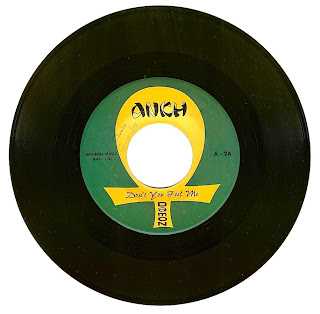
Was it a self release? Ankh was the name of the label and it
had something to do with Egyptian history. What exactly?
had something to do with Egyptian history. What exactly?
Yes, the Ankh was part of Egyptian history. The top half
represented the circle of life, while the cross was beneath it to show that we
could rise above any crosses we bore in life. It was also the sign of “Rah” the Sun god, worshipped in
Egyptian culture.
represented the circle of life, while the cross was beneath it to show that we
could rise above any crosses we bore in life. It was also the sign of “Rah” the Sun god, worshipped in
Egyptian culture.
What can you say about the cover artwork?
I met a girl named Betty McCarrol on Catalina Island. We hit it off and she drew the cover for me.
She was a wonderful lady – gorgeous too.
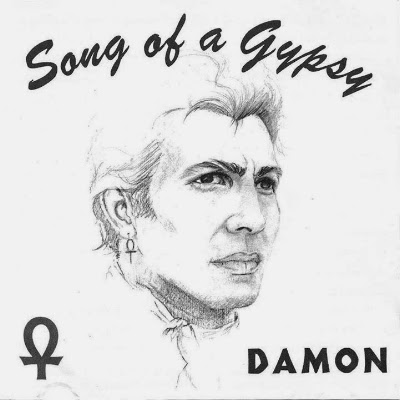
She was a wonderful lady – gorgeous too.

I know this might be a hard question to answer, but since
I ask most musicians I interview I will do the same in our interview. Would you
like to comment your songs from the first LP, so that readers will perhaps get
to know more of your song writing…
I ask most musicians I interview I will do the same in our interview. Would you
like to comment your songs from the first LP, so that readers will perhaps get
to know more of your song writing…
A1 Song of a
Gypsy – We all have times of darkness and
despair.
Gypsy – We all have times of darkness and
despair.
A2 Poor Poor
Genie – This was about a real girl who had
nowhere to run, so she ran with us.
Genie – This was about a real girl who had
nowhere to run, so she ran with us.
A3 Don’t You Feel Me
– Just what the words say. You can feel
someone you love even when you’re apart.
– Just what the words say. You can feel
someone you love even when you’re apart.
A4 Did You Ever – Life brings many unexpected things.
A5 Funky Funky
Blues – Good blues cures all
Blues – Good blues cures all
B1 Do You – It’s all about dreaming.
B2 The Night – It’s
all about a night of love tat brought me into manhood.
all about a night of love tat brought me into manhood.
B3 I Feel Your
Love –
Same thought as Song #3 – feeling love.
Love –
Same thought as Song #3 – feeling love.
B4 Birds Fly So
High – Life can be what you make
it.
High – Life can be what you make
it.
B5 Road of
Life – My life experiences
Life – My life experiences
Along with the album there were also two singles made
‘Can’t You Feel Me’ / ‘Poor, Poor Genie’ and ‘Song of a Gypsy’ / ‘Oh, What a
Good Boy Am I’. Was this pressed at the same time and how many copies were
made?
‘Can’t You Feel Me’ / ‘Poor, Poor Genie’ and ‘Song of a Gypsy’ / ‘Oh, What a
Good Boy Am I’. Was this pressed at the same time and how many copies were
made?

All done at different times.
I honestly can’t remember. It’s
been over 50 years ago.
I honestly can’t remember. It’s
been over 50 years ago.

Did the lineup featured on the LP perform any concerts?
If so where and with who all did you shared stage?
If so where and with who all did you shared stage?
Several concerts. Things have changed a lot, but locally
“The Coach House” “The Galaxy” and several joints in San
Fran – a big tour of Spain, and others.
“The Coach House” “The Galaxy” and several joints in San
Fran – a big tour of Spain, and others.
What would you say inspired you to write songs?
Need to connect with others.
Did psychedelic drugs have any role in your music?
Yes. Drugs, life,
love, pain, pleasure passion – all had a role in my music.

love, pain, pleasure passion – all had a role in my music.

What happened in the 70s thru 80s and 90s to you.
What occupied your life?
What occupied your life?
Heroin was my life throughout the 70’s then Jesus took over
in 1979 and life has been wonderful since.
in 1979 and life has been wonderful since.
You are still very active. In 1999 you released ‘Gypsy
Eyes’ and I heard you are preparing the last album of this trilogy. What can
you tell me and why trilogy. So there is a concept to it?
Eyes’ and I heard you are preparing the last album of this trilogy. What can
you tell me and why trilogy. So there is a concept to it?
Yes. It is a concept. From being lost, to living life, and finally finding a home.
Are you still in contact with members that appeared on
your first LP?
your first LP?
Only Helena. She is a
special lady and a special friend. The rest either died or became self
centered. I hope I am Christ centered.
special lady and a special friend. The rest either died or became self
centered. I hope I am Christ centered.
What currently occupies your life and what are perhaps
some future plans?
some future plans?
I found 2 sisters, Hannah & Maia Currie, age 13 & 15
who are gifted in music. I am currently
recording them.
who are gifted in music. I am currently
recording them.
Thank you so much for taking your time. Would you like
to send a message to It’s Psychedelic Baby readers?
to send a message to It’s Psychedelic Baby readers?
Yes. Don’t give up
your dreams. My dream took 50 years to
come true. Just be you.
your dreams. My dream took 50 years to
come true. Just be you.
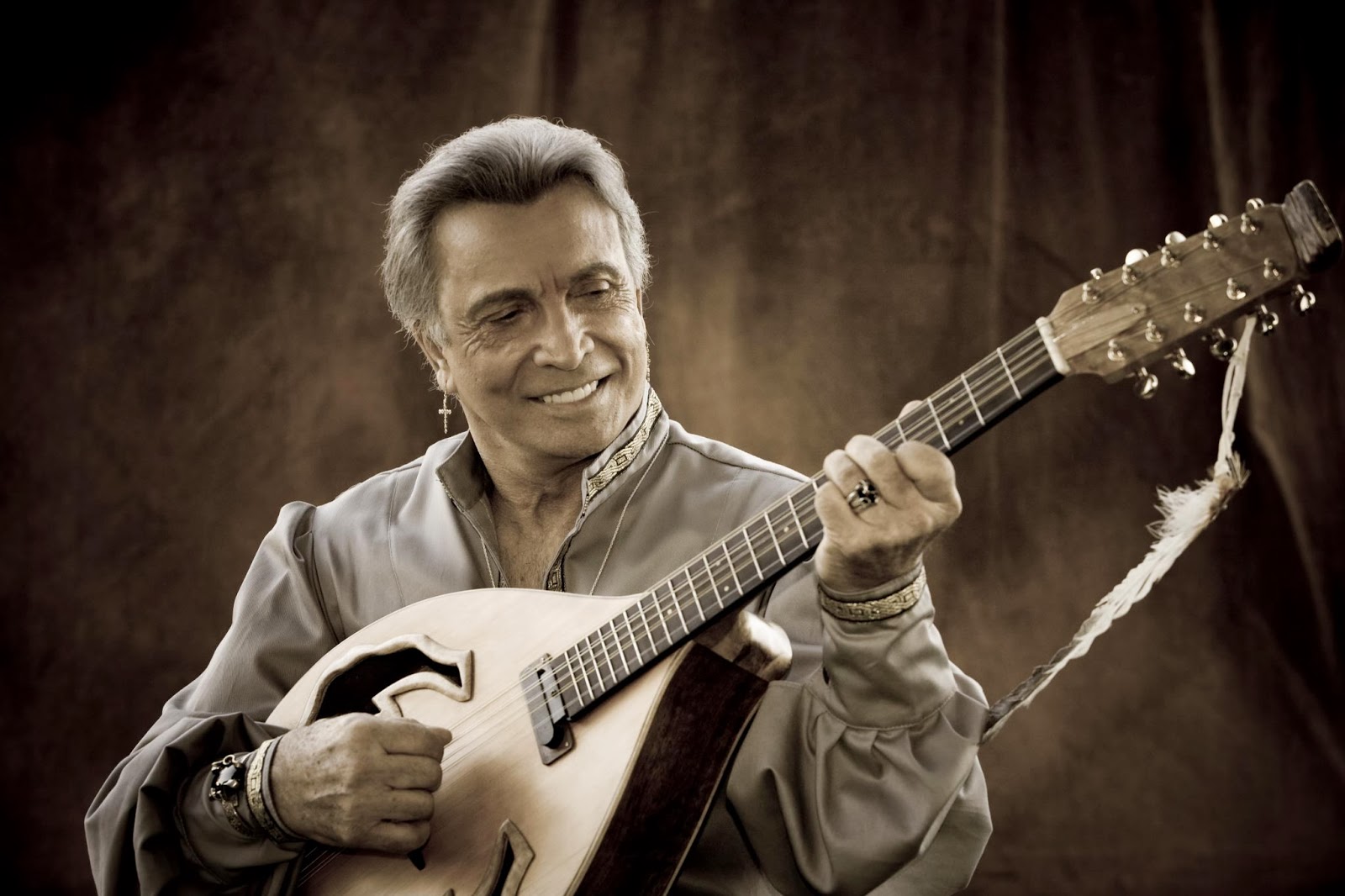
Interview by Klemen Breznikar/2013
© Copyright http://psychedelicbaby.blogspot.com/2013
Array

 mike deasy
  Gurb
Gurb
I just learned recently that David del Conte has passed away. He was a generous talented friend.