
October | Rare Detroit Private-Press Progressive Rock and Jazz Fusion
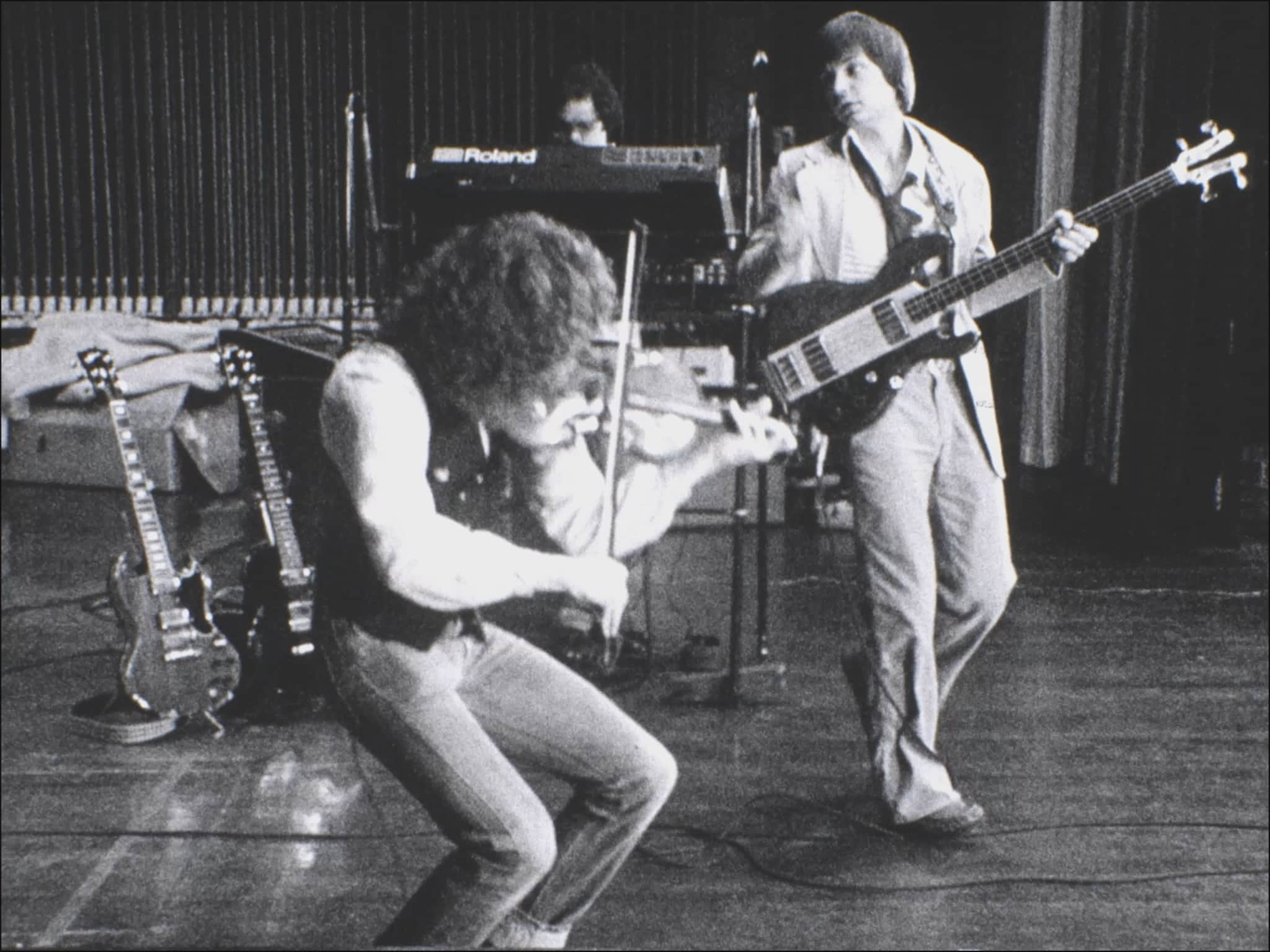
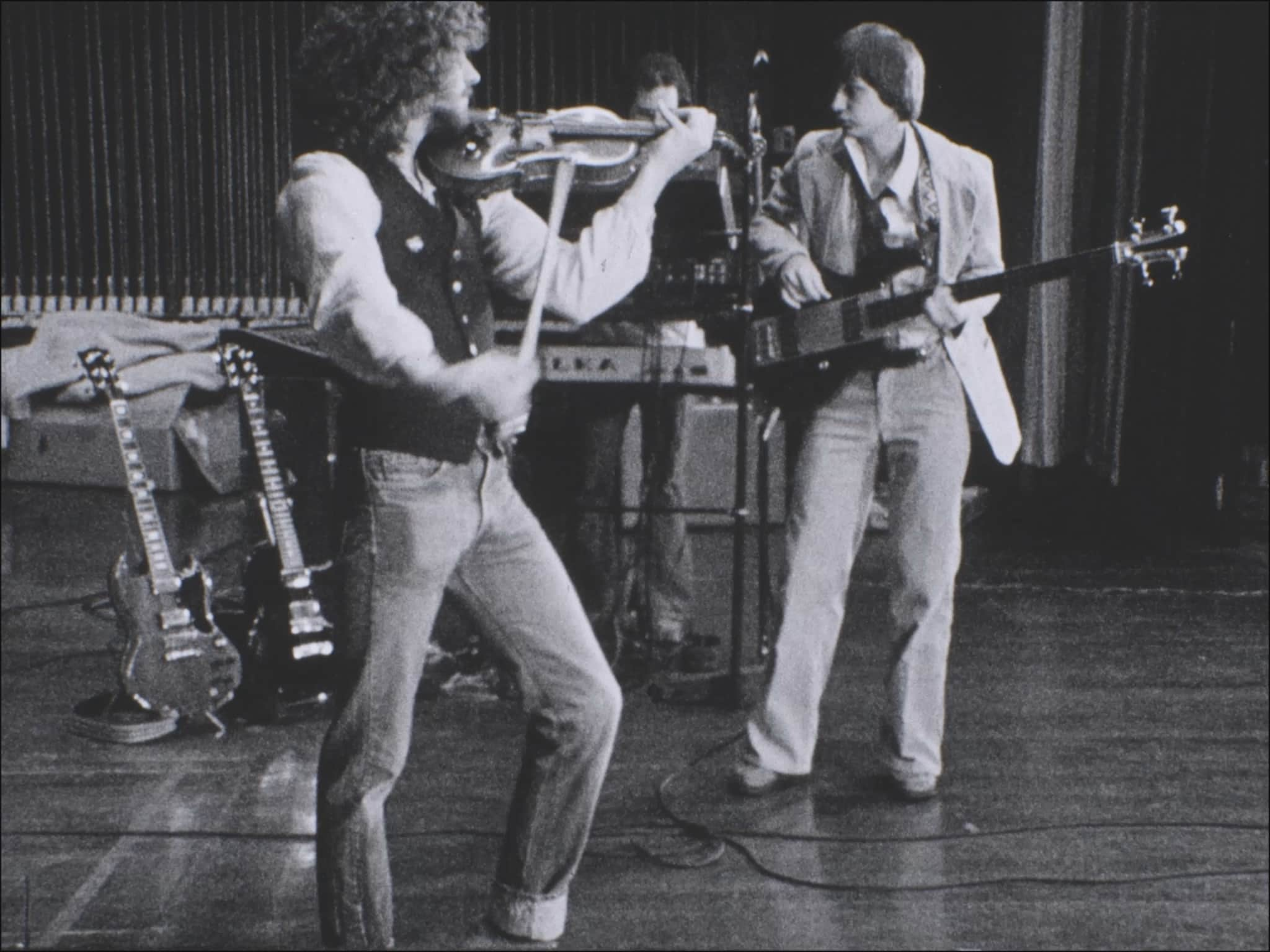
October were an unusual prospect in late-’70s Detroit. Their music combined progressive rock, jazz fusion and modern classical influences, with electric violin and two keyboard players at the centre of the sound.
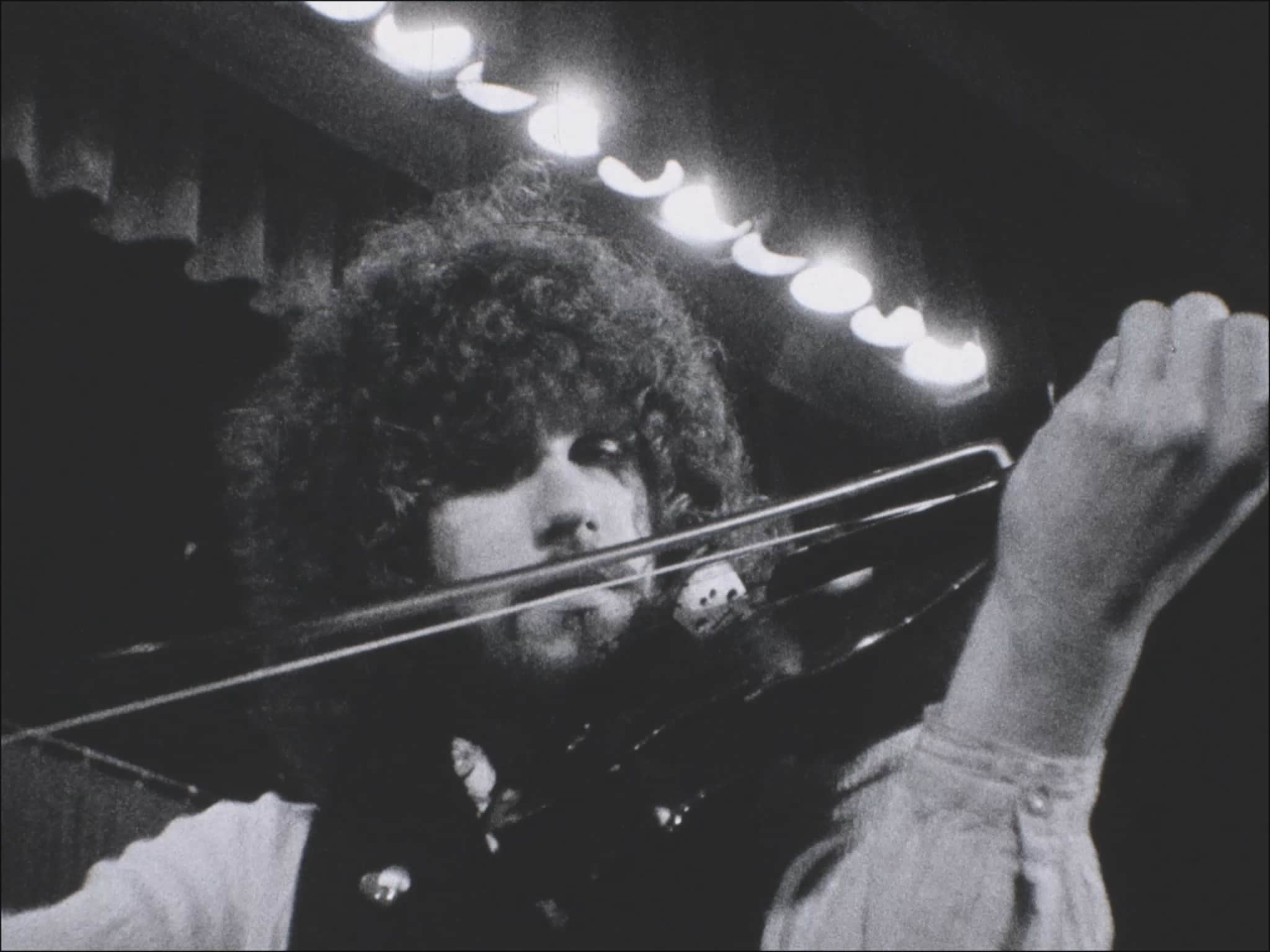
The band began in Taylor, Michigan, with teenagers Brad Tolinski and Jeff Rozany. Both had started out playing guitar, but their interests had moved well beyond the Beatles, Cream and Led Zeppelin. King Crimson, Chick Corea and Stravinsky were among the musicians and composers they were listening to. Tolinski eventually took up electric violin, while Rozany switched to bass and vocals.
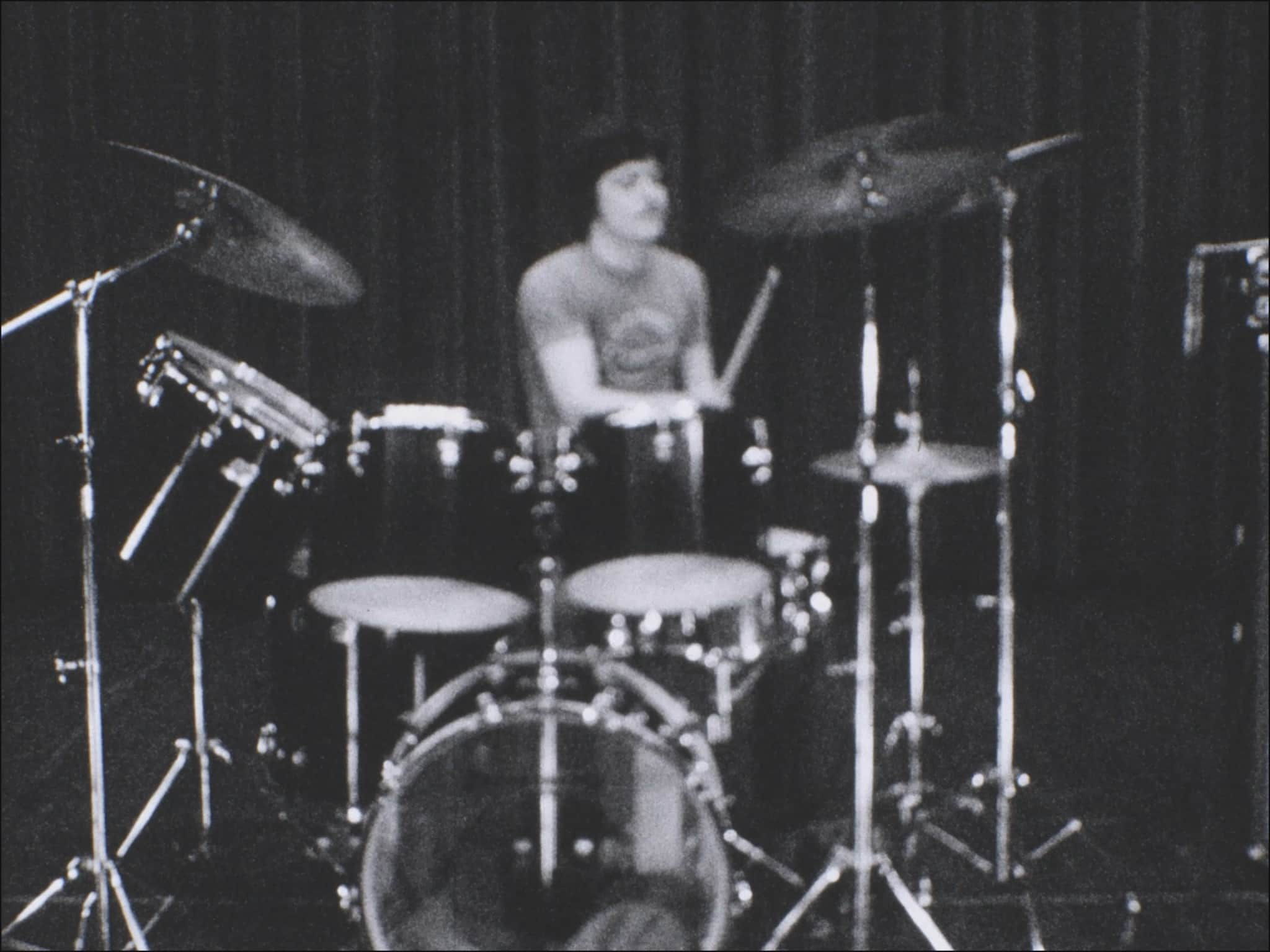
Their first LP was recorded at Jon Jarvis’s eight-track home studio in Dearborn, with the musicians scattered between rooms and hallways. Around 500 copies were pressed, although Tolinski can barely remember how they were sold. The second album, ‘After the Fall’, was never actually finished by the band. Jarvis later assembled a record from the tapes and released it without their knowledge. Tolinski didn’t find out until years afterwards.
Both albums have now been reissued by PQR-Disques plusqueréel. Tolinski, who later became the longtime editor of ‘Guitar World’, recalls October’s early days, concerts with Griot Galaxy, and the five songs they recorded towards the end but never released on record. He also remembers Pat Carson and Craig Furkas, both of whom have since died, and talks about the possibility of getting the surviving members together again.
‘We were a progressive rock garage band!’
Brad, you and Jeff were still teenagers in Taylor when you began playing together around 1976, listening to the Beatles, Cream, Led Zeppelin and Alice Cooper. When did your tastes start moving into stranger territory? And what was life like for a teenager in Taylor back then? I’m sure you have plenty of stories…
Brad Tolinski: We were essentially just a couple of lower-middle-class dirtbags with surprising aspirations.
We really loved music, so we became very focused on that.
It’s interesting, the four bands you mentioned were all very progressive in their own ways. The Beatles’ ‘Magical Mystery Tour’ was beautifully arranged, and things like ‘I Am the Walrus’ and ‘A Day in the Life’ were very avant-garde. They were an accessible gateway to the adventurous music of Stockhausen and Stravinsky.
Cream dabbled in free jazz and odd time signatures, and ‘Houses of the Holy’ by Led Zeppelin was very inspirational. Bob Ezrin’s fantastic arrangements on Alice Cooper’s ‘Billion Dollar Babies’ album were essentially heavy metal Broadway.
It was a small leap from there to Yes, Jethro Tull, ELP, King Crimson and Pink Floyd. And a very small leap from there to the atmospheric film music of Bernard Herrmann or the jazz fusion of Miles Davis and Chick Corea. We were even able to spot the connections between Bowie, Kraftwerk, Roxy Music and Brian Eno to minimalists like Philip Glass and John Adams.
I actually started playing electric violin after my mom complained that Jimi Hendrix on ‘Band of Gypsys’ sounded like someone playing an out-of-tune electric violin. I was like, ‘Aha! She’s not completely wrong!’
You eventually moved towards electric violin, while Jeff took up bass and vocals. Was moving away from the usual guitar-led rock lineup something you planned, or did it happen naturally?
Well, we were completely perverse. We both played guitar, and we knew a bunch of other kids in the neighborhood that did, too. But we aspired to bigger things than playing AOR.
We really wanted to be successful and compete with bands like Jethro Tull, and that required doing something fresh and completely different. We almost had a punk rock attitude. It was like, ‘Fuck all these guitar players. Everybody plays the guitar. Guitar is boring.’
October went through several changes before the familiar five-piece settled into place, with David Cowell involved early on, followed by Mark Krench and then Mark Sterling. What do you remember about those changes? Did you already have a particular sound in mind, or did each new member take things somewhere different?
Every new player had an enormous impact. We intentionally sought out ambitious, talented weirdos, which wasn’t particularly easy in the suburbs of Michigan, but we found them. We wanted people who had ideas and would contribute. We weren’t looking for followers.
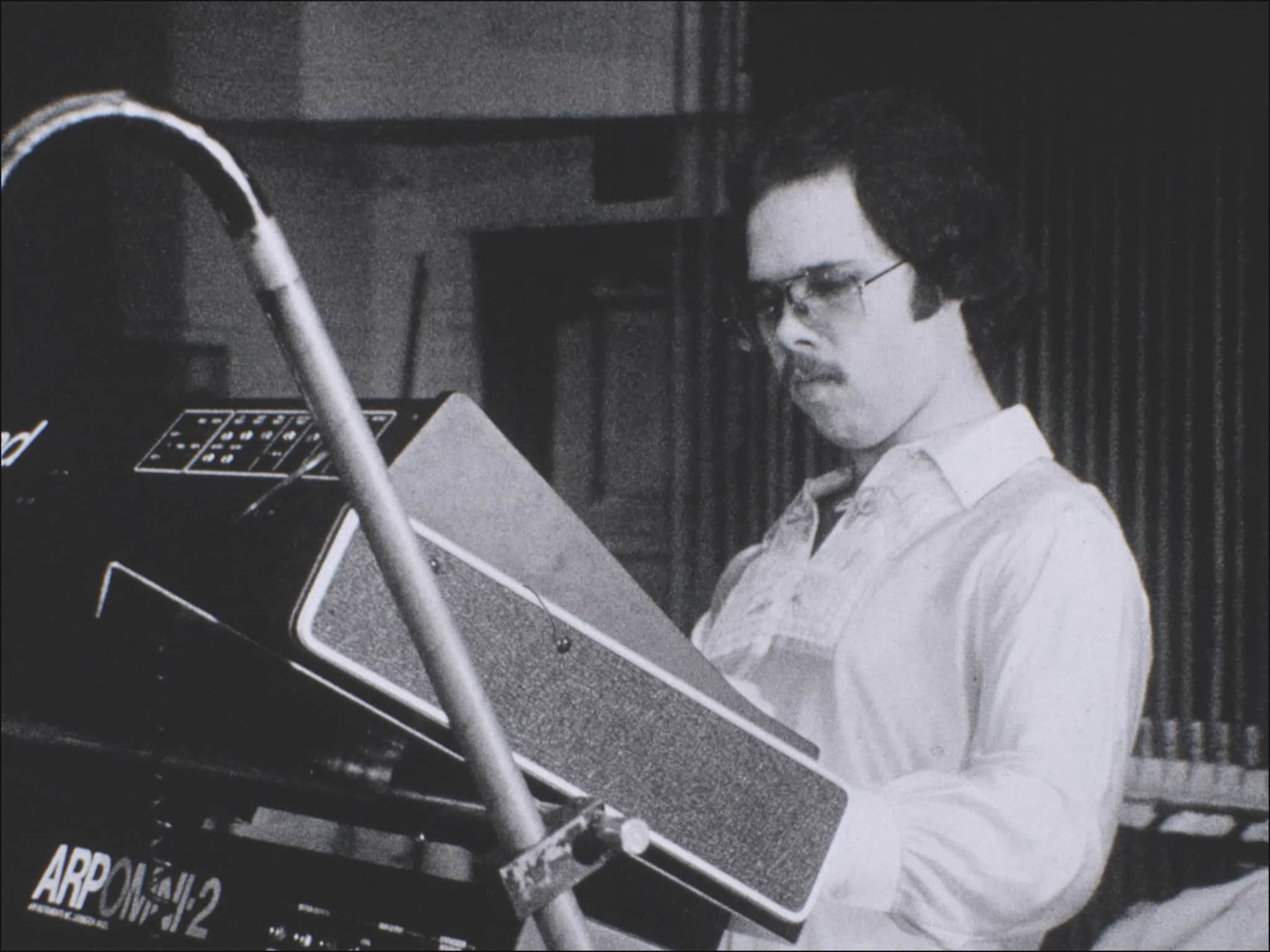
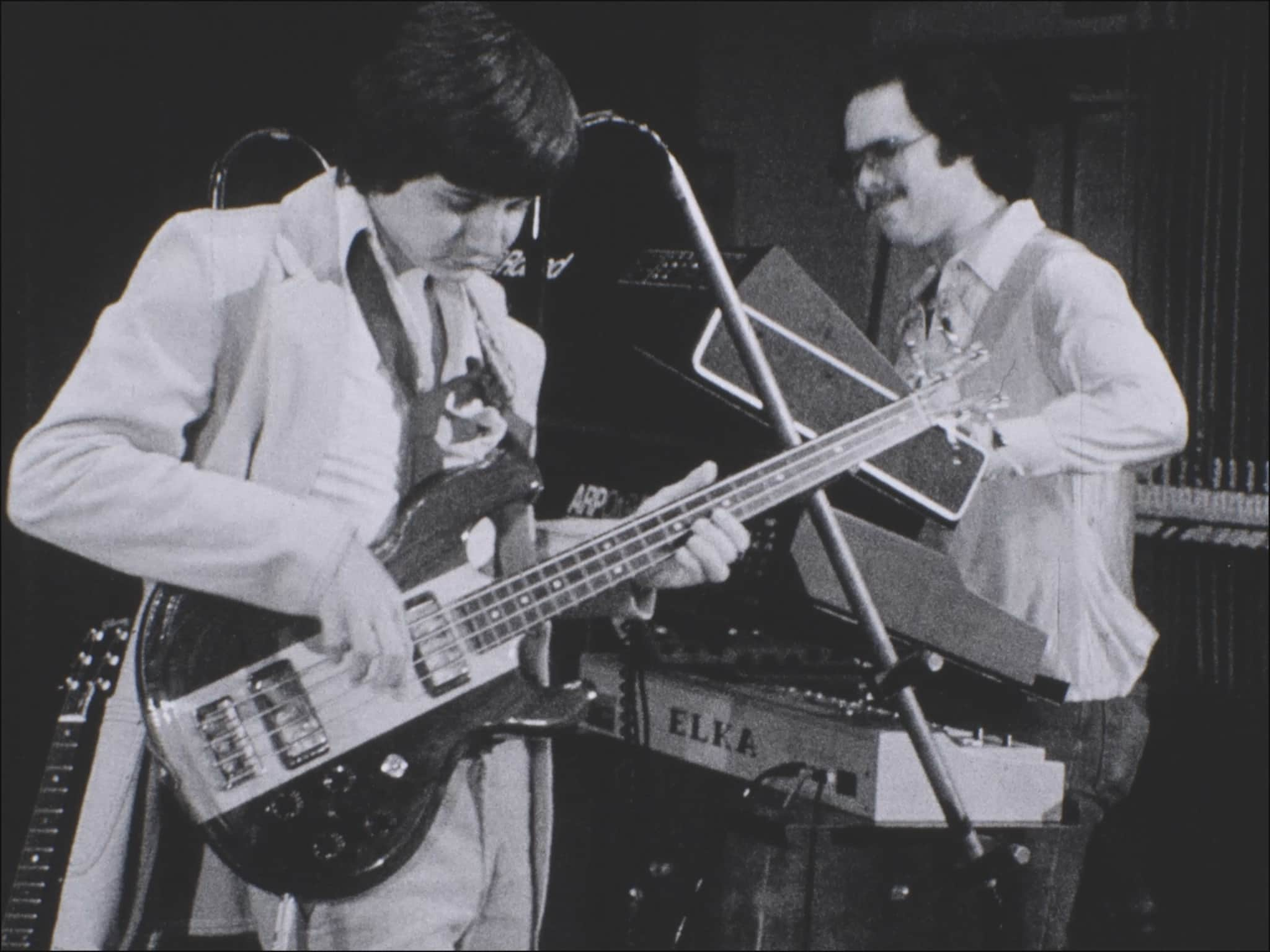
The important thing is, we had a framework: two keyboards, violin, bass and vocals. As long as they agreed to the general framework, we knew it would be fine. That configuration doesn’t sound that weird, but to this day, I’m not sure any other band has played with that formula.
Mark Krench and Mark Sterling were both connected with Wayne State, and composition became an important part of October. How much of what you were learning there found its way into rehearsals? I’d also love to know how you approached songwriting together.
Both were very important. Mark had chops. He was a great guitar player and keyboardist, and he knew quite a bit about technology in general. He eventually worked as keyboard tech for David Bowie and Eddie Jobson (Zappa and UK). And Mark Krench was a very serious composer and wrote out all our parts as scores. That made an impact. After he joined, we all started doing that.
With that many ‘alphas’ in a band, it could’ve been dangerous. But the decision was made that the person that brought in their composition was the band leader for that song. Everybody had a chance to run things, and that made it fun and interesting.
I was particularly interested to learn that October shared bills with Griot Galaxy, including a show at Wayne State University. Did you feel any connection between what they were doing in avant-garde jazz and what October was doing?
That was hilarious. The local public radio station, WDET, had taken us under their wing and would sponsor pretty big concerts. They would occasionally put us on the bill with Griot Galaxy because we were both so experimental. The Galaxy were seriously dedicated jazz players, so lord knows what they thought of us. We were just this bizarre mélange of rock, classical and fake jazz.
They were these very stern Black musicians that were influenced by Sun Ra and painted their faces silver. I remember going over to their dressing room just to say ‘hello,’ and when I opened the door, I was greeted with just a massive wall of pot smoke and these guys painted silver who just stared holes in me. They literally did not say a word, and didn’t seem particularly happy to see me. I never felt more intimidated in my entire life.
Looking back, we thought of ourselves as jazz-fusion players, but we weren’t really. We were coming from a more European art music place. Over the next few years, we became much better educated, but we were never formal jazz players, per se.
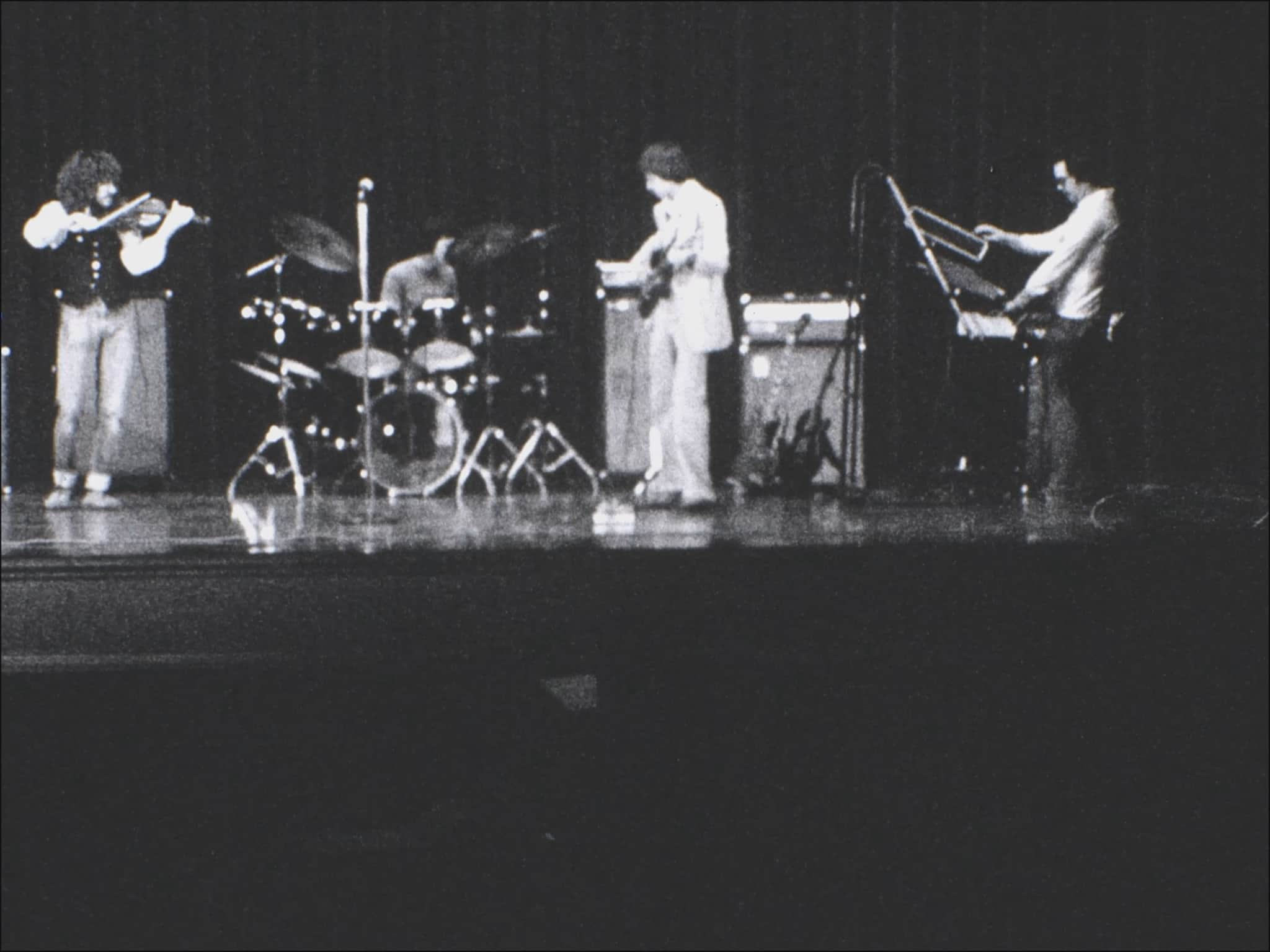
I’ve read that October became quite an intense live band. What were those performances like, especially when you began improvising?
Yes! We were very good live. I became very good at building our improvisations to create these dramatic climaxes. Nothing on the albums really reflects that. Maybe ‘Egyptian Lullaby.’ We were doing that thing that jam bands do these days.
I also became a much better violinist in a relatively short period of time. I was studying with a member of the Detroit Symphony Orchestra, and he really helped. I was practicing five, six hours a day and he really pushed me.
Jon Jarvis recorded the first album in his eight-track home studio in Dearborn, with everyone squeezed into different rooms and hallways and most of the basic tracks played live. What do you remember about those sessions?
It was pretty rough and ready, but still unbelievably exciting. Before that, we were just toiling away in a basement.
In retrospect, the setup was a little insane, but the atmosphere was great! Jon was super supportive and allowed us to really experiment. We were like kids in a candy shop. Nothing felt off-limits. But at the same time, we knew the material, so the basic tracks went quickly, and we rarely did more than two or three takes of anything.
We actually thought if it took you more than two or three takes it meant you weren’t a good musician. And we didn’t want Jon to get mad because we were dithering! I think he wouldn’t have minded, but we were very young and inexperienced.
Some of the recording ideas were quite unusual, with Mark Krench preparing the piano using clothespins and paper clips, and the band using water-filled crystal glasses to produce different sounds. How did you come up with all these ideas?
Yeah, that was the fun. We were always trying to see how weird we could get while remaining musical. Mark Sterling, who I’m still very good friends with, thought we were totally insane when he first met us, but very quickly got into the spirit of things. I mean, we had this gigantic synthesizer explosion in the middle of ‘Egyptian Lullaby’ for no good reason, other than we had this old broken Moog and that’s all it could really produce.
I really wish we would’ve had more time together. We were heading in some genuinely exciting directions.
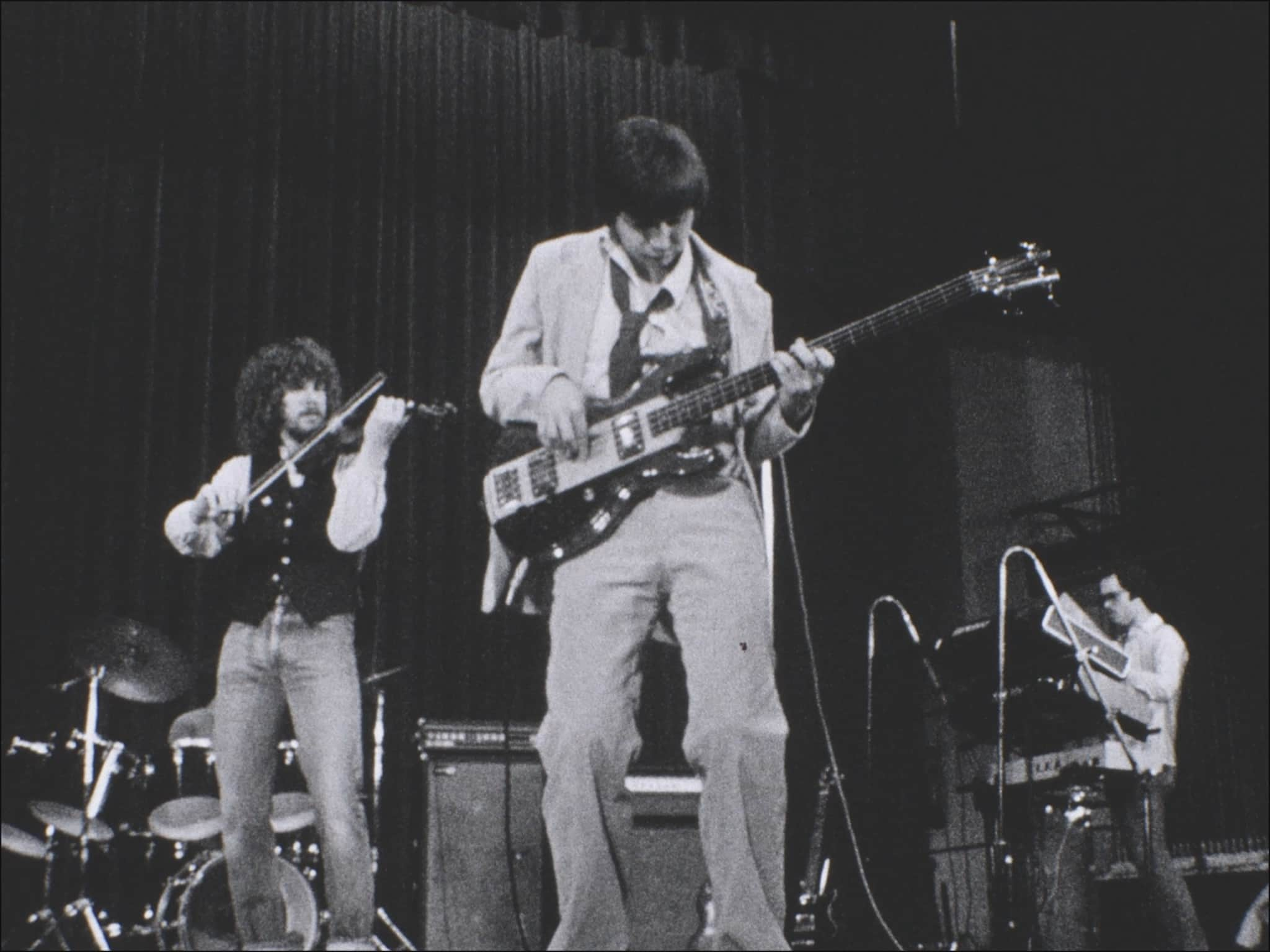
I’d love to ask about ‘Mainspring’. How did that piece come together? Did it grow out of improvisation, or was it something you had already written? And when somebody brought a composition into rehearsal, how much freedom did the others have to change it?
‘Mainspring’ was one of the first things I wrote for October. I wrote it because I had to! Where else was the music going to come from?
It was originally just a very sparse thing that Jeff and I put together. Jeff developed a very busy bass style because we didn’t have any other musicians to work with in the beginning. When keyboardist Dave Cowell started working with us, he helped harmonize all my single-note riffs. We built it from there.
As I mentioned earlier, the person who brought in the composition was in charge. If somebody else in the band had an idea they wanted to contribute, it was up to the composer to accept or reject it. It was all very civil for such young people. I can’t remember when there was ever a disagreement. It was us against the world.
I have to ask about ‘Corean Holiday’. The title makes me think of Chick Corea, although perhaps I’m completely wrong. Was he the inspiration?
Oh yeah! You’re right on the money. It was a huge tip of the hat to Chick, and certainly one of the most conventional things on the album. It was why we put it first… so we wouldn’t scare people away!
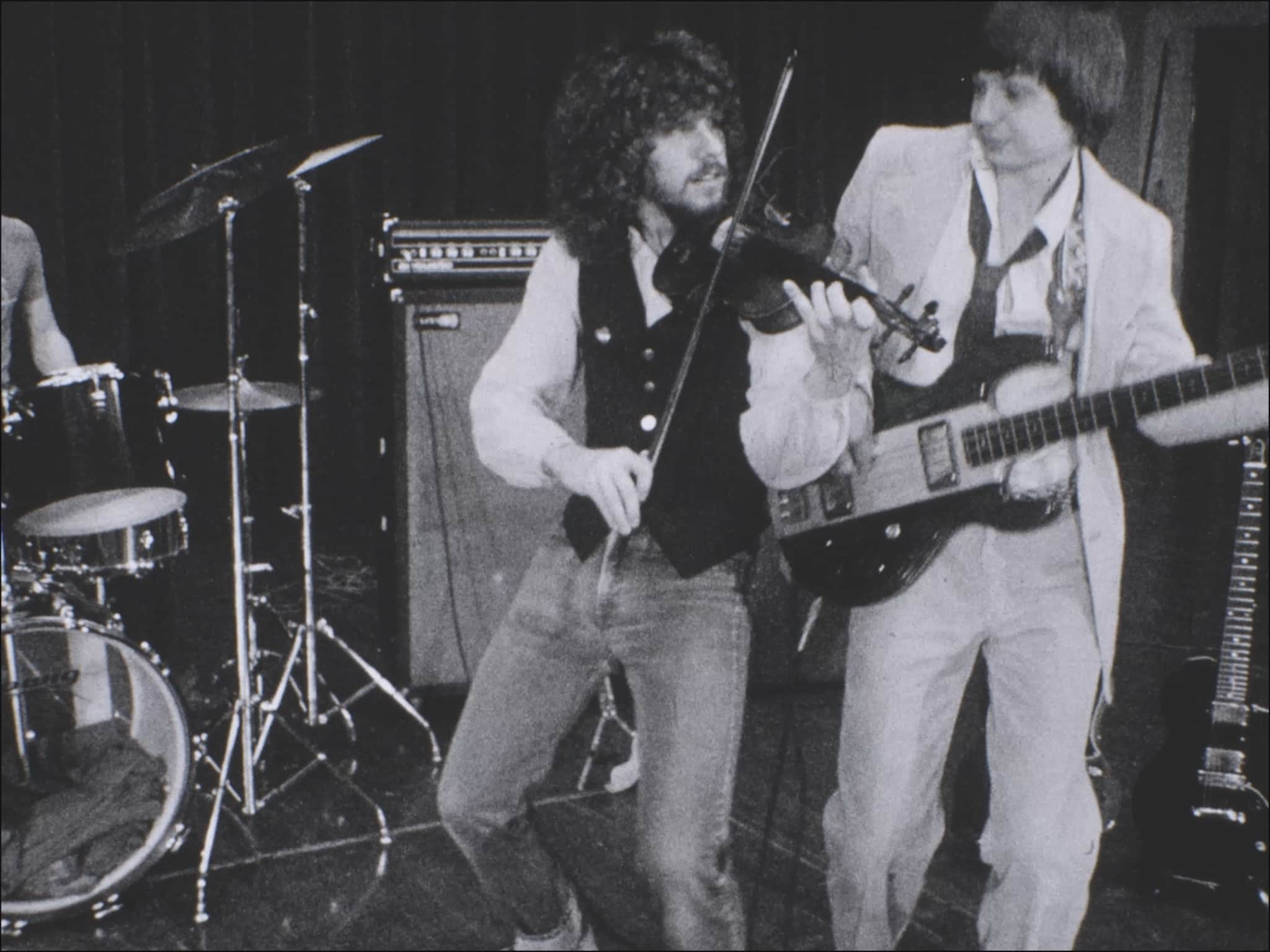
There are some wonderful titles on the first album, too: ‘Aquarium Ballroom’, ‘Ghosts’, ‘Nero’, ‘Beyond the Treeline’ and ‘Egyptian Lullaby’. How important was it for the titles to suggest something about the music?
Everything on that album was so important to us. It had to be great. We considered our competition to be King Crimson, Yes or Mahavishnu. We weren’t fucking around. Even the titles had to be evocative. And I think what we did was very unique. It would’ve been much better if we had given ourselves another year to mature, but it’s charming in its ambition and naivety.
That said, I’m not delusional. We weren’t in that league, and the album is very ‘rustic.’ We didn’t have the resources or the maturity of those bands. But in some ways, that’s what makes October so interesting. We were a progressive rock garage band! What Yes did, for example, was so slick and titanic. We could’ve gotten there, but we were sort of the Ramones meets King Crimson.
Roughly 500 copies of the first album were pressed. Do you remember who paid for the pressing and where all those copies went? Were you selling them at concerts, or did they find their way into record shops?
To be honest, I have no idea where they went or how we sold them! They just got out into the world somehow… they were unleashed! But around twenty or thirty years ago I started getting calls from people all around the world looking for copies. It was quite shocking.
People reached out to me, I think, because in the Nineties I started editing ‘Guitar World’ magazine and was quite visible. They could track me down. I was always delighted to talk with them, but I only had a few copies myself. It went on like that for years.
It still astonishes me, because even describing us as ‘underground’ is generous. The cult around the album just continued to grow, without any of us promoting it.
The fact that October music has survived, and people continue to find value in it, almost makes me very emotional. We worked so very hard on it, and to know it still has value is almost… overwhelming.
When Craig Furkas replaced Mark Krench, October seems to have changed quite a bit. ‘Through the Light of Reason’, in particular, sounds more carefully arranged than much of the earlier material. What was Craig like to work with? And if you had finished the second album yourselves, do you think it would have sounded very different from the ‘After the Fall’ that eventually appeared?
Yes, ‘After the Fall’ would have been much different. For one, it would’ve had a different name!
I don’t want to disparage the music on it because it has found an audience and I don’t want to diminish their enjoyment. The writing is interesting and we were going to very new places, which was the intention. However, I would’ve loved to finish it properly and put more polish on it had I known it was going to be released.
Regarding Craig Furkas, who passed away several years ago, he was an amazing composer. Very sophisticated. I think if we would’ve continued, the band probably would’ve moved completely away from pop music and become more in the vein of Philip Glass and started producing modern classical music. It’s an interesting thought.
‘After the Fall’ has a rather strange history. The sessions were abandoned before the album was finished, and Jon Jarvis later assembled a record from what had been recorded, including the long spontaneous piece ‘Charisma’. Apparently, the band didn’t even know it had been released. When did you first find out that copies were out there?
‘Charisma’, the extended jam, was just that… it was never intended to be released and, unfortunately, I’m out of tune in places.
I didn’t find out that it had been released for years! A total surprise. But, like I said, people enjoyed the music, and I wasn’t going to fuss.
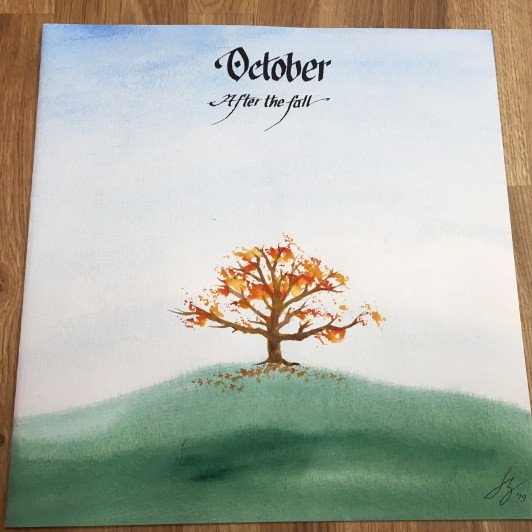
Could you take us through what happened after the first album? How did the sessions that became ‘After the Fall’ come about, and what was happening within the band by then?
After the first album was released, Jon kept bugging us to do some more recording. Then Mark Krench and our drummer Pat Carson left to become adults, and we had to find new musicians. Craig Furkas and drummer Tom Starr joined, and we began developing material to reflect their influences. Meanwhile, progressive and fusion music was really on the ropes. No one was interested and we were having problems finding gigs. But we had all this great new music.
It’s a bit hazy now, but at some point, we decided to just get some of it on tape, and started haphazardly recording some of it. I was always the de facto driving force, but my heart wasn’t really into it anymore. I wanted to create music that was going to be part of the larger cultural discussion, and October was becoming this very insular, intellectual pursuit. I didn’t really see an outlet for it. So I started shifting the band to a more modern version of prog… sort of like what King Crimson did on albums like ‘Discipline’. A sort of new wave version of prog. We recorded five songs that I thought were the best work we ever did! It was tight, had great choruses, but still retained an experimental edge like, say, The Talking Heads. We have videos of us performing all five songs, but it’s never been released.
I was very excited about that, and older, unfinished October material just languished in the vaults… or so I thought.
Towards the end, you, Jeff and Mark Sterling moved to New York and formed Picture Phones. I’d love to hear more about that band. What were you trying to do musically, and how different was it from October?
Furkas and Starr weren’t feeling the new direction and left. Me, Mark Sterling and Jeff Rozany decided to go super modern, formed the Picture Phones and headed to New York.
It’s interesting to note—if it isn’t apparent already—just how modern the Picture Phones were.
Our concept was, what would be something young people would want to have that they didn’t already own? My idea was: what about a phone that would allow you to see your friends and listen to music. This was a decade before the iPhone! Our stage show was great. We used a drum machine and put Mark and his synthesizers on a drum riser, and Jeff and I were upfront. It was cool. It was very Kraftwerk meets Duran Duran.
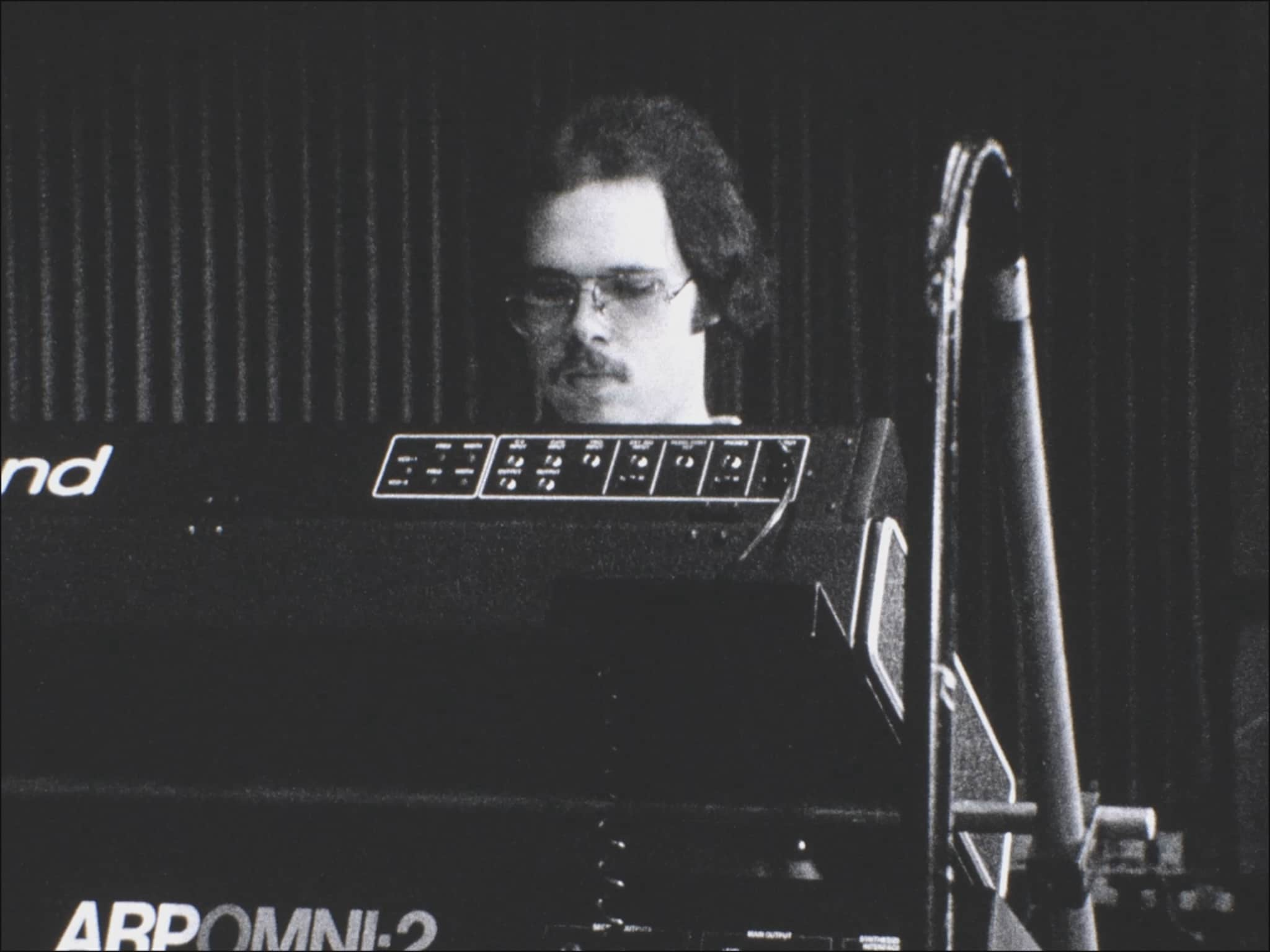
You all went on to do very different things afterwards, in journalism, writing, production, engineering, film music, orchestral work and teaching. When you look back now, is there something you learned in October that stayed with you? I’d also like to remember Pat Carson and Craig Furkas here. What did they bring to the band that people might not necessarily hear on the records?
October made us all pretty fearless. We all came from blue-collar backgrounds and it gave us the guts to pursue our dreams. We learned creative discipline and it led to having interesting lives. None of us are wealthy, but we all became self-sufficient artists. That’s pretty great, when you think of it. A real gift.
Yes, unfortunately Pat and Craig are no longer with us. But they didn’t die tragically… it was due to health issues, which happens. They were both super creative players and brought enormous amounts of imagination and energy to the band. My life was immeasurably enriched by both.
We were all just kids. But all the players in the band were visionary. Had the world tilted in a little different way, they would’ve all been celebrated.
PQR-Disques plusqueréel has now brought both albums back, so people can finally hear ‘October’ and ‘After the Fall’ without searching for expensive original copies. How involved have you been in the reissues? And when you listen to those old recordings now, do you ever wish you could go back and change anything?
Interesting question. The band did next to nothing to make this happen. It’s all been organic. I’ve been a little afraid to get involved, because I’m a bit controlling. I thought if I did, I’d start wanting to change things and clean it up. You know, ‘rewrite history.’ I think that would eliminate the charm of the music and how it was created.
Honestly, what would be interesting is to have the surviving musicians re-record everything with the talents and insight they have now, and completely reimagine the music. I would love that. Or maybe have a reunion. We all still play, and are arguably much stronger players. Wouldn’t that be fun!
Klemen Breznikar
Photo credits: All photographs courtesy of October and PQR-Disques plusqueréel.
PQR-Disques plusqueréel Official Website / Facebook / Bandcamp / YouTube