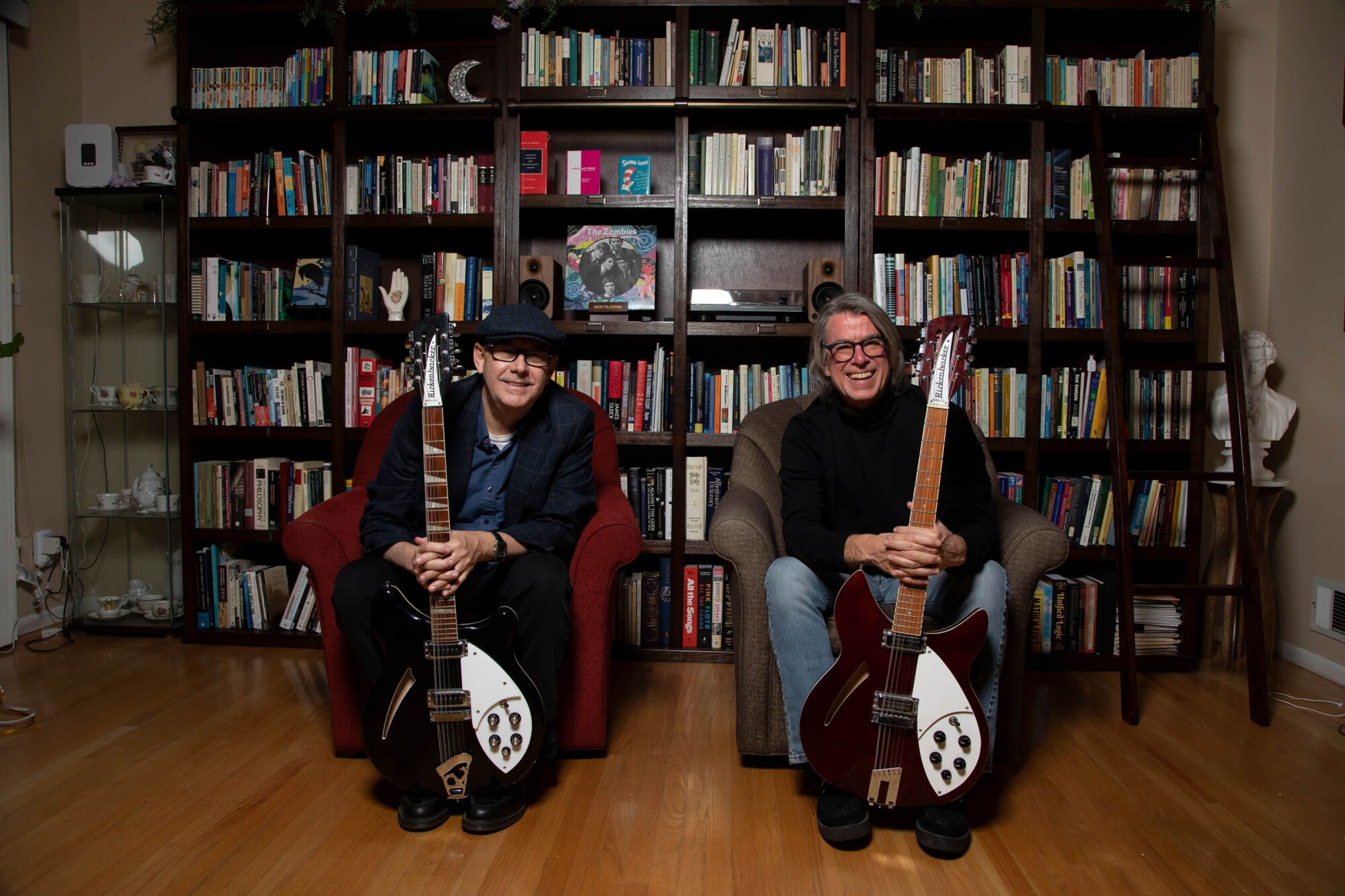

Alfie Agnew on D.I., the Adolescents and Professor and the Madman’s ‘Dreamworld’
Alfie Agnew talks about growing up in the Orange County punk scene, his years with D.I. and the Adolescents, his decision to pursue mathematics, and ‘Dreamworld’, the latest album by Professor and the Madman.
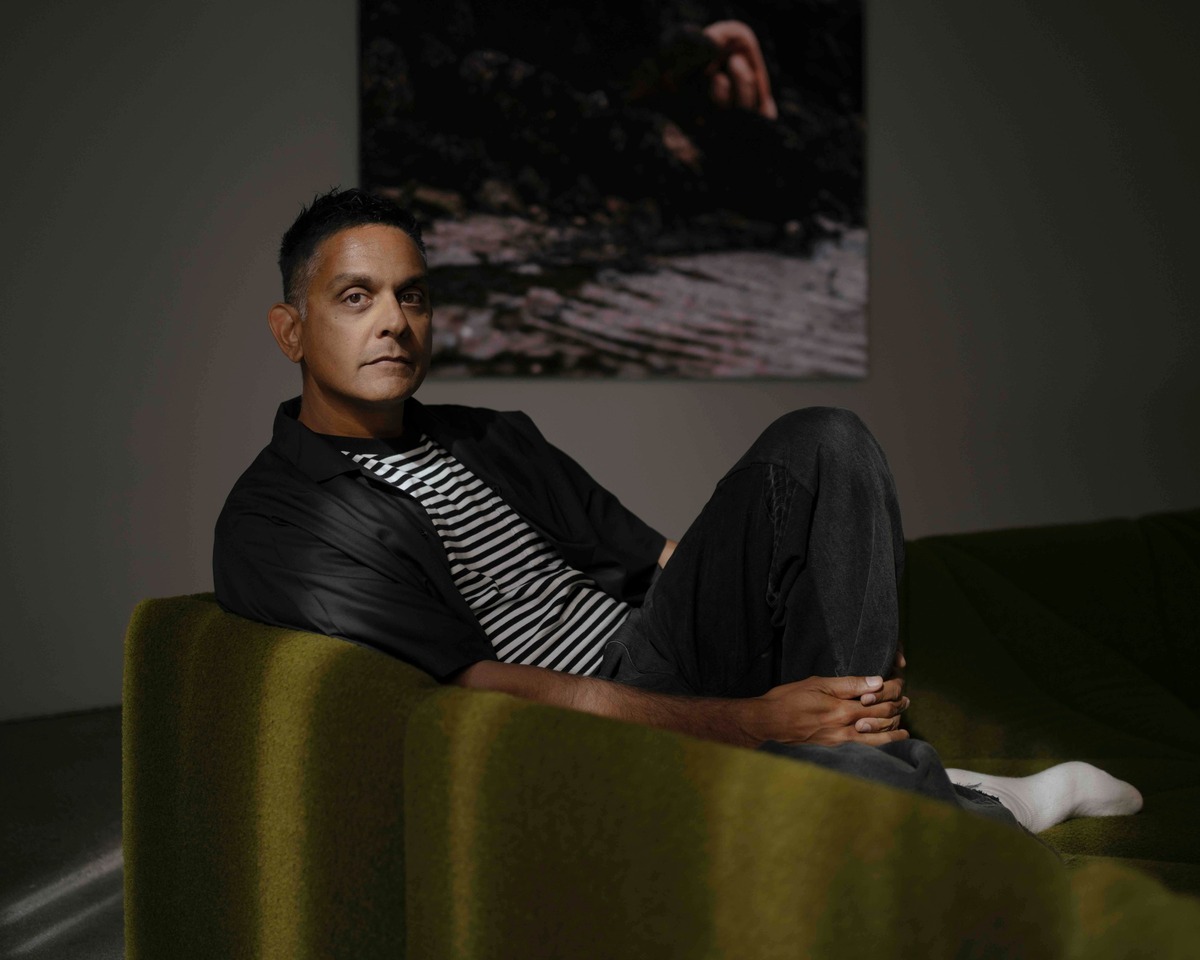
Alfie Agnew was only fourteen when he joined D.I., one of the best-known bands to emerge from the Southern California hardcore scene. His older brothers, Rikk and Frank Agnew, were already closely involved with the Adolescents, and music had been part of family life for as long as he could remember. By the mid-’80s, Alfie was recording and playing shows with D.I. while still attending high school. He appeared on ‘Horse Bites Dog Cries’ and later joined the reunited Adolescents for their second album, ‘Brats in Battalions’.
Despite his early success in music, Agnew decided to leave both bands and concentrate on studying mathematics and physics. He eventually became a mathematics professor at California State University, Fullerton, although he had always intended to return to music. During a D.I. tour in 1990, he met guitarist Sean Elliott, and the two began discussing the possibility of working together on something outside punk. It wasn’t until 2014 that they finally formed Professor and the Madman.
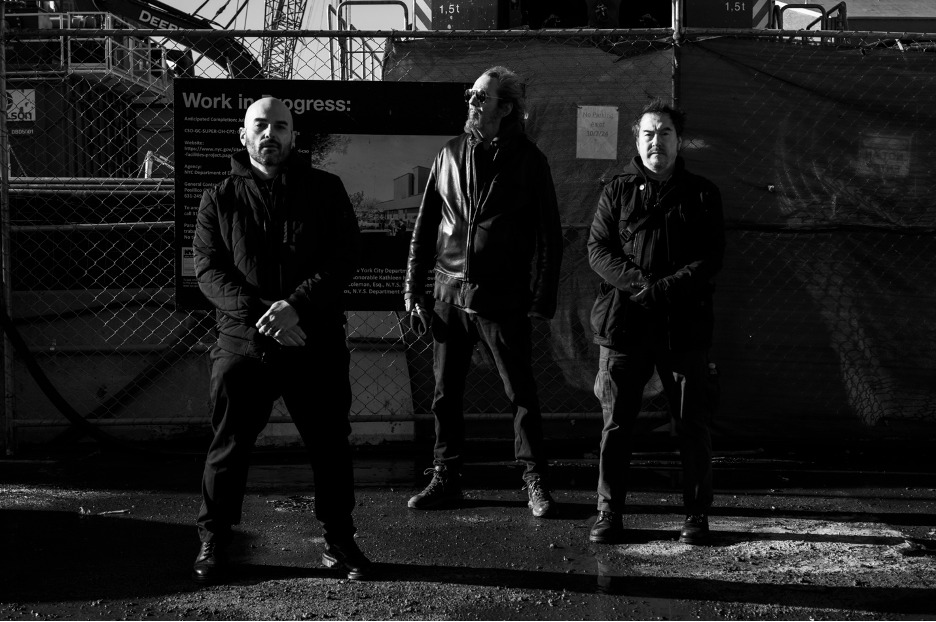
The band now also features Rat Scabies and Paul Gray of the Damned. Their fifth album, ‘Dreamworld’, released by FullerTone Records in August 2026, draws heavily on the music of the Beatles, the Beach Boys, Harry Nilsson and the Zombies. Part of the album was recorded at Abbey Road Studio 2, where all four musicians recorded together in the same room for the first time.
We spoke with Alfie about his early years, the records he made with D.I. and the Adolescents, his life in academia, and the music he’s making today.
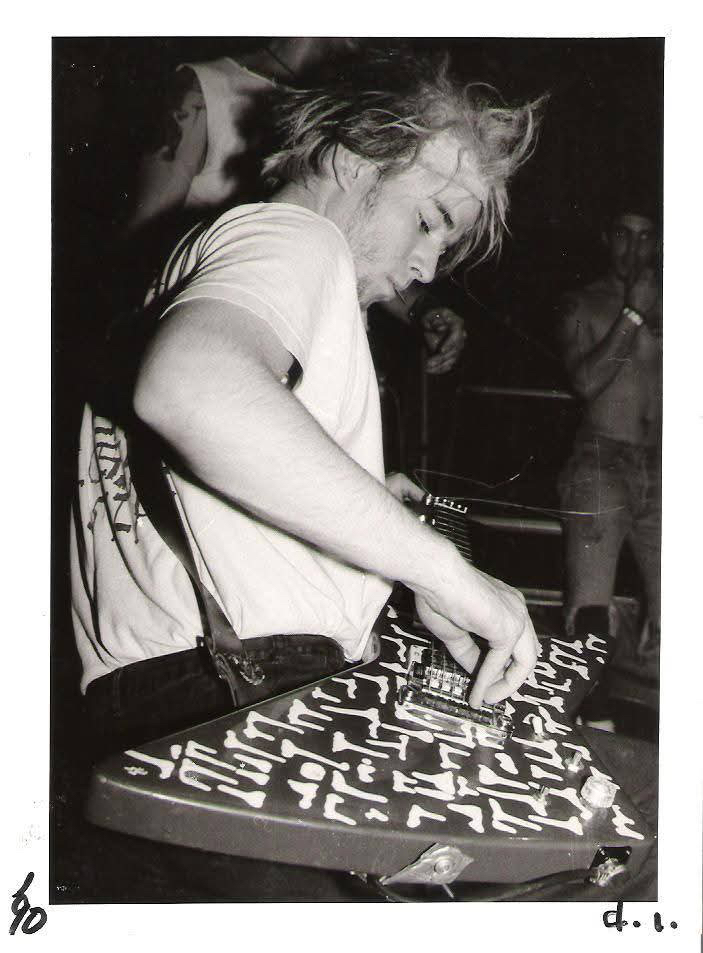
“It was tough, intense and dangerous, but also very exciting. Not everybody in our scene made it through.”
You started playing in bands when you were very young, with Rikk and Frank already heavily involved in music. What was it like growing up in the Agnew family, and how much did your brothers influence the way you approached music?
Alfie Agnew: I was taught instruments and was exposed to a large amount of music as far back as I can remember. It suited me. Playing instruments and composing came fairly naturally. It was a fantastic environment to grow up in, and I was fortunate to have supportive, inclusive older brothers. I really only found my own voice in my later teens, but the influence of my brothers is still there.
You were still a teenager when you joined D.I. What do you remember about entering that band so young and working with Casey Royer, Rikk, Bosco Calabro and John Knight?
In working class suburban Southern California, the 1980s was the first decade during which both parents really had to work to make ends meet. One consequence was that kids and teenagers went largely unsupervised. Being the youngest brother, and in the midst of the punk subculture, I grew up rather fast. It was tough, intense and dangerous, but also very exciting. Not everybody in our scene made it through. The two Johns and I were 8–10 years younger than Rikk and Casey, and we looked up to them. (I was the youngest at 14.) D.I. was taking off as a leader in the SoCal hardcore scene. It was amazing. There was a lot of rehearsals, gigs, toeing the line with high school, and a lot of partying during it all. A teenage fairytale.
The story behind ‘Ancient Artifacts’ is a little complicated, especially when compared with ‘Horse Bites Dog Cries’. Can you explain how those two records came together and who was writing the material at the time?
‘Ancient Artifacts’ is a bit of a complicated story. After Rikk and Casey left The Adolescents, they formed an embryonic version of D.I. that never really got off the ground, but they did record a strong set of songs, some written by Rikk during his time in the Adolescents (e.g., ‘OC Life,’ ‘Falling Out’), some by Casey and friends (e.g., ‘Purgatory,’ ‘Wounds from Within’). ‘Hang 10’ was a song from a band Rikk was in prior to the Adolescents (the Detours). ‘Ancient Artifacts’ was cobbled together from demos from this early time and released under the banner of the new D.I. (‘Horse Bites’ lineup) to have something to market while we hit the gig circuit, and until we could get ‘Horse Bites’ finished. ‘Horse Bites’ was the first official album recorded by the lineup of myself, Rikk, Casey, and the two Johns. ‘Little Land’ and ‘Stick to Your Guns’ were songs I wrote for a previous band (Almost 21) but with different lyrics. Casey put new lyrics to the music. The rest of the songs were written either by Rikk or Casey (with friends) and presented finished to the band.
The ‘Horse Bites’ lineup stayed together during the ’80s and was easily the high point of the franchise in my opinion. Rikk and Casey were in peak form, and the timing was perfect with the hardcore scene hitting its stride. Timing is everything, yet something a musician has little control over!
What was the Orange County punk scene like in those days? Were bands such as D.I., the Adolescents, Social Distortion and Agent Orange all part of the same circle of friends?
We were part of one community in that all those bands (add Agent Orange) originated from the same circle of North OC friends back in the late 1970s. As the personalities played out over time, like-minded individuals paired off (for example, Rikk and Casey, Mike Ness and Dennis Danell, Frank Agnew and Steve Soto). Everyone was still friendly enough, but there was some natural competitiveness as well. Mike and Social Distortion were tight with the top promoters, and got the best shows, so they were a yardstick to measure up against. OC is the ‘younger brother’ of LA, so there is always pride when any OC band hits it big, be it Social Distortion or the Offspring.
When the Adolescents reunited in 1986, you joined the band and played on ‘Brats in Battalions’. What do you remember most about that period?
The recording of the album was the most memorable bit. I was simultaneously in D.I., and taking more of a lead role with songwriting and lead guitar. In ‘Brats in Battalions,’ it was difficult keeping the lineup together. Rikk was struggling quite a bit with mental health and would leave recording sessions early (or not show up). As a result, I played all my parts and many of his on the record. I hated to see Rikk suffer, but at the same time, it was an opportunity for me to step up. There were some good gigs and road trips, but it was all over relatively quickly for me (under a year) when I left both bands to pursue university exclusively. It became unmanageable to study science while touring and recording with two bands!
‘Brats in Battalions’ has a different character from the first Adolescents album. How do you hear that record now, and is there anything about it you feel has been overlooked?
It definitely has a different character. Rikk and Tony were such a big part of the sound of the Adolescents during this period (and for the first album), and both were into a form of punk-metal. The title track of the album is a metal riff replete with double kick drums! I’m not sure it quite got the attention it deserved, but a lack of promotion and a rotating lineup will usually do that. Sadly, the production was poor and didn’t represent the music and performances to its fullest. But the songs were strong enough and could have led to something more.
You eventually stepped away from music to concentrate on mathematics and academia. At the time, did you think you were leaving bands behind for good?
I had been dreaming of a life in music since I was old enough to dream. Stepping away was incredibly difficult. At the same time, I loved studying mathematics and physics and knew it would provide a stable income. I didn’t see that happening with D.I. or the Adolescents. The people involved were too undisciplined to make it to the big time. I promised myself I would circle back to music once I became financially (and professionally) stable. And, of course, that’s exactly what happened! But I couldn’t know for sure that it would.
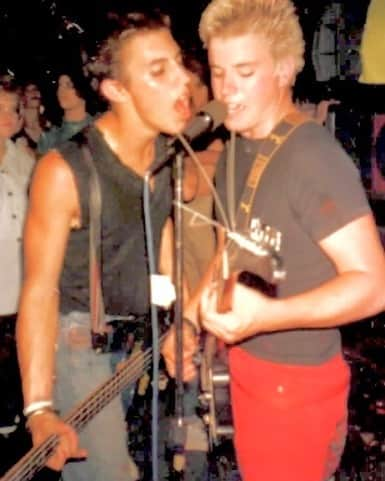
You met Sean Elliott when you rejoined D.I. for their 1990 tour. What was it about his playing that made you think you could make music together outside the band?
I was seriously writing and playing music outside of strict punk since about 1985. There were always side bands to D.I. and the Adolescents: The Younger Ones with the two Johns, The Tribe with brother Frank and John Knight, and As-Is with a former Almost 21 guitarist. The styles ranged from power pop to prog. It was a lot of fun and extremely creative, but there just wasn’t a market for that at the time. When I rejoined D.I. for their first world tour in 1990, I met Sean and we hit it off. He came from a more sophisticated musical background than most people I played with in the punk scene, so the potential to do something interesting was clear. With Sean I had a partner who was willing to play songs under 200 beats per minute while using some 7th or other ‘jazz’ chords to provide more complex harmony! But, alas, I was sucked back into university work before that ever got past the concept stage. D.I. was very popular at that time and it is hard for musicians to do something new and go against what is getting attention.
Years later, you returned to some of the music from your younger days. What was it like revisiting songs you had written or played as a teenager?
By the time I came back into the scene and started revisiting the old material, I had developed a fondness and pride for what we all had accomplished. I really couldn’t appreciate what was happening at the time (in the 1980s). Not many people get to relive cherished memories in this way. I love it.
When you and Sean finally started Professor and the Madman in 2014, did it feel like picking up an idea you had left unfinished many years earlier?
For sure. But we were both wiser and better musicians by this point. We also no longer had the pressure of trying to put food on the table, so we could really follow our artistic impulses 100%.
Rat Scabies and Paul Gray recorded their parts separately in England for ‘Disintegrate Me’ and ‘Séance’. What was it like finally recording together at Abbey Road?
We had played together for the 100 Club show in London (and attendant rehearsals), but yes, this was our first (and only) experience recording in the same room together. It was electric! For me, mainly because of where we were. Paul and Rat are extremely talented and professional, so it all went very smoothly, and they had demos of the songs to review prior to the session.
You recorded in Abbey Road Studio 2, a room with a lot of history for both you and Sean. Once you actually started working, did the studio itself affect the way you approached the songs?
Yes, it did. It was such an emotional and awe-inspiring experience to be at Abbey Road, that the quality of my performance felt like a matter of life or death. I have never played or sang harder in my life, and, fortunately, it went very, very well!
There’s a lot of ’60s pop running through ‘Dreamworld’, although the album goes in several different directions. What were you and Sean listening to while you were writing it?
Music from the ’60s is never far from my turntable, but the Beatles, the Beach Boys, Harry Nilsson, and the Zombies were probably most frequently being played during that time period. But the songwriting is always a lifelong amalgam of influences. We had just reached a critical mass of ’60s-themed songs over the last 10 years and so decided to devote a whole album to them.
‘Tolerant World’ was partly inspired by your experiences teaching younger generations. Has spending so much time with students changed the way you look at your own generation and the punk scene you grew up in?
Yes, certainly. I find that too many of my generation are becoming ‘old.’ They are becoming people they swore they never would be, and I find that incredibly disappointing. When I interact with the younger generations, I see a lot of positives and improvements over my generation, as it should be. Of course, there is a lot of immaturity that I don’t care for! But that is true of all young people. You have to allow for that and remember accurately the allowance others made for you when you were young and naive. On the flipside, my generation became very tough and resilient due to the circumstances we grew up in, and the younger generations could certainly benefit from some of that.
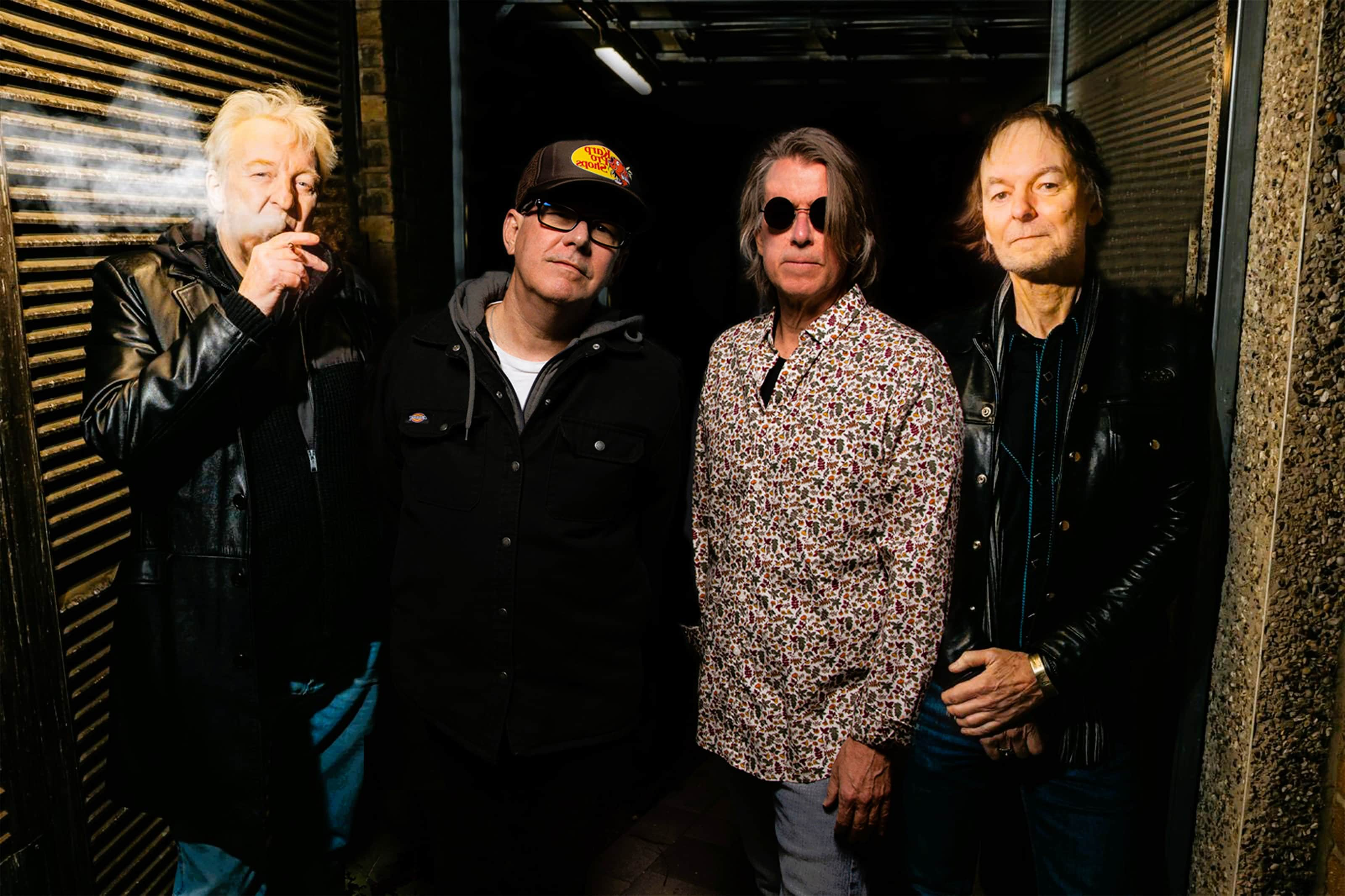
Looking back to the time when you and Sean first talked about making music together outside D.I., does ‘Dreamworld’ come close to the kind of record you imagined making then?
I would say that the third album, ‘Disintegrate Me,’ comes closest to what I imagined making with Sean back in 1990. Fortunately, I think we went beyond that with ‘Séance’ and ‘Dreamworld.’ I think Sean and Alfie as 21-year-olds would be happily blown away by those two albums!
Klemen Breznikar
Headline credit: John Gilhooley
Professor and the Madman Website / Facebook / Instagram / X / Bandcamp / YouTube