
“We Had to Put Swallow Away for Many Years”: Swallow on 4AD, ‘Blow’ and Finding Their Way Back
Louise Trehy and Mike Mason look back at Swallow, making ‘Blow’ for 4AD, reworking the album as ‘Blowback’, the years that followed and returning to the music more than three decades later.
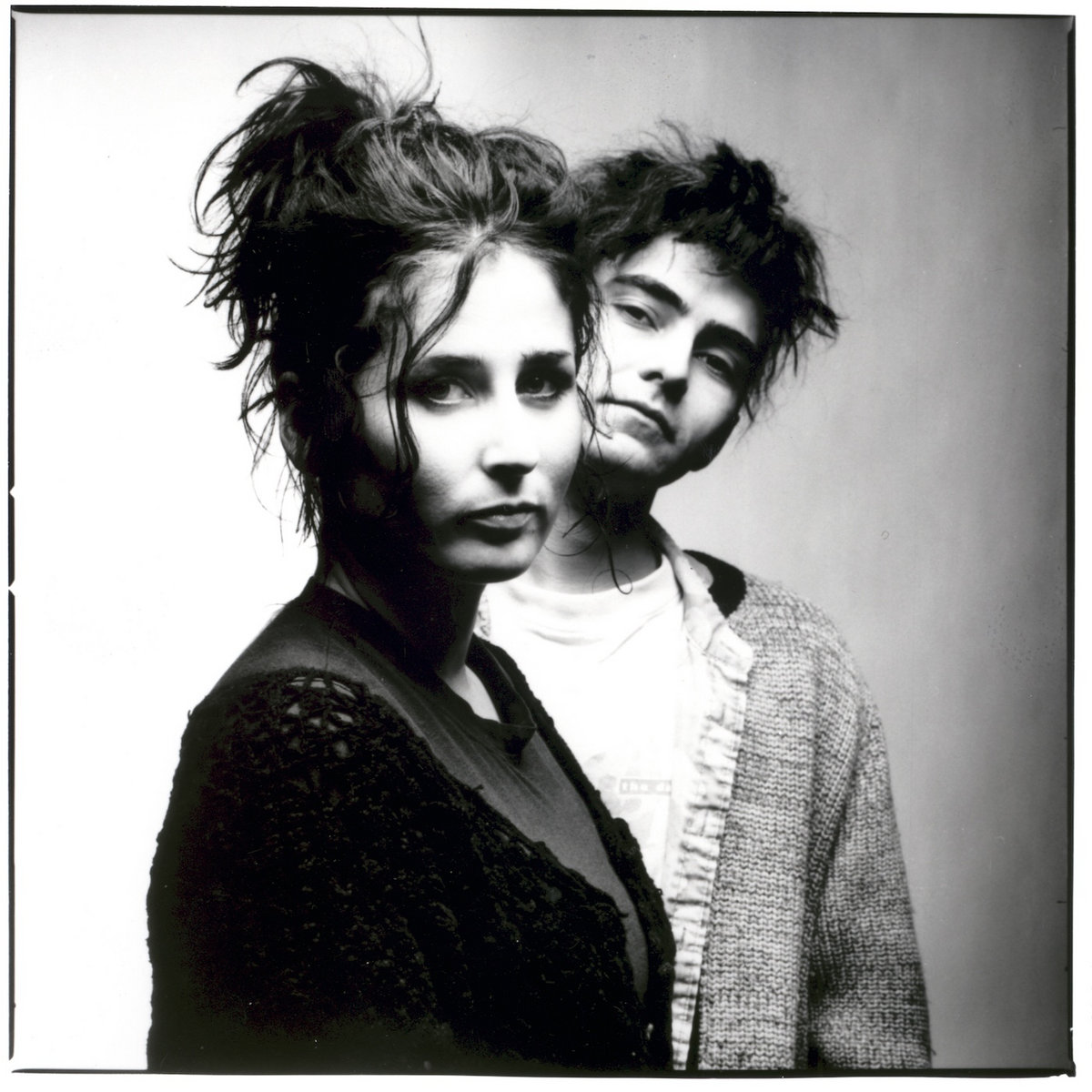
Swallow arrived at 4AD almost absurdly quickly. Louise Trehy and Mike Mason had only been making music together for a matter of months when Trehy sent Ivo Watts-Russell a four-song cassette recorded on a Tascam 4-track. He liked what he heard and asked them to make an album.
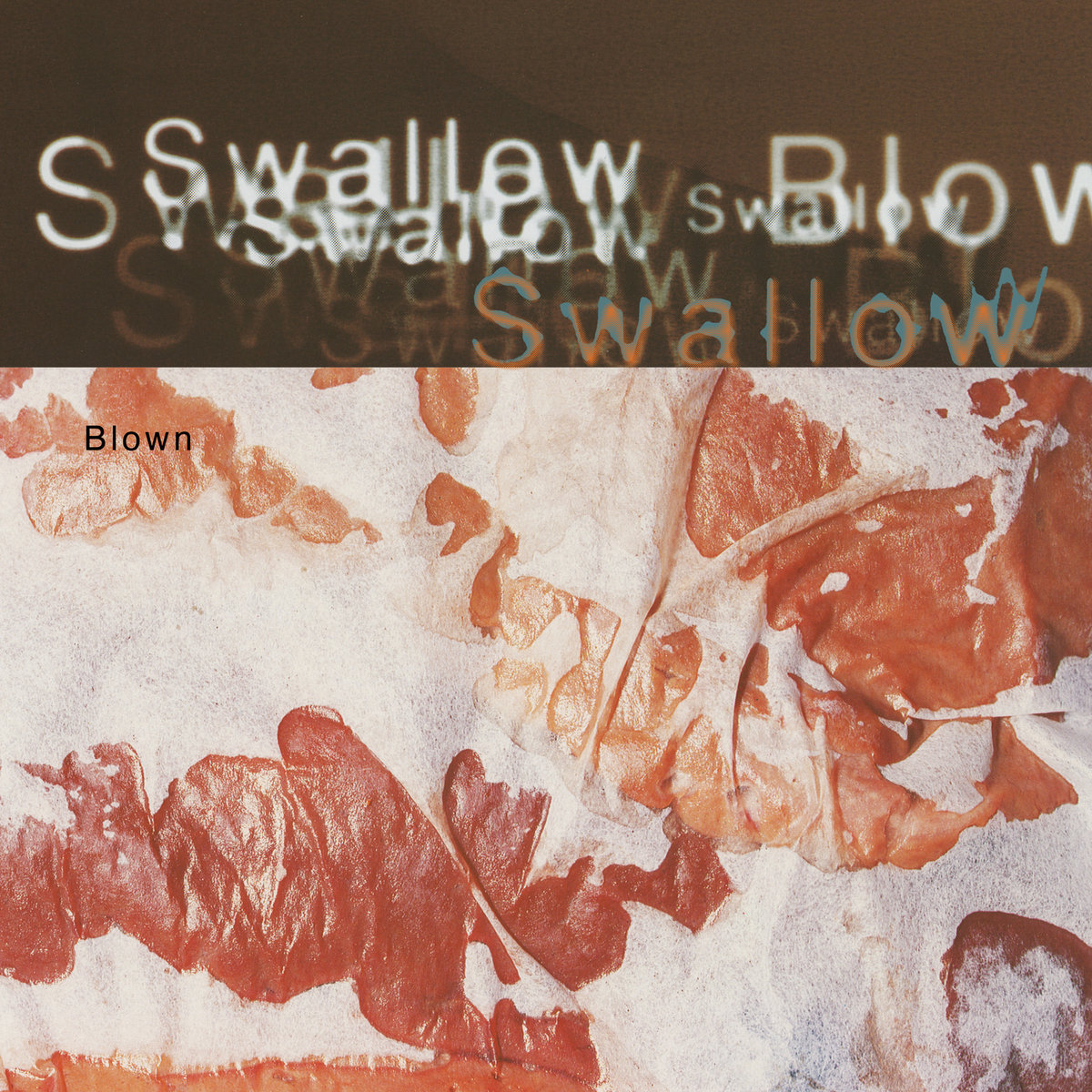
What followed was ‘Blow’, released in July 1992. John Fryer produced it at Palladium in Edinburgh and Blackwing in London, Vaughan Oliver designed the sleeve, and on paper Swallow appeared to fit naturally into the 4AD of the period. The reality was less straightforward. Trehy and Mason had come from home recordings that were rougher, quieter and sometimes chaotic, and both felt that something changed when those songs entered a professional studio.
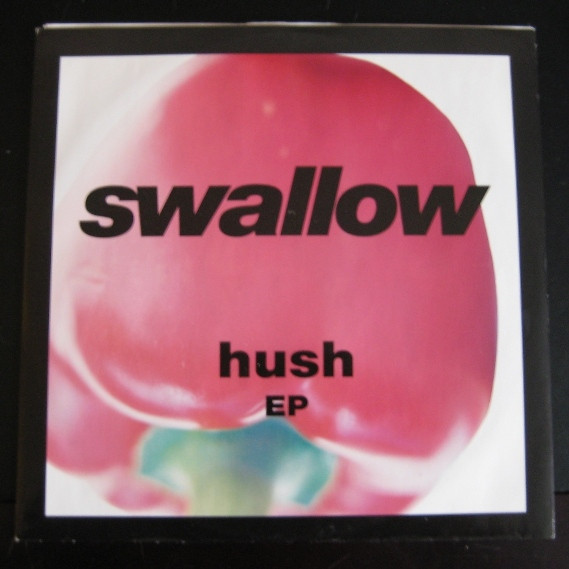
That unease led, in part, to ‘Blowback’, where they took the album apart again and pushed the material into more ambient and abstract territory. Swallow then left 4AD, toured with Mazzy Star, signed to Rough Trade and released the stripped-back ‘Hush’ EP before the band and Trehy and Mason’s relationship came to an end.
For a long time, Swallow was something they kept at a distance. Meanwhile, ‘Blow’ continued to find listeners, and two of its tracks later surfaced as samples in The Dust Brothers’ ‘One Too Many Mornings’.
The new ‘Blown’ collection puts ‘Blow’, ‘Blowback’ and the ‘Sleepers’ 12-inch together, but this is not simply a story about a record being reissued. Talking to Trehy and Mason now, what comes through most clearly is how differently they can finally hear the music they made when everything was moving very fast.
“The studio recording wasn’t the whole story.”
‘Blown’ brings ‘Blow’, ‘Blowback’ and the ‘Sleepers’ tracks together after more than thirty years. Hearing all of this material together now, does it feel like a reissue, or more like the complete version of Swallow’s 4AD story?
Mike Mason: We always had a complicated relationship with our records, so revisiting and remixing this material gave us some closure. Although it was difficult to restore them due to the age of the tapes and their degradation, we realised how strong these songs really were. It feels like this version of Swallow has a bit more body, and people can now see the 4AD work as a whole.
Louise Trehy: We only enhanced the sounds and pushed up some levels. It is nice to have it all together as one package, so it feels like a complete body of work. We have said that, afterwards, we thought ‘Blow’ was too polished, but if we had recorded it like our demos, it may have been too chaotic and lo-fi. We’ve listened to everything over the past few years and are hoping to release the demos but, I think, while some of the demos have a nicer feel, some were quite chaotic. We actually like that, but they’re probably too chaotic to release (so some did turn out better in the studio).
Before Swallow, you were both already involved in music in different ways. Louise, you had co-founded Setanta Records, while Mike was working around bands through video, lighting, projections and playing with Into Paradise. What was Camberwell like around then, and when did you realise the music you were making together might go somewhere?
Louise Trehy: We knew a lot of people in bands. Some Irish bands on Setanta had moved to Camberwell in London. They would turn up for breakfast and were constantly coming and going through the flat I shared with Keith Cullen, and there were other band members living in the area from bands like the House of Love and That Petrol Emotion who we’d meet in the local pub. Keith had let Sean O’Neill (Undertones/That Petrol Emotion) listen to our demo and he was very enthusiastic and particularly complimentary about the songwriting. I was in the studio with The Divine Comedy when he was producing their first record, so I really respected him, plus, I had grown up listening to the Undertones. That really was the first acknowledgement we could actually write something worth listening to and this gave me the confidence to send the demo to a few record companies.
Mike Mason: We were surrounded by a community of fellow musicians, all serious about what they were doing and many already involved with labels. We were out all the time seeing bands. All of our friends were creatives around Brixton, Camberwell and New Cross, so working on creative ideas was simply what we did. It was a busy time. We were cycle couriers, making videos, doing lighting, making music in London and touring. We were all trying to forge career paths in any way we could, and it was that energy that went into our writing together.
The first Swallow songs came together quickly on a Tascam 4-track, then Louise sent the tape to Ivo Watts-Russell. What do you remember about those first recordings? Did Swallow already have a clear identity, or were you simply finding it as you went?
Mike Mason: Louise suggested I write music for her, so initially, I threw down musical ideas and passed her a cassette of mixdowns, and she experimented with those. From there, Louise would pick the tunes and we would re-record them. We weren’t together at first, but our relationship grew through making the music. We were discovering our sound as we went. I’m pretty sure I had to borrow equipment, as I wasn’t even really a guitarist, but I knew it was going to be guitar-based. Life would have been hectic. There was a lot going on, and I would have been working with a few bands around that time. The music and us together was Swallow. That’s what it meant.
Louise Trehy: I think the first couple of attempts were a bit clumsy but after ‘Tastes Like Honey’ and ‘Blow’, we thought we were getting somewhere. I think we definitely liked the combination of noise and soft vocals. Not as many bands as you think were doing this at the time. Songs were just forming quickly and I liked the fact that we had variety, slow, fast, indie sounding, but all sounded coherent.
Ivo signed you after hearing only a few early songs and soon asked if you could make an album. How ready were you? Did working that quickly help the songs, or did it mean you went into the studio before everything was fully formed?
Louise Trehy: I was hesitant. I didn’t think we were ready, as the songs weren’t finished and we were still finding our sound. I felt I was always trying to catch up. This was my first band. I’d been writing songs for 4 months and only played 4 gigs, and I hadn’t really any studio experience. I had performance anxiety, definitely. Most of the songs had only been recorded in one or two versions, and I wanted to work with them more and play around with the structures. But now, I can’t imagine them any different.
Mike Mason: It wasn’t terrifying at all, it was exciting. I think we probably lied about how many songs we had. I was a musician, so creating was second nature. We must have written very quickly after that meeting. By the time we went into the studio, we probably had ninety percent of the material written, and some of it came together on the spot. It’s a rule to always make something up on the spot. Improvisation was natural for me from my art school days. The speed of the writing probably gave the songs their energy. We would only have had two versions of each song before taking them into the studio. We didn’t overwork them. We just took the elements apart and layered them up, bit by bit.
The press often put Swallow alongside Cocteau Twins, My Bloody Valentine, Lush and Slowdive, but your own influences were much wider. What do you think people missed when they heard you simply as another 4AD shoegaze or dream-pop band?
Mike Mason: You only see it as a scene after the event. I didn’t really know My Bloody Valentine, Louise did. We were all influenced by the same music growing up, so it’s inevitable that some of those earlier influences can be heard in our music and across other bands. Lush, I knew Miki before Lush. She seemed to be at every gig I went to; did she do a fanzine or something? I didn’t really know their music, but they were around and very popular. Slowdive and Spiritualized were contemporaries, and I was working with them; they were doing those huge walls of sound. Cocteau Twins were a massive influence on musicians. When John Peel played one of their albums in full on the radio, we knew they were something special. I was taken to see them in their early days by an old girlfriend, and it was quite an experience and very unique. We were also listening to Kate Bush and Fleetwood Mac at the time. Those records were often playing in our house while we were making ‘Blow’.
If Swallow had continued, I think we’d have gone deeper into experimental pop territory. When I say pop, I mean “songs”. We’ve always loved both experimental music and pop music, and I think that blend would have become even stronger.
Louise Trehy: I think, probably, all those bands would have had some of those reference points as well. We were huge Beatles fans and I loved albums like Fleetwood Mac’s ‘Rumours’, so I think what you get with Swallow is pop songs mixed with noise and our use of MIDI effects to cover up our inexperience as performers. It wasn’t conscious; it was what came out of both of us. We never planned what kind of music we’d make. I am a big Cocteau Twins fan, though I think it is pointless trying to emulate them as nobody can.
‘Blow’ was recorded with John Fryer at Palladium in Edinburgh and Blackwing in London. It came out much bigger and more polished than the demos. Looking back, what caused that difference?
Mike Mason: Being on a label like 4AD, we wanted to fit into their world and were thrilled when Ivo asked us to make a record. For me, getting to 4AD was a pinnacle. I had grown up listening to their artists, so suddenly being part of that world was amazing. In the studio, we knew it would be more polished than the four-track demos. Lo-fi wasn’t really a thing back then, unless you were Faust. We spent a lot of time getting every part down properly. We layered everything up carefully and even added bass guitar to songs that hadn’t originally had any.
John Fryer’s approach was probably influenced by the way he’d made other 4AD records, and the studio equipment shaped the sound, too. We weren’t unhappy with the sound, but it had lost some of the visceral intimacy we wanted. It left less room for intimate vocals. We struggled with that, but I think the songs still stood up in the end. It was very much of its time, although surprisingly it sounds quite contemporary now.
What do you remember most clearly about writing ‘Blow’?
Louise Trehy: It was very spontaneous. We would have a fraction of an idea and work on it over one or two evenings, I mean, just a couple of hours, really, and then record it the next day and that was it; done!
Mike Mason: We wrote the material in turns down in the basement of our place in Camberwell. Life was always a struggle, I think. The songs were really about us. We wrote quickly, and there are loads of cassettes full of tunes. At the same time, we had our day-to-day lives going on as well, and we’d scratch away at songs in the evenings. I think we drank quite a lot back then, and I don’t think there were many mornings without hangovers, at least for me. But that was part of our process, listening to music, going to gigs, spending time in pubs, and working on songs. That was pretty much our life at the time.
And how do you see ‘Blowback’ in relation to ‘Blow’?
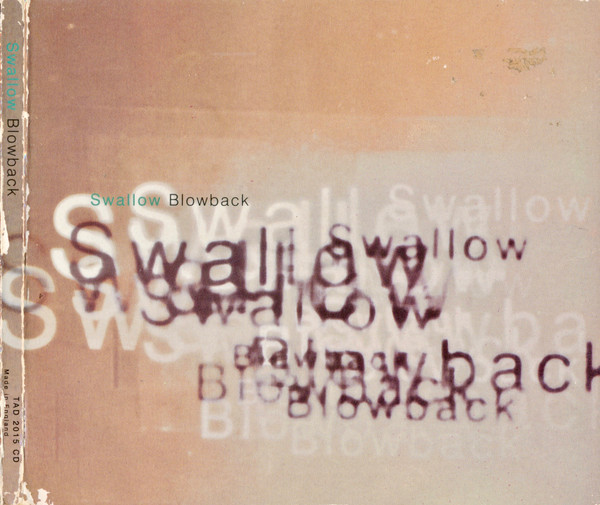
Mike Mason: ‘Blowback’ was interesting. At Blackwing, we would pass the 24-track tape and make lots of ambient mixes onto DAT tapes. Then we’d recompile the DAT recordings back onto a 24-track machine and build something new or interweave them. We had asked Ivo if we could rework ‘Blow’ and make it more upfront, but he loved the album as it was. Instead, he suggested playing with the tapes. So, we got some studio time, but because so much of the original studio-affected sound was already printed onto tape, with no dry guitars etc., we couldn’t change very much. So, we experimented with ambient dub mixes and more abstract ideas. Ivo liked what we did, so we released it as ‘Blowback’. It was intended as a limited edition release, but some people actually preferred listening to ‘Blowback’ over the original ‘Blow’.
Louise, you have said you wanted a closer, more intimate vocal sound, closer to the demos. When you hear ‘Blow’ now, do you still hear that uncertainty, or can you hear qualities in those vocals that were harder to recognise at the time?
Louise Trehy: I wanted a closer, intimate sound that I felt we had on the demos. I didn’t know then how to articulate that, or how to achieve it. The process was difficult for me; I couldn’t produce what I wanted to. I had sung through effects at home, and this is not the same as adding them later, which is what happened in the studio. I understand why it was done like that, but maybe my way at home gave me more confidence and I was anxious about the nuance. All in all, I think I came pretty close in the end, after re-recording them.
Mike, you have described the early live shows as pretty chaotic, with drum tracks on cassette and a lot of noise. What was Swallow like onstage before you became more settled as a live band?
Mike Mason: Swallow didn’t really start as a live band. We were more of a basement-bedroom project. I suppose I am chaotic and drawn to danger as a musician. We had to play live and figure it out as there were only two of us, so that meant a lot of shambolic experiments. It only really came together live when we toured with Mazzy Star. By that final London show, we had found our footing and we had other musicians involved, mainly from Curve. Early on, though, it was hilarious. I’m sorry to have put Louise through that. Pushing through the chaos, you eventually find a way. And a little chaos is good.
‘Blowback’ was more than a straightforward remix record. When Ivo suggested working with the existing tapes rather than rerecording the album, did that feel like a compromise, or did it give you room to explore a side of Swallow that had been missing from ‘Blow’?
Louise Trehy: It was an experiment, but we liked experimenting. It was just different.
Mike Mason: ‘Blowback’ wasn’t what Swallow was originally intended to be. We were focused on making good pop tunes. It wasn’t an argument with the album; it was a way to create something interesting after we realised there wasn’t much we could actually change. We always wanted both interesting and catchy music. ‘Blowback’ was that experimental side of us. If we had continued, we’d have aimed for that blend, like Kate Bush or David Bowie, who fused pop with experimentation, or CAN, who combined tunes and noise. We might have leaned more in that direction, had time gone on.
The ‘Sleepers’ 12-inch includes ‘Blow’ and ‘Lovesleep (Vocal Version)’. ‘Blow’ had been left unfinished, and the original tape was damaged. What was it like going back to it after all those years?
Louise Trehy: We wondered why we hadn’t released it. It sounded fine!
Mike Mason: ‘Blow’ was always a favourite track of mine. It existed on cassette tape in two versions, and I always had big hopes for it, hence the album title. The version we did in Scotland for the album never really worked because we couldn’t get the sound. The whole thing depended on the atmosphere of the guitar, and we couldn’t capture it in the studio. Guitar parts were sampled and arranged, but it felt unemotional and couldn’t really be used. We abandoned it because it would have needed new recording sessions to make it work, and there wasn’t enough time or even space for it on a vinyl record, anyway.
Going back to the original tape years later, I was able to replay some of the guitars and reconstruct all of the drums, changing the arrangement as well. The finished version became a compromise between the Palladium studio version and what I had imagined it could be. The only other thing I really wanted was for the outro to go on for about ten minutes. :-))
After 4AD came the Mazzy Star tour, Geoff Travis, Rough Trade and the ‘Hush’ EP, then the band ended. Looking back, what actually brought Swallow to a stop?
Louise Trehy: Dance and grunge were happening at the same time and bands like us were out of favour with the music press, so timing, certainly. Mainly, we had lost confidence in ourselves as a band. We didn’t talk about these things at the time, people didn’t talk openly about mental health, and we were both suffering silently, too. This had an impact on our relationship, of course; we didn’t support each other the way we should have and this interfered with our songwriting. We were drifting, musically and emotionally. It was painful, sad and miserable, and it seemed the only way to stop this was to separate from each other. It was actually a relief when it was over for me; I felt I could move on and do something else.
Mike Mason: Swallow ended partly because my own insecurities began to surface. Leaving 4AD was difficult and, when you’ve got somewhere you always wanted to be and then it all disappears, that’s hard. I started getting panic attacks and a degree of agoraphobia. We started working with Rough Trade, and Geoff bought us a small sixteen-track recorder so we could work at home. Rough Trade were struggling financially, I think, and at some point, went bust while we were trying to make a second album. The whole world seemed to be falling apart around us.
Looking back, I think we should probably have found a producer and gone into a proper studio rather than trying to make the next record entirely ourselves. These days, I produce records, but at that stage, I wasn’t quite ready. Personal pressures, a lack of faith in myself, and my own self-criticism about things not being good enough all contributed to the collapse of our relationship. It all arrived at the same moment, and we never recovered from that.
“Maybe there is more life in Swallow yet.”
After Swallow ended, the Dust Brothers sampled ‘Peekaboo’ and ‘Follow Me Down’ for ‘One Too Many Mornings’, then the records slowly found new listeners. Now ‘Blown’ has brought the whole story back into view. Has your relationship with Swallow changed with that distance?
Mike Mason: Yes, The Dust Brothers sampled our music on the ‘Fourteenth Century Sky’ EP, then they renamed themselves The Chemical Brothers and put “One Too Many Mornings” on their first album. I did realise they were quite a big thing at the time.
We had to put Swallow away for many years because of the hurt. I always knew the songs were good, and now, that era seems to be of interest to people again. It has been good to revisit and rework the material. I’ve enjoyed coming back to it. In a way, it feels as though it fits these times again. Maybe there is more life in Swallow yet.
Louise Trehy: I think I let one bad experience in the studio dominate my relationship with ‘Blow’ for far too long. The studio recording wasn’t the whole story. By going through the demos and studio tracks to remix for this release, I have made my peace with it, finally.
What are you both doing now, and where does music fit into your lives these days?
Louise Trehy: I work full time and am really trying not to spend my evenings binge watching TV series like ‘Ted Lasso’ and ‘Drops of God’. I watch a lot of world cinema, films where nothing really happens except a woman walks a goat up a mountain and this is about the meaning of life; I love a bit of existentialism. I am trying to do more reading. I’ve just finished ‘Crooked Plow’, a novel by Brazilian author Itamar Vieira Junior, and I loved how I was so absorbed in it, so I’ve just joined a book club. I go to a lot of art exhibitions and I love making things and filming them, but this is time-consuming, and I am guilty of wasting time when I have it. I am in the middle of some songwriting and I should be concentrating on that but then I get distracted by watching scoops stationery orders on Instagram. Apparently, I am a cultural omnivore.
Mike Mason: Music has occupied my life ever since those days. I write and produce with people and I’ve had many different projects over the years. I’ve also had my fair share of therapy, as I seem to have a jinx and a trickster that liked to destroy projects and things. But I’m fixing that. I’ve built and worked out of three different studios and collaborated with a huge range of artists, from pop musicians to more experimental performers. The last ten years have been difficult, both personally and professionally, and I feel as though I’m about to start afresh now with new performances and recordings. We have turned this new leaf over… Life is changing and me and Louise are still good friends.
Klemen Breznikar
Headline credit: Matt Anker
Swallow Facebook / Instagram
4AD Website / Facebook / Instagram / X / YouTube / Bandcamp