
Matthew Stevens on His Self-Titled Album: “This Is What I’m Choosing Now”
Matthew Stevens has spent much of his career inside other people’s music.
He has played, toured and recorded with Esperanza Spalding, Chief Xian aTunde Adjuah, Harvey Mason, Walter Smith III and Terri Lyne Carrington, and his production work includes ‘I Am a Pilgrim – Doc Watson at 100’, a centennial tribute that brought together Dolly Parton, Rosanne Cash, Valerie June, Steve Earle, Bill Frisell, Jerry Douglas and others.
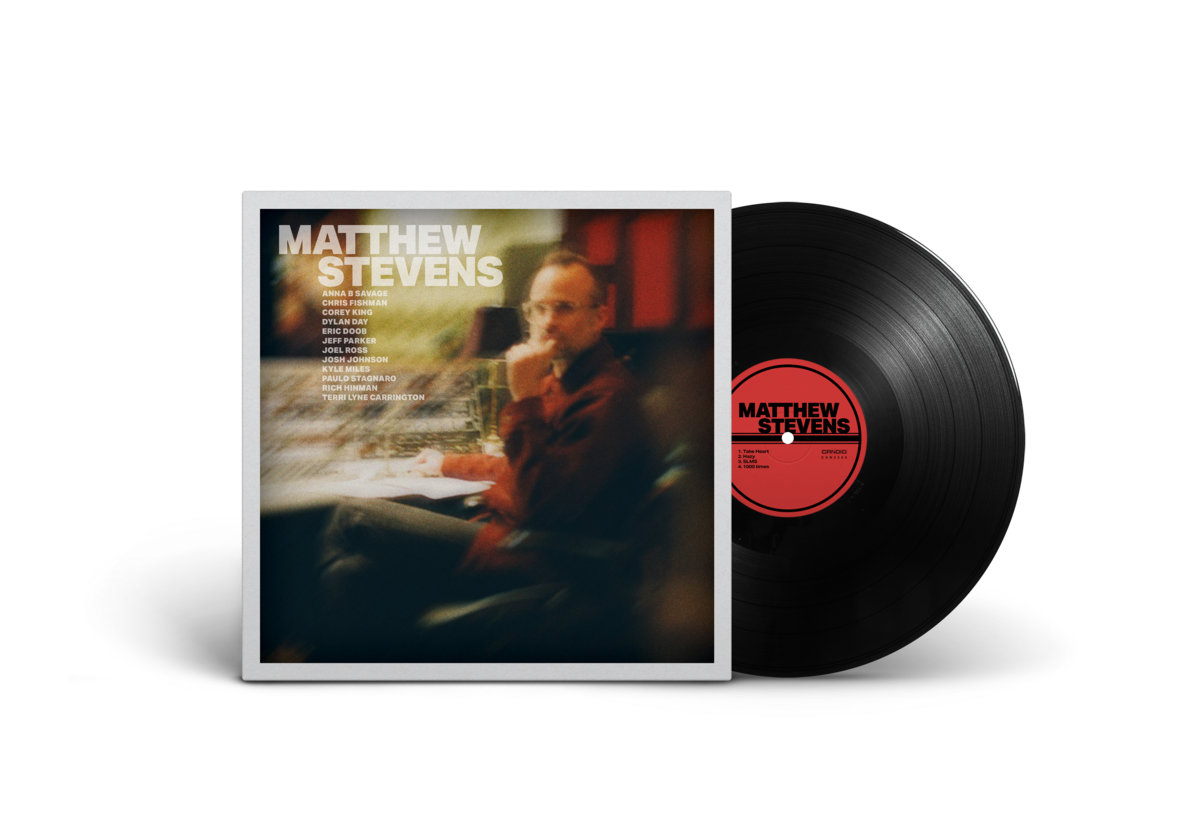
His new album, ‘Matthew Stevens’, released May 8 on Candid Records, puts his name at the centre. Stevens has released three albums under his own name before: ‘Woodwork’, ‘Preverbal’ and ‘Pittsburgh’. Each one dealt with a different part of his work. ‘Woodwork’ feels like a band playing together. ‘Preverbal’ focuses more on studio sound. ‘Pittsburgh’ is a solo acoustic record that puts melody and song form first. The new album brings those ideas together.
“I think “intent” is exactly the right word,” Stevens says of the decision to make the album self-titled. “It felt like saying it out loud, as a way of holding myself accountable to what I really want to do, which is write, record, and perform my own music.” For him, the title was “a way of drawing a line” after years of being a collaborator, sideman, producer and bandleader. “This is what I’m choosing now.”
The album was co-produced by Stevens with saxophonist Josh Johnson and drummer-percussionist Eric Doob. Its cast crosses generations and scenes, with Terri Lyne Carrington, Jeff Parker, vibraphonist Joel Ross, vocalists Anna B Savage and Corey King, keyboardist Chris Fishman, bassist Kyle Miles, percussionist Paulo Stagnaro, and guitarists Dylan Day and Rich Hinman. The record moves between acoustic and electric sound without setting them up as opposites. “Even if something leans more acoustic or more electric,” Stevens says, “it’s all coming through my taste, how I hear harmony, melody, sound. So instead of those things competing, they just feel like different sides of the same voice.”
‘Matthew Stevens’ comes out of a period of personal and professional change. Stevens moved from New York to the Boston area, began teaching at Berklee College of Music, remarried and spent more time producing records outside his usual frame. The album functions as a reflective synthesis of these variables rather than a discrete overhaul. It sounds more like a musician taking stock of what still feels right after years of playing, writing and working in different musical settings.
“The only thing that would really feel like a failure,” he says, “is not being honest or not trying my best to be myself.” ‘Matthew Stevens’ is the work of a guitarist with a lot behind him. The record gathers what he has learned, then starts again.
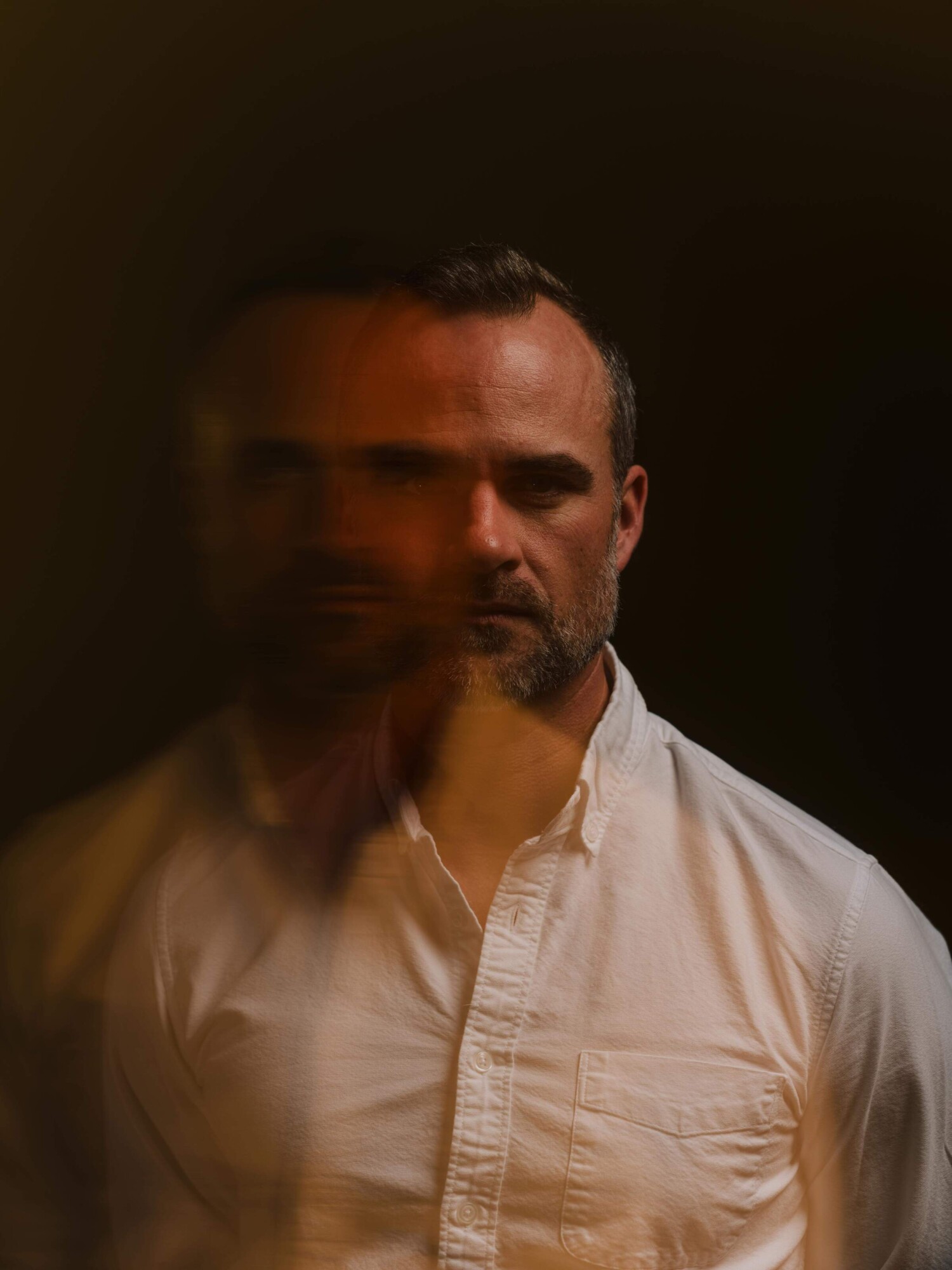
“The only thing that would really feel like a failure is not being honest”
When you arrive at a self-titled record at this point in your life, after years of working as a collaborator, a sideman, a producer, and a bandleader, it inevitably feels like a kind of quiet statement of intent, or even a recalibration. So I’m curious what shifted internally for you that made the name ‘Matthew Stevens’ feel not only appropriate but necessary, almost like you were drawing a line under the previous chapters while also folding them all in.
Matthew Stevens: It was a confluence of a lot of things. I think “intent” is exactly the right word. It felt like saying it out loud, as a way of holding myself accountable to what I really want to do, which is write, record, and perform my own music.
A big part of that recalibration came from spending time alone in a new place, without much stability or predictability. It forced me to really look at where I was putting my energy, creatively and personally. I’ve spent years working in other people’s projects in ways I’m really proud of, but I realized there had been gaps in fully committing to my own thing.
So naming the record ‘Matthew Stevens’ felt necessary. It was a way of drawing a line and saying, to myself as much as anyone else, this is what I’m choosing now. I want to pursue this feeling I don’t get anywhere else, and I want to do it more consistently.
You’ve spoken about this album as a culmination of two decades of work, but listening through it, there’s also a sense of release, like you’re no longer trying to prove anything technically or conceptually. So how did your relationship to the guitar, and to sound itself, evolve during that period of personal change you’ve mentioned, particularly in the way acoustic and electric textures seem to coexist rather than compete?
I think I’ve just gotten better at letting go. Not worrying so much about how different songs or textures are going to sit next to each other on a record, and trusting that the through line is me.
Even if something leans more acoustic or more electric, it’s all coming through my taste, how I hear harmony, melody, sound. So instead of those things competing, they just feel like different sides of the same voice.
My relationship with the guitar has changed in a similar way. I still love it, and I don’t take it for granted, because like any relationship, it can grow or get stagnant. But over time it’s become less about “look what I can do with this,” and more about it just being an extension of how I hear and feel things.
There’s a deep familiarity there now, but also a sense that it’s kind of endless, that I’m still discovering things in it. And at this point, it almost feels the same as sound itself to me, just a way of expressing something I can’t really get at any other way.
The interplay between composition and improvisation here feels unusually balanced, almost like the structures are porous enough to let the band reshape them in real time, which makes me wonder how much of the material was written with specific players in mind, especially someone like Joel Ross or Josh Johnson, versus how much emerged from the chemistry once you were all in the room together.
That’s something I’m really drawn to, aesthetically, that feeling where you’re not always sure what’s composed and what’s improvised. It creates this kind of unhurried narrative that I find really compelling.
And when you’re playing with people who think that way, it turns into a real conversation, with everyone kind of moving in and out of the written material together.
It was definitely fuelled by in-the-moment chemistry, but at the same time, I was very aware of who I was writing for. I knew what these musicians were capable of, and that shaped the material a lot.
I actually wrote ‘Hazy’ first, then thought about who would bring it to life, put that band together, and the rest of the record kind of grew out of that.
There’s something in ‘Born of Silence’ that feels less like a composed piece and more like a space you step into, the way that looping figure keeps turning over without really announcing itself, and the band seems to gather around it rather than decorate it, which makes me wonder how much of that restraint came out of your work as a producer, especially on projects outside of jazz, where you’re often dealing with songs that either live or die on a single melodic idea. Did that experience change the way you decide when a piece is actually finished, or when it just needs to be left alone?
Yeah, definitely. I think each piece kind of tells you what it needs, whether that’s more material, or to just be left alone, whether it wants to move or stay still. And there are a lot of ways to bring that out.
But fundamentally, like you said, it comes down to having a strong core idea, melodic or otherwise, that you actually believe in. That’s something I’ve probably become more aware of through producing, especially outside of jazz, where a song can really live or die on that one idea.
With this tune, the first melodic figure felt like the core of it, and it was pretty clear that the goal was not to bury that.
After that, I heard it as something that should evolve really slowly, where the changes are there if you’re listening closely, but it can also just exist as a kind of continuous space without breaking the spell.
You’ve gathered what feels like a genuinely multigenerational cast here, from mentors like Terri Lyne Carrington to peers and younger voices, and there’s something quite moving in the way those relationships seem to echo through the music itself. So did you approach these collaborations more as a way of honouring those connections or as a way of challenging your own instincts in the studio?
Both. I’ve found that strong musical connections usually reflect strong personal ones, and they tend to deepen each other over time. That’s definitely been my experience with everyone involved here. Sometimes the music strengthens the relationship, and sometimes it’s the other way around.
So in that sense, it does feel like a way of honouring those connections, because I think any real, sincere relationship is worth honouring.
But at the same time, having different perspectives in the room is what makes the music better. I trust my instincts, but I trust theirs too, and when there’s that level of mutual respect, it naturally pushes things further. Sometimes it reinforces what I’m hearing, and sometimes it challenges it in a really productive way.
With ‘Alberta,’ the thing that really lingers isn’t just the arrangement but the pacing of it, the way you let the song breathe to the point where it almost stops feeling like a “cover” at all, especially with Anna B Savage bringing that very direct, almost unguarded vocal presence into something that could easily have tipped into stylisation. So when you’re working with material that carries that much history, how do you decide what to strip back, what to reshape, and what simply has to remain untouched for the song to still feel honest to you?
I try not to think about it in those terms too much in the moment, because for me that can get in the way. I take in all the different versions, from Bob Dylan to Odetta, and just let that be fuel to follow my instincts with it.
It goes back to what we were talking about earlier. Once I feel like I understand what the core of the song is, I don’t feel limited in how it can be expressed. That part stays intact, but everything around it can shift.
The process is intuitive at first, and then more conscious as it develops, just refining it based on whether it feels right, whether I’m actually connecting to it. I kind of trust that if I’m feeling something, there’s a better chance that someone else will too.
And yeah, Anna’s performance is a huge part of that. It’s so direct and unguarded, and so connected to the lyric, that it really brings the song somewhere new for me.
Listening across the record, it feels like you’re no longer treating space as something separate from the line. It’s almost like the pauses are doing as much work as the notes, and there are moments where a phrase cuts off earlier than you expect but somehow lands harder because of it. So I’m curious whether that came from a conscious shift in how you shape phrases, or if it’s more about trusting the band and the room enough to not fill every corner the way you might have in the past.
For me, it really comes down to compelling phrasing. I tend to think of improvising and composing as two sides of the same coin, and space is a huge part of that.
Over time, I’ve noticed that, just like in conversation, the fewer words you use and the less rushed you are, the clearer the point becomes, and the better the exchange feels. So I’m definitely conscious of trying to shape phrases in the most honest and direct way I can, and sometimes that means saying less or stopping earlier than feels natural.
And a lot of that is also about trust, trusting the band, trusting the room, and not feeling like I have to fill every corner. Being okay letting something hang, and letting someone else complete the thought.
Working with someone like Jeff Parker, who occupies his own very distinct sonic and conceptual space, must bring a different kind of conversation into the music, so how do you think about guitar as a shared language in those moments, especially when both voices are so recognisable yet still open to transformation?
There are actually a few great guitarists on the record, not just Jeff, but Dylan Day and Rich Hinman as well. I’m always a fan of great guitar playing, and I find it endlessly inspiring to be around it and to play with it.
For me, the guitar is kind of in its own lane in terms of immediacy and idiosyncrasy, so there’s a natural kinship with anyone who’s come to music through it, whether as a player, a listener, or both.
In that sense, it becomes a shared language, but also a very personal one at the same time. And I think part of what connects all of us on this record is a shared love of different traditions, and a willingness to let those things interact in real, sometimes unexpected ways.
You’ve moved geographically and personally in recent years, stepping into teaching as well, and I wonder how that shift into a more reflective, perhaps even mentoring role, has fed back into your own creative process, particularly in terms of how you hear younger musicians and how that influences the way you write or arrange.
I really love being around younger musicians and learning what they’re into. There’s often a real urgency and energy there, and I’m always interested in how improvised music continues to interact with whatever the current popular music is. That’s something that’s always been happening.
With teaching, I’ve had a lot of great professors and mentors myself, so I know how much of an impact that can have. Because of that, I take it very seriously, and I also find it really fulfilling to be on the other side of it.
It’s also made me reflect more on my own musical thinking. A lot of younger improvisers are focused on finding their “own voice,” and I’ve come to think of that less as something abstract, and more simply as developing a clear sense of what you like and being honest enough to bring that into your playing and writing.
In that sense, it’s helped me refine my own taste, and keep asking myself what I actually find moving.
The rhythmic language across the album feels subtly wide-ranging, with hints of groove traditions that sit just beneath the surface rather than announcing themselves, and I’m thinking of how ‘Take Heart’ builds its momentum almost conversationally. So when you talk about rhythm as foundational, what does that actually look like in the room when a track is taking shape?
I think of it as an unspoken agreement, or an alignment of priorities, among everyone in the room, that if something’s really going to take off, the rhythmic feel has to be right, no matter what tradition it’s drawing from. Without that, it’s hard for the music to reach its full potential.
It’s also the thing that excites me the most in music, and I think everyone on the record relates to that in their own way. In my experience, musicians who really feel rhythm as foundational tend to find each other.
So in the room, it’s rarely something we talk about. If it’s not there, everyone just knows. We’ll do another take, and another, until it locks in. It’s less a discussion and more something that’s collectively felt.
There’s a recurring sense of optimism in how you describe this period, which isn’t always a word that gets foregrounded in contemporary jazz discourse, where the focus can lean toward complexity or abstraction. So how did that sense of arrival influence not just the mood of the record, but the decisions you made in terms of arrangement, pacing, and even what to leave off?
I think I’ve realized that I’m inherently optimistic. Even in difficult periods, I can only stay in that space for so long before I start gravitating toward some sense of possibility again. It’s almost like a pendulum. The harder things get, the stronger the swing back. I’ve been through some difficult things and gotten to the other side, and I tend to feel clearer because of it.
That’s a really freeing place to create from. It’s like, I’ve just been through it, so of course I want the music to connect, but if it doesn’t, I’ll be fine. The only thing that would really feel like a failure is not being honest or not trying my best to be myself.
And that definitely shaped the record. I focused on following ideas that felt compelling to me and seeing them through, without worrying about the usual questions: who it’s for, whether there’s enough variation, whether things are too close or too far apart stylistically.
I kind of let all that go and just made something I connected with, in the same spirit I had playing in a garage band in high school.
When you listen back to this record now, do you hear it more as a document of where you’ve been, gathering together threads from ‘Woodwork,’ ‘Preverbal,’ and ‘Pittsburgh,’ or does it feel more like a starting point for something you haven’t fully articulated yet, a kind of opening rather than a summation?
Both. It definitely feels like a starting point, something that will keep evolving, but also a clear synthesis of those three records, and a lot of the other music I’ve been part of over the years.
It’s impossible not to carry those experiences forward, and ideally, the longer you do it, the more you learn from them. That includes what to lean into, but also what to avoid. Sometimes those are really subtle things, maybe even things only I would notice, that come out of a certain mindset or insecurity at the time.
But that’s all part of it. There’s a kind of accumulated understanding there, while at the same time each record still feels like a chance to start fresh, to push things somewhere new. Those two things have to coexist.
Now that this record is out in the world and you’ve had a bit of distance from it, I’m wondering what some of your future plans are.
Ideally, to get out and play as much as I can, and then do it all over again. That’s kind of the goal, just to stay in that cycle.
Going back to what we were talking about earlier, the intent is to keep making records, and to do it more often. And even having conversations like this helps. It’s a way of holding myself accountable to that.
And away from your own work for a moment, what’s been in your ears lately?
Freddie King, ‘Getting Ready’; Emmylou Harris, ‘Wrecking Ball’; Bon Iver, ‘Volumes: One’; Cécile McLorin Salvant, ‘Oh Snap’; Brad Barr, ‘The Winter Mission.’
Klemen Breznikar
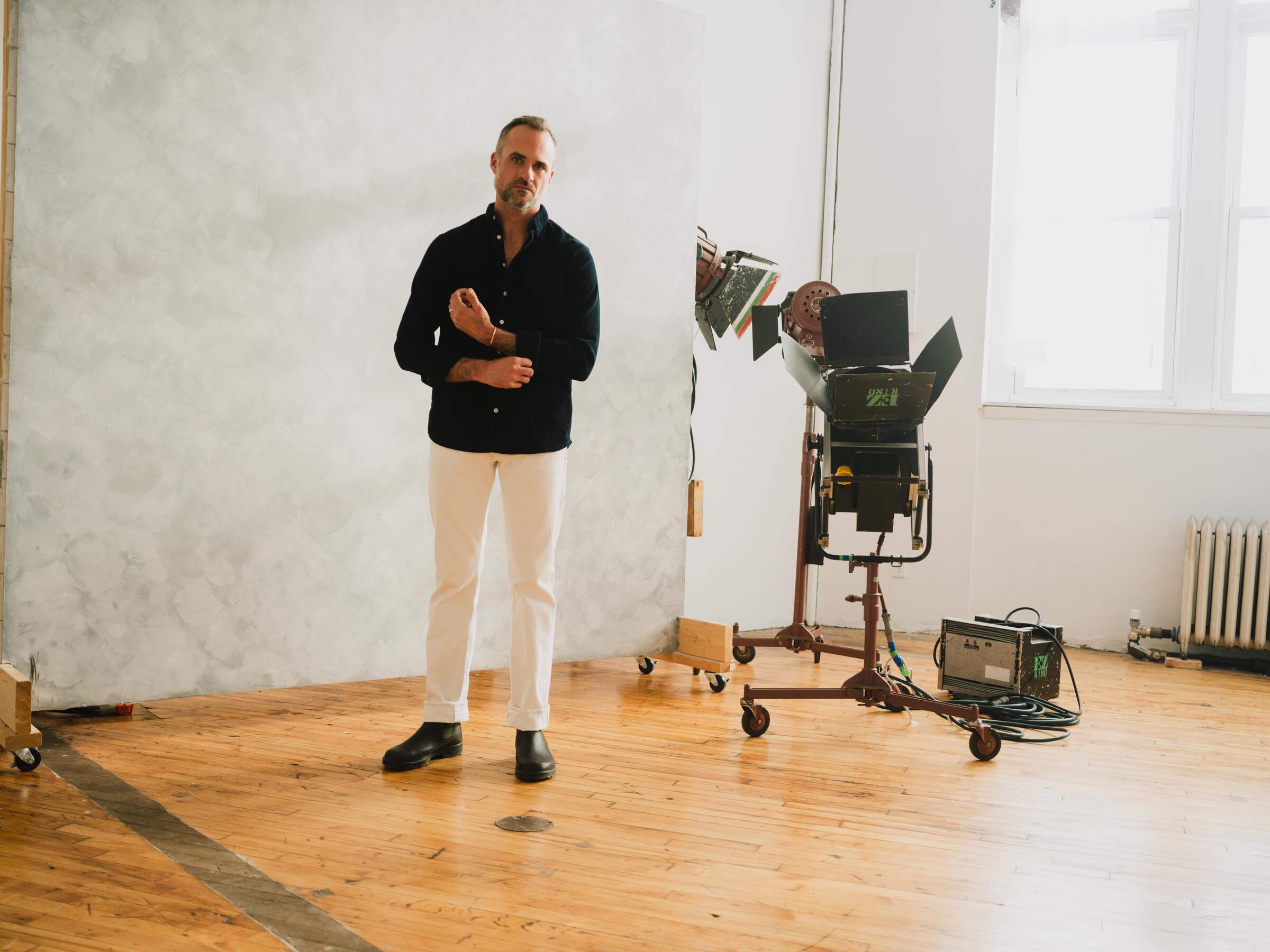
Headline photo: Graham Tolbert
Matthew Stevens Website / Instagram / YouTube
Candid Records Website / Facebook / Instagram / X / YouTube / Bandcamp