

Emma Rawicz Brings the Expansive Sound of ‘Inkyra’ to Ronnie Scott’s
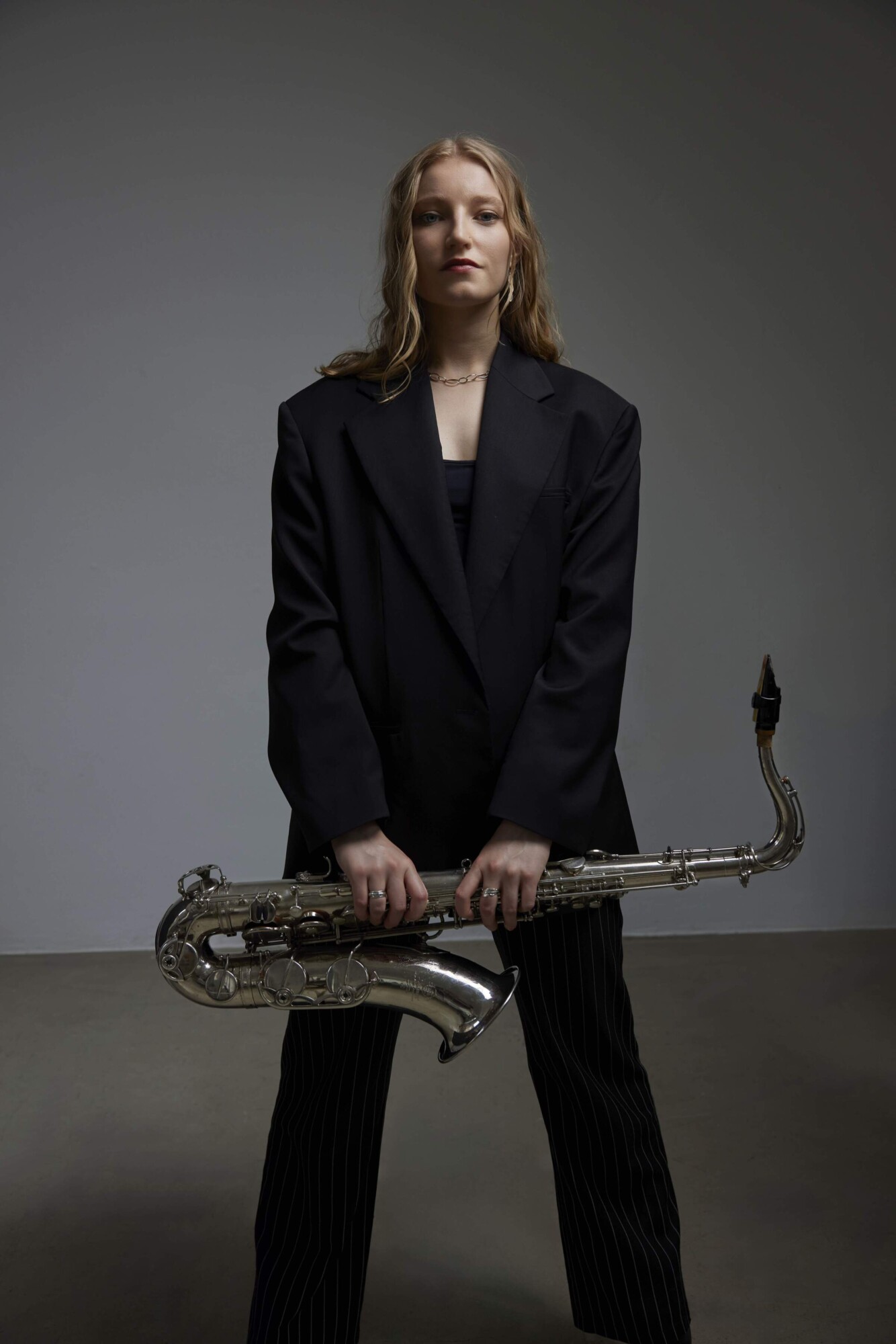
Emma Rawicz is one of the most exciting young voices in British jazz, a saxophonist, composer and bandleader whose rise has been driven by the ambition and originality of her music.
From ‘Incantation’ through ‘Chroma’ to ‘Inkyra’, each record marks another stage in her development. Still only in her early twenties, she has established herself as one of the most compelling young figures in British jazz.
Released on ACT Music in October 2025, ‘Inkyra’ is Rawicz’s latest album. Built around a band that has been playing together for more than three years, the record reflects a chemistry developed over countless performances. Rawicz has said that the goal was to capture “the band sound”, and that shared identity runs through the album, creating a cohesive and dynamic listening experience shaped by the musicians’ long-standing connection and collective musical instincts.
Tomorrow she plays Ronnie Scott’s in London before performing at North Sea Jazz during the festival’s 50th anniversary year. These are two important appearances as she continues to build her career.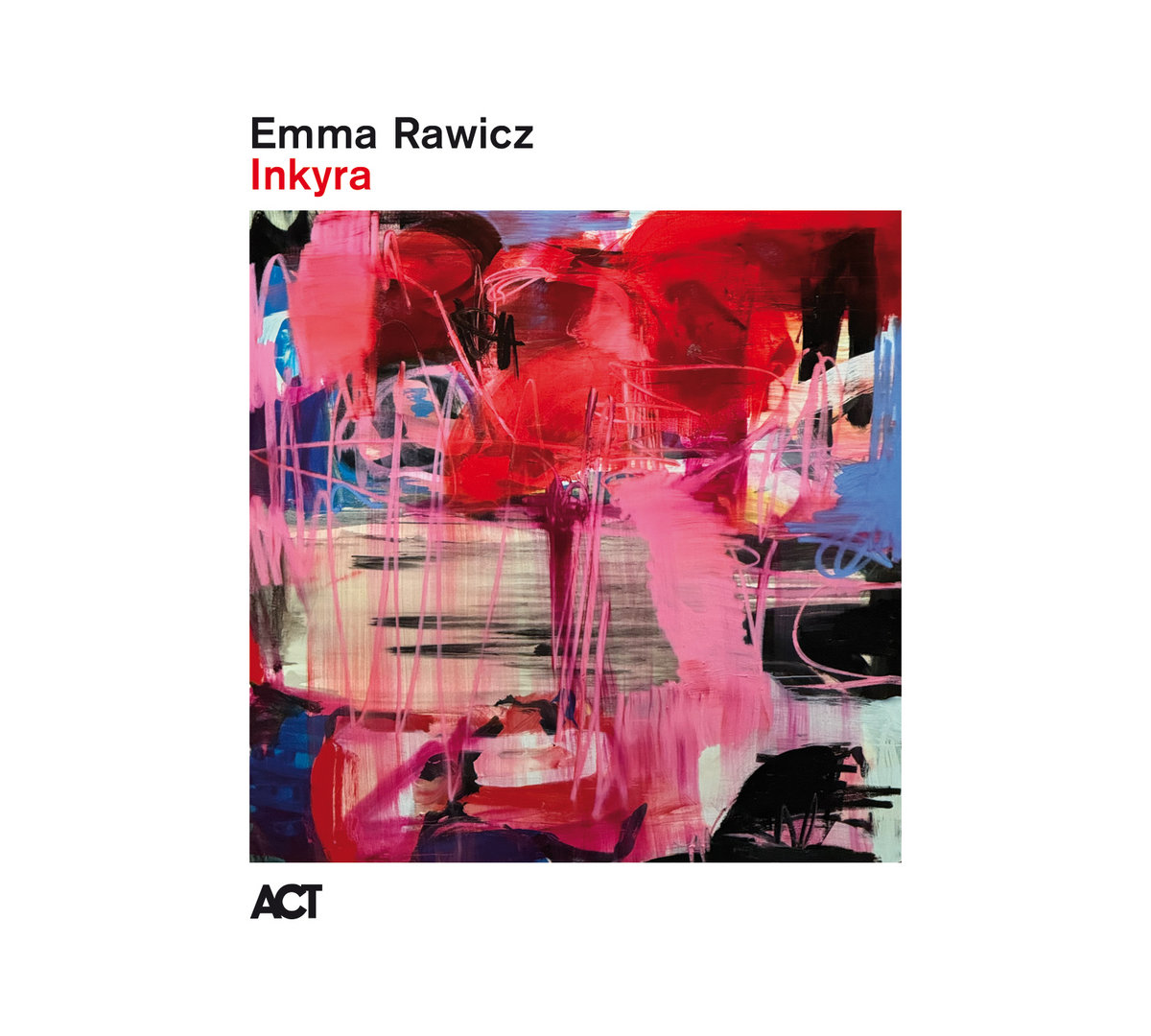
“Every new album feels like another step forward and a new exploration”
You’re bringing ‘Inkyra’ to North Sea Jazz in its 50th-anniversary year. Does playing a festival with that much history change how you think about the set, or do you try not to let that into the room?
Emma Rawicz: I always try to treat every concert that I play with as much commitment and energy as possible, regardless of setting. That said, the fact that I have the privilege of playing at such a legendary festival, with such a rich history, is invigorating and inspiring, and certainly makes me want to bring the very best I can to that stage. Rather than seeing it as an intimidating thing, I prefer to see it as an invitation to up my game even further, and to bring as much joy and spontaneity to the room as I can.
Your first album, ‘Incantation’, came out when people were still talking a lot about your age. When you hear that record now, do you hear a young musician trying to prove something, or do you hear the start of ideas you are still chasing?
I think it’s fair to say that I was very driven, focused and eager to make a statement when I put out that record at age 19. However, I don’t think those qualities have disappeared over the years, but rather morphed into something more positive. Anyone’s first album likely carries a certain degree of uncertainty and perhaps insecurity: the first statement always feels like a big deal! Now I’m just as committed to discovering new things and moving forward with my music in any way that I can. I guess that more experience and perspective has made the process more enjoyable and less caught up in the pressure to make something perfect. In any case, while I feel I have grown and developed a lot since releasing Incantation, I’m still glad I released it, as it was a valuable springboard for everything that followed.
With ‘Chroma, the sound felt wider and more detailed, almost like you were building a specific world. Was that the album where you started to understand what an Emma Rawicz record could be?
I definitely gained some confidence when making Chroma, especially conceptually, and when it came to album-building. I think I also took more risks in the composition, improvisation and sound of the album, which I found fulfilling. I also put a greater degree of trust in my listeners, and felt like I wanted them to form their own response to my music in as organic a way as possible. This is something I have carried forward when making later albums. However, things keep developing, and to me Chroma already sounds like an album from a much earlier phase of my musical and personal life, and of my development as a bandleader. Every new album feels like another step forward and a new exploration, which, I believe, is how it should be.
The title ‘Chroma’ points to colour, and people often talk about colour in your writing. Is that really how you hear music?
Yes! Sound and music have always had strong links to colour for me, which I find especially immersive in contexts of improvisation and composition. The visual element somehow feels like it allows me to get really inside the sound, and sometimes I feel like I can experience the music to the exclusion of all else, which can be a very powerful feeling, especially when onstage with other musicians. I also find the essential nature of colours a good way to repeatedly return to the basic qualities of music. It can help strip back the intellectual angle and focus the mind on what the music is really trying to communicate, which I value very highly.
Your duo album ‘Big Visit’ with Gwilym Simcock is a very different kind of record. There is nowhere to hide in that format. Did playing with him change the way you listen?
The duo is indeed a formidable setting, and in many ways I found it a real test of my nerve as an improviser and my facility on the instruments. It’s so exposed! However, it’s a setting where possibilities for connection through improvisation become even more exciting: when there are just two players, the moments of telepathy and synchronicity become even more pronounced, which feels extremely exciting and rewarding. The other important thing about the record is Gwilym himself: he’s been a hero of mine for a long time, and he really inspired me to rise to the challenge and made me want to work extremely hard on the music. He’s also one of the nicest and most generous people in the world, which helped a lot!
On ‘Inkyra’, the music feels more like a band identity than a set of compositions handed to good players. What did this group give you that you could not have written on paper?
That is truly satisfying to hear! The intention when setting out to record ‘Inkyra’ was always to capture the band sound, which had been developing for more than three years by the time we got into the studio. This group features some very special and unique musicians, all of whom I feel very lucky to play with. Everyone contributed to the sound of the music in myriad ways, not only through their own distinctive voices as improvisers but also through many hours of rehearsal and discussion, honing and fine-tuning the music at every stage. Every band member really left their individual mark on the music, which makes it feel really special to me, and makes the whole situation unique.
“Everything is interconnected”
You have gone from ‘Incantation’ to ‘Chroma’ to ‘Inkyra’ quite quickly. Do you see those albums as steps in one line, or do they feel like three separate versions of yourself?
For me, everything is interconnected, and I think those albums are simply expressions of myself at different stages of development. The gaps feel surprisingly large in terms of how much seems to have happened between each release, but I still identify with the music as it is on each album, even if I feel, as ever, like I could do a better job now!
Some players get more stripped back as they progress, but ‘Inkyra’ feels bigger and more open. Did you want to make something expansive this time, or did the music just keep asking for more space?
I think ‘Inkyra’ grew organically to fit the vision and the voices of the musicians involved in making it. I didn’t set out to make something more expansive per se, but I guess the large-scale vibe and sound of rock music and fusion, which I have always loved, was bound to make an appearance in my albums at some time or another! I think it’s fair to say that ‘INKYRA’ draws quite significantly on those influences. The arrangements developed slowly over time, and the almost large-ensemble-esque sound that we arrived at wasn’t really planned. I’m very happy with how it turned out on the record and live too. It feels like being onstage with a whole orchestra!
If someone at North Sea Jazz hears you for the first time through ‘Inkyra’, what would you hope they pick up first?
That’s a tough one! I want to leave the audience to have their own unique experience of the music, but if there’s one takeaway I wish for most, it’s the aspect of joy and boundless energy coming from the stage. We really throw everything into each and every performance, and I hope that comes across and connects with people at North Sea.
What are some of the most important records that have influenced you as you create your own music? I’ve been going through piles of free jazz records lately, most of them imported from Japan, and it has been such a fresh, amazing source of inspiration.
Lately, it would probably be these:
‘Relief Party’ by Reinier Baas
‘Revolver’ by the Beatles
‘Alegria’ by Wayne Shorter
‘GO’ by Dexter Gordon
‘Verso’ by Maria Pia de Vito
‘Dust’ by Ben Monder
‘Travessia’ by Milton Nascimento
Klemen Breznikar
Headline photo: Gregor Hohenberg
Emma Rawicz Website / Facebook / Instagram / X / YouTube / Bandcamp