
Studio D’Lux: Doug Kistner and Chicago Alumni Join Other Rock Icons
Doug Kistner is bringing together a massive lineup of classic rock veterans for his latest project, Studio D’Lux.
The group recently released ‘The Allstar Project,’ an eight-track album that arrived on digital and CD this past February. Kistner, who has previously played for the Trans-Siberian Orchestra and John Waite, acts as the primary songwriter, producer, and curator for the effort. The musician roster includes cast of all-star players such as Liberty Devitto (Billy Joel), Bill Champlin (Chicago), Leland Sklar (Carole King), Lee Loughnane (Chicago), Steely Dan guitarists Elliot Randall & Jon Herington, Joel Hoekstra (Whitesnake), Glen Burtnik (Styx), Curtis King Jr (Bruce Springsteen), and Keith Howland (Chicago). Despite the high-profile guests, Kistner aimed for a cohesive artistic statement rather than a standard compilation. He noted that “bringing all this great talent together was something I’ve never done before so it was exciting and different.” Guitarist Keith Howland observed that the result successfully blends the “R&B of the ’70s” with the “polish of the ’80s.”The centerpiece of the release is the single ‘Turn The Page,’ which was mixed by Grammy winner Ron Nevison.
“Selecting the song sequence was the only time I was really thinking in terms of an album”
Studio D’Lux feels like a meeting place. When you first stepped into this project, what did you sense it was asking of you musically that felt different from your past work?
Doug Kistner: Bringing all this great talent together was something I’ve never done before so it was exciting and different. I’ve written and recorded before but this was a step or two higher. I’m wearing a lot of hats too so, it’s a lot sometimes.
Doug, your role here is not only as a songwriter and keyboardist but as a curator of voices and histories. When you imagine the finished album, do you hear it as a document of collaboration or as a snapshot of where you are right now as an artist?
Doug Kistner: Well, it’s really an album of what I’ve written in the past few years and recording with various musicians as this project evolved. Selecting the song sequence was the only time I was really thinking in terms of an album to be honest.
Keith, your playing has always walked a fine line between technical exactitude and a loose, human groove. With the Studio D’Lux material, were you aiming to strictly emulate the specific compression and harmonic warmth of that classic era, or were you trying to push the tone toward a more contemporary, high-fidelity edge?
Keith Howland: Well, being a HUGE fan of the ’70s (Terry Kath, Jeff Beck, Larry Carlton) and then the early ’80s (Steve Lukather, Mike Landau, Dan Huff), my playing reflects all of those influences as well as a common thread of EVH throughout. I just play what feels right for the song, and all of those influences are in there for sure! Doug’s music has the R&B of the ’70s and polish of the ’80s woven together in his own unique way. The kind of music I wish there was more of these days!! To answer your question directly, I was trying to be the best version of me and support Doug’s vision!
Bill, your vocal timbre carries a very specific, gritty R&B signature that defined a massive part of pop history. When you step into a fresh arrangement outside the Chicago ecosystem, do you consciously strip away your familiar stylistic ‘isms’ to serve the composition, or do you view that established character as the primary instrument the song requires?
Bill Champlin: I pretty much have the pipes I have, and I use whatever works, hopefully. Usually cleaner for backgrounds and a bit gritty for leads. Just kinda’ works that way. Not much thought about timbre. Trying not to growl too much lately.
The phrase “Leave all that baggage behind you” in “Turn The Page”… Did that line resonate with any of you personally at this stage in your careers, and if so, how?
Doug Kistner: Well, I wrote that sort of about a fictional person but it’s a thoughtful lyric and hopefully relatable too.
Studio D’Lux brings together musicians whose names alone can pull a room into the past. How conscious were you of avoiding reverence and instead allowing risk, looseness, or even vulnerability into the sessions?
Doug Kistner: The recording process is great because you can try something and see if it’s working or not. There’s no pressure to have it done now with these sessions. I think all of us have that passion to play something good for the song in the moment.
There is a strong sense of restraint across the album. Space is allowed, parts breathe, nothing feels overcrowded. Was that a shared instinct in the room, or something that emerged naturally as the tracks took shape?
Doug Kistner: That’s cool that you say nothing is overcrowded, that’s really important to not overplay and have too much going on. Marc Battaglia and I do a little bit of editing before mixing but we all kinda know what to play or not to play. Most of the time it naturally blends. That’s the coolest part of this project.
What was it like working with Ron Nevison?
Doug Kistner: Really exciting to work with a producer and engineer on that level. I was thankful that he was up for mixing it and that he liked the music. He really made the drums and vocals sound super clear and the instruments were all in their sonic place. Bill recorded two Chicago albums with Ron.
Finally, when you imagine someone discovering Studio D’Lux without knowing any of your histories, what do you hope they feel first before they start connecting the dots back to who you are?
Doug Kistner: We have heard comments like, “this is real music… why isn’t this on the radio” etc. I hope we find a bigger audience that will enjoy it. It’s really fun to record and play what we feel, then hearing it come together.
Klemen Breznikar
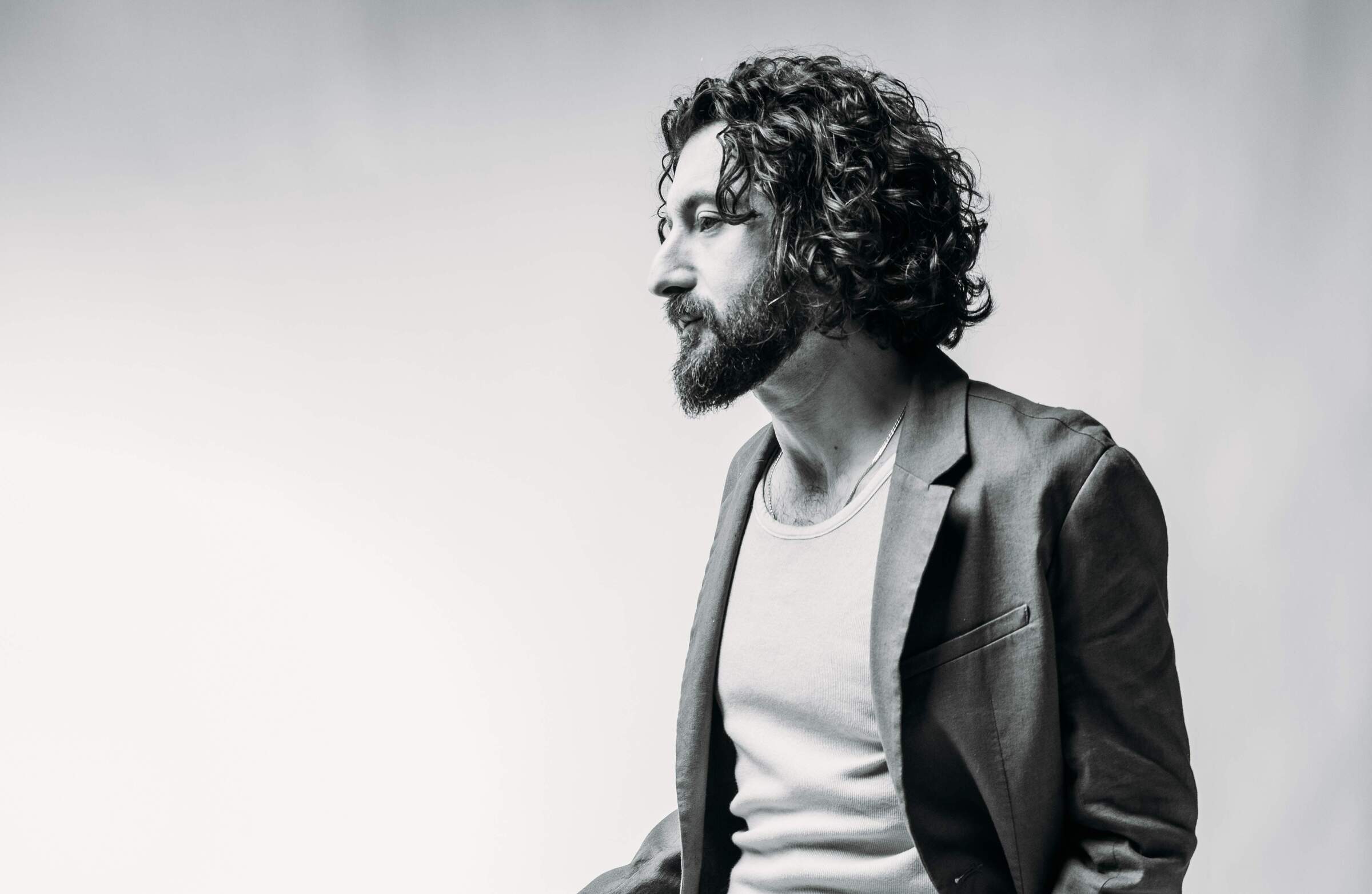
Headline photo: Doug Kistner (Credit: Mike Mazzeo)
Studio D’Lux Website / Instagram / YouTube