
John Vanore on ‘Easter Island Suite’: A Four-Decade Jazz Journey to the World’s Loneliest Island
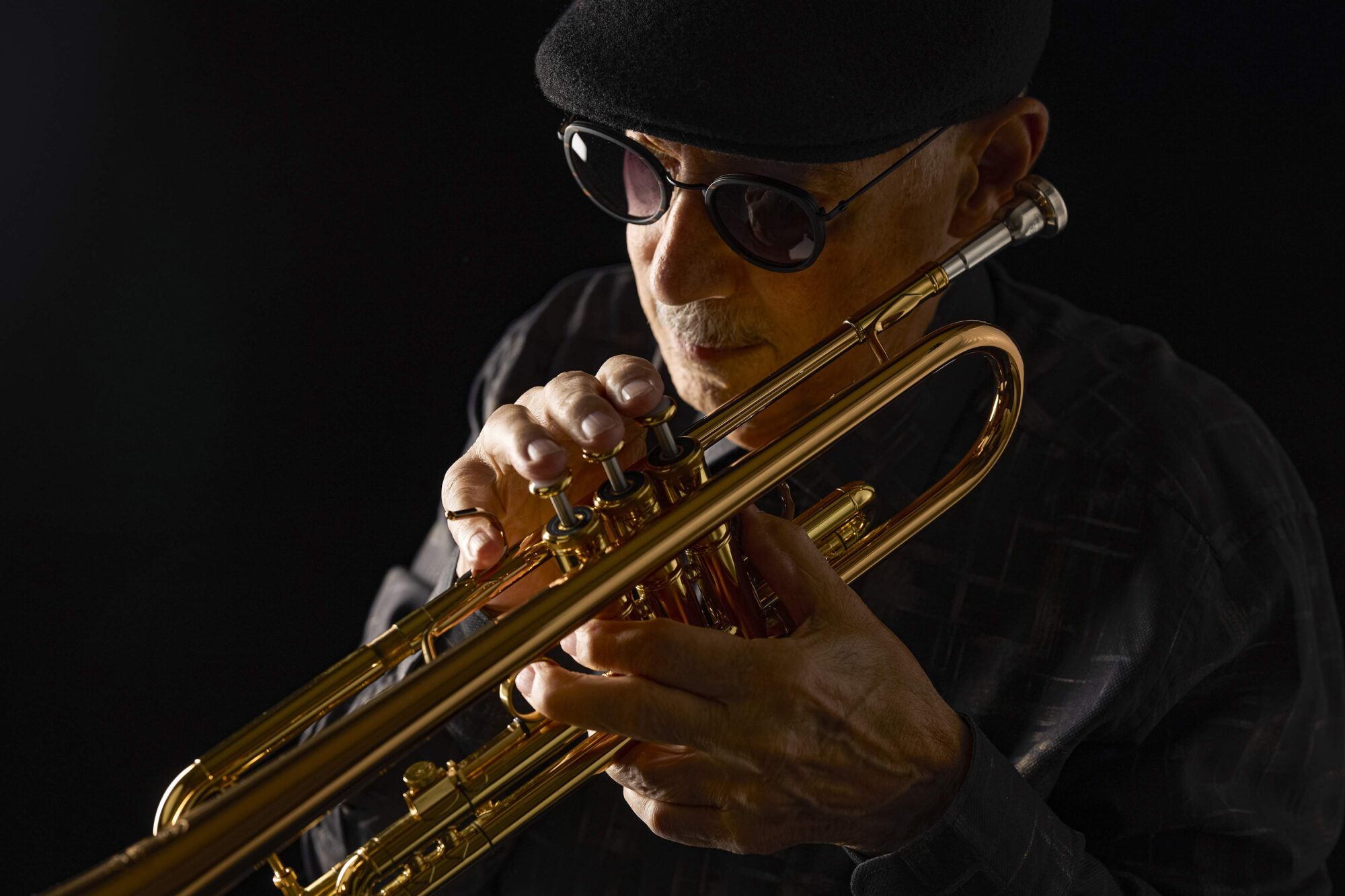
Philadelphia trumpeter and composer John Vanore has spent more than 40 years mapping an island he has never set foot on, and his new album Easter Island Suite is the vivid culmination of that obsession.
The four-part suite, released February 6, 2026 on Acoustical Concepts, traces the mystery, majesty, and eerie stillness of the Chilean island that inspired it. Vanore grew up in the Philadelphia suburbs and studied with legendary teacher Dennis Sandole before joining the Woody Herman band after college. He later became Director of Music at Widener University, developing an intensive jazz ensemble program while establishing himself as a sought-after session player and producer.
“I was home alone,” Vanore recalls of the day in 1984 when the idea first struck. “I started to wonder, ‘What’s the loneliest place on Earth?’ And I immediately thought of Easter Island.” That initial spark led to the suite’s opening movement, ‘Discovery,’ where bowed bass and French horn create a drone both ominous and majestic. The music carries the listener deeper into the island with ‘Gods & Devils,’ in which Vanore casts the trumpet as god and the tenor saxophone as devil, and into subterranean shimmer in ‘Secret Caves,’ where waterphone and flute conjure hidden caverns. The final movement, ‘Rano Raraku,’ captures the volcanic heart of the island with haunting serenity.
Vanore’s long-term collaborators, including Michael Mee and Craig Thomas, provide continuity and instinctive understanding, allowing the composer to channel decades of research, imagination, and subtle ensemble interplay into a suite that is cinematic, meticulous, and alive. “The whole idea was to take you to the island,” he says, and for listeners, the journey feels complete.
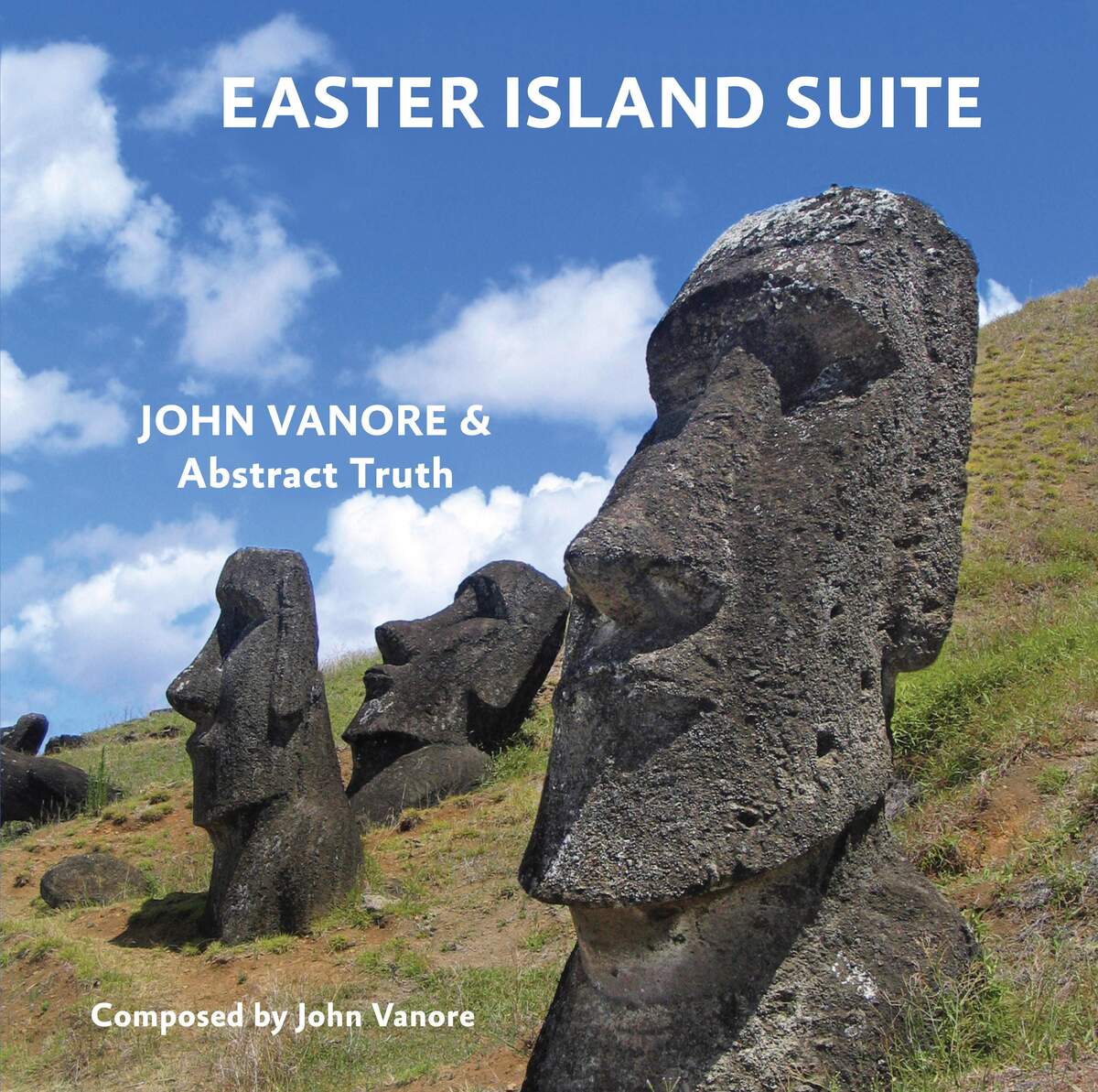
“I started to wonder, ‘What’s the loneliest place on Earth?’ And I immediately thought of Easter Island.”
John, it is incredible to think that the seed for this album was planted all the way back on Easter Sunday in 1984. You have mentioned that you were sitting alone, wondering about the “loneliest place on Earth.” I am curious, when you finally sat down at the piano that day, did the music come to you as a feeling of isolation first, or did you immediately hear specific melodies?
John Vanore: I distinctly remember thinking of the isolation and the mystery. I wrote the bass line first, deciding that 6/4 would create this rolling, continuous, almost searching motion. I also wanted to use the Locrian mode since it does not resolve. Once the bass line was established, I wrote the unison melody for the French horn and flugelhorn, composing the line with my horn, not the piano.
Speaking of that sense of isolation, I was listening to the opening of the first movement, ‘Discovery,’ and that drone between the French horn and the bowed bass is just haunting. It feels physically heavy, almost like the ocean air. How did you go about translating an abstract concept like “loneliness” into that very specific, dense texture before a single melody line was even written?
The introduction is in 4/4 and uses rubato to provide the sustain, along with the haunting melody. Of course, the arco bass is an ominous sound, and with the French horn solo, there is a sense of distance and magnificence.
In the second movement, ‘Gods & Devils,’ you made a fascinating casting choice. You cast your own instrument, the trumpet, as the “god,” and the tenor saxophone as the “devil.” I would love to know what it is about the timbre of the tenor sax that felt “tempting” or dangerous to you when you were writing that dialogue?
The trumpet and tenor unison is a common jazz voicing. Superimposed on the edgy rhythm and the fleet motives, it was a natural choice. The tenor, cast as the devil, is played by Bob Howell with his Coltrane-inspired approach to the solo, both in tone and line, personifying the anguish. Of course, the trumpet is historically godlike.
Moving deeper into the suite, ‘Secret Caves’ has such a distinct visual quality to it. You used a waterphone and Michael Mee’s flute to create this subterranean shimmer. Did you have a visual storyboard in your head for these caverns while composing, or did the unique sounds of those instruments dictate the environment for you?
The opening with bass clarinet and bass represents a descent into a cave. The 7/4 time signature is natural for darting movement. The horns are exploring. As we proceed, we come to an open cavern with its echoes. The alto flute is dark and mysterious, and the waterphone mimics the haunting sounds of the empty space.
One of the most remarkable things about this project is the timeline. You recorded the final movement, ‘Rano Raraku,’ in June 2024, but the first movement was recorded more than 30 years prior. As a conductor and bandleader, did you have to consciously adjust to ensure the 2024 version of the band matched the energy of the 1990 sessions, or did you prefer to embrace the maturity and changes in the band’s sound over those decades?
My responsibility as a leader is to identify and maintain the style of my ensemble. Players naturally have influence, but casting is essential in having musicians who can realize your vision and take direction to make it a reality.
I want to go back to 1990 and your album ‘Blue Route’ for a moment. You released the first movement on that record simply titled ‘Easter Island,’ with no indication to the public that it was part of a larger suite. Did you know back then that you had three more movements waiting in the wings, or was it a secret you were keeping even from the audience?
All the movements were written by 1987. ‘Gods & Devils’ and ‘Secret Caves’ were fully orchestrated. ‘Rano Raraku’ had the motives and basic harmonic plan. It sat in the same filing cabinet until 2023, when I decided it was time to finish it. I then orchestrated from my original outline, including motives and harmonic structure.
Abstract Truth took a 14-year hiatus from the mid-90s until 2009. During those years, you were heavily involved in production and session work for major labels like EMI and Atlantic. How did sitting in the producer’s chair for other artists change the way you listened to your own compositions when you finally returned to the ‘Easter Island Suite’?
I do not think it had an effect. I always had the producer mentality, which was why EMI asked me to produce for them. I was shopping my first two CDs to them. The A&R director I met with was impressed and asked if I would like to work for them. They did not pick up my recordings. By the way, those first two CDs placed in the Downbeat Readers’ Poll.
It is astonishingly rare in jazz to have the kind of personnel consistency you have had. Musicians like Michael Mee and Craig Thomas have been on this journey with you for decades. How has your musical shorthand with them evolved? Do you even need to give them detailed verbal instructions anymore, or do they just instinctively know how to interpret a John Vanore line at this point?
Mike and Craig essentially know what I want, but evolution always requires some explanation. For the other members, there has been turnover, but also consistency. They all love being in ensemble and take pride in the uniqueness of the band and its accomplishments.
You have been described as Philadelphia’s “best-kept secret” in the big band world, but Abstract Truth is a unique beast. It is a 12-piece ensemble that sits between the massive power of a Woody Herman herd and the agility of a small combo. Is 12 a magic number for you that allows you to maintain harmonic density without losing the freedom of a small group?
Not really. I landed on 12 because I wanted the French horn with the two saxes and two trombones. The four trumpets are somewhat deceptive because they are seldom written for as a traditional trumpet section. I just use that technique to recreate power.
I would like to touch on your history, specifically your time studying with the legendary Dennis Sandole. He was known for his rigorous approach to scales and harmony, teaching giants like Coltrane and Pat Martino. Do you hear Sandole’s influence in the complex harmonic structures of this new suite, particularly in how the inner voicings move?
Dennis’s influence is all over my music. His mantra was to become an individual, and I have tried to emulate this approach in all my writing and playing.
You also had a pivotal moment early on at a summer program at Indiana University with Oliver Nelson. You have said that was the moment you decided to pursue music seriously. Was there a specific piece of advice or a moment in a rehearsal where the lightbulb went on and you thought, “This is what I have to do for the rest of my life”?
At the first rehearsal, Oliver counted off Reuben’s Rondo. After the first four measures, I knew. No advice, no talking, just that moment.
Bringing it back to the present, you have spent 40 years musically mapping an island you have never actually set foot on. Now that the suite is finally finished and released to the world, do you plan to finally book that ticket to Chile to see the Moai in person, or do you prefer to keep the island as it exists in your imagination?
I would love to go to Easter Island. The time and expense are a little prohibitive, but maybe someday.
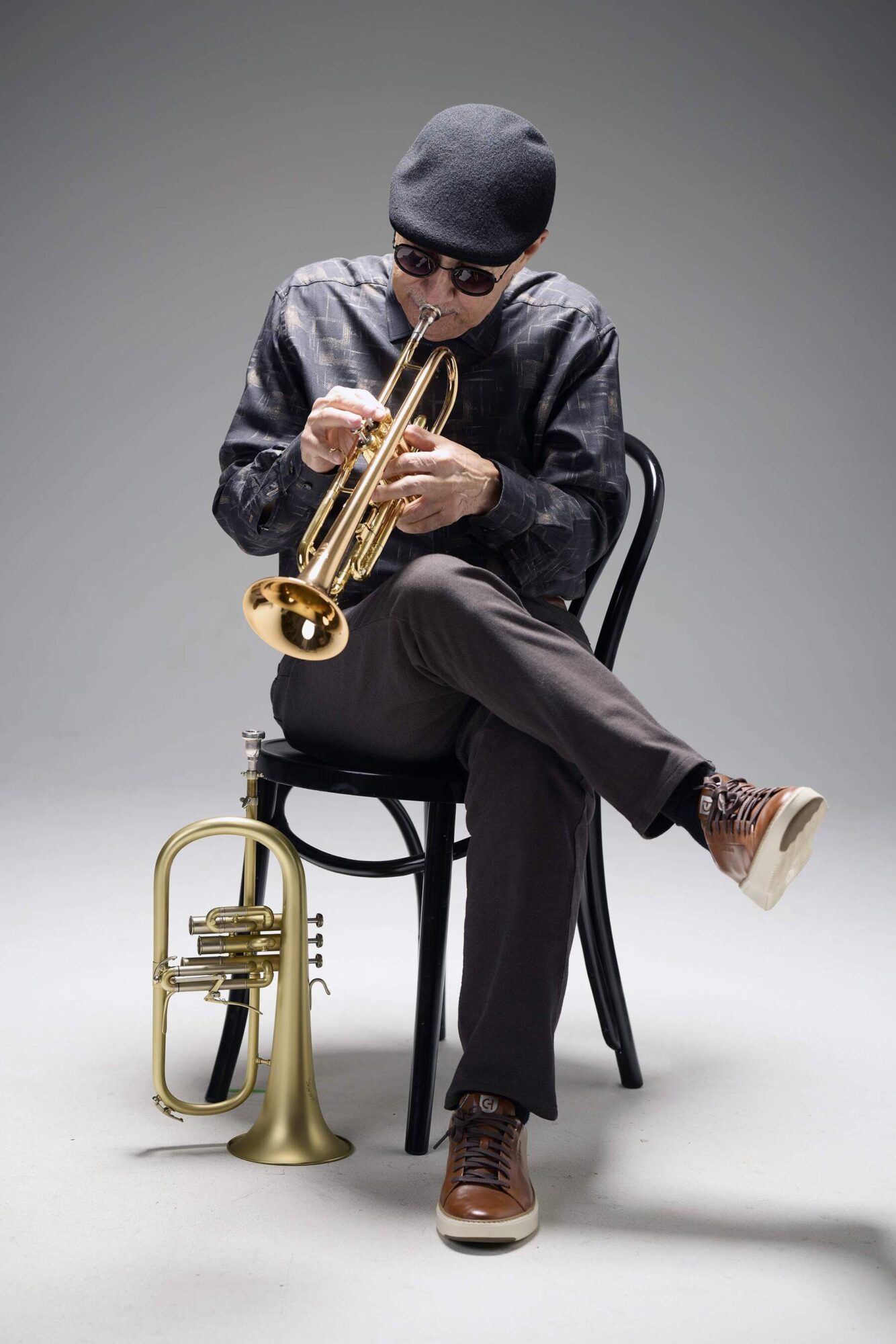
Finally, now that this monumental 40-year project is off your desk, does it feel like a weight has been lifted? What is the first thing you are going to write that is not about massive stone statues?
I have already started writing for my next project. I plan, as I have done before with ‘Contagious Words,’ ‘Culture,’ and ‘Stolen Moments,’ to reinvent myself with a new direction not related to any past projects. This is always tough. It is a lot of work to not fall back on previous devices, but I feel the need and have the drive to do it. Many thanks for all the great questions.
Klemen Breznikar
Headline photo credit: J Paul Simeone
John Vanore Website / Facebook
Acoustical Concepts Website / Facebook