
“Singing Through the Questions”: Georgia Duncan on ‘Four Ways To The Sun’
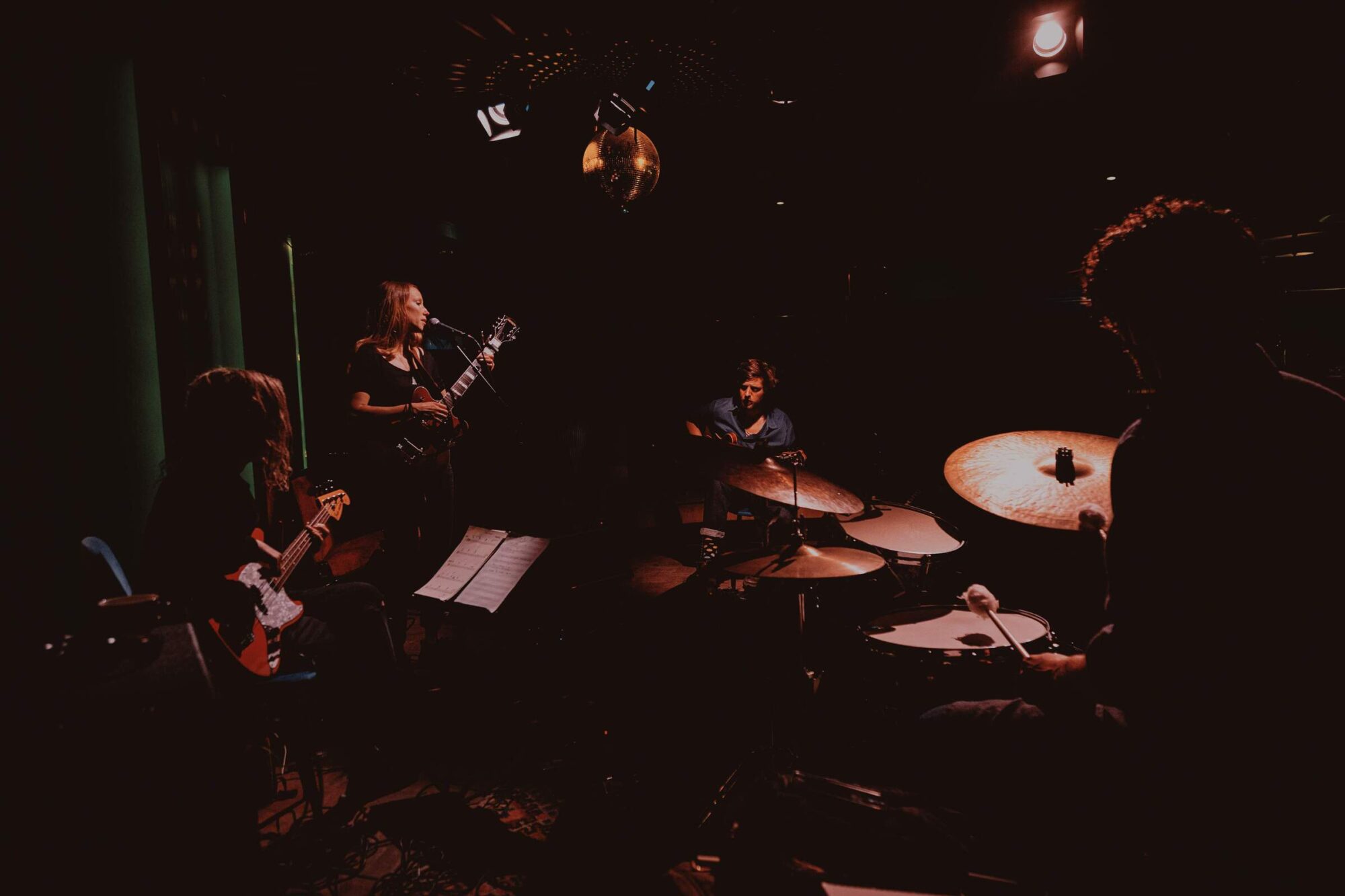
London songwriter Georgia Duncan has released her debut album, ‘Four Ways To The Sun,’ via Clonmell Jazz Social. It’s a personal record that weaves together folk and jazz textures, focusing on storytelling and genuine collaboration rather than sticking to a single genre.
For Duncan, songwriting is a way of understanding experience: “Songwriting has always been my way of processing and understanding life, what’s happened, what’s happening and sometimes quite strangely, what’s going to happen.” Though she didn’t initially plan to make an album, the songs gradually revealed themselves as part of a larger whole, eventually representing “a very particular phase” of her life.
While love is a central theme, Duncan describes the album as shaped more by questions than conclusions, exploring “motivation and hiding in the safety of stagnancy, in a personal way but also in a wider political and societal sense.” Tracks like Linger confront the difficulty of speaking out, allowing her to recognise “the rage and frustration I was feeling around why we sometimes remain quiet, and how courage might actually rise from our acknowledging the anger we feel.”
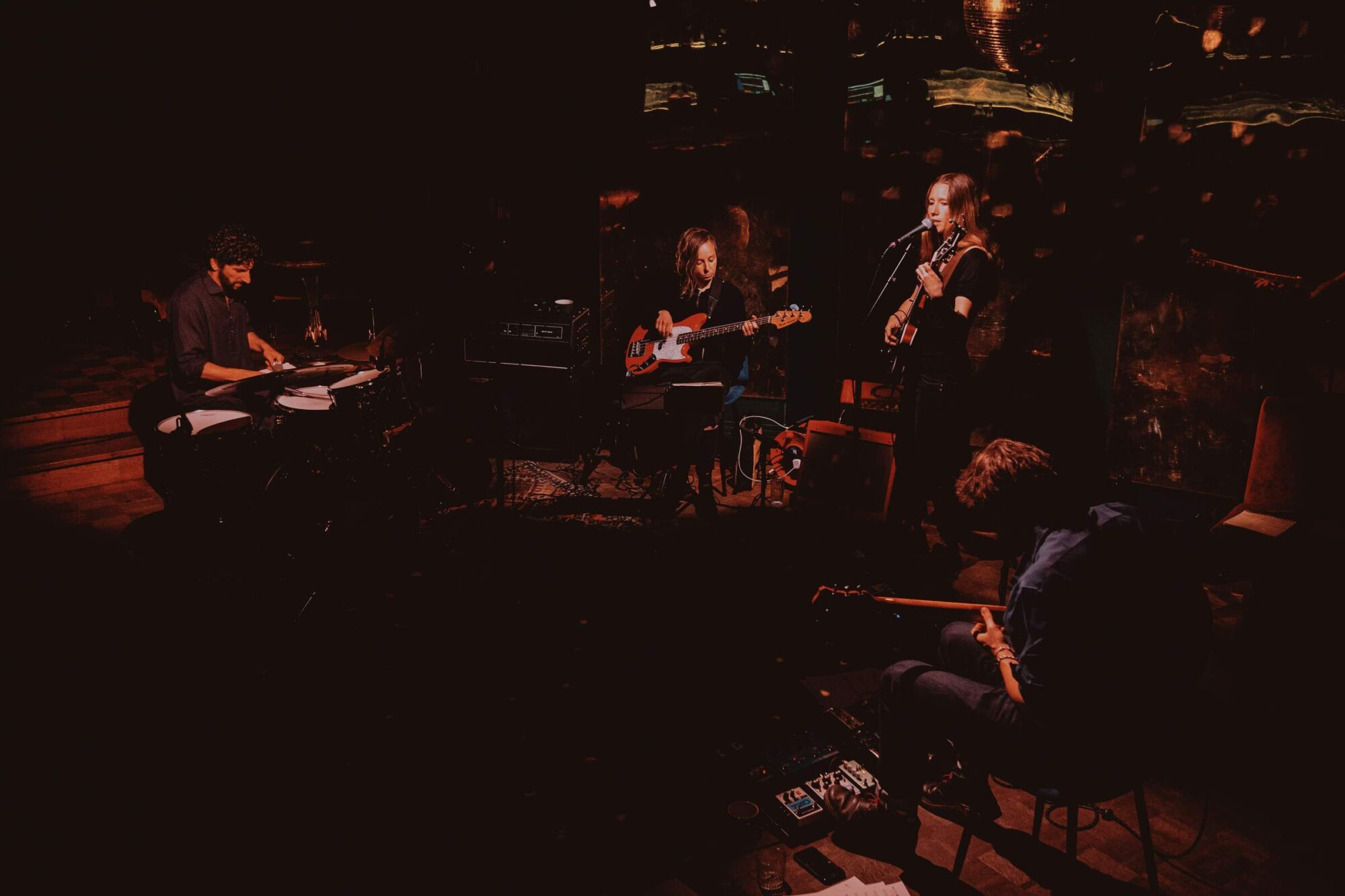
Developed collaboratively with Ruth Goller, Yusuf Ahmed and Harry Christelis, the record marks a shift in Duncan’s creative process. She embraced uncertainty, encountering “excitement, insecurity, attachment/unattachment and boldness in terms of my relationship to musical choices.” The closing track, ‘Stillness,’ offers a moment of calm that feels both earned and provisional — “both a destination and a temporary shelter… an answer or two to keep me going.”
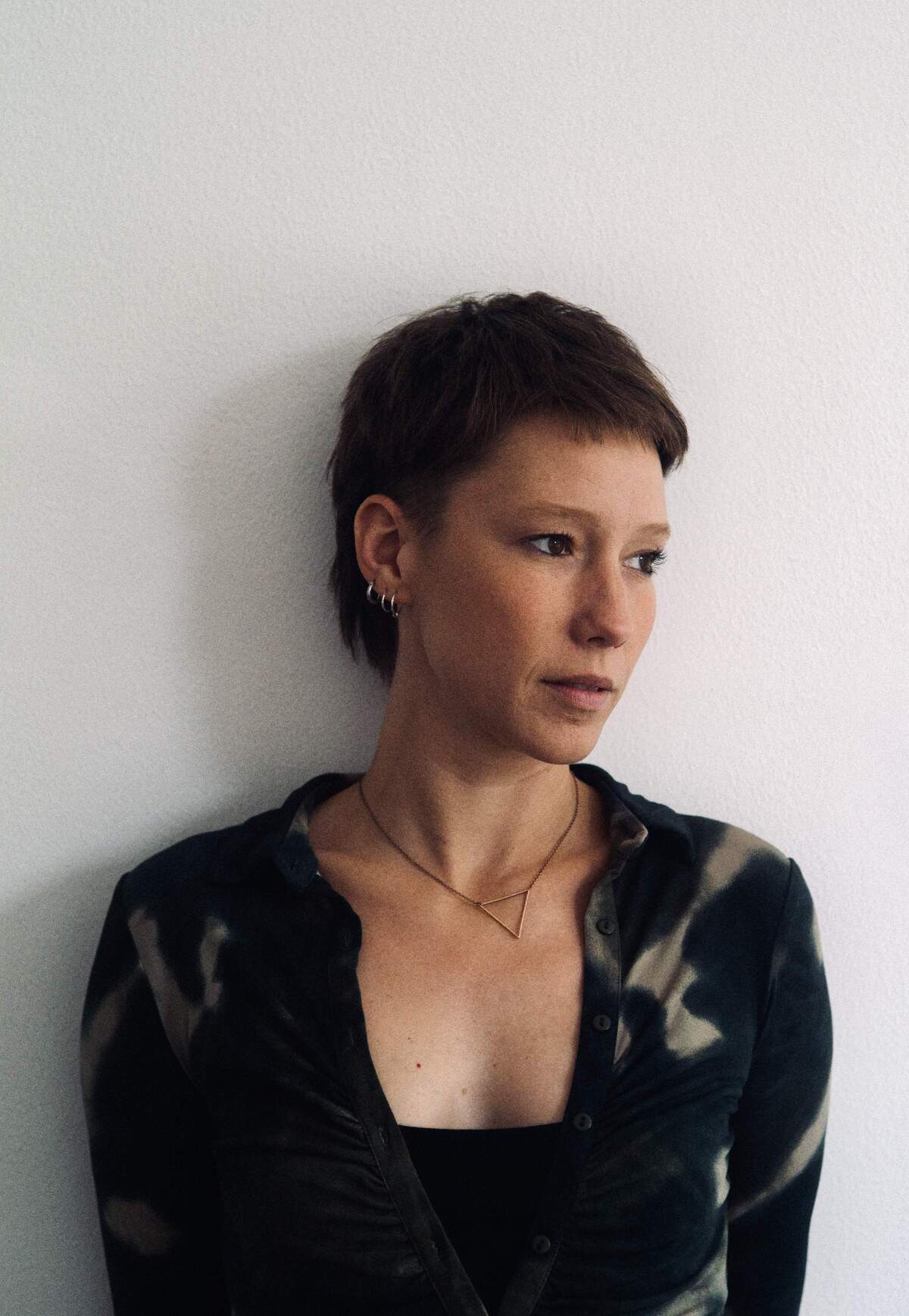
“I definitely sing my way through lots of questions on the album.”
Your new album, ‘Four Ways To The Sun,’ feels like a beautifully curated exhibition of suspended moments. The press release mentions the “besieged purity of Karen Dalton” and the “caustic edge of PJ Harvey” as points of reference. Yet, the music itself exists in a space that is both intricate and minimal. The album explores love, but not a romantic, sun-drenched kind of love. It’s an “interrogative” love, “conscious of the delicate condition of love, how hard it is to arrive at, to maintain.” If each track is a question about love, which track is the most difficult question you’ve had to ask yourself?
Georgia Duncan: I definitely sing my way through lots of questions on the album, yes… and while thoughts on love are present, the harder questions I find are the ones around motivation and hiding in the safety of stagnancy, in a personal way but also in a wider political and societal sense. The lyrics of the song Linger are all questions, and I think they are the ones I have found most difficult to answer. It allowed me to recognise the rage and frustration I was feeling around why we sometimes remain quiet, and how courage might actually rise from our acknowledging the anger we feel.
You’ve said that songwriting is your way of processing what’s happened, what’s happening, and even what’s “going to happen.” How did you balance the act of processing the past with the strange element you describe? Did the album’s collaborative process with Ruth Goller, Yusuf Ahmed, and Harry Christelis reveal things about yourself that you couldn’t have foreseen on your own?
The lyrics and shape of the songs were pretty much there once the band became involved, but I was excited to move into the unknown of how each musician would bring their own style and sound to the project. Through the collaborative process, I encountered excitement, insecurity, attachment/unattachment, and boldness in terms of my relationship to musical choices. Also, my processing of the past became entwined with the realisation that certain songs or lyrics had predicted events that have since unfolded, so there is a strange blending of past, present, and future that exists when I listen to the songs.
The album explores the idea of belonging and how “social conditioning prioritises consumerism over care.” The track ‘Reasons’ is described as lucid, yet with a haunted air. What, in your mind, is the sound of that haunting? How did you and Ruth Goller, with her “vibrancy,” create that specific sonic texture?
For me, the haunting is maybe in the way the song has a comfortability to it in the repeated bassline and chords, but the lyrics look at our numbness of consumption and lack of care for the world. There is a small dissonance in that I enjoy. I had the melody of the bassline in my head for this one before, and I liked how it changed the song rhythmically from how it was with just guitar and voice, and the movement of it with Ruth’s tone is what creates that vibrancy, I think.
‘On The Walls,’ Yusuf Ahmed’s “sharp, staccato” percussion pairs with the lyric, “Can you say you’re happy here?” What makes a beat—the very foundation of a song—the perfect vehicle for an interrogative lyric? What questions did the rhythm section, in particular, ask of the songs themselves?
I love how this song starts and the beat that Yusuf plays — I think it reflects the momentum and urgency of the questions I’m asking in it. There’s something of a push and pull in this one rhythmically too, how the pace shifts between the verses and chorus, then builds into the final section. I really enjoyed working with Yusuf in how he interpreted the songs through drums and percussion; he had such clarity and commitment to that and brought the songs alive in ways I didn’t know were possible.
The album’s final track, Stillness, exudes a “loaded calm, a sense of a peace earned, arrived at.” Given the album’s journey of endings, resistance, and surrender to change, what does that final moment of stillness feel like to you? Was it a destination or a temporary shelter from the storm?
Stillness feels like the perfect ending to this set of songs for me — it has an acceptance to it and a widening out from that internal dialogue which threads through the other songs. In a way, it was both a destination and a temporary shelter… there will be more questions to live through, I’m sure, but it also held an answer or two to keep me going.
You didn’t initially set out to make an album. The songs simply “arrived” and later represented a “particular time and particular turn of [your] mind.” What was the singular moment or realization when you decided these songs had to be an album?
I actually have to thank Harry Christelis for this — after playing him the new songs and vaguely wondering about recording a few of them for an EP, he suggested going for it and making an album, why not if the songs are there. It seemed like too big a task, and I was stuck between some fear and the safety of not sharing, but it’s true they are a representation of a very particular phase, so now it feels great they all live together.
I’m very grateful to him for being a yes person and the encouragement to go for it.
‘If I Asked’ is described as “wholly arresting” and “wholly absorbing,” while ‘Linger’ is “something else again” with its “sinister, buzzing, terse, uniquely acidic opening.” How do you approach the shifts between two tracks that are so different in their core feeling?
The end of ‘If I Asked’ falls into a subtle chaos musically, the clear song structure broken apart, and I really wanted the bass harmonics of the start of Linger to emerge out of this. The confusion, desire, and wanting of one song into the reality and bluntness of slow realisation in the other. Different, yes, but connected through that journeying, and I think the musical choices were able to reflect that.
How do you, as a songwriter who has previously worked in a more singular way, balance your personal, lyrical vision with the independent musical voices of your collaborators?
I am very inspired by Harry, Yusuf, and Ruth and the music they all make, so I felt comfortable bringing the songs and seeing what organically unfolded between us. There were certain sections I had more of a clear vision of the sound and feel, but generally what came out as we played and discussed the songs together felt right, and I could trust that shift from the singular to collaborative.
‘Song From A Yew’ is described as an ancient folk ballad that “rises like a forest mist.” What “eternal truths about the nature of love” did you want to convey with this song?
Hahaaa, big question! It’s hard for one person to say what eternal truths are really, but for me that song helped me understand the cycles and bravery around loving, letting go, and continuing to hold people in love after they are gone with acceptance and care rather than avoidance. And the very simple but profound way that concept is reflected back at us in how we witness the seasons affect the environment. We need to winter and accept change as much as the trees do; I forget that sometimes.
The album marks a shift in your songwriting, where you could imagine extended sections and how other instruments and textures might weave around them. How did this new approach change the way you write songs now?
Mmm, yes, I am thinking wider sonically and also attempting to write from a different starting point than guitar and voice. Breaking the habits. I have spent the past year living more nomadically, moving through multiple environments with all the variety of sounds they bring, and I feel that is impacting me too. A fluidness is entering, and I am intrigued by the new textures and sounds that will bring to my writing.
When you are in the studio with these improvising musicians, how do you find the line between structured composition and spontaneous exploration?
It was a gentle mix of both… because the songs were pretty much there, we had those structures to work with, but parts could open up more, such as the end of ‘The Walls’ or ‘If I Asked,’ and then we would jam and explore what was possible. Song From a Yew always remained an improvised bed of sound which the words could find their way along above. I’d like to be more bold with spontaneous exploration going forward; it is still fairly new ground for me.
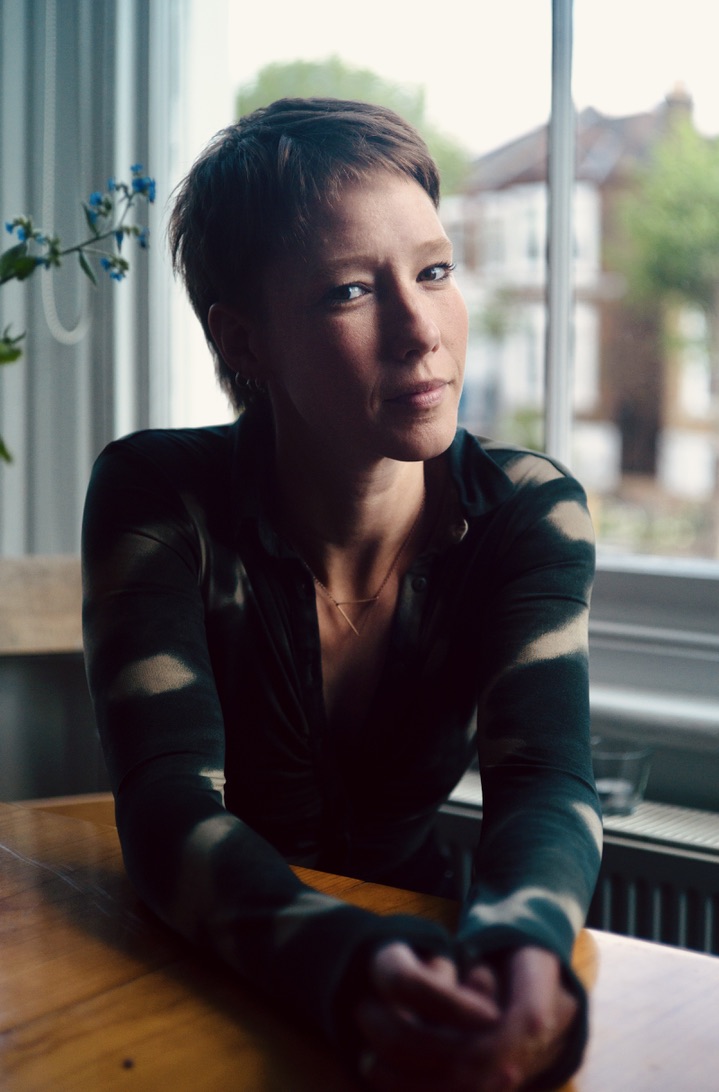
The final track features members of a community choir that you have led for eight years. What does it mean to have their voices, a reflection of your community work, on the album’s last song?
It felt really important because it was also marking an ending of teaching them and a few other choirs in London. I find myself to be at my most joyful when leading people in singing, and deciding to stop that in search of something I didn’t fully know or understand was a hard call to make, but yes, hearing all their voices join in at the end still makes me smile each time. And again, it is a shift from that more singular focus and internal questioning into a wider, community-led awareness of the experience of being alive now — that is where I want to continue from.
Klemen Breznikar
Headline photo: Pedro Velasco
Georgia Duncan Website / Instagram / Bandcamp / YouTube
Clonmell Jazz Social Website / Facebook / Instagram / YouTube