

Forever Now: Eternity’s Children — High Moon Resurrects Two Lost Sunshine-Psych Southern Pop Masterpieces
How does a band from Cleveland, Mississippi end up recording with Curt Boettcher, touring with the Temptations and the Stones, and making a blink-and-you-miss-it appearance in The Graduate?
And at what point did the group’s direction become, wholly different and entirely “now”? Eternity’s Children came together after the breakup of a local group, with Roy Whittaker helping land college gigs, Gulf Coast club work, and a house-band slot at Biloxi’s Vapors Lounge. The sound changed fast once Linda Lawley joined, pushing the band toward tight vocal arrangements that caught the ear of producer Keith Olsen. Dallas sessions led to an A&M deal and a move to Los Angeles, where, as Whittaker puts it, “We knocked them dead at the Whisky a Go Go.”
The 1968 self-titled album, produced by Olsen and Boettcher, delivered the hit ‘Mrs. Bluebird,’ written by Bruce Blackman, and remains a strong document of the band’s harmony-driven pop. A month later they cut ‘Timeless’ in Bakersfield with Gary Paxton and Clarence White, but the album was shelved in the U.S. and became a collector’s myth.
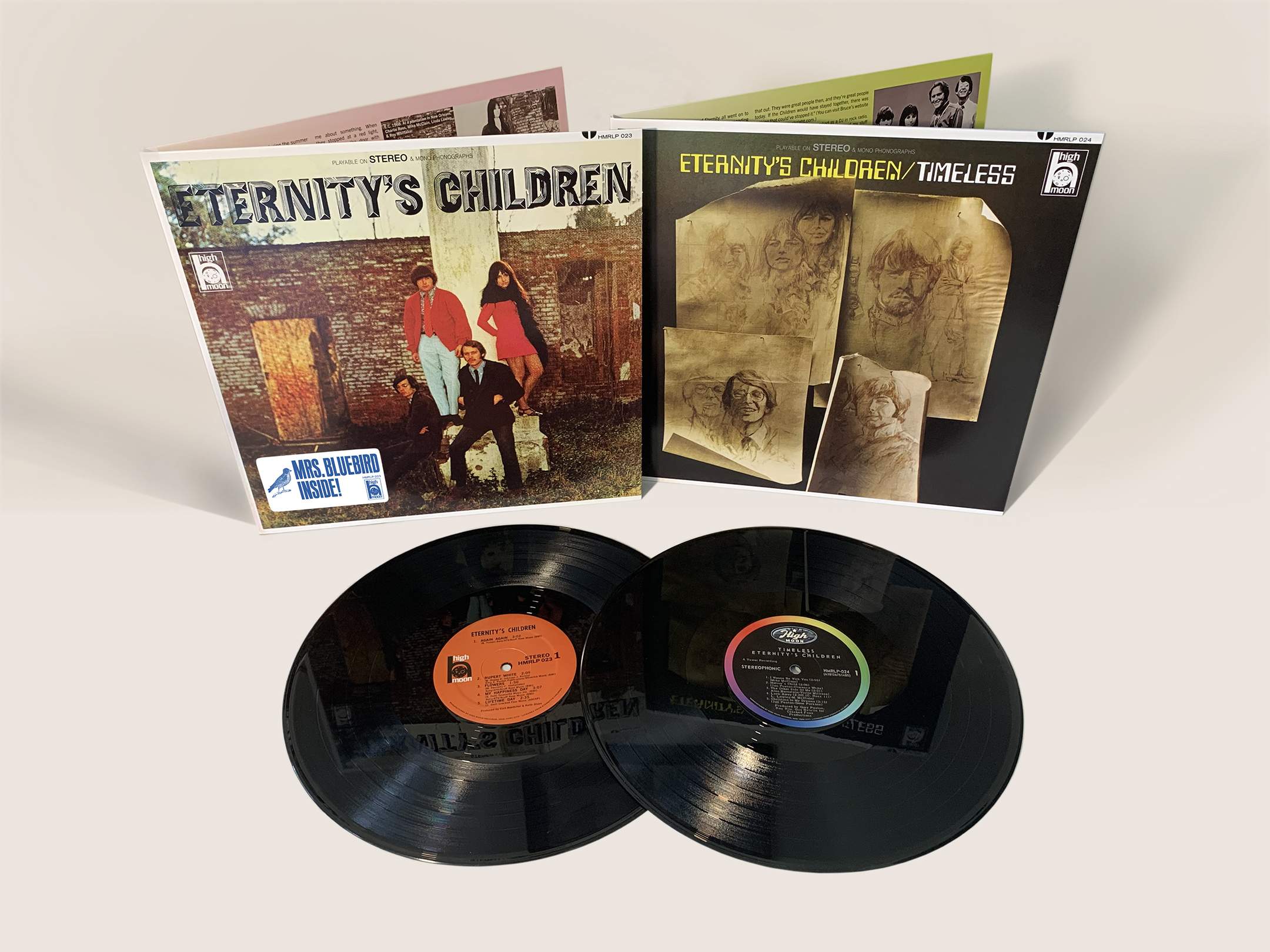
High Moon’s vinyl reissue finally restores both albums with proper sound and context. Bad management and label problems may have cut the story short, but the records prove the band had far more than one moment in them.
“We were like a family and really enjoyed each other.”
Can you take us back to your earliest musical memories? Was there a moment when you knew you wanted to become a drummer?
Roy Whittaker: I knew I wanted to be a drummer when I saw Buddy Rich on The Tonight Show when I was a sophomore at San Rafael HS in California (1961)… Formed a group called the “Midnight Ramblers” and played locally.
What was the drumming style or technique you were pursuing in the early-to-mid 60s? Were you influenced by the British Invasion drummers (Ringo, Watts, etc.) or more by American jazz/R&B players?
Was influenced a lot by Jabo (eventually ended up with The George Woods Sounds of Soul Band), Charlie Watts, Buddy Rich, Gene Krupa, and Ringo, of course.
What was the music scene like in Cleveland, Mississippi in the mid-60s? How did the Delta blues heritage perhaps intersect, or contrast, with the emerging pop and rock sounds you and Charlie Ross were pursuing?
Mostly blues and bar hangouts at first… then it was the Beatles, Dave Clark Five, Stone Ponys, LA rock groups, Mamas & Papas, Fifth Dimension, and the English influence as well…
Before Eternity’s Children, the core lineup was established in The Phantoms. Can you describe The Phantoms’ sound and repertoire? Was it primarily a cover band, and if so, what artists were you covering?
Basic rock and roll & blues… They were just a local band playing local gigs and opened for a few acts… Really just getting their feet on the ground…
How did you, Charlie Ross, and Bruce Blackman come together in The Phantoms? What was the dynamic like between the three of you creatively and personally?
I was not with The Phantoms (they were in breakup mode). They were a basic local Greenville, Mississippi group and broke up… That is when we put Eternity’s Children together, and I got us gigs at colleges and country clubs and landed us as the house band at the Vapors Lounge in Biloxi, Mississippi… We were well known on the Mississippi Gulf Coast at the Fiesta Lounge, Gus Stevens, The Beach House, and in various New Orleans clubs.
When did you feel that the group’s direction and sound were evolving into something “wholly different” and “entirely ‘now,'” which prompted the name change? What were the specific musical elements that necessitated a new identity?
We put together a totally new band with bass guitar, lead guitar, rhythm guitar, organ/piano, and drums… Basically a Top 100 band with unique Bruce Blackman originals…
Who suggested the name Eternity’s Children, and what was the rationale behind it? Did it signify a specific connection to the burgeoning psychedelic or “cosmic” pop scene, or was it simply meant to sound “now”?
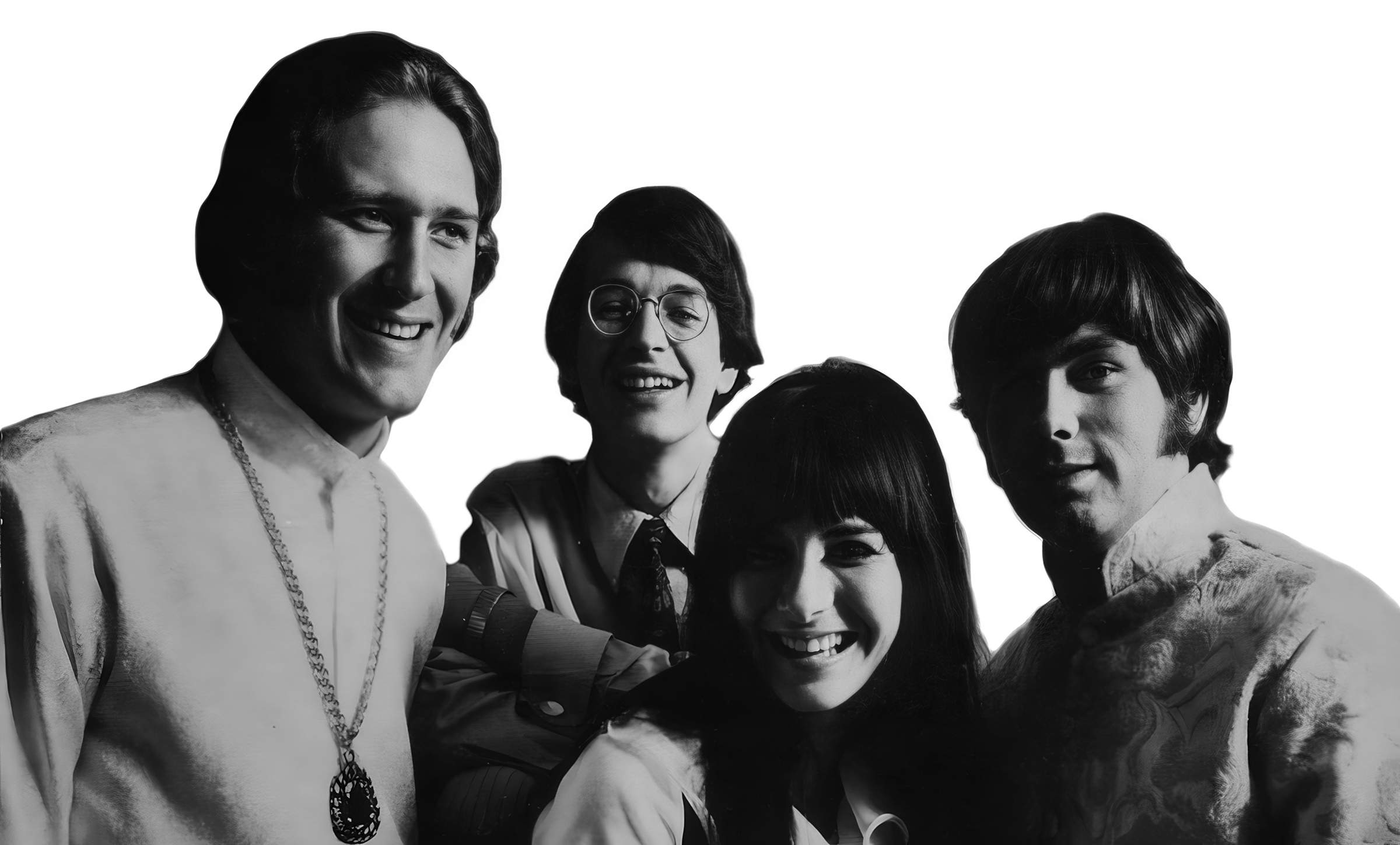
I suggested the name (I actually had a dream about the band playing forever/eternity and told Charlie about it and shared it with the group). We all agreed and named the band “Eternity’s Children” based on the premise that the group would be around for a long time… It was not connected or based on anything other than that belief… We felt we had put together a group of awesome talent that would be around a long time and secure a place in music industry history… We were like a family and really enjoyed each other… We have stayed that way today…
The newly-dubbed Eternity’s Children worked the New Orleans club circuit. What was that scene like compared to Mississippi? What kind of venues did you play, and how were you received by Gulf region audiences?
Lots of clubs in New Orleans, Baton Rouge, Shreveport, Bossier City, Lafayette, colleges like LSU, Louisiana Tech, and SW Louisiana College… We were well liked in Louisiana, also opened for groups like the Stones, Eric Burdon, and Vanilla Fudge in Tulane Stadium when stadium concerts were just getting started…
How did the addition of Linda Lawley change the band’s chemistry and sound?
Put us as one of the most recognized groups of bands like the Stone Ponys, the Hollies, Mamas & Papas, Fifth Dimension… She was the best…
Keith Olsen, a former member of The Music Machine, was your early champion and producer. How did you first cross paths with him in Dallas? What was his vision for Eternity’s Children’s sound?
We met Keith when The Music Machine played with us in Mississippi at the Vapors Lounge, and we played with them in Los Angeles… Ron Edgar (Music Machine drummer) and I became great friends, and we all used to hang out, sit in with other bands, and play on Sunset & Hollywood Blvd in LA on weekends when we were recording… Keith always wanted to produce us… He hooked up with Curt Boettcher when we did our first album in Dallas… Those guys were really sharp on the studio machines…
You recorded a pair of tracks in Dallas that led to the A&M signing. Which tracks were those, and what specifically about them do you think convinced A&M to sign a band from the Deep South?
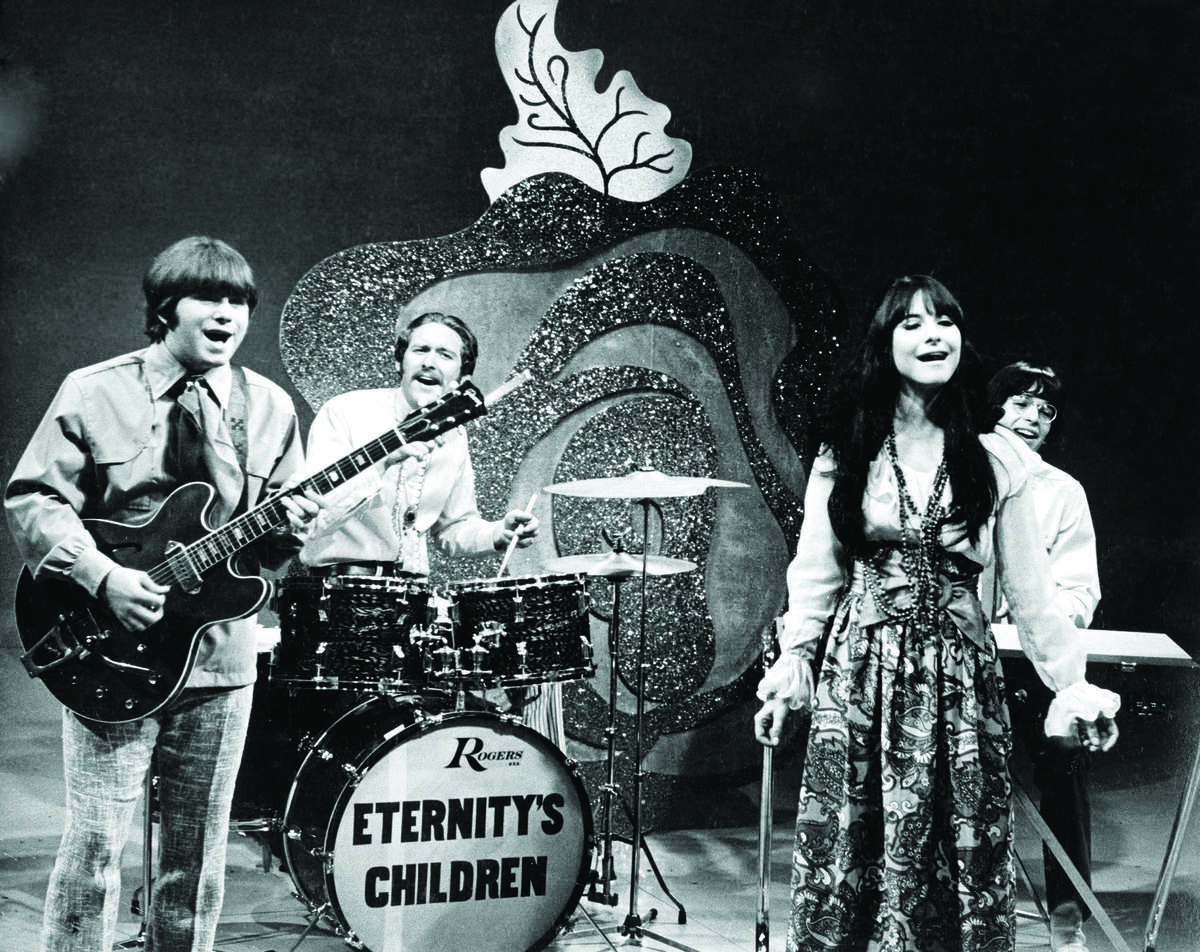
Those two tracks were ‘Rumors,’ penned by Bruce Blackman, and ‘A Taste of Honey,’ penned by Herb Alpert. Those were the two tracks that A&M really liked that got us signed… ‘Rumors’ became the A-side, and we recorded the B-side, ‘Wait and See,’ in the A&M studios, a song penned by David Gates, who we met when we played in New York in the Village at Café A Go Go with Al Kooper & Blood, Sweat & Tears… Bruce Blackman was our key to being signed by A&M… They really liked his creativity and style… As you know, Bruce knocked it out of the park when he left our group and formed Starbuck… We are all still great friends… I believe a few of the tracks that showed our versatility and got A&M’s attention were some of our first recording sessions at Apollo Studios in Baton Rouge: ‘Time & a Place,’ ‘Can’t Put a Thing Over Me,’ ‘Cigarettes,’ and ‘A Taste of Honey’…
Relocating to Los Angeles in the summer of 1967: What were your initial impressions of the burgeoning L.A. music scene? Was there a feeling of being outsiders, or were you immediately welcomed into the “Sunshine Pop” fold?
We loved it… Doing all the TV shows, playing gigs, and hanging with all the local groups… We were accepted well… LA and the local bands liked our group and our sound… We knocked them dead at the Whisky a Go Go, Hullabaloo, and The Cheetah Club with groups like The Seeds, The Doors, The Strawberry Alarm Clock, Paul Revere & the Raiders, Fifth Dimension, James Cotton Blues Band…
You played alongside acts like The Seeds, Country Joe and the Fish, and Three Dog Night. Can you share an anecdote or two about touring or sharing a bill with any of those legendary bands?
Don’t forget Eric Burdon, Vanilla Fudge, The Doors, The Rolling Stones, The Temptations, Beach Boys, Four Tops, the Fifth Dimension, Peppermint Rainbow, and so many more… I think we played with or opened for just about all the groups at that time except the Beatles… Most all the groups were cool and fun to be with… Two groups that come to mind and were a pain in the ass and never got along with anyone were The Doors and Eric Burdon… Loved playing with John Fred & the Playboys and Paul Varisco & the Milestones in New Orleans, and Tim Whitsett & the Imperial Showband in Mississippi…
The mention of a “hitherto-undocumented cameo in the film The Graduate.” Can you shed any light on this? What was the context of the appearance, and do you recall the circumstances surrounding it?
Charlie Ross, Bruce, and I got our parts that consisted of just hanging outside the Whisky a Go Go and tipping our hats to Dustin Hoffman and Katharine Ross as they came out of the Whisky fighting… I tried to hit on Katharine and didn’t get very far… Our part got cut in the TV version… still in the original film…
When the A&M single failed to chart, you returned to Louisiana, prompting Bruce Blackman’s departure. What was the internal reaction to the A&M release not breaking nationally?
Just one of those disappointments… Went back to clubbing and playing colleges & clubs and started working on new recordings with Papa Don Schroeder in his Pensacola, Florida studios… Hated losing Bruce, but our management sucked and led to his departure… Eventually got to all of us along the way…
Mike “Kid” McClain joined on keyboards. How did his style and personality differ from Bruce Blackman’s, and how did that shift affect the band’s subsequent material and live performance?
Both were excellent, talented musicians… Mike fit right in, and we had another talented musician that could really play the ivory… He has his own studio in Texas now… “McClain’s Recording”…
Tower Records had an incredibly eclectic and intriguing roster (Pink Floyd, The Standells, Harry Nilsson, etc.). How did the deal with Tower come about, and what were your hopes for being on a Capitol sublabel?
When we were living in Hollywood and recording with A&M, we were playing local clubs, touring, and doing TV shows. Tower expressed an interest in the band. We signed with Tower and didn’t stay with A&M after our first single with them didn’t do well… We recorded the Timeless album for Capitol in Bakersfield. Gary Paxton produced it for us, and it never got formally released until this year by High Moon Records…
You returned to work with Keith Olsen, but this time with the legendary Curt Boettcher. What was it like working under the combined direction of Olsen and Boettcher?
Awesome… It was amazing to watch them work in the studio… They had so much imagination and artistry in the harmonies and the way they put the tracks together on tape…
Boettcher is synonymous with the Sunshine Pop sound and sophisticated vocal arrangement. Can you describe his approach to the band’s vocal harmonies? Was he demanding?
Very precise in the way he worked with each person’s voice and capabilities… He was like an orchestra conductor, knew what he wanted and how he wanted the final product to sound…
Do you recall any specific production techniques or studio moments from the sessions that were particularly influential or memorable?
It was amazing the way they set up the microphones and bounced from track to track on the multi 8-track recorders in the studio (they called it “pinging”)… I remember a similar setup Gary Paxton used in Bakersfield when we recorded in his studio (an old converted bank) and how he ran the reverb through an old bank vault… Our producers were amazing…
‘Mrs. Bluebird’ was your biggest chart success. Can you discuss the genesis of that song? Who wrote it, and what was the feeling when you first recorded it?
The song was written by Bruce Blackman… A really happy song that everyone can sing along with, and you don’t forget the words or the song once you hear it… Also, lots of comments on the bird chirp at the beginning… As I recall, I believe I was the one that suggested and put the bird chirp in the final mix…
What was the band’s reaction to finally cracking the Billboard and Cash Box charts? Did you feel like you had “arrived”?
For sure… It was a real deal when we started doing well-known TV shows and playing concerts as the billed act… Also gave us the recognition we needed so that other popular groups wanted us to open for them…
Beyond the single, which tracks on the debut album do you feel best represent the band’s sound at that time?
‘Mrs. Bluebird,’ ‘Little Boy,’ ‘Sunshine Among Us,’ ‘Your World,’ ‘My Happiness Day,’ ‘You Know I’ve Found a Way’…
Can you share the story behind any specific deep cuts, such as the arrangement of a cover or the writing of a particular original?
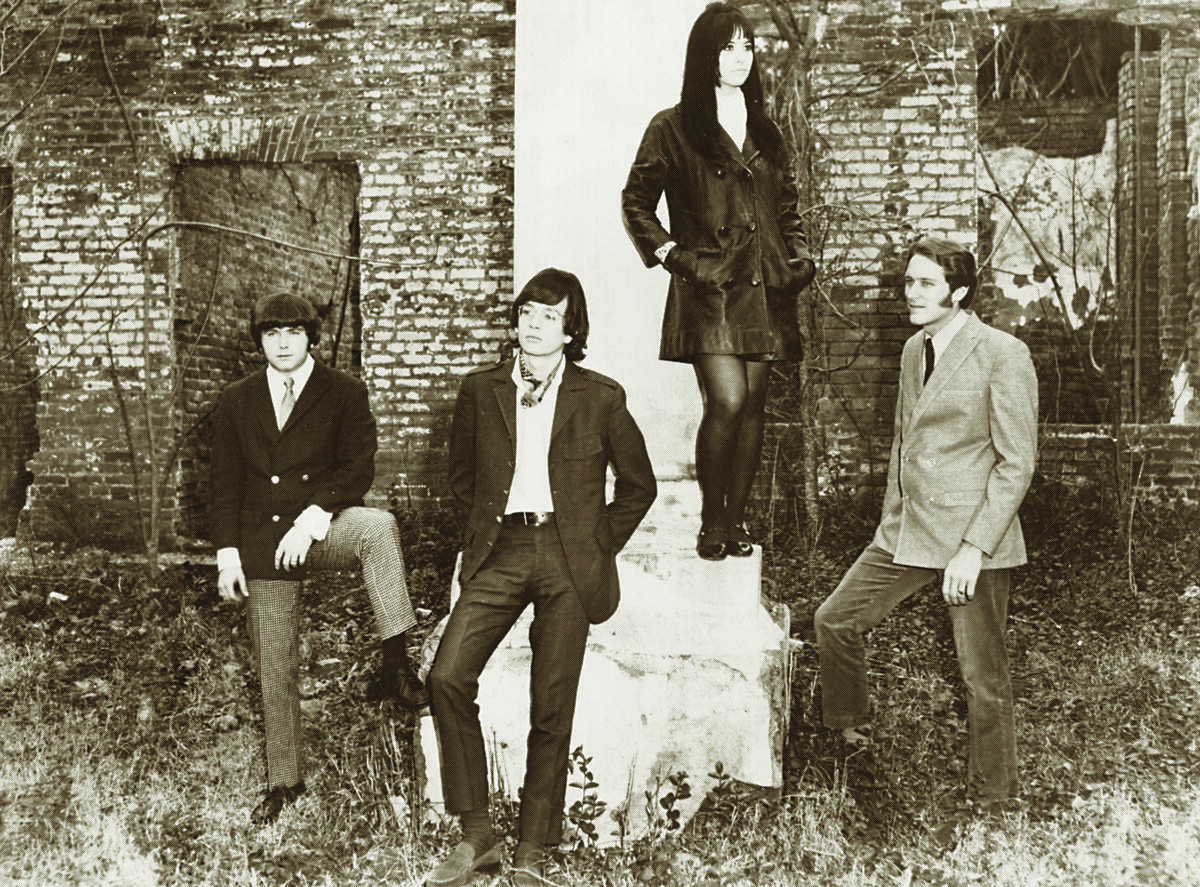
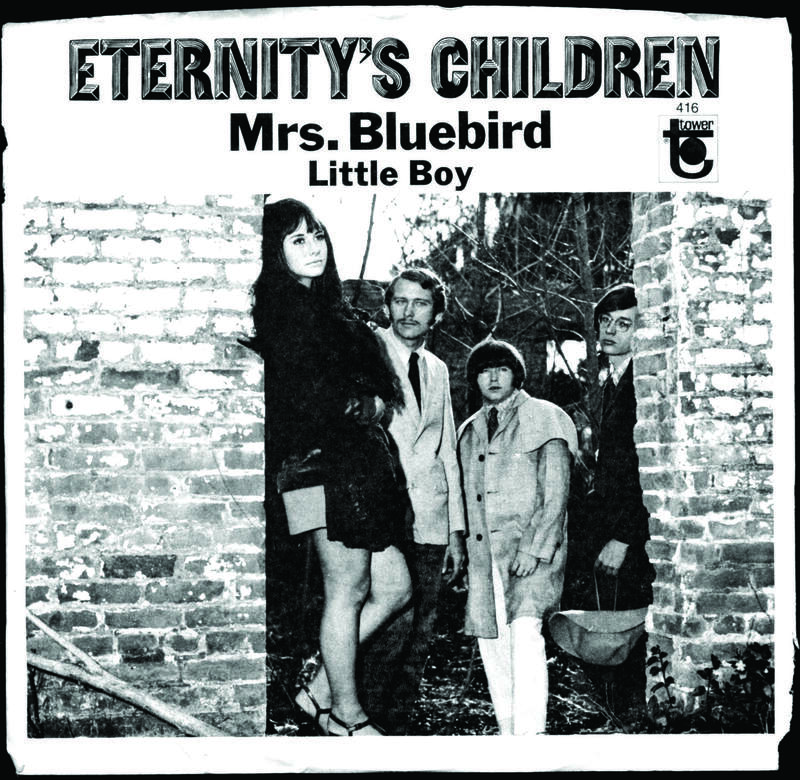
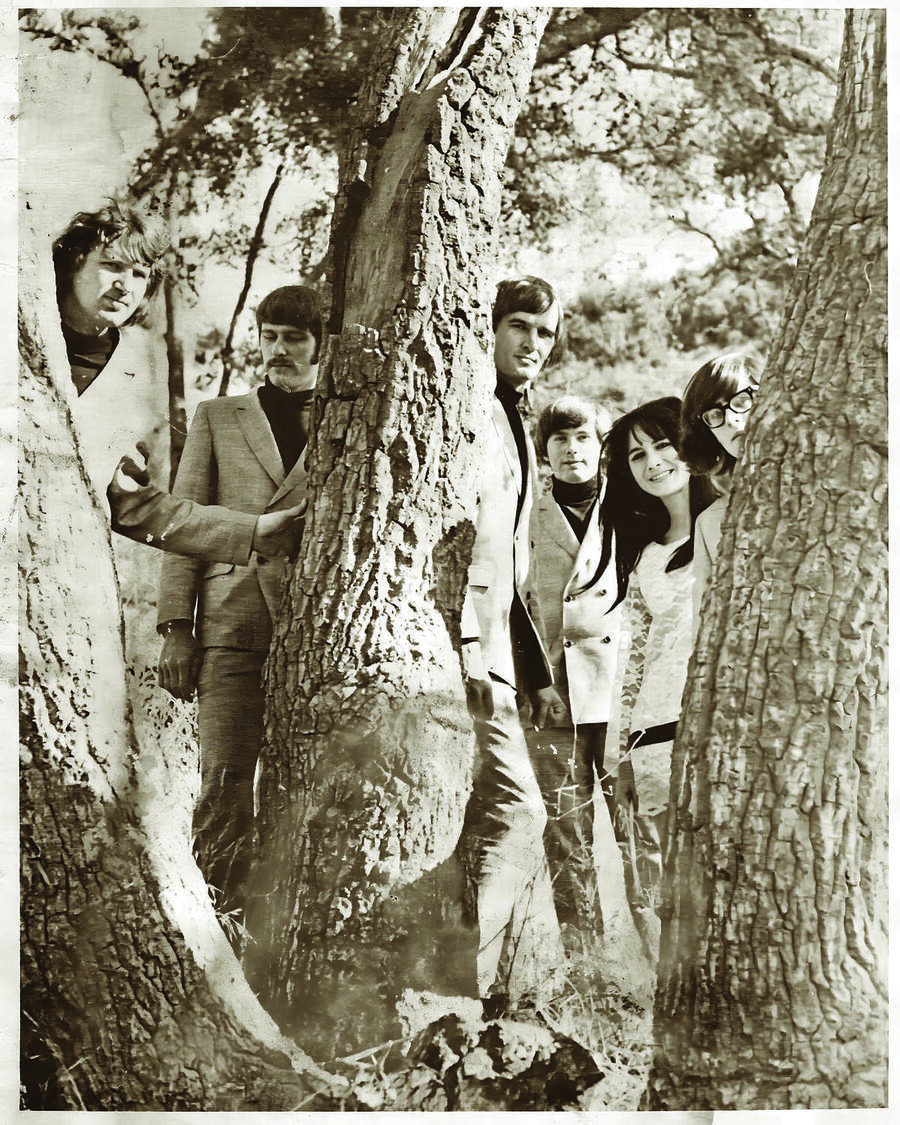
The first album cover was taken on the property of an old Louisiana mansion outside New Orleans… We were spending a lot of time playing in southern Louisiana and thought it would represent us as a real southern rock group… Picture on the second album was taken in Griffith Park in Hollywood… We spent a lot of time on harmony and vocal arrangements…
Just one month after the debut’s release, you were in Bakersfield recording Timeless with Gary Paxton. How did the connection with Paxton come about?
Gary heard the group playing in Hollywood and expressed an interest in producing the group, and we accepted… He was a blast to work with… Very talented in every facet of production… We stayed friends forever…
Did you feel any pressure to record another album so quickly after the debut?
I don’t think any of us felt any pressure on the second album… We were having a great time on the West Coast, and it was obvious Gary Paxton had his stuff together and we had some great stuff to record…
‘Timeless’ is a bit more soulful. Was this an intentional musical pivot by the band, or a direction guided by Paxton?
I believe it was a direction guided by Paxton and our desire to expand our concert playlists…
How did the atmosphere and working method in the Bakersfield studio compare to the sessions with Olsen and Boettcher?
Gary was another one that had a wild creative side and knew what he wanted on the tracks… We spent a lot of hours in his revamped Greyhound bus outside the bank playing tape and mixing sounds… His bus was his studio control room, and the bank was where the studio booths were set up where we played…
How did the collaboration with Clarence White and Gene Parsons come to pass?
The connection with Clarence White and Gene Parsons came from their working and writing relationships… We were fortunate to record a few of their songs…
Do you have any insight as to why Tower Records decided not to release Timeless domestically?
I don’t know why Tower made that decision… Probably caused by bad relations with our managers… Our managers certainly did not help us during our time together… They were behind all the breakups…
It’s stated that the band members never saw an original copy of ‘Timeless’ and thought the recordings were unreleased until the 1999 CD.
True.
Can you elaborate on the specific issues you faced with management or the labels?
We never got an opportunity to meet with the key players of the different labels… Our management kept us away… The only one that ever met with a key person of our labels was Bruce when he was part of the A&M deal…
Your last 45 was on Liberty Records in the spring of 1970. What was the material on that single, and how did the band’s sound continue to evolve?
I believe you are asking about ‘Till I Hear It From You’… We got a fair amount of airplay but no big push, and it faded… Gary Paxton definitely had us started in a new direction, and the band liked it, but things eventually broke apart… Management killed us…
Can you briefly touch upon your post–Eternity’s Children career?
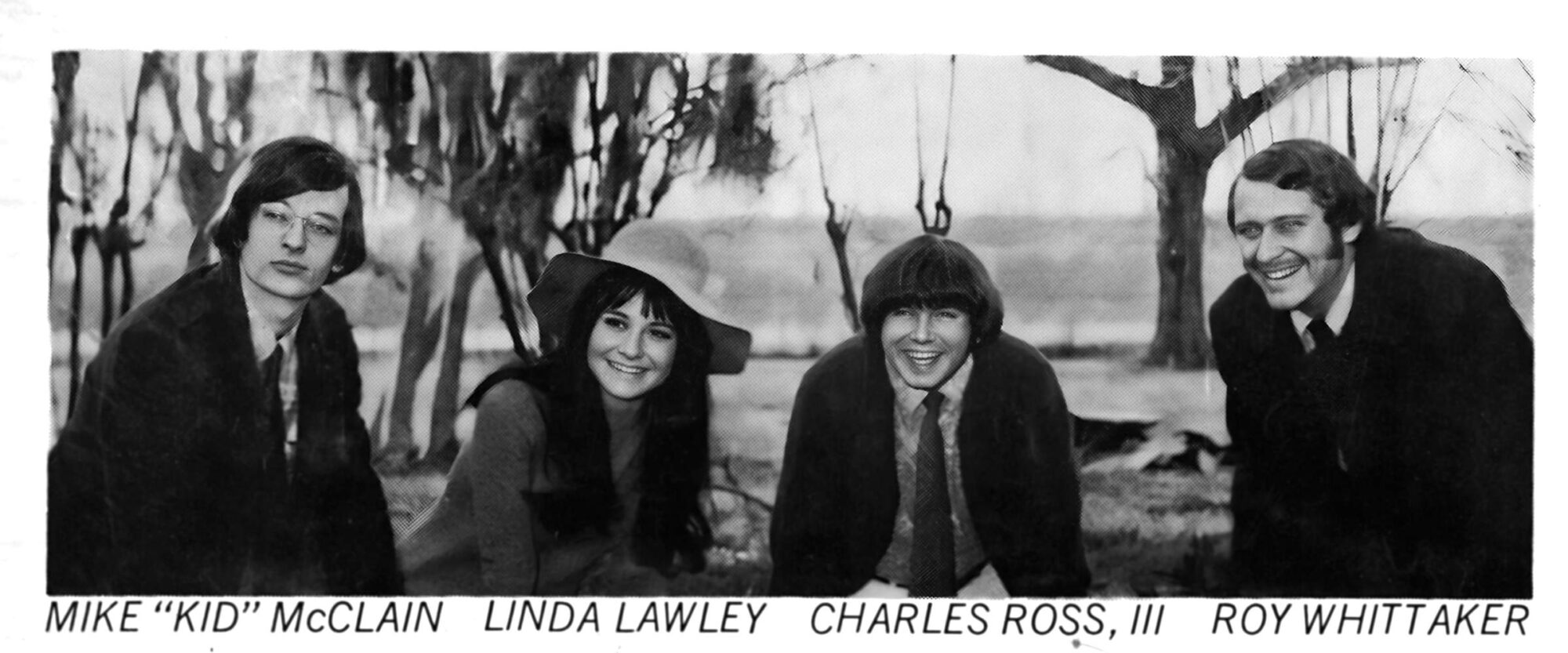
I went to work in radio as a DJ for WTIX in New Orleans and WLCY in Florida and went back to college (played in a studio recording session now and then for local groups) and hung up the sticks in the ’80s. Charlie Ross went to work in radio as a DJ in Mississippi and formed a band called the Krackerjacks (still playing gigs today). Mike McClain opened a recording studio in Texas (still actively working with many well-known artists), and Bruce Blackman has a studio in Georgia (still active) after retiring the band Starbuck (who he formed) and is still a very successful artist putting out number-one hits as a solo artist…
“We left a musical footprint for eternity that will never be filled.”
Now, with these two albums finally getting the deluxe vinyl reissue they deserve, how do you feel about the enduring interest in Eternity’s Children?
Very pleased… We were very fortunate in our endeavors, met a lot of interesting folks along the way, and left good memories out there for all to enjoy… Really appreciate High Moon releasing our albums and look forward to doing guest stints with the guys on the late shows and rock podcasts…
If you had to distill the story of Eternity’s Children into a single sentence, what would it be?
We looked to the future as Eternity’s Children with awesome talent, put that unique sound together with a lasting essence, we triumphed through the era playing with great artists, lacked that big second hit, and today are comfortable that we left a musical footprint for eternity that will never be filled…
Klemen Breznikar
Headline photo: Eternity’s Children
High Moon Records Website / Facebook / Instagram / X / YouTube / Bandcamp