
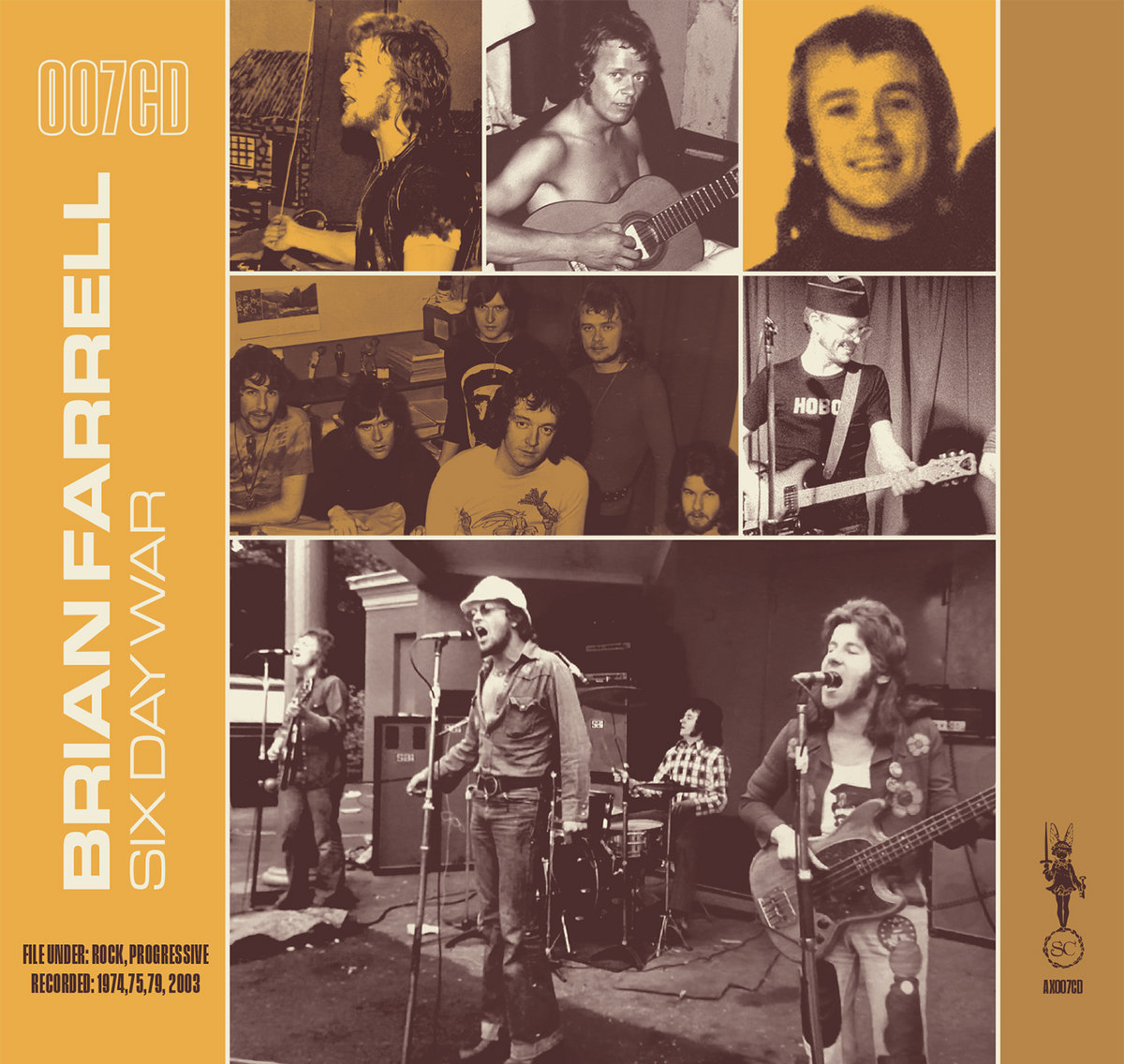

Brian Farrell: Previously Unheard Post-Colonel Bagshot Sessions Released by Seelie Court
Some songs have a funny way of hanging about. They slip out of sight for years, then turn up again as if nothing’s happened, only sounding a bit different, like they’ve borrowed someone else’s coat.
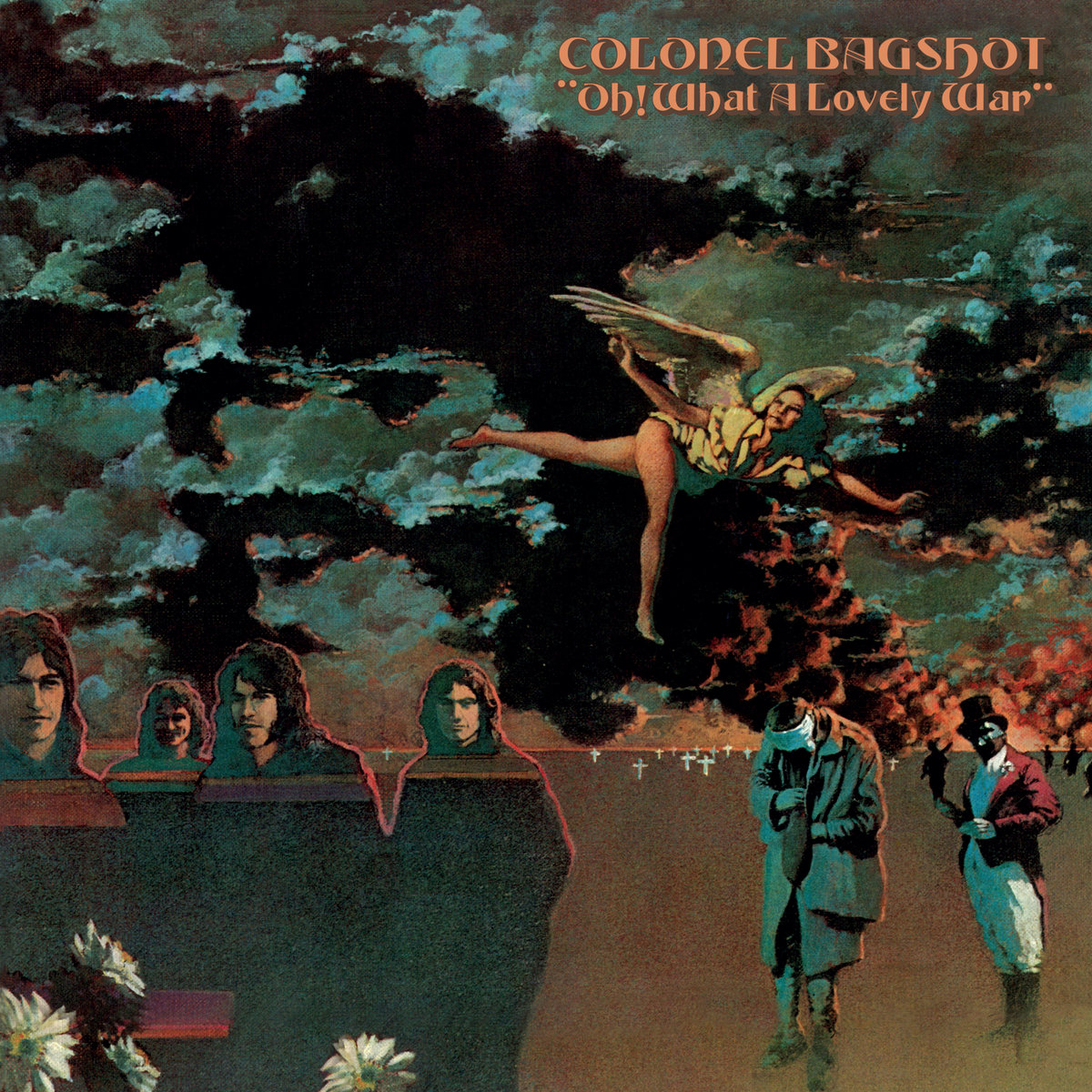
Brian Farrell knows that better than most. As the singer, guitarist and principal songwriter of Colonel Bagshot, he wrote ‘Six Day War’, the stark anti-war song that first appeared on the Liverpool band’s 1971 album ‘Oh! What A Lovely War’. The album itself had a strange fate. It was recorded in London, issued in the United States on Cadet Concept, a Chess Records subsidiary, but never properly released in Britain. Farrell later described that situation plainly enough: it was “released worldwide but never in the UK”, which meant almost no domestic promotion or airplay.
For years, ‘Six Day War’ was known mainly to those who had found the original record. Then DJ Shadow sampled it for ‘Six Days’ in 2002, and the song began another life altogether. Mahmut Orhan later brought it to a different audience again with his 2018 version. By then, many listeners knew the melody and atmosphere without necessarily knowing Colonel Bagshot, or the Liverpool songwriter behind it.
Seelie Court’s new release, ‘Six Day War’, restores Brian Farrell to the centre of the story.
Released on CD in association with Good Time Records, ‘Six Day War’ gathers previously unheard recordings made across several periods: the main body of material from 1974, further tracks from 1975, two Liverpool recordings from 1979, and a later closing version from 2003. The release brings together 19 tracks written by Farrell, including ‘Six Day War’, ‘Stackhorn Peak’, ‘Brothers And Friend’, ‘Arizona Tonight’, ‘The Dream Was Over’, ‘Liverpool Town’, ‘Make Mine Wine’, ‘The Miners Tale’, ‘Lord High Human Being’, ‘Stay With Me’, ‘That’s What I’d Like To Know’, ‘Life’s The Name Of The Game’ and ‘Six Day War – The End’.
The recordings begin in the aftermath of Colonel Bagshot’s breakup in 1973. Farrell has compared a band to a marriage between several people, and anyone with even a passing knowledge of music history will see the point. Bands rarely collapse for one annoying reason. More often ego, nerves, empty pockets and burnout all knot together until everyone is fed up. Farrell is not interested in apportioning blame. By 1974 he found himself needing somewhere to go next, and that need to keep writing and recording became the driving force behind the recordings that followed.
The answer, as so often in his life, was to close the door and not come out of the studio until he had something.
The 1974 sessions brought Farrell into contact with a remarkable group of musicians. Among those credited on the recordings are B. J. Cole on pedal steel, Mike Gregory on bass, Gerry Conway on drums, Zoot Money on keyboards, Peter “Ollie” Halsall on guitar, Andy Roberts on acoustic guitar, Vivian Stanshall on euphonium, and backing vocalist Yvonne “Sue” Wheatman. So you have pretty much everything there, not just a list of good players but a whole cross-section of progressive music from the early ’70s all in one place.
The presence of Halsall is rather something, really. Best known for his work with Patto, and later admired by many musicians for the originality of his playing, he appears on several of the 1974 recordings. Farrell had already mentioned, in my earlier interview with him, that unreleased versions featuring Halsall existed, and one of those versions of ‘Six Day War’ was premiered by It’s Psychedelic Baby! Magazine in 2022.
Other sessions widened the picture. In 1975, Farrell recorded ‘It Ain’t Easy’, ‘Look Like A Lady’ and ‘Livin 4 A Saturday Nite’ with a lineup including Kenny Parry, Dave Dover and Terry McCusker from the Colonel Bagshot circle, plus Big Jim Sullivan, Chas Hodges and Dave Peacock. Before Chas and Dave became a household name, Hodges and Peacock were already serious working musicians with deep roots in British rock and session life. Here, they appear as part of Farrell’s next chapter.
The 1979 tracks, ‘Arizona Tonight’ and ‘Life’s The Name Of The Game’, were recorded at Amazon Studios in Kirkby, Liverpool. They feature Farrell with Dave Dover, Steve Wright, Tony Green and Bob Galvin. Dover’s presence is important, not just as another name on the session but as someone who had been part of Colonel Bagshot and remained closely tied to Farrell’s musical world. He was, by Farrell’s own account, one of his favourite musicians. Steve Wright later became known for his television work, including music connected with ‘Brookside’, and at the time was working as a musician in Liverpool.
What makes ‘Six Day War’ worth hearing is that it isn’t just one for the sample spotters. It catches Farrell after Colonel Bagshot had gone, still writing, still trying things out, and still clearly with plenty to say. The songs move about a fair bit, as good songs often do, but the man behind them is unmistakably the same.
That may come from Liverpool itself. In his earlier interview with me, Farrell spoke warmly about growing up in a city where, as he put it, everyone either seemed to be in a band or knew someone who was. He remembered the Georgian Quarter, the art school, the Everyman Theatre and the Cavern as part of a wider bohemian atmosphere. Farrell was just as straightforward about his singing. He never said he was properly trained, just that he ended up fronting the band because he’s a bit of an extrovert. It’s very Liverpool, really… a bit self-deprecating and probably not the whole truth.
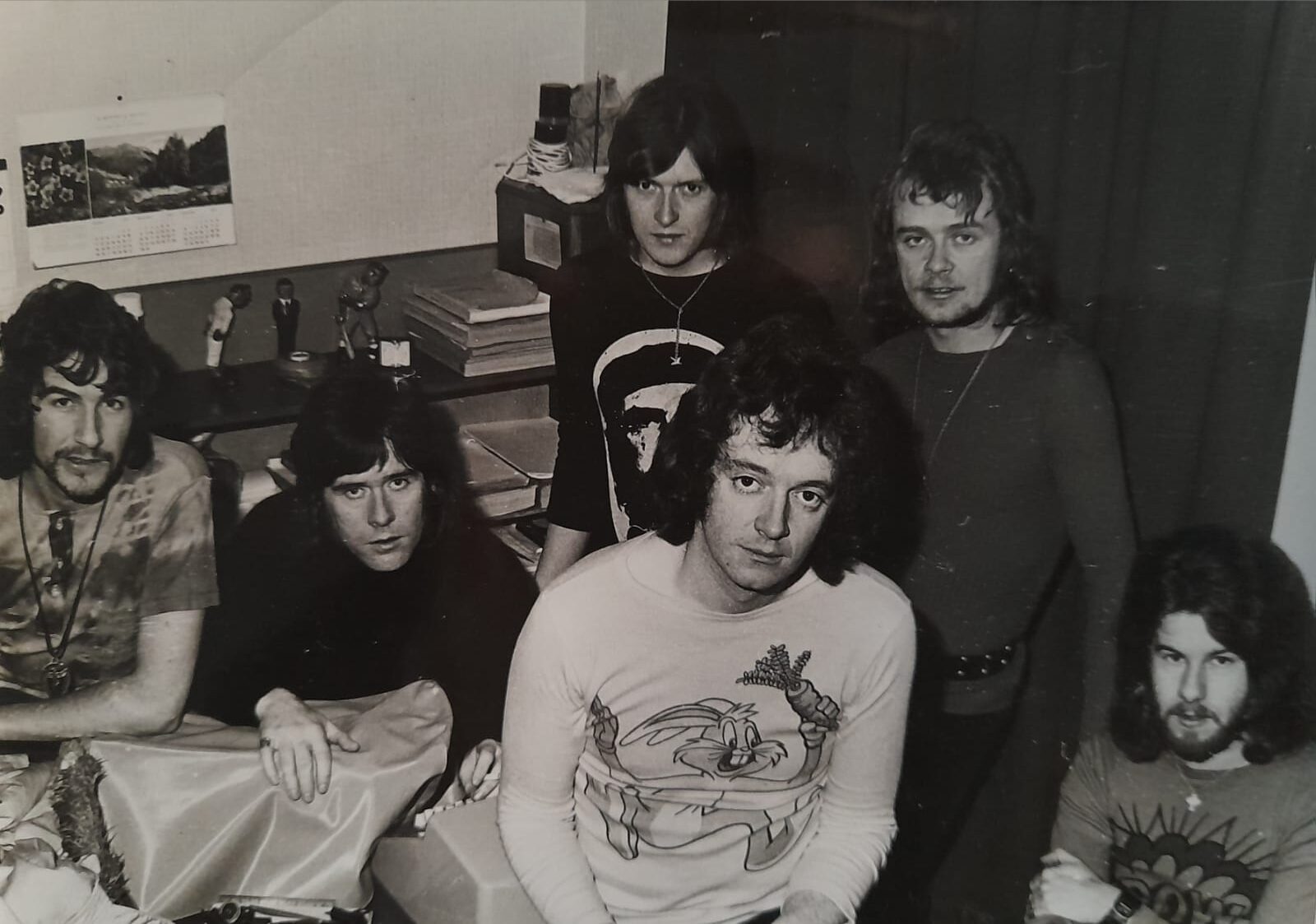
Before Colonel Bagshot, Farrell had been in Faggins Cupboard. Dave Dover saw him singing Otis Redding’s ‘Try a Little Tenderness’ and approached him about a new group. That group became Colonel Bagshot’s Incredible Bucket Band, a name born partly from a joke about a missing guitarist who had gone shooting on the moors. The name was later shortened, and the band eventually settled into the four-piece lineup of Farrell, Kenny Parry, Dave Dover and Terry McCusker.
Colonel Bagshot recorded singles for Parlophone and Polydor and made one album, ‘Oh! What A Lovely War’. Farrell wrote most of it. He has said he wrote all but one of the songs, including the title track and ‘Six Day War’. The latter was sung by Kenny Parry on the original Colonel Bagshot recording because, according to Parry, it suited his voice better. It’s one of those decisions that could have gone unremarked forever, had the song not reappeared decades later in a very different context.
That gives this new release a kind of sense of putting things right. In a subtle way, instead of claiming history got everything wrong, it is more like filling in the gaps that were left behind. ‘Six Day War’ lets listeners hear what Farrell did next, when the band had split. These recordings are presented without significant alteration, and they document a songwriter working with a group of musicians across a range of styles, including progressive and folk-influenced arrangements, with a Liverpool voice running right through it.
This release will naturally attract people because of Colonel Bagshot, DJ Shadow, Ollie Halsall, Zoot Money, Vivian Stanshall, Big Jim Sullivan, B. J. Cole and the other names attached to it. Fair enough, but the centre of the record is Brian Farrell!!! A Liverpool songwriter who kept writing after his first major chance had passed, and whose work has proved more durable than you would think.
If you were lucky enough to hear the original ‘Six Day War’, and there is still time, as Seelie Court recently released a fantastic reissue with a bonus single, you probably love it like I do. This new release gives Brian Farrell’s own story a more expanded view. For anyone interested in the lost Liverpool music scene, early 70s or the long afterlife of a great song, that makes it a very welcome recovery.
Klemen Breznikar
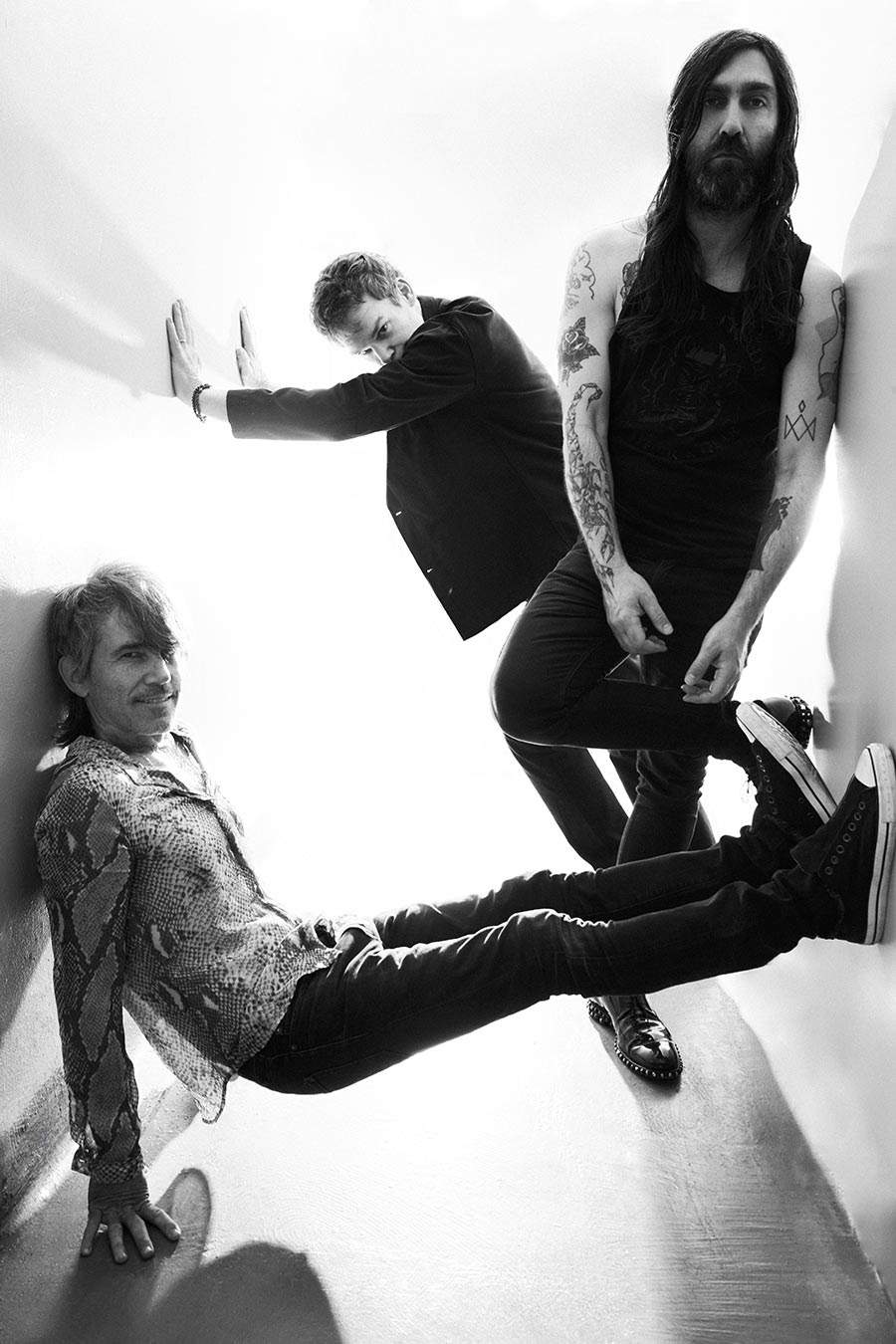
Headline photo: Brian Farrell (Credit: Seelie Court / Good Time Records)
Seelie Court Facebook / Instagram
Good Time Records Website / Facebook / Instagram

Great article Klemen thanks