
A Cult Story in Song: The Lost 1976 Rock Musical of The Kibbo Kift
Michael Björn interviews Maxwell Hutchinson and Van der Graaf Generator co-founder Judge Smith about the making of ‘The Kibbo Kift: The 1976 Rock Musical’ that now sees its first-ever release on Think Like A Key Music.
“The challenge for me is and remains tunes,” says Maxwell Hutchinson. “The tune counts.” Although more known as an architect of buildings such as Pink Floyd’s Britannia Row recording studios and a former president of the Royal Institute of British Architects, Maxwell initially wanted to be a rock star. And the belated release of ‘The Kibbo Kift: The 1976 Rock Musical,’ written together with Van der Graaf Generator co-founder Judge Smith, proves that he certainly knows his way around a tune. “I was listening to a lot of Schönberg, developing tunes with different tone rows and making them less diatonic,” says Maxwell. “They’re very odd, the tunes,” says Judge. Add to that the story of the Kibbo Kift that explores themes relating to authoritarianism, economic inequality and our relationship to nature that are incredibly relevant in this era of populism, AI destabilising jobs markets and climate crisis, and you have a quite exceptional piece of work.
Although these recordings were made 50 years ago, their story dates back further. Maxwell was a bookish and bespectacled boy who one day saw that Buddy Holly and Hank Marvin wore the same type of glasses as him. “I realised that if they could be acceptable to the general public and particularly to girls, wearing spectacles, it was obviously the guitar that did it. So I took to the guitar very early, about the age of seven.” Since his father, a respectable, well-dressed architect, did not favour guitars, Maxwell sold his toy train to get one.
He entered Oundle public school for boys in 1961 and that’s where he met Judge Smith. Maxwell started a school band, for which he wrote songs and also sang. “We used to play on the school stage before the school watched a film,” he says. “Judge wasn’t in that, but we both played the drums in the school’s military band.”
After public school, Maxwell went to Aberdeen to study architecture, and started another band, Cousin Mary. They were quite successful locally and toured north Scotland. “We must be one of the very few rock bands in the United Kingdom that had a shovel to dig us out of the snow,” he comments. Judge had a year before he could enter Manchester University and went to America with a school friend, where he ended up becoming friendly with Country Joe & The Fish and saw bands like Quicksilver Messenger Service and the Doors. Inspired by his experiences, he made up a list of possible band names on the way back to England. One of the names on that list was Van der Graaf Generator.
By 1969, Maxwell had finished his first architecture degree and was back in London, where he and Judge again met up and formed the band Heebalob. The only surviving track is ‘Almost Twenty-Three’ with music by Maxwell and words by Judge. However, a demo of the Judge Smith / Peter Hammill co-write ‘Imperial Zeppelin’ with Maxwell on saxophone and Heebalob drummer Martin Pottinger was also made. With Judge singing, it was recorded in April that year in a cheap demo studio on a farm in Hampshire.
After taking a second architecture degree, Maxwell started working as an architect, and again he resumed activities with Judge. “In fact, he worked for me casually as an amateur surveyor. And I paid him and that allowed him to spend time on music,” says Maxwell. In 1973 they were going to start a band called Five Jolly Jivers, but nothing more than a couple of demos with Maxwell on piano and Judge on vocals, recorded at Eden Studios in Kingston upon Thames, came of it.
However, they continued collaborating, and by 1975 they were dreaming up an ambitious progressive rock concept double album. “We wanted something to do. So we thought, well, let’s write a big piece of narrative rock music, a double album,” says Judge. “We wanted to choose a subject from between the First and Second World Wars. I wanted it to be something about charismatic leaders and their followers,” continues Judge, who, after a stint in Scientology, was interested in the dynamic between leaders and followers. “Eventually, I found the Kibbo Kift, which was a breakaway movement from the Boy Scouts.”
“Judge started the research at the newspaper library on the outskirts of London,” says Maxwell. “And he gradually discovered what a complex but interesting movement it was.” Judge had continued his research at the British Museum Library and found fascinating documents and books on the subject. “We started writing from there,” he says.
“Sometimes I wrote the tunes first and then Judge put the words, but more often Judge was telling the story through his lyrics. And I had to try and make the music fit the lyrics and also fit the story that we were telling,” says Maxwell. “Little did I know how much was involved in writing a large-scale work. It was one song after another and I had to come up with different tunes and different rhythms, and different riffs. It just happened. When I look back on it, I don’t know how.”
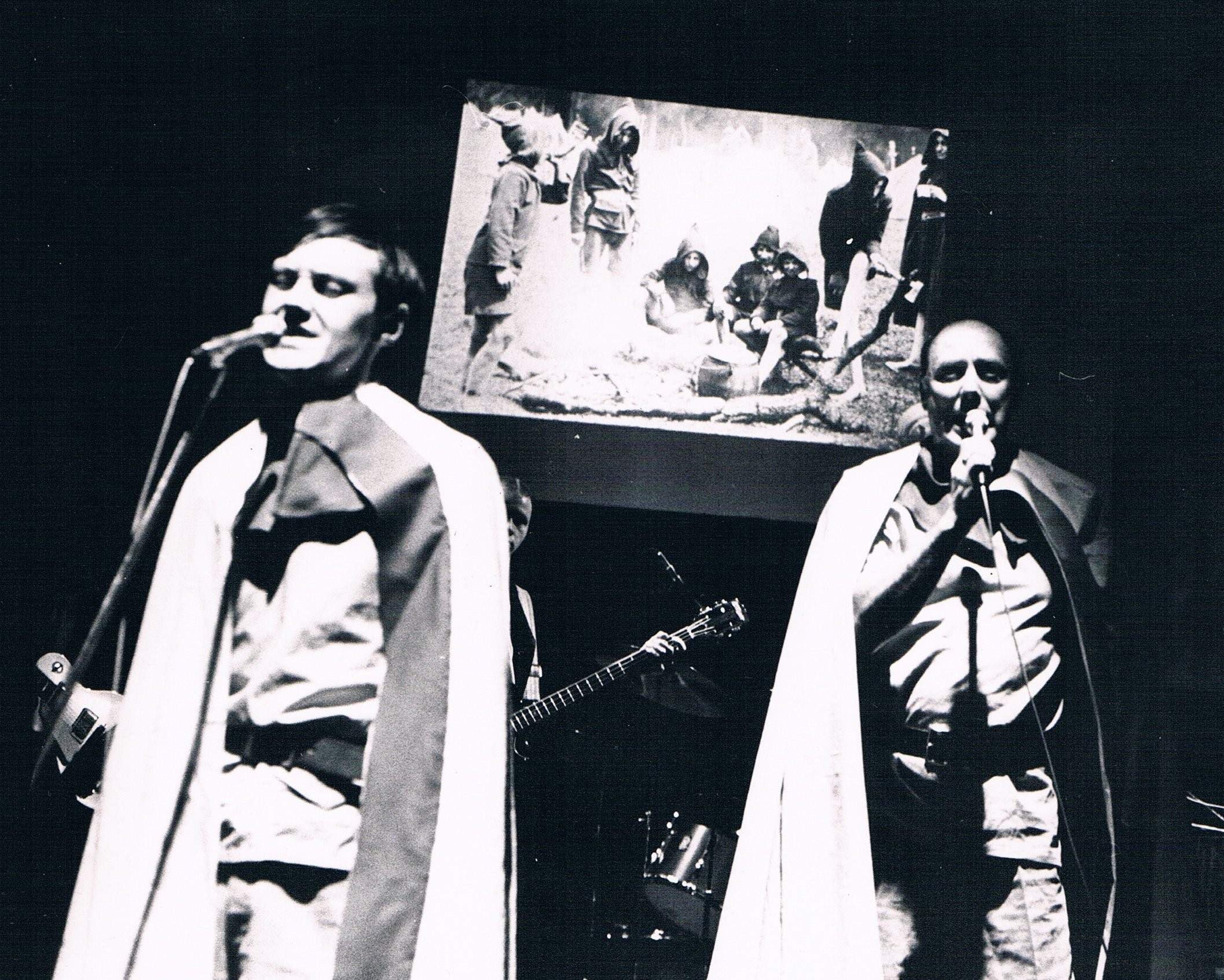
The song story starts and ends in 1975, their then present. When a young man wants to leave home to join a cult, his father tells the story of how he himself as a young man half a century earlier had joined the Kibbo Kift, an anti-war breakout from the Boy Scouts who had become quite militaristic during WWI. Movement leader John Hargrave had taken many scout masters and their troops with him. “They wanted to do camping and involve family groups, girls as well as boys,” says Judge. “They made their own tents, costumes and handicraft.”
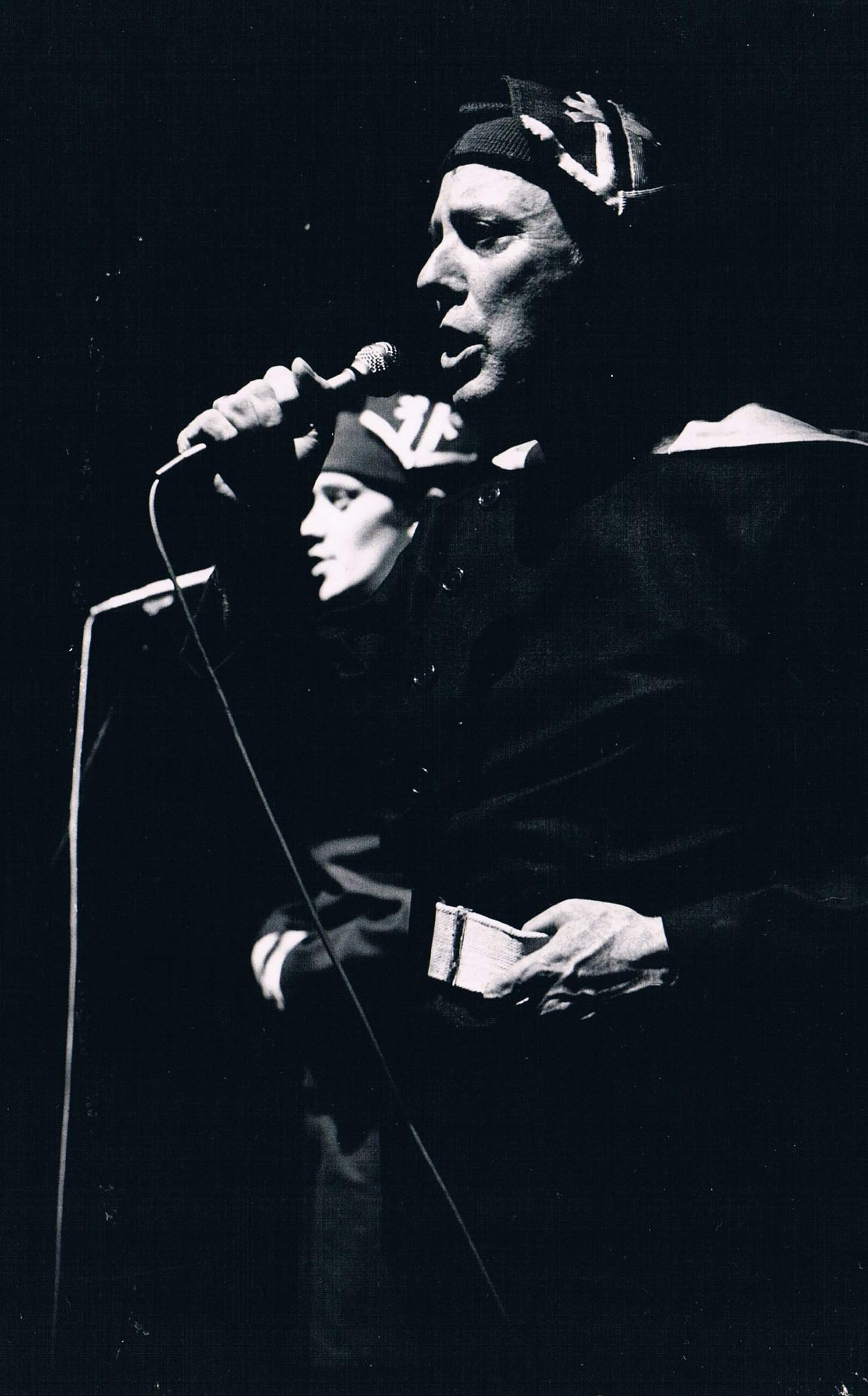
But then Hargrave became concerned with surging economic inequality in Britain and was drawn to the theory of social credit and its ideas about building a new civilisation based upon absolute economic security. The Kibbo Kift were transformed into the Green Shirts, an urban, uniformed political army. “Amazingly, Hargrave was so charismatic that most of the movement went along with that,” says Judge. “The shirt was the uniform of political armies of the time. You had Black Shirts, and also uniformed communist groups.” There were clashes and street fights until the Public Order Act 1936 banned political uniforms in public places, effectively putting an end to the various shirted militias.
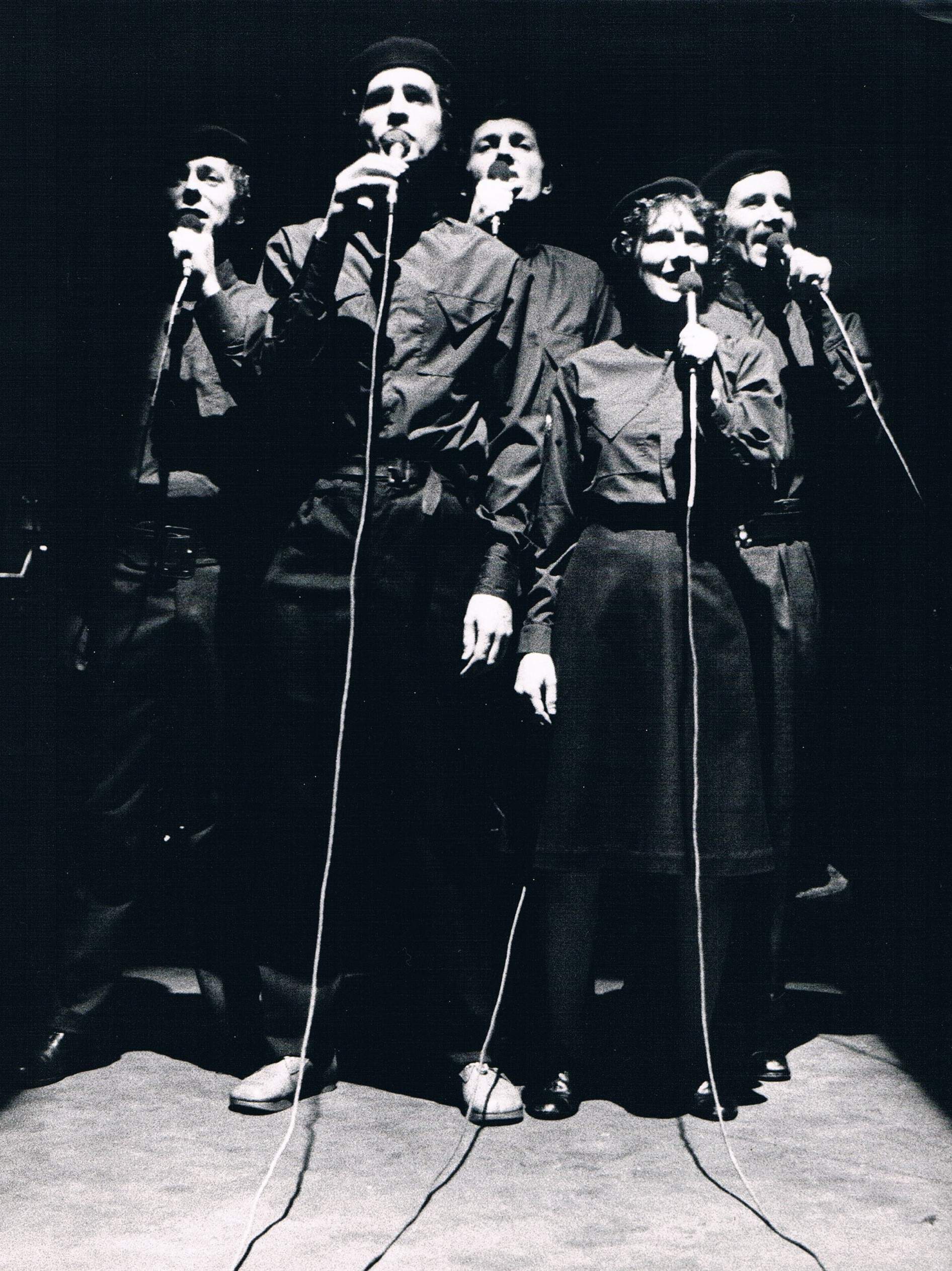
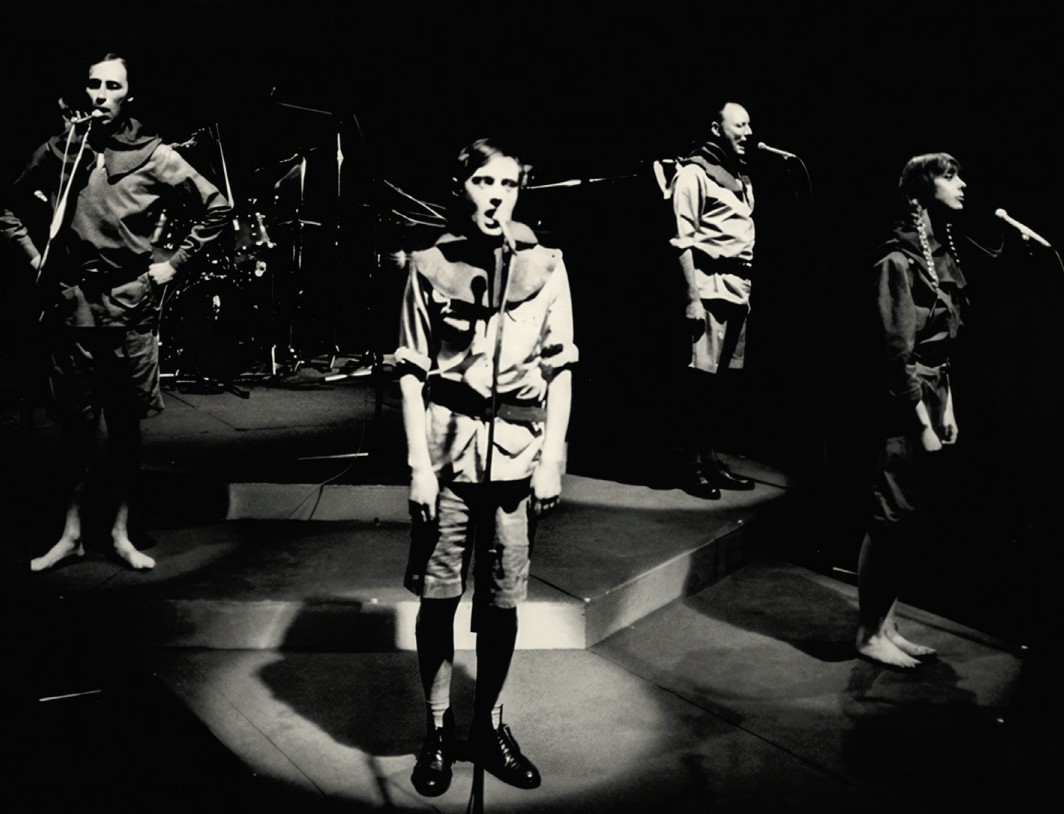
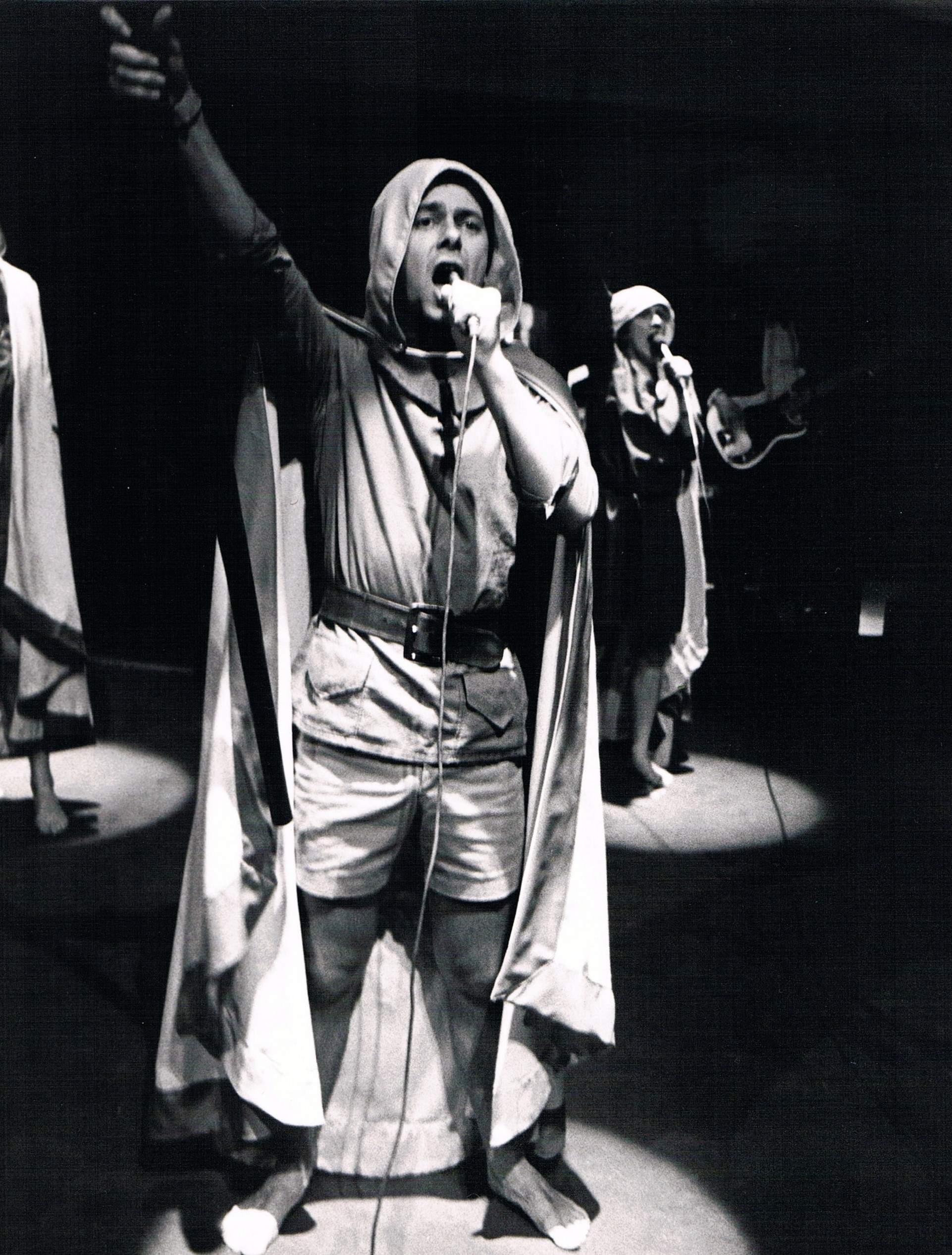
Maxwell and Judge managed to get about two-thirds into their double album project without any resources or way of actually making a professional recording, when things changed. “We met a theatre director called Chris Parr, who became interested in us and in the music,” recalls Judge. “We played it to him, and he said, why don’t we make this a theatre show?” Since Parr was artistic director at the Traverse Theatre in Edinburgh, they agreed to put it on there. With renewed energy, Maxwell and Judge set out to complete the writing while turning it into a stage show.
“At the time I was living in the basement of a beautiful late Georgian mansion as an unpaid caretaker,” says Maxwell. “On the first floor was a music room where I had my mother’s grand piano, Judge’s drum kit, a bass guitar and an electric guitar. I remember a very strange day when I sat at the drums and I wrote the opening drum riff which starts the piece.” To explain how the songs should be performed, they turned the room into a makeshift recording facility. “We had this very strange four-track cassette recorder,” remembers Maxwell. “I would play the piano and the guitar, Judge would play the drums and we would both sing, so we could say to people, ‘That’s the song.’”
Eight of the songs on the album are from these “teaching tapes” sessions. Although bare bones, the sound has been masterfully restored and the performances are quite captivating. However, at this stage, Judge found out that Hargrave, who had been a stretcher boy in the Battle of Gallipoli all the way back in 1916, was still alive and now in his eighties. Judge wrote to him and was invited to tea. Hargrave loved the idea of the musical and it was agreed he should have a listen. “He came to Maxwell’s house and we sat him down in the front room and played the whole thing from end to end,” says Judge. “He was a bit deaf, but because the music was loud, he could hear it. He seemed to thoroughly enjoy it,” says Maxwell. Together with his wife, the actress Gwendolyn Gray, Hargrave was invited to the premiere at the Traverse Theatre. “He came to Scotland for the first night and met the cast, who were absolutely transfixed,” says Judge. “He could have started a whole new Kibbo Kift on the spot.”
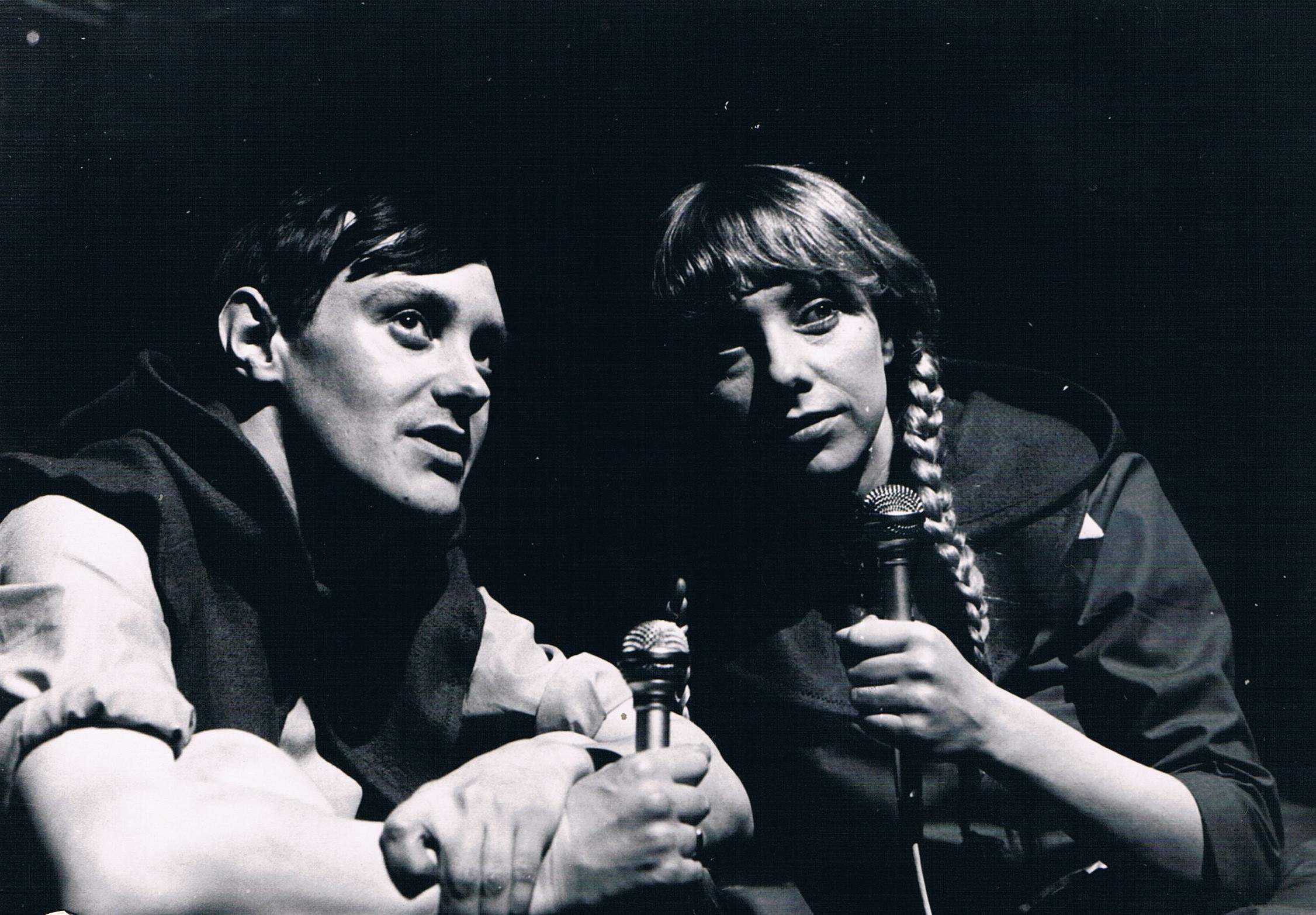
Initially, they had hoped to record the show in an Edinburgh studio, but the fees required by the actor’s union for the large cast made this unfeasible. “So we went into the studio with the theatre band, which had been put together and was led by Robert Pettigrew. He did vocals and I did vocals. And we had a female friend of our publisher come in to do a couple of the female songs,” says Judge. “We did the studio tracks while the show was actually in production.” Fifteen of the tracks on the album are from these sessions. They preserve the spontaneity of the rather rushed setup and the nerve of the moment. They also add a welcome variety and contrast in musical colour to the teaching tapes. “The production was redone again a few months later for the Edinburgh Festival,” adds Judge. “It was incredibly exciting. Here was the music that we wrote in my music room, on the stage with people queuing up to buy tickets and people sitting in an audience and laughing and clapping,” says Maxwell about the experience. “Then the following year it was done again in the Crucible Theatre in Sheffield, now famous as a snooker venue.” The final track on the album is an audience recording of the ‘Finale’ from one of these final performances. What the track lacks in sound quality, it certainly makes up for with period charm and sense of presence. A great way to end this fascinating musical adventure.
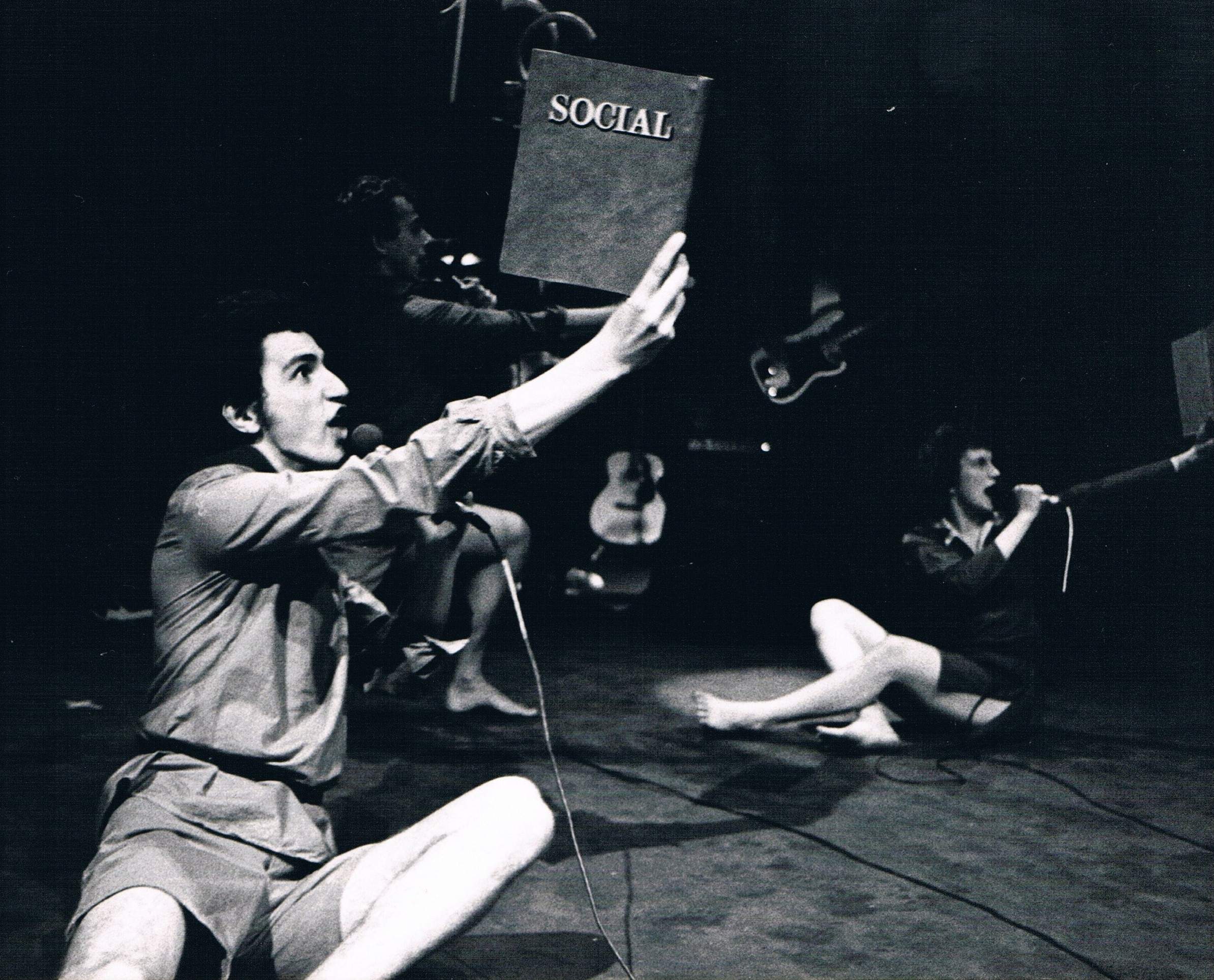
‘The Kibbo Kift: The 1976 Rock Musical’ is very much a progressive rock record — except it isn’t ‘prog’, and it is ‘rock’ only in the sense of using guitars and drums. Thematically urgent and proudly defying categorisation, it is rather a 50-year-old breath of fresh air. Open your mental windows and let it in!
Michael Björn
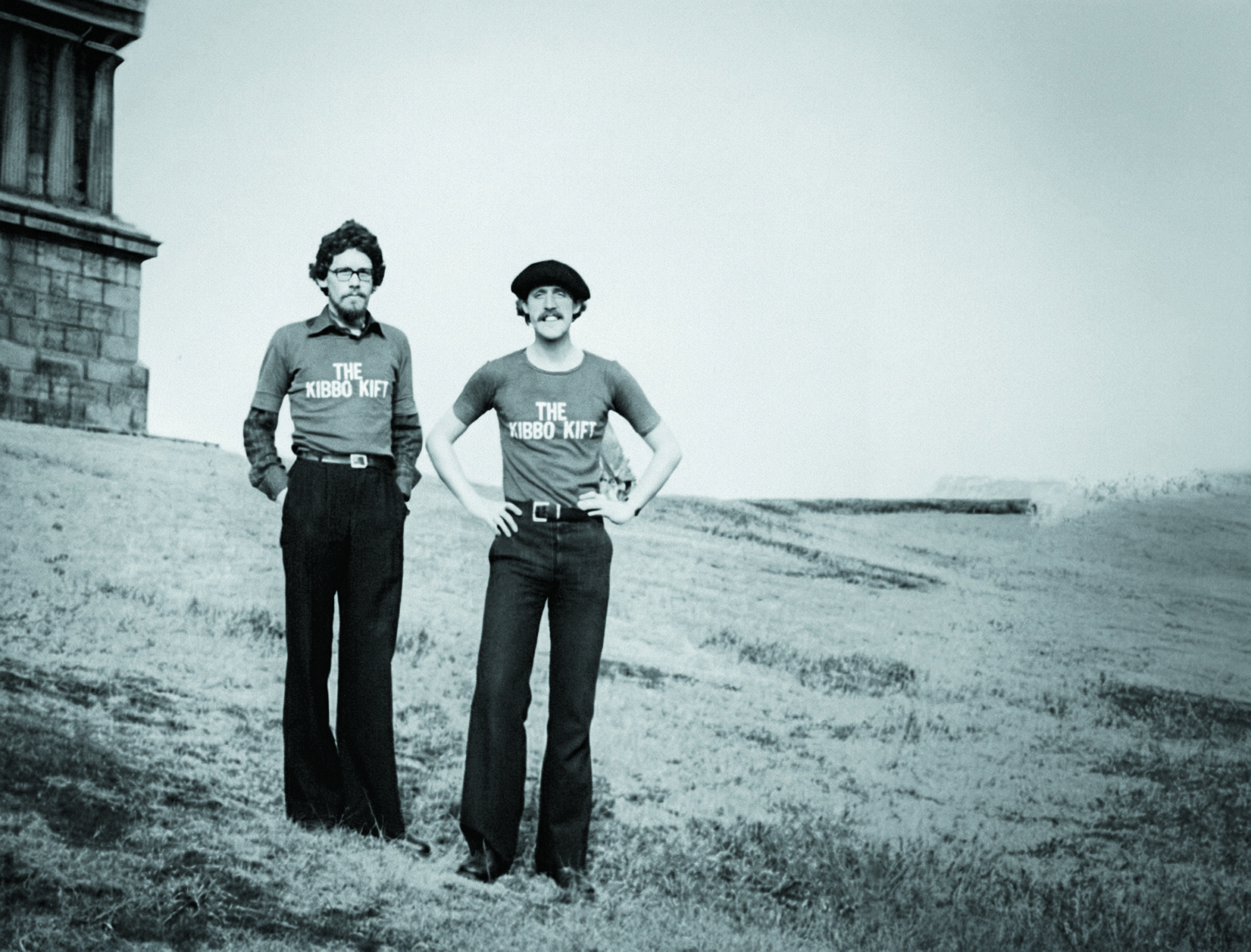
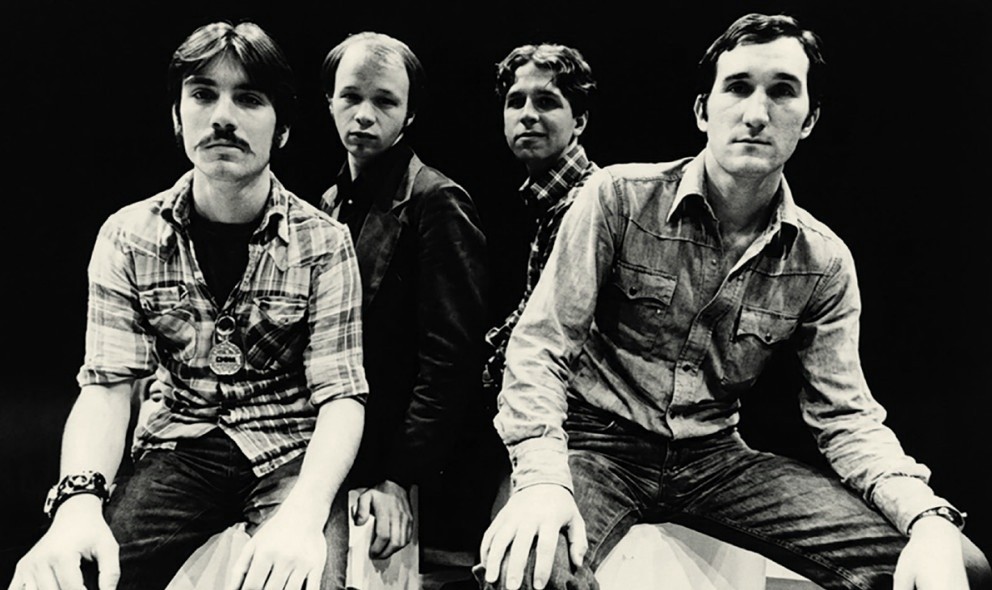
Headline photo: Maxwell Hutchinson, left, and Judge Smith in Edinburgh, 1976.
Think Like A Key Music Official Website / Facebook / X / Instagram / Bandcamp / YouTube