
Inside Fuzz, a DIY Music Venue in Cartaxo
A fuzzy, psychedelic scene is brewing in rural Portugal and defying expectations about what it means to make it in a profit-driven music industry.
Cartaxo, an hour outside tourist-heavy Lisbon, sits at the heart of this collectivist rock ’n’ roll movement. The town is lined with traditional Portuguese tascas, but tucked among them is a bar hosting free-entry psychedelic shows for the community. Alongside local acts, it has begun drawing international touring bands from Australia’s The Miffs, bringing grungy surf sounds, to California’s The Snares with their sun-drenched garage rock.
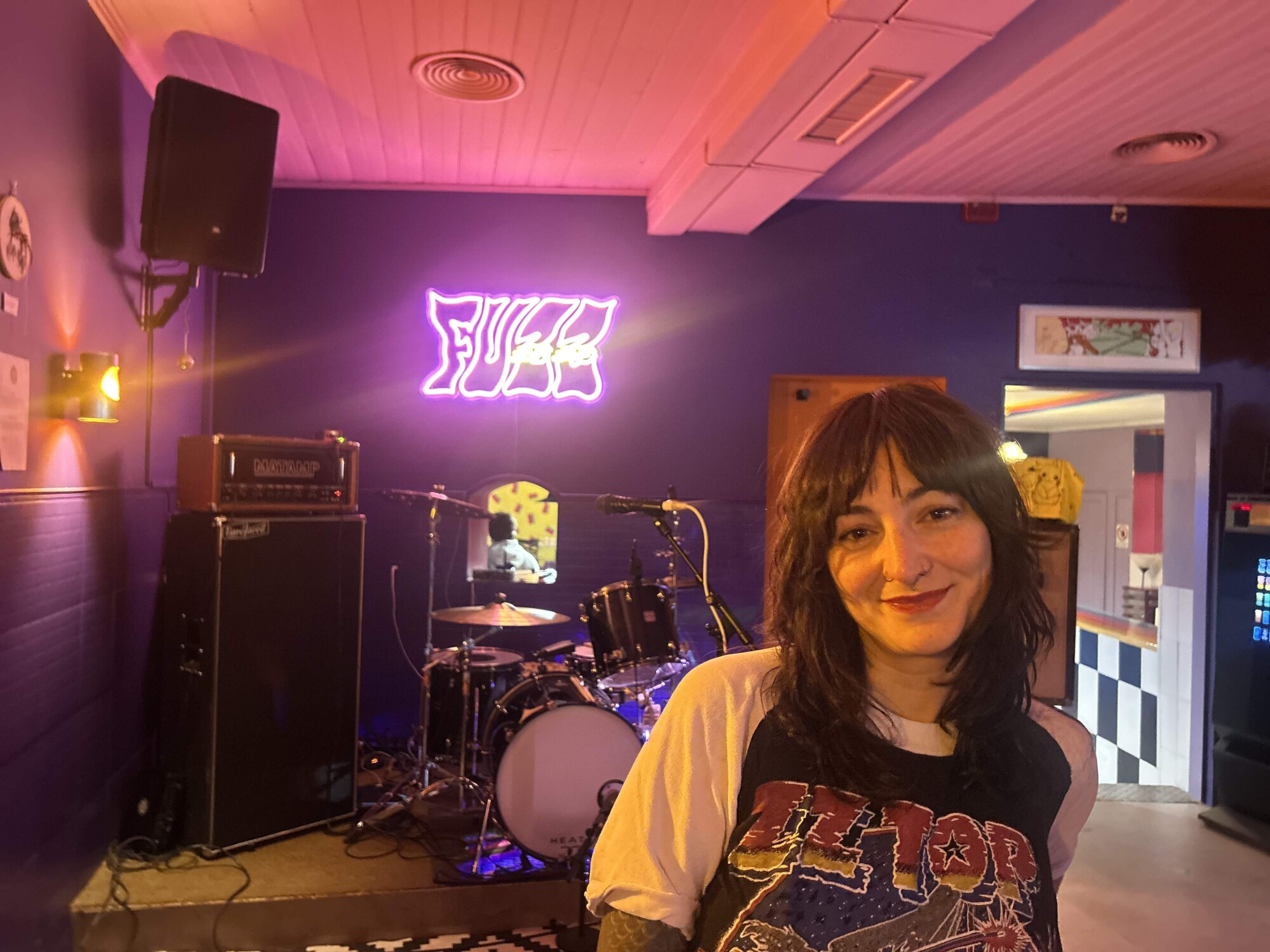
The bar putting Cartaxo on the map is called Fuzz. Founded in 2023 and named after the distorted pedal effect of the 1960s, it emerged from the convergence of three minds across the Iberian Peninsula. Built without government funding or outside investment, its vision extends beyond the simple exchange of money and alcohol. More than a place to drink, Fuzz has become a meeting point for music that is both locally rooted and globally connected. The team knows regulars by name, while remaining open to artists and visitors arriving from abroad.
In the spirit of a true DIY community, Daniel and his sister Inês (Bunny) Coelho of Fuzz are committed to building personal relationships with touring bands. Artists passing through Cartaxo are often hosted in their homes, what they jokingly call “band-sitting.” In place of a transactional venue-artist dynamic, they offer something more reciprocal: a space where musicians can feel at home, share stories, and exchange ideas over a meal.
The collective reciprocity surrounding Fuzz extends outside of Cartaxo, too. In January 2026, Storm Kristin brought flooding and landslides across central Portugal, forcing venues like TEXAS in Leiria to cancel shows after losing their roof. In response, Fuzz organized a fundraiser to support the space’s recovery, a reflection of the same community-first ethos that defines the venue.
That kind of mutual support has become increasingly vital. Beyond the storm, small arts and music venues across Portugal are becoming harder to sustain. Post-Covid tourism has driven up rents, forcing many spaces to close. Others survive by charging more, often pushing out the very communities that keep the culture alive.
Against this backdrop, Fuzz’s decision to host free shows feels almost symbolic. While they mostly make money through alcohol sales, Inês (Bunny) mentioned in conversation that “It’s alcohol that supports art in our country, it’s alcohol that keeps culture alive.” It’s a quiet rebellion set against the loud pulse of garage, stoner, and psychedelic rock.
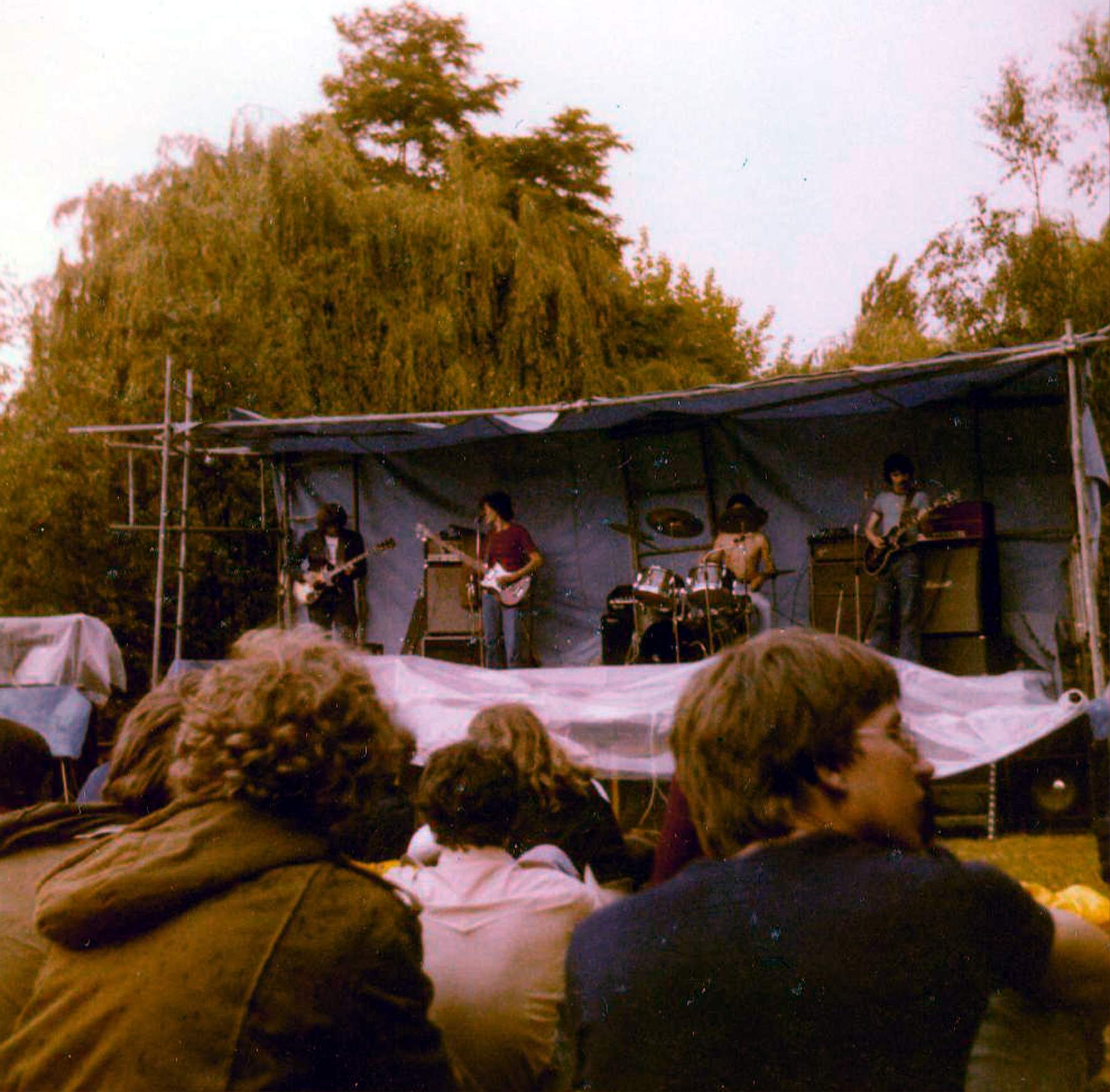
This quiet rebellion in music has deeper roots in Portugal. Just over 50 years ago, the country was still under the authoritarian rule of António de Oliveira Salazar, where music was heavily censored and outside influences tightly controlled. In the 1960s, rock from abroad circulated quietly, offering glimpses of a culture that existed beyond those constraints.
That changed in 1974 with the Carnation Revolution, a largely non-violent coup that ended the regime. It was named for the red flowers placed in soldiers’ rifles rather than bloodshed in the streets. In the decades since, Portugal has faced ongoing economic challenges, but a new generation is carving out its own space and reviving a spirit of independence and expression that continues to shape scenes like the one emerging in Cartaxo.
The energy building in Cartaxo is no longer contained within the town. As the movement grows, Fuzz has begun extending its reach beyond Portugal, recently partnering with Barcelona Psych Fest. In March 2026, the venue hosted four days of DJ sets and live performances as the festival’s “Portuguese Warm Up,” further embedding Cartaxo within the wider European psych network.
That momentum is also feeding back into the local scene. Inês (Bunny) of Fuzz runs the nonprofit D’Olho and is now working to launch a new open-air psychedelic festival in the town center, inspired by the legacy of Reverence, a now-defunct Portuguese festival that once hosted acts like Thee Oh Sees and The Brian Jonestown Massacre.
Fuzz isn’t alone in shaping this landscape here, though. Cartaxo Sessions, a long-running concert series focused on acid punk and psychedelic rock, has been hosting shows at the municipality’s cultural center for over a decade. Alongside live music, they organize a recurring Psych Market, where local artists and makers sell handmade goods and flash tattoos.
It really is fascinating. For a town with little to no conventional nightlife scene, Cartaxo has become an unlikely home for a thriving, grassroots psychedelic culture reverberating in the here and now.
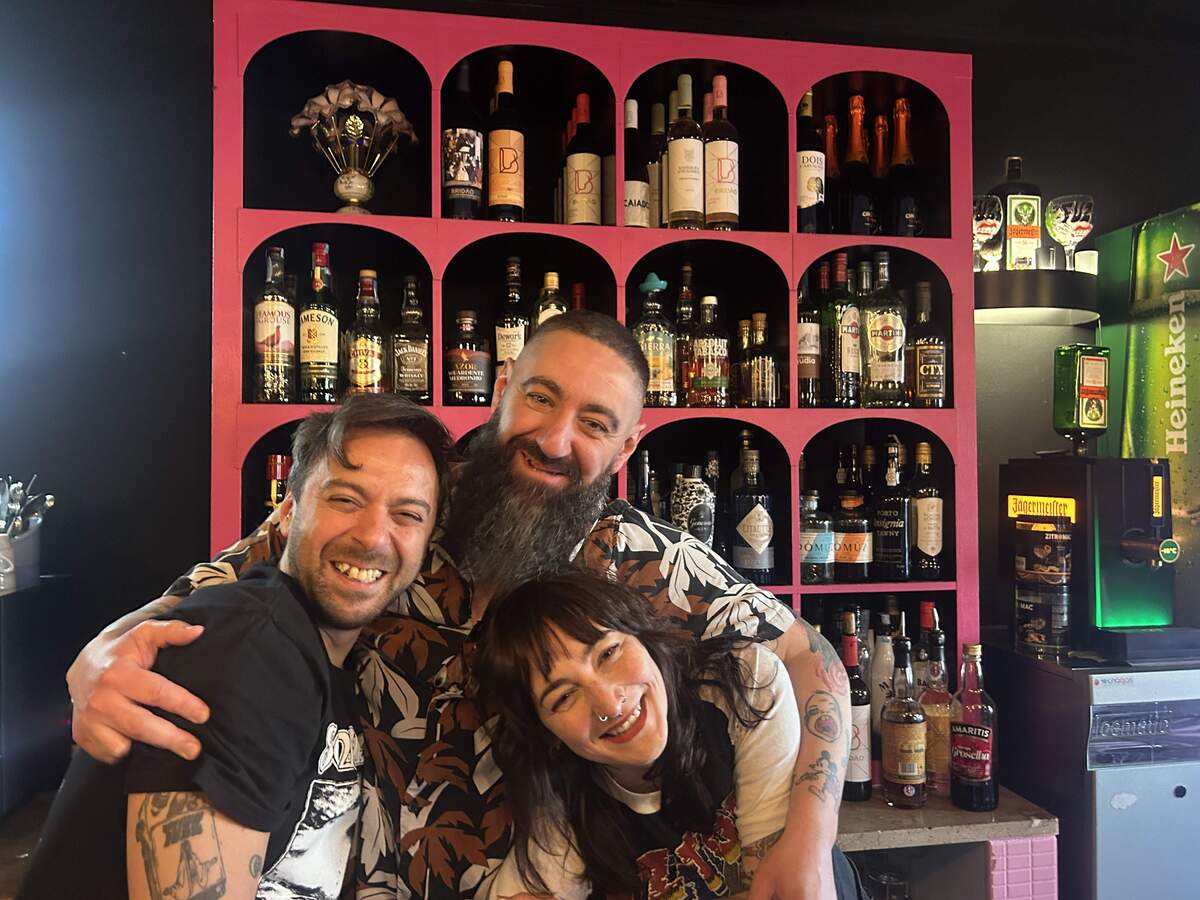
When asked to describe the vision of Fuzz in three words, co-owner Daniel paused before answering humbly: “all about love.”
So, it may not be 1969 anymore. But maybe this year will be the “summer of love” after all. Well, at least in Cartaxo.
Kelsey Day
Headline photo: Inês (Bunny) Coelho (Photo by Kelsey Day)
Fuzz Website / Facebook / Instagram