
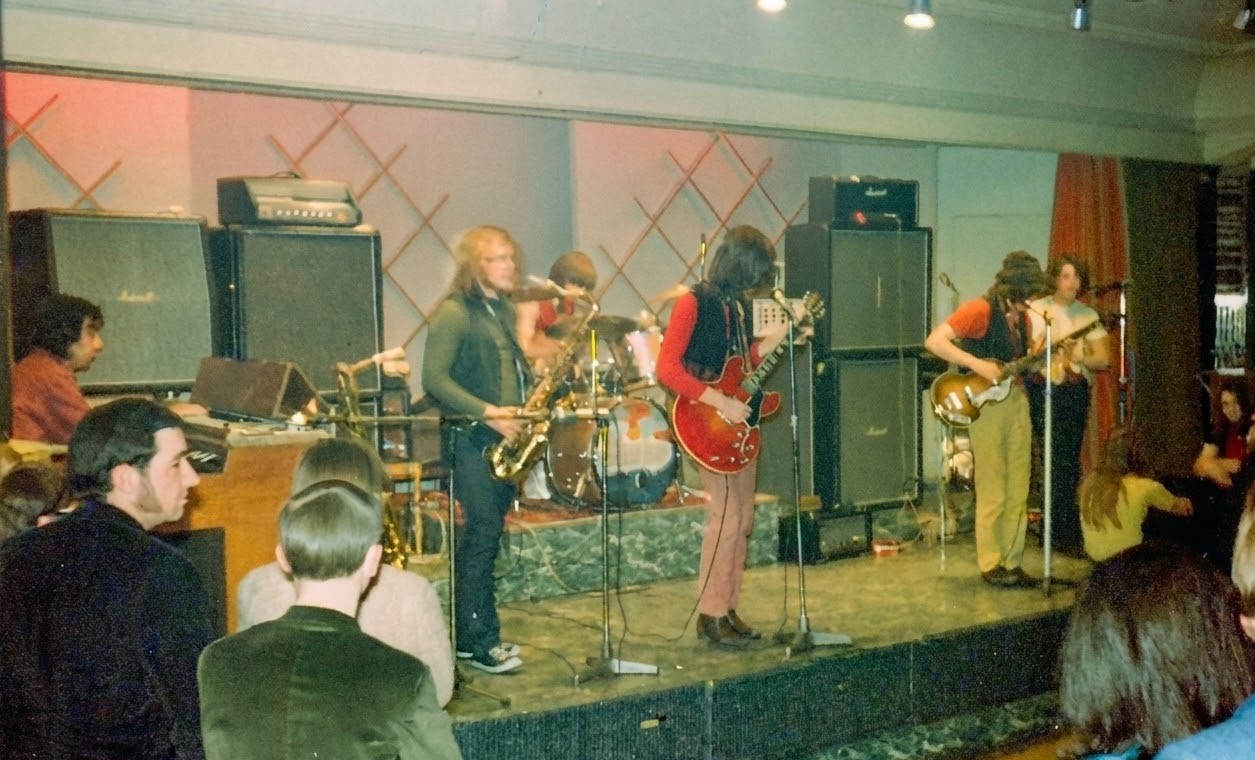

The Invisible City Resurfaces: Seelie Court’s Relaunch Unearths Heaven’s Lost 1969 Baroque Psych Masterpiece
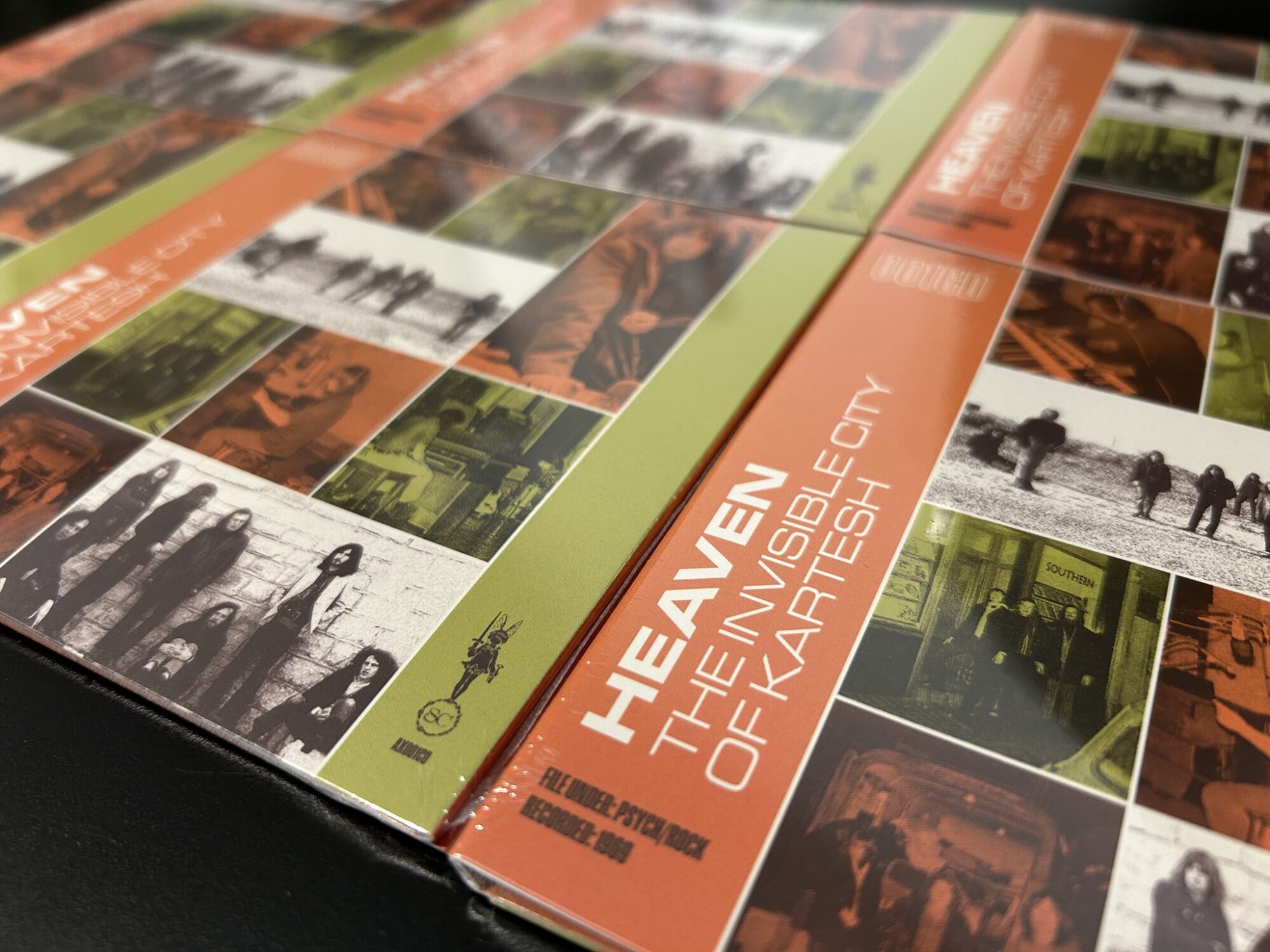
The release of Heaven’s ‘The Invisible City of Kartesh’ unlocks a genuine historical vault from the late 60s British underground.
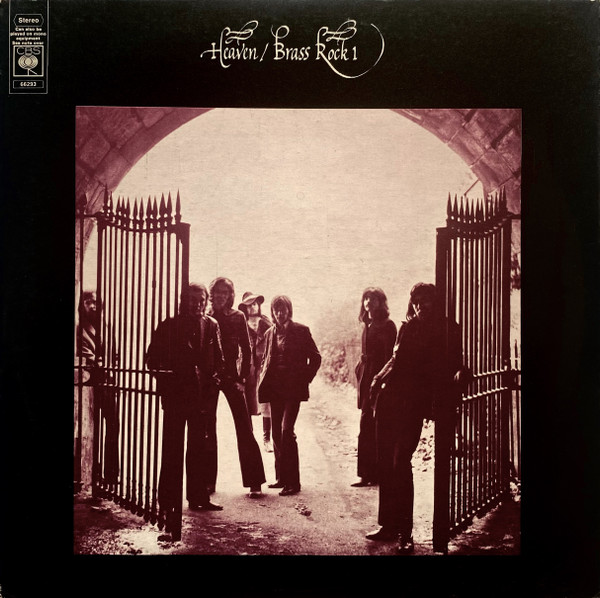
This long-lost album finally brings to light the band’s early beginnings, perfectly capturing a brief moment in 1969 when the wave of British psychedelia was just taking root, before the group later reimagined their sound and arrived at ‘Brass Rock 1’ in 1971.
The relaunched Seelie Court label, now under Good Time Records, opens its new chapter with this beautiful slice of baroque psych, with plenty more archival treasures promised. I’ve had the pleasure of working on some of the liner notes myself, which meant spending time digging through old memories and conversations with the musicians involved. That process only reinforced one thing. This record is the missing piece of the Heaven story.
The band, with essentially the same line-up heard on these tapes, played the 1969 Isle of Wight Festival. By the time they returned for the 1970 event, the sound had shifted dramatically toward jazzier arrangements that would eventually shape their CBS debut ‘Brass Rock 1’. Yet the musicians already had a formidable live reputation. As one member recalled, “We played with Cream, Status Quo, Pink Floyd, Jethro Tull, Deep Purple, and many others.” Not bad company for a young group from Portsmouth still figuring out what they wanted to become.
The recordings, named after the haunting track ‘The Invisible City of Kartesh,’ capture the band in a rare state of balance. These are the sounds of a talented group operating in that brief space between ambition and expectation. They were no longer just a regional club act, yet they had not quite entered the machinery of major label expectations. The result is music that breathes easily.
The album itself draws on the Russian legend of the submerged city of Kitezh, popularised in Nikolai Rimsky-Korsakov’s opera. Heaven’s baroque psych interpretation became its own strange variation of the myth. The spelling of Kitezh was misunderstood at the time, though the references in the lyrics to the Maiden and the vanished city clearly point back to the original legend. The band wrote it down as “Kartesh,” and that spelling has been preserved here for authenticity.
Musically the album thrives on a dynamic internal tension. Keyboardist Mick Cooper brings the driving Hammond organ that still echoes their soul and beat origins. Counterbalancing this is the broader musical vision of multi-instrumentalist Ray King, whose early interest in jazz pushed the band toward more adventurous territory and the new American sounds emerging at the end of the decade. It’s not hard to imagine those influences in the background, from Zappa’s expanding palette to the looser spirit of West Coast groups like Spirit.
Yet the band never lost their British melodic instincts. Much of that came from the songwriting partnership of Brian Kemp and Andy Scarisbrick, who gave the material its distinct character. The music here is not the heavy riff-driven rock that many of their contemporaries favoured. Instead it feels more poised, almost graceful, a kind of English psych chamber music with occasional flashes of improvisation.
The recordings themselves have their own atmosphere. Sessions at Cellar Studio often ran deep into the night. As one of the musicians remembers, “We would normally record late at night until the early hours of the morning, as the noise would disturb people working in the adjacent offices.” At times they even had to redo takes because of the rumble of underground trains passing beneath the building. Those little details linger in the background of the record.
What we hear on ‘The Invisible City of Kartesh’ is a group right at the hinge point of their evolution. They had left their cover band past behind them, but had not yet fully stepped into the brass-heavy jazz rock direction that would define their CBS era. There was still room for experimentation. Songs could stretch, arrangements could grow on stage, and the band had the nerve to push simple pop ideas into exciting performances night after night.
One track in particular, ‘Song for Chaos,’ still stands out for the musicians themselves. As Ray King recalls, “It was recorded live, in that there were no separate takes apart from the vocals. From my point of view, that song is the best one on the album. It had the best feel of all the tracks.”
That word, feel, is probably the key to the whole record.
‘The Invisible City of Kartesh’ captures the early and perhaps purest sound of Heaven at the precise moment their creative focus was at its sharpest. It’s a remarkable historical document from the closing years of the swinging 60s. More importantly, it is a cracking record.
And after all these years, it is finally here to be heard.
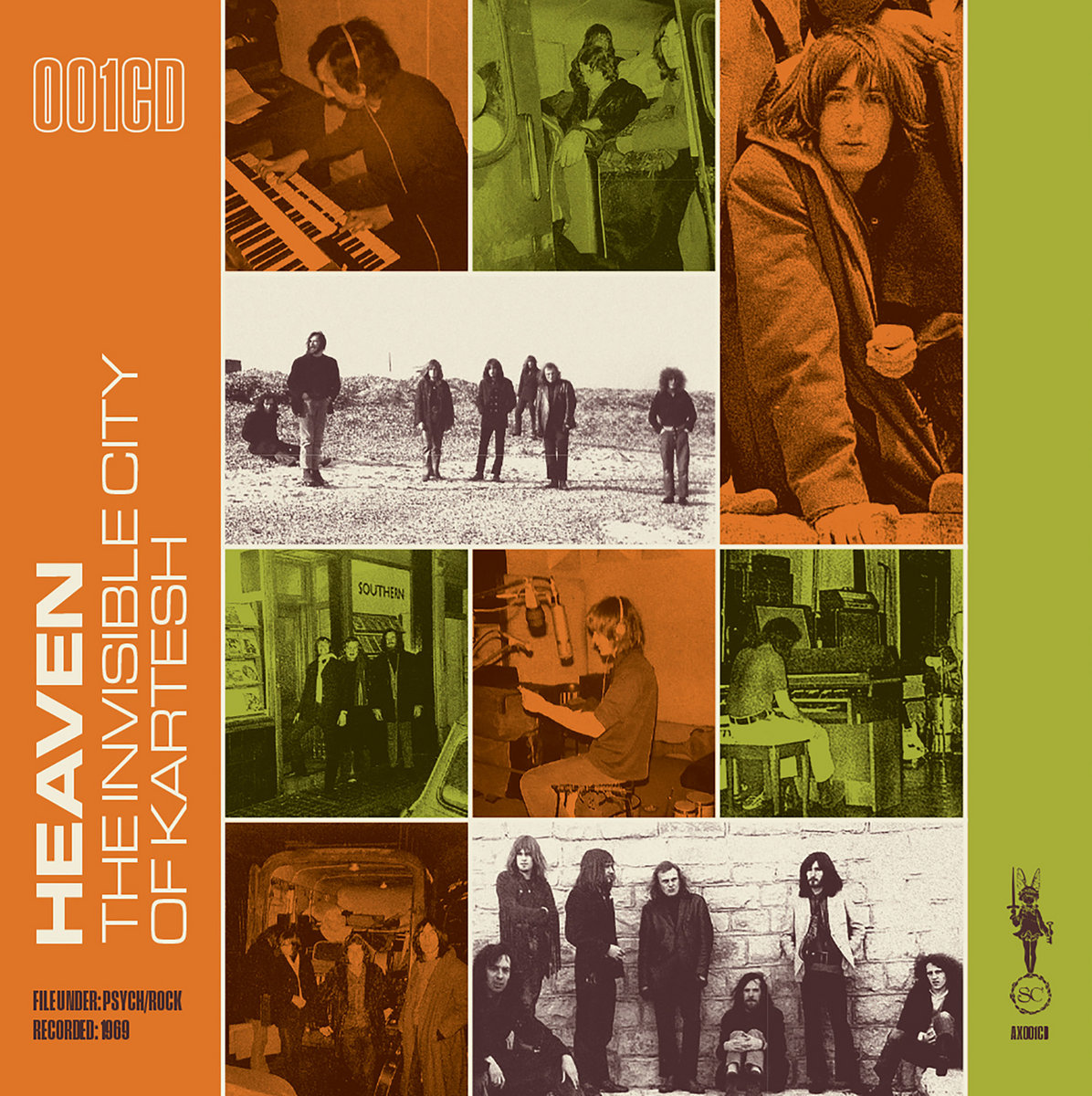
“We played with Cream, Status Quo, Pink Floyd, Jethro Tull, Deep Purple, and many others.”
Can you share a bit about your early years, where and when you grew up, and whether music played a significant role in your family life?
Mick Cooper: I was born during the war in Portsmouth, on the south coast of England. I was told that my grandmother, whom I did not know very well, played the piano by ear, not particularly skilfully. In my early years, I tried to play the piano at my aunt’s house. My parents then got a piano from the local music shop, Bennett’s, and I had some lessons. Sadly, I had no real idea what I was doing and didn’t keep it up. That was the extent of the musical influence in my early years.
Ray King: I was born in Portsmouth, UK. My mother used to play the piano and was very fond of opera. I didn’t particularly like opera; to me, the singing spoiled the sound of the orchestra. My father also played the mouth organ, though neither of my parents performed in public. They would play at family gatherings, but that was all.
At what age did you begin exploring music, and what was the first instrument you picked up? Who were your earliest and most influential musical inspirations?
Mick: It wasn’t until the late 1950s, when I was still at school, that I started hearing rock and roll, including Jerry Lee Lewis, Little Richard and of course Elvis Presley, which really woke me up to music. Whilst at school, I played the recorder, as most people did in those days, and I joined the school orchestra for a short while. I did one performance with the orchestra, which was a waste of time and a total mess.
On leaving school, I started work and wanted somehow to get into music. I managed to buy a white plastic tenor saxophone from a local music shop and had a few lessons, but again, I lost interest and it fell through. Many years later, I sold that saxophone to the sax player from East of Eden for £10.
Not long after, I got to know a couple of local lads, brothers Ron and Ken Hughes, a guitarist and a drummer, who were starting a band. They were both very young teenagers, and I said, “I can be your manager,” though I had no idea how to!
In those early days, as with many others, our main influence was rock and roll, and in particular Buddy Holly’s first band, The Three Tunes. So when we started our first young group, we decided to call ourselves The Fortunes.
Ray: At the age of about seven, my parents bought me a recorder. I was taught some rudiments of music at primary school, but had no proper lessons. When my parents moved house, I attended a different school at the age of eleven. This school had a small orchestra, and I began to learn the violin. I was given both theory and practical music lessons there.
At the time, rock and roll was becoming very popular, and my father enjoyed it very much. Personally, I found it rather primitive, although I did like the sound of the electric guitar. When I was thirteen, my parents moved again and I changed schools once more. Unfortunately, the new school didn’t have an orchestra, although it did have quite a good choir. As I mentioned before, I was never one for opera.
Around that time, Dixieland-style jazz was becoming popular. I particularly enjoyed The Temperance Seven, who played a style of music that originated in the late 1920s.
My musical aspirations were put on hold for a few years until I started college. One of my colleagues played the clarinet and was very interested in early jazz. I bought an old clarinet from him and started to play. I was influenced by early jazz musicians such as Johnny Dodds, Sidney Bechet and Jimmie Noone.
Portsmouth and the surrounding area had quite an active music scene at that time. There were several pubs with jazz clubs, and one could go to a jazz or folk club almost every night, or even at lunchtime. I eventually became proficient enough to sit in occasionally, and even befriended one of the clarinet players from The Temperance Seven, who performed at one of the local clubs. I ended up buying a baritone saxophone from him.
Eventually, a small group of my college friends and I formed a jazz quintet consisting of trumpet, clarinet, baritone sax, guitar and banjo. A strange combination, but it worked surprisingly well. After a while, various people left college and the band folded. I missed playing, and one day a friend asked if I’d seen a notice on the board at the college entrance saying that a jazz band was looking for a baritone player.
I phoned the number, only to be told, “No, we’re not a jazz band, we’re a soul band.” “Oh,” I said, “that’s not very interesting for me.” Then he told me how much they were earning. As a technical engineering apprentice, my income barely covered bus fares and food. There wasn’t much left over, and they were earning more in one night than I made in a week. That suddenly became very interesting!
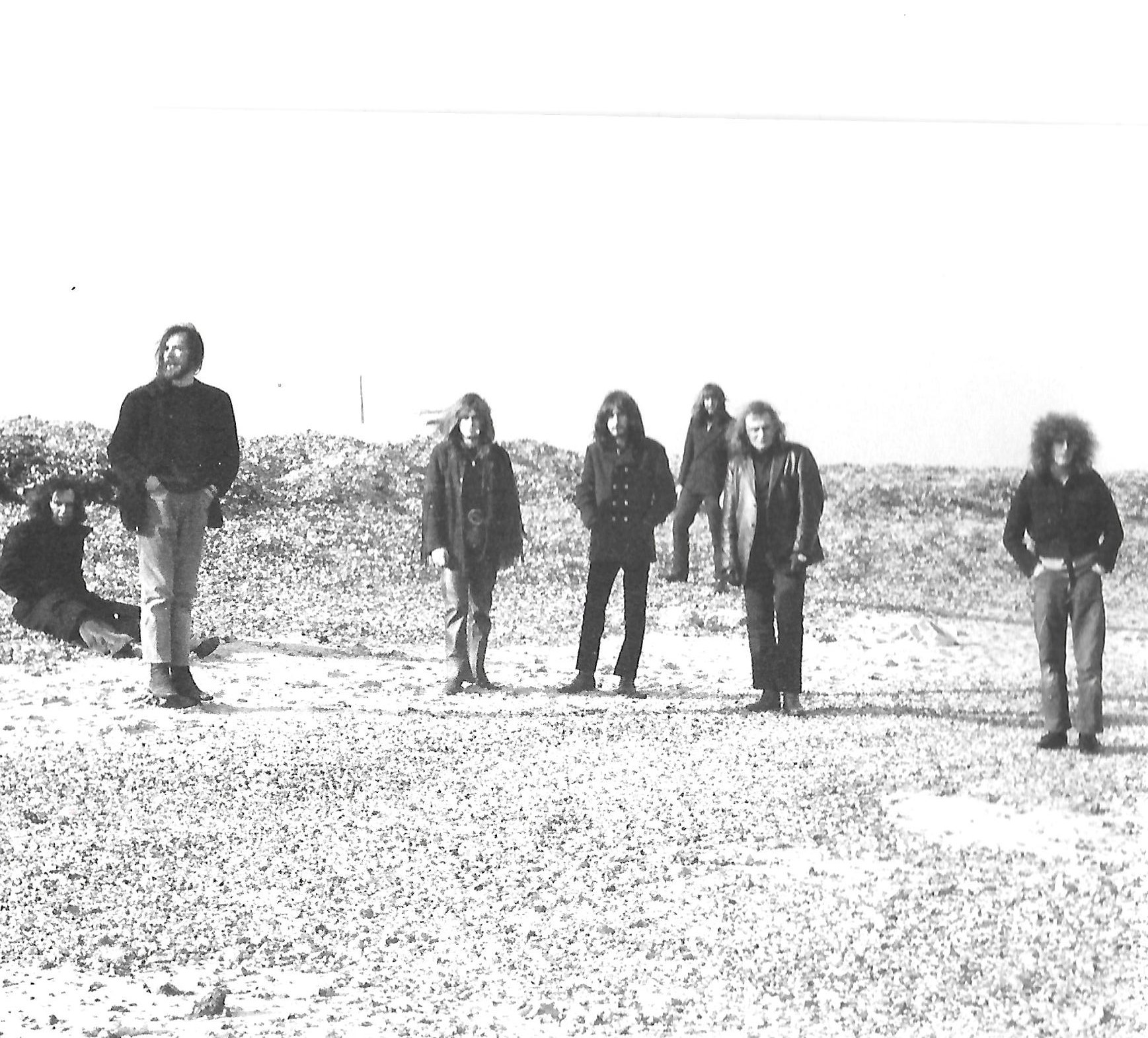
Several members had previously played in a soul band, the Universal Trash Band. Could you tell us about that experience? Did you record any material during that period?
Mick: I don’t know much about the Universal Trash Band before joining. They decided to stop playing and to change their style of music. They had been playing soul and rhythm and blues oriented music. Their piano player, who used to play a Höfner electric piano, decided to leave, and they needed a replacement. Fortunately, I had a Hammond organ and a Leslie cabinet, which I think helped me get into the group. I had an audition one day, and they let me join.
It was a totally different style of music from what I had been used to. In the early 1960s, it had been music like The Beatles, The Rolling Stones and other pop groups. Towards the end of that period, The Fortunes changed their name to The Original Fortunes, and then they became The Rampant. By then, the blues scene was coming alive, and we started playing blues numbers again. It was not really my thing; I much preferred rock and roll.
When I joined the lads from the Universal Trash Band, they were writing their own songs, which was something new and different for me. Brian Kemp and Andy Scarisbrick were both very good songwriters and wrote some fine material. We decided that we needed a proper name for the band. A local agent called Ricky Martin started to manage us, and we eventually chose the name Heaven. The reason was that we had heard a song by a group of female singers which included the line, “Nobody wants to die, but everybody wants to go to heaven.” That was why we decided on that name.
Ray: The soul band I first joined was called The Frenzy. No recordings were ever made of that band. After about six or seven months the group folded. The drummer left, and the bass player and the keyboard player, who was a young lady, left and got married. The other saxophone player, who was also the singer, left as well. The remaining musicians then reformed, and the Universal Trash Band was created.
The name came from the idea that most of the music we played was “trash”! This line-up became the foundation of the first version of Heaven. Brian Kemp sang, played bass and sometimes electric piano. Malcolm (Nobby) Glover was on drums. Pete Galloway played piano and also sang. Ray Holloway played saxophone, as did I, and Dave Gautrey played trumpet. Finally, Graham Chapman was on electric guitar. Although we were mainly a soul band, we introduced a touch of jazz into some of the songs.
We would often go to jazz clubs, and I would occasionally sit in with some of the bands. My friend, Maximilian White, whom I had first met when he was playing with The Temperance Seven, was now performing with Spencer’s Washboard Kings. The piano player in that band was Ron Geeson, who later wrote the orchestral score for ‘Atom Heart Mother’ by Pink Floyd. I met him again later when Heaven supported Pink Floyd at Cardiff University.
Although the Universal Trash Band was quite successful, the music was not really to our liking. Eventually, Pete Galloway left to continue his studies, and Graham decided that he had had enough of soul music and wanted to play blues, so he left as well.
Some recordings were made, and even a short film of an outdoor rehearsal in a pub garden, but unfortunately none of them have survived.
One of my college colleagues was Ian Duck, who later recorded on the early Elton John albums along with Caleb Quaye. Occasionally, we would do gigs with Hookfoot. After those gigs, we sometimes went to Dick James’s place. He was the manager of both Hookfoot and Elton John. The members of Hookfoot were all session musicians and played on the first three Elton John albums, which I still think are his best.
My friend Ian Duck, from my apprenticeship days, played guitar, mouth organ and sang for Hookfoot. Around that time, the ‘Hot Rats’ album by Frank Zappa had just been released. Roger Pope, the drummer with Hookfoot, was fascinated by some of the drum breaks, and I was also very impressed. I felt that this was much closer to the direction that Heaven should be going in.
Hookfoot had asked me to do some session work for the album they were working on. I understand that some tracks from that LP have finally been released under the title Hookfoot: ‘A Piece of Pye’, although the track I played on is not included. I also performed with Hookfoot on several gigs.
This led to a misunderstanding with Brian Kemp, who thought I was leaving Heaven to join Hookfoot. That was not the case, but he never asked me. As a result, there was some friction in the band, and Brian told me he no longer wanted me to do the arrangements. The musical direction was also not to my liking. We had failed the BBC audition, and I felt the music was too “floaty”, without enough bite or energy.
Eventually, Brian, Andy and Ray Holloway said they wanted to part company with Ricky Martin, our manager, and handle the gigs themselves. I thought that would be a disaster. Ricky was still trying to get gigs for us, but it was becoming more difficult. I felt we needed to change our musical style and move towards a more jazz-rock sound, not heavy metal but something less folky.
We had all turned professional some months earlier. None of us had telephones or any real contacts to arrange gigs, so I wondered how we would manage. The outcome was a meeting with Ricky Martin, who suggested that perhaps we should split. Brian, Andy and Ray would go their own way, while Dave, Nobby and I could join with Paper, who were also looking to do something new.
Mick was a pleasure to work with, but as we moved toward a more complex and jazz-influenced style, we realized the musical direction wasn’t the best fit for his current musical interests. For example, he mentioned that material like ‘Hot Rats’ wasn’t very interesting for him. Mick was an excellent chord player and could perform solos providing that they were already written but could not improvise. Ultimately, we needed someone who was already comfortable with that specific, intricate jazz feel to execute the vision for this project.
As the band had lost several members, we started looking for replacements. This was in the late 1960s, when the flower power movement was beginning to replace the more traditional pop styles. That music was much more interesting to us. Mick Cooper took the place of Pete Galloway, and Andy Scarisbrick took the place of Graham, although we also rehearsed with Ian Duck before he decided the music was not for him.
We also changed management. Ricky Martin was regarded as one of the more successful group managers in Portsmouth at the time. He liked what we were trying to do and asked if we would like him to manage us. He also suggested the name Heaven.
What influenced your sound early on? How did that jazz influence shape your sound, and were there moments during your creative process when you felt that this fusion was pushing boundaries or even alienating potential audiences?
Ray: This is a rather difficult question to answer. I do not really know what influenced us, just a desire to be different, I suppose. We listened to other bands and groups, of course, but we always seemed to want to move in a different direction.
Yes, we did cover other groups’ material, but always with our own interpretation of it. I do not think we ever thought that what we were doing would alienate anyone. Of course, there were people who did not understand what we were trying to do and perhaps even disliked the result. However, we had a dedicated group of people who would follow us from gig to gig, which was a very satisfying feeling. We must have been doing something that someone liked!
Can you elaborate on how Heaven came together as a band?
Mick: As mentioned before, it came out of the Universal Trash Band. It was the same group of members, except that the piano player, Pete, left and I joined. In the early days there were seven of us altogether. We did a few rehearsals and only a handful of gigs.
We had enough of our own songs, as well as a few numbers influenced by the West Coast American sound. One particular band we liked had a song that we used to perform, along with a few others. There was also a song called ‘The World’s on Fire,’ recorded by The Strawberry Alarm Clock, which we played and really enjoyed.
I think the original track was only about four or five minutes long, but we added all sorts of things to it, and eventually it ended up lasting ten or twelve minutes. It became our finale number every night and usually went down a storm.
What types of venues did Heaven play in those early days, and where were they primarily located?
Mick: We played anywhere we could. In the early days, it was mainly church youth clubs in Portsmouth. Over the eighteen months that I was with them, we travelled further afield, down to places in Cornwall, including Penzance.
We also had a trip to Amsterdam, where we played at the Carré Theatre. But in the early days, most of our gigs were at local youth clubs. Later on, there were several clubs we used to go to regularly. The Steering Wheel in Weymouth was a favourite of ours; everyone would sit down on cushions. Similarly, the Van Dyke Club in Plymouth had a similar atmosphere.
We played songs from 1960s West Coast American bands, such as Spirit and Electric Flag, which we loved. We also performed a few British songs, including one from New Generation, and of course Donovan’s ‘Wear Your Love Like Heaven’. That became one of the tracks we recorded in London in the late 1960s.
Ray: The early days of Heaven were difficult. We all had to earn a living or continue with our studies, as the money we earned as musicians was not enough to support us. Most of the gigs were at weekends and within reasonable driving distance from Portsmouth. They were mostly in clubs, colleges and universities.
Even so, sometimes we would be dropped off at our workplace or college entrance in the morning after a gig. Working or studying required a lot of concentration after only a few hours of sleep on the way back. Poor Dave Gautrey was the only one of us with a driving licence at the time, so he had the task of driving in addition to playing and acting as our sound engineer.
What were some of the primary influences that shaped Heaven’s unique sound?
Ray: Our approach changed quite dramatically from Heaven 1 (‘Invisible City of Kartesh’) to Heaven 2 (‘Brass Rock 1’). However, I will try to give you a rundown on both bands.
Heaven 1 had a gentler style of music. Brian Kemp wrote most of the original songs, and I would sit with him to come up with arrangements. Initially, we played covers of songs by Love, The Strawberry Alarm Clock, Spirit, Canned Heat and others. Gradually, these were replaced by original songs written by the group until we had almost a complete show of our own material.
Having said that, one of my favourite songs was ‘Evil Women’, performed by both Canned Heat and Spooky Tooth, although our version was completely different. Strange to say, but that song was written by Larry Weiss, who also wrote ‘Rhinestone Cowboy’ — one extreme to another. I always had a special understanding with our drummer Nobby, and in that song it clicked perfectly. I had an extended saxophone solo, and in the middle Nobby would look at me, do a drum roll, and we would suddenly play a jazz swing version of the song. It was magic. Sadly, no recording of that performance was ever made.
Most of our original material from that band was somewhat folk-like with jazz leanings. We once played a gig with Tyrannosaurus Rex, later known as T. Rex. They arrived while we were rehearsing ‘The Gardener’, in which I play tin whistle. Later, Marc Bolan told me he was so impressed that he wanted me to perform with them.
We often played with highly regarded bands, and they would sometimes recommend us to their recording companies. We played with Cream, Status Quo, Pink Floyd, Jethro Tull, Deep Purple, and many others. Eventually, we were approached by Spark Records in London. In retrospect, signing that contract was a mistake. We spent about two months making the recordings. Their equipment was limited, and we could only record in the late evenings or at weekends because the offices next door would be disturbed.
Even when the recording was finished, they did nothing with it for six or seven months. They then tried to sell the material to other companies, but so much time had passed that nobody was interested. After all, the material was almost a year old. Musical tastes had changed, and a heavier style of music was becoming more popular.
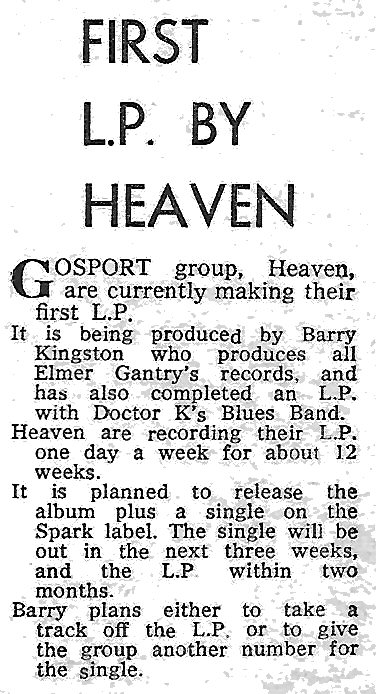
Could you tell us the story behind the recording of your unreleased album, ‘Invisible City of Kartesh’? Where did you record it, what equipment was used, and who was involved in the production? How much time did you spend in the studio?
Ray: We actually played a concert with Elmer Gantry and the Velvet Opera. They were impressed with our music and suggested speaking to their recording company about us. The upshot was that we were invited to the Southern Music/Spark recording studio in Denmark Street for an audition. That’s when we first met Barry Kingstone.
From what I remember, we started recording about six weeks later. I can’t recall the exact order in which the recordings were made, but I do remember struggling to carry Mick’s Hammond organ down the stairs to the studio! We would normally record late at night until the early hours of the morning, as the “noise” would disturb people working in the adjacent offices. I also remember that, on occasion, we had to re-record something because of the sound of underground trains passing by!
The recording equipment was rather limited, as it was only a four-track machine. I think we could have achieved more if an eight-track machine had been available. It did have one positive result, however. When recording ‘White Dove’, Barry suggested that we needed two flutes playing in harmony. We only had one track left, so I had to very quickly learn to play the flute! ‘White Dove’ is almost my first attempt at playing the instrument. At the end of the take, I was left feeling very dizzy because my breathing was completely wrong!
The recording took place over about four months, but we could only manage one or two recordings per session — and each session might be a couple of weeks apart, as we had to play gigs in the meantime. We didn’t have the luxury of enough financial backing to complete the recording in one go.
Mick: Recording, I am not really sure how that came about. I think it must have had something to do with our agency at the time, called MMF — Matthews, Martin and Ford. They must have had contacts with a studio in London, which was the Cellar Studio at Southern Music in Denmark Street. Most of their recordings were released on the Spark label.
At the time, there was a guy called Elmer Gantry and the Velvet Opera, who were their main artists. The person in charge was called Barry Kingston. Our recording in London was intended to be our first album, but it was never released, so we cannot really call it our first album.
Heaven One were in existence from mid-1968 to the spring of 1970. The recordings were made in the cellar studio at Southern Music in Denmark Street, London. They were released from there on the Spark label.
The producer was Barry Kingston, who now lives on the east coast of England, but the engineer’s name is lost to me. That year I gave up my job, and we were all officially professional.
By the time it disappeared, there had already been three different versions of Heaven. I think when the first Heaven ended in the spring of 1970, I left the band, and the other members went on to join the Heaven that recorded the brass-rock album on CBS. That had nothing to do with the original setup or lineup of Heaven.
Brian wrote most of the songs, and at that time The Lord of the Rings was so popular that it must have influenced him and all of us. Andy and Brian were very quiet people, as were most of us. There is one song that may have a story. Brian was mowing lawns for the local council, cutting borders and edges around the city, so ‘The Gardener’ may have come from that. ‘Wear Your Love,’ the Donovan song ‘Judy,’ was given to us by Barry Kingston as our single release. I have no idea who the songwriter was. Andy’s song ‘White Dove’ was first recorded by Andy, and then Barry suggested that Brian try it too. Both tracks sound good. I am not sure if Brian or Dave knew there was a city called Kartesh. They were probably reaching into the Rings realms for inspiration.
How did the opportunity to sign with CBS come about?
Ray: The answer to this question is quite involved. It is connected with the 1970 Isle of Wight Festival and Rikki Farr. Heaven 1 had already played several gigs with Rikki’s brother Garry, including one in Amsterdam as a prelude to a planned rock festival in Holland that unfortunately never happened. On occasion, we met with Garry and Rikki in their apartment, so Rikki Farr knew us.
Heaven 1 had won the vote for the most popular local band in Hampshire, and I think that, together with the contacts we had with Rikki and Garry, is why we were invited to perform at the 1969 Isle of Wight Festival on the “free” Friday. Later, as Heaven 2, we passed the BBC audition, so things were looking up. We were getting gigs, but nothing really special, so I approached Rikki and asked him if he could, through his contacts, perhaps find us one or two gigs. Ricky Martin was still our manager, and initially they worked together.
Rikki Farr then arranged for us to get the break we were looking for, which was the 1970 Isle of Wight Festival. We were to perform on the Sunday, after Mungo Jerry, who did not turn up, and before Free. A film was going to be made. We had enough original material for a complete set and spent a lot of time rehearsing.
We were invited to the Isle of Wight to discuss the situation. During that trip, Ricky Martin came to us and said, “Well, that is it, goodbye!” I was shocked. It seems that Rikki Farr had decided to take over completely and Ricky Martin was out, but we were never asked. We had a bit of bad luck because Free had, about a week before the festival, scored a big hit with ‘Alright Now’, and the audience was less interested in us. However, after our performance, the management of Sly and the Family Stone wanted us to do a US tour with Sly. Ricky said no; we would only go as the top act. I think that was a mistake.
At the time, we had been approached by several recording companies interested in us. Ricky, however, wanted to involve one of the big companies. He had been negotiating with Polydor, but RCA was also showing interest. I have a feeling that Ricky was trying to play one company off against the other to get the best deal. Suddenly, we received an offer from CBS. I do not know if Ricky arranged it or if CBS got involved after seeing the interest of the other companies. All I know is that we started recording in CBS’s Studio No. 1 in London a few months later.
The first recording we made was ‘Song for Chaos’. As soon as the initial recording was completed, Ricky took it to the CEO of CBS and negotiated a very large advance payment. From my memory, it was £36,000, a huge amount of money at the time.
Would you be willing to share some insights on the tracks from ‘Brass Rock 1’?
Mick: I have heard the album a few times. It is very complicated jazz-rock music, totally different from Heaven 1, and not my sort of music at all. It is very clever, though. Just to clarify, I was in Heaven 1, which ended in the spring of 1970. I did not continue into Heaven 2 and I did not play on the ‘Brass Rock’ album.
Ray: Terry Scott lived in Southampton and was the lead singer; Nobby Glover was the drummer. John Gordon played bass and lived in Chichester. Initially, Barry Paul played guitar but left after a short time. Eddie Harnett, who lived in Eastleigh, replaced him. Dave, Nobby and I were in the first iteration of Heaven.
It was all organised by Felicity. This involved Rikky Farr, a local promoter. At the time, he was running a club called The Birdcage and was involved in many different things. He then decided to form a study group, and that’s what happened.
The first song we recorded was ‘Song for Chaos’. It was recorded “live”, in that there were no separate takes apart from the vocals. From my point of view, that song is the best one on the album. It had the best “feel” of all the tracks.
‘Number One (Last Request)’ was the first song we wrote as Heaven 2, and ‘Number Two (Down at the Mission)’ was the second, hence the titles! ‘Morning Coffee’ was written one day when we were all at Eddie’s house in Eastleigh. Eddie had an idea for a riff, and we all contributed ideas about how it should develop. I think several cups of coffee were drunk during the writing of that piece!
Could you tell us about some of the gigs you played as Heaven 1?
Mick: We played all over the country, mostly in the south, and even up as far as Scarborough in Yorkshire. There was a lot of travelling, late nights, and not much money.
One incident was not a gig exactly, but it was memorable. We were travelling back from London after a recording session in the middle of the night. Somehow the wheel on the van we were driving came off the axle, but it stayed attached because the side of the van bodywork held it in place. We came to a halt near Guildford on the A3.
We then had to walk several miles to the nearest railway station in the middle of the night. As we were walking, a police car zoomed past, siren screaming, and disappeared into the distance. We sat at the station and waited for the first train in the morning, around six o’clock. When I got home, I had to phone my workplace and say that I was not well.
Ray: In addition to the usual nightclubs, we would often play at universities, sometimes as the support band, but also as the main attraction. It was very gratifying when the audience simply sat on the floor and listened. Of course, on occasion we were booked for gigs that didn’t suit our style of music at all! It could be quite frightening when fights broke out in the audience. We would keep playing until we were told to stop, but then we weren’t paid the full amount. Those times were very difficult, just enough money for a sandwich or a beer, but not both!
Tell us about the equipment you used in the band.
Mick: The equipment I had was a Hammond L model. It was a very basic model that cost £500 from the local music shop, Bennett’s. At first, I was just a chord player, but eventually I learned to play a bit more deeply. Other than that, the equipment we used was very basic. Nothing was very expensive in those days.
I did have a double Marshall stack with an amplifier on top, which made it nice and loud. Brian Kemp played bass, using one of those Höfner violin-style basses that Paul McCartney used, and Andy had a white Fender Stratocaster guitar. The rest of the setup was simple and straightforward. That is about it.
Ray: The musical instruments I used then are the same ones I still have. They include a 1928 King soprano saxophone, a 1936 Conn “Naked Lady” tenor saxophone (she’s my oldest and best girlfriend!), a Selmer clarinet, a Pearl flute, and a collection of penny whistles. These were the instruments used on the recordings with the first iteration of Heaven.
I also have an oboe, an alto flute, a bass flute, an alto saxophone and a piccolo flute, and yes, I play them all!
Nobby had a set of Ludwig drums, of which he was very proud. He was later persuaded to trade them in for a double set of drums, as Rikky Farr wanted to create a stronger image.
Are there particular songs you’re most proud of, or a concert that remains especially vivid in your memory?
Mick: Also, there was a place called The Granary in Bristol, which was a fun and enjoyable venue. The songs we played were a mixture of West Coast American material. ‘The World on Fire’ was a particularly enjoyable song, and most of the others were good as well. The songs that Andy and Brian wrote are still, in my opinion, very good. Some of these tracks were recorded in London and are now finally released on Seelie Court label.
Ray: There were many gigs that I enjoyed. Just being able to play my music was, for me, a tremendous uplift. I can’t always remember the venues, but being the support band for so many top acts was a wonderful feeling, especially when members of those bands came over to give me kind compliments about my playing. Mick has already mentioned that ‘The World’s on Fire’ was our closing piece, although it was more of a musical work than a song. I also very much enjoyed playing ‘Evil Woman’ because it gave me the opportunity to express my feelings through my instrument.
After performing on the opening free day of the 1969 Isle of Wight Festival, you recorded unissued tracks in the Spark Records studio below Southern Music in Denmark Street, London. Could you share more about this?
Mick: That was Heaven 1 only; Heaven 2 played at the 1970 festival. The main artist in 1969 was Bob Dylan, and on 17 August 1970, it was Jimi Hendrix. We were the second band on the first night, following a group called Eclection. Our half-hour set was over very quickly, and I have few memories of the occasion.
After the festival, we listened to acts such as Bonzo Dog Doo-Dah Band and Keith Emerson. We then caught the ferry back to Portsmouth and I was in bed by about one o’clock in the morning.
Ray: Yes, we were the second act on the Friday evening. I remember that members of the Bonzos watched our performance. The final act that evening was The Nice with Keith Emerson, a most impressive band. There were quite a few songs that were recorded but are unfortunately now lost. We did a recording of ‘The World’s on Fire’, but I think Barry Kingston thought it was far too long. I know that several other recordings were made, but they too have been lost.
How long did the band stay together, and what led to its disbanding?
Ray: The reasons for the first disbanding are many and quite complex. On one occasion, we played a gig with The Third Ear Band. They only played for twenty minutes. Several members of the band thought this was a great idea and that we should also only perform for twenty minutes. We were having great difficulty in obtaining dates, and to perform for only twenty minutes while still being paid the full amount was, for me, a no-brainer.
On another occasion, we were to be paid via cheque. That meant that the money in the kitty was all we had. Brian demanded that he be given some money so he could buy beer. When told we had none, he sulked. Dave, who controlled the funds, finally gave in and gave Brian some money, but that meant that the rest of us had nothing to eat.
Then there was the problem of management and the thought that we should manage ourselves, despite having no contacts and no telephone. I have already discussed this earlier. Finally, there was the misunderstanding regarding my leaving the band to join Hookfoot.
The second break-up was partially caused by Rikky Farr and partially by John Gordon. John would constantly find fault with everybody else in the band, so much so that we all began to lose confidence in our abilities, particularly the brass section. In the end, Rikky listened to John and we were all replaced by three full-time session musicians. In the meantime, Rikky Farr had a Rolls-Royce and a rented flat in Mayfair, London. Then John persuaded Rikky to sack Eddie and later Nobby. Of course, the extra costs meant that the money advance from CBS quickly went down the drain. Finally, there was nothing left, so the session musicians did not get paid. Rikky then moved to the USA, where, using the PA system bought and paid for with our CBS advance, he set up a company renting PA systems to various stars.
A while back, you had a reunion. What was that like for you?
Mick: As mentioned, Ray King lives in Germany and used to come over once a year for the Goodwood Motor Festival, usually in August or September. On one occasion, he and his wife came over, as did Ray Holloway, Ollie, and Derrick Somerville, who knew Ray very well. The four of us got together, and that was the last time for a while. About a year later, Ray Holloway, Ray King, and I met at a place called Botley in Hampshire. That was the last time we saw each other.
Ray: That is correct. For a while, when Nobby was still alive, we did try to arrange a reunion gig. The idea was that the remaining members of both Heavens would, along with other musicians, play two sets: the first being Heaven 1 and the second Heaven 2. We did try to get some sponsorship, but then Nobby became ill with his lung problem, and the lack of sponsorship finally killed the idea.
Any final thoughts you would like to leave with us?
Mick: I have always considered myself a lucky man because I have had a good life. I am now 80 and I have enjoyed a good musical life. I have dabbled in the arts and creativity, written a few books, and worked as a researcher, looking into local music history and football. These days, I just run a webpage about local music, and that is how it is.
Ray: In retrospect, I wish, as a young man, that I had not been so naïve as to think that everybody would be truthful and fair in their dealings. I also wish I had rather more self-confidence in my abilities, not just as a musician, but in life generally.
Having said that, I cannot really complain about what I have achieved in my life. I shall be eighty next year, and I am still performing musically. I was fortunate in that I continued with my engineering studies and obtained my qualifications, enabling me to continue as an engineer when music was no longer a viable way to earn a living.
In engineering, I became the Chief Designer and Systems Engineer for the company now known as Airbus Space until I retired in 2012. I then became a consultant engineer for BMW Cars until 2018, when the coronavirus pandemic nearly stopped everything.
I have performed with many very talented musicians and made numerous recordings as a session musician. It is a shame that, as a group, we did not achieve the pinnacle of success that we would have liked, but we did achieve much more than many others.
Klemen Breznikar
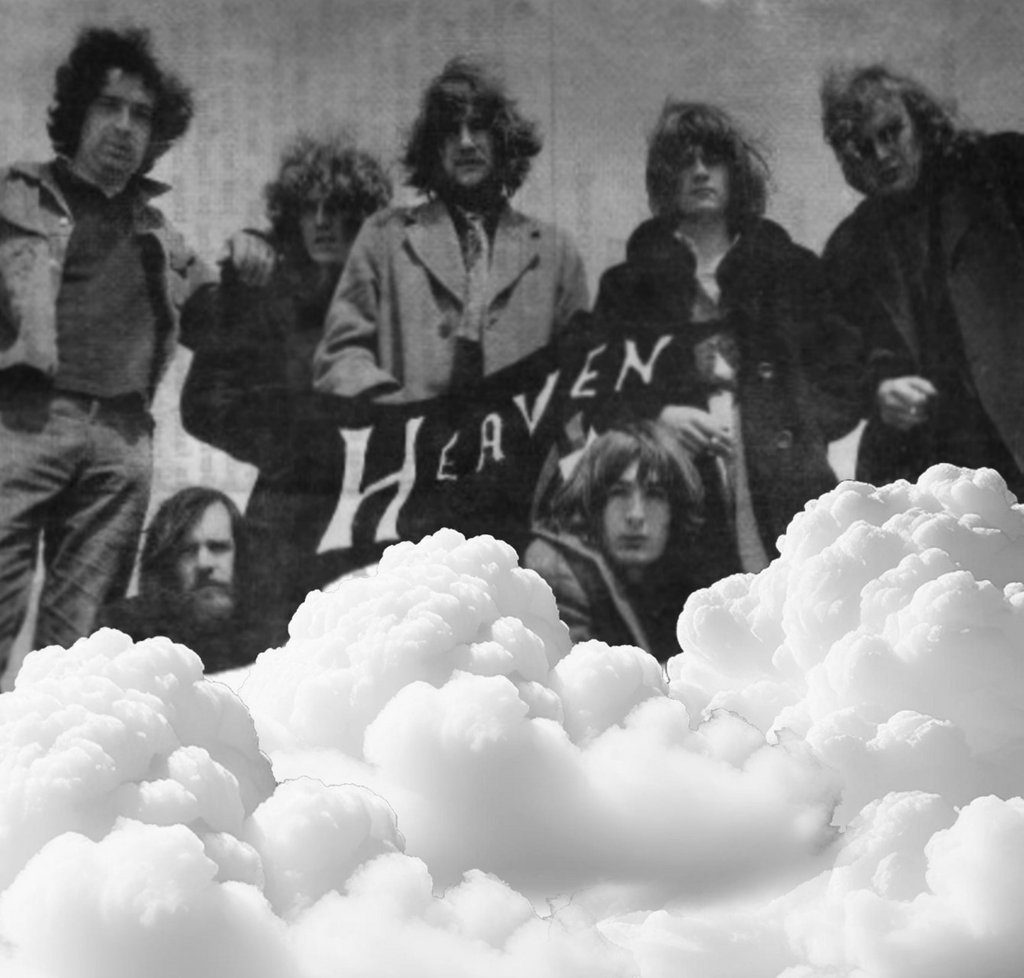
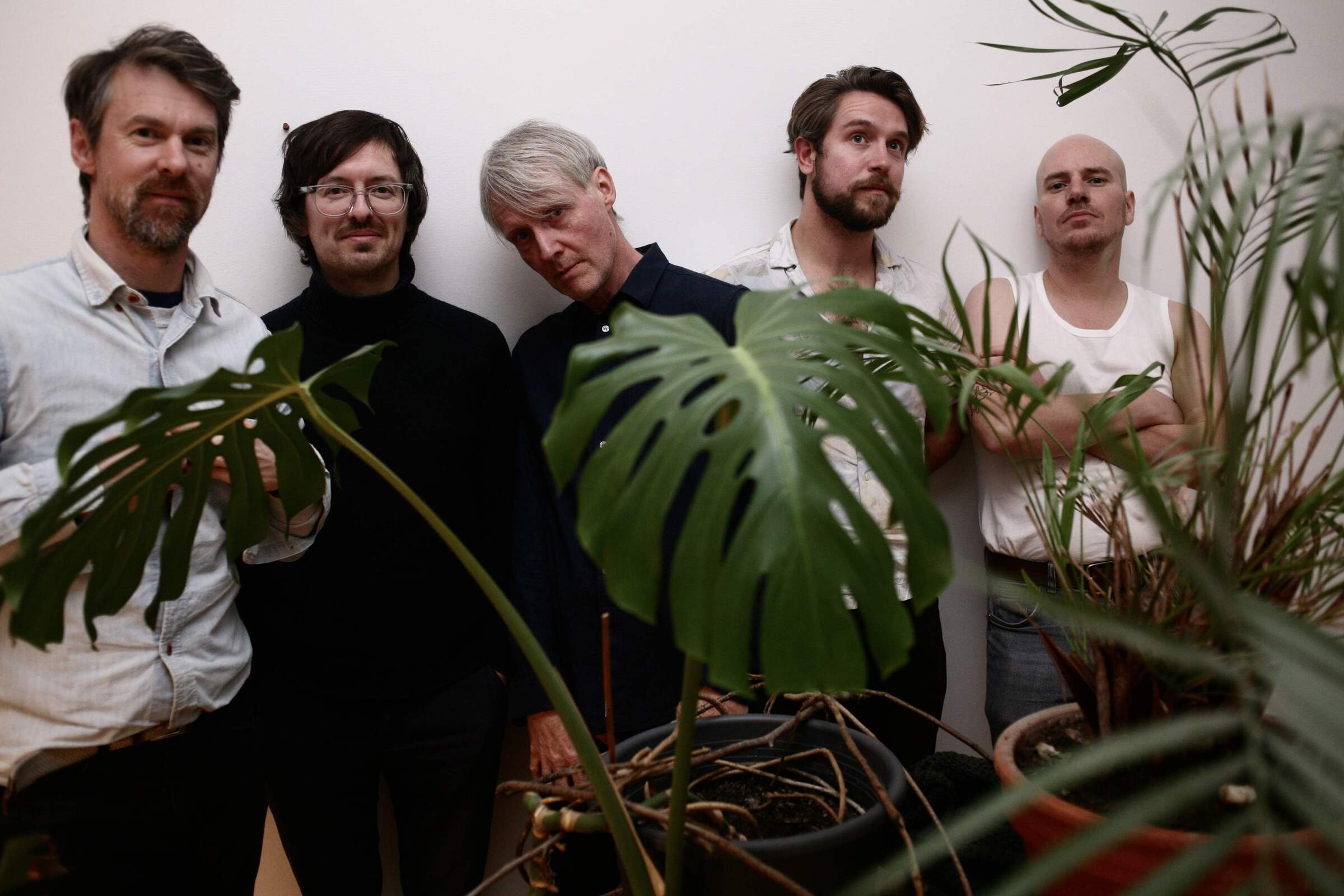
Headline photo: Heaven (Credit: Seelie Court / Good Time Records)
Seelie Court Facebook / Instagram
Good Time Records Website / Facebook / Instagram

 BÉNÉDICT LEGRAND
Thanks