
Jimbo Ross Unleashes the Jazz Viola on ‘SO DO IT’
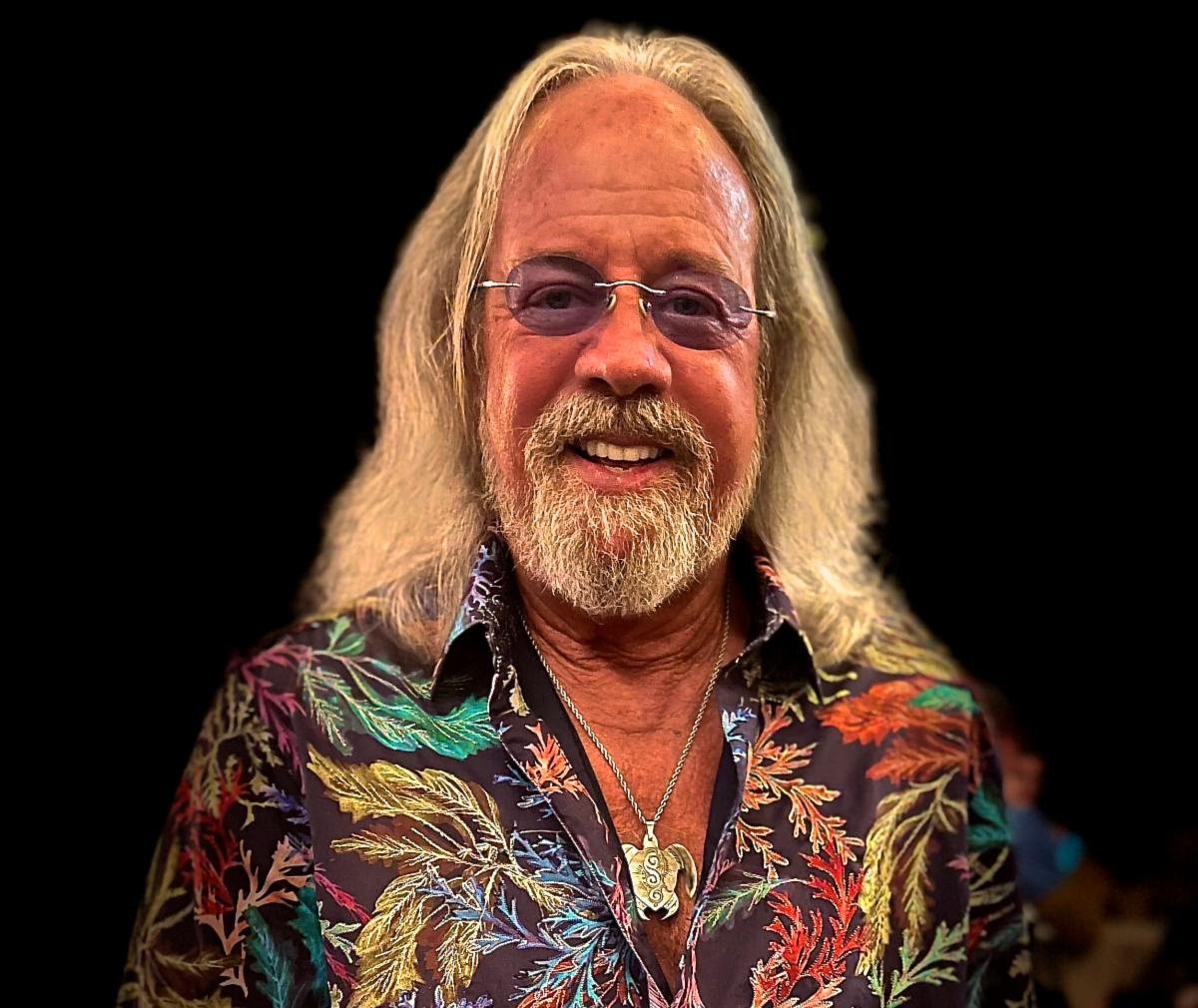
Legendary trumpeter Don Ellis once dubbed Jimbo Ross the “only jazz violist in captivity,” a title the veteran musician has owned through a dizzying career accompanying icons ranging from Frank Sinatra to James Brown.
Yet, despite his ubiquity in the session world, Ross has only recently stepped fully into the spotlight as a leader. On his latest release, ‘SO DO IT,’ Ross commands a custom 5-string electric viola, an instrument chosen specifically to “expand my creativity pallet and soar” beyond the traditional constraints of the string section.
Backed by a telepathic rhythm section including guitarist Joe Gaeta and pianist Stuart Elster, Ross avoids tired standards in favor of “overlooked gems” like Wes Montgomery’s ‘Twisted Blues’ and Duke Ellington’s obscure ‘Sherman Shuffle’. The result is visceral rather than academic. “I rely on my inner ear and creativity to be fueled by my gut feeling to improvise from the depths of my soul,” Ross explains regarding his shift from session ace to creative artist. By resurrecting these intricate, less-traveled cuts, Ross is staking a claim for the viola as a legitimate lead voice, noting, “leave it to an adventurous Viola player to present them to the world”.
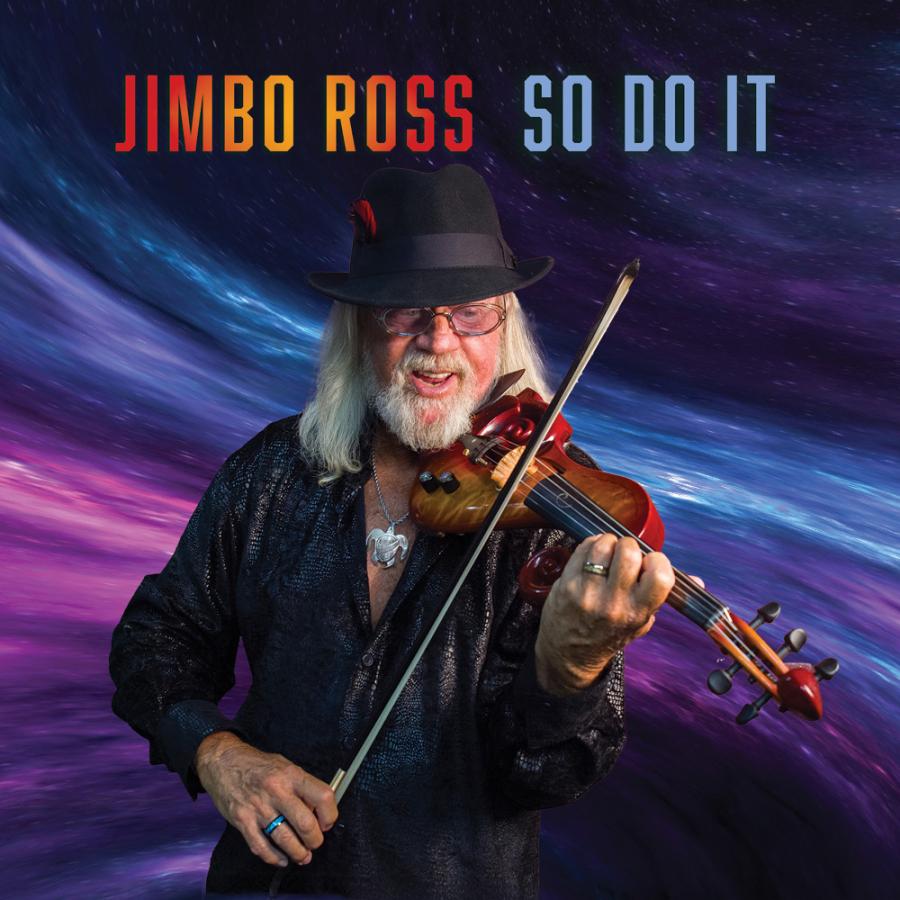
“I rely on my inner ear and creativity to be fueled by my gut feeling to improvise from the depths of my soul.”
Don Ellis called you the “only jazz violist in captivity,” a title you’ve really owned. We have to talk about that custom-made, electric 5-string instrument. How has that extra string and massive range become essential for your improvisational voice, especially when you’re digging into the complex harmony of classics like the ones on ‘SO DO IT’?
Jimbo Ross: When I met Don Ellis, I was playing Viola and Violin in a 30’s Swing band, (à la… Django Reinhardt & Stephane Grappelli Hot Club Du France) called DR. JAZZ in 1975. Don was putting his Big Band plus String Quartet back together after a long hiatus, and I was recommended by some session players that thought I would be perfect for the position. I went to his house to meet him and after a short talk he gave me the Viola book which I committed to memory. At the first rehearsal he had written a big band chart featuring me as the soloist. I rose to the occasion. In earlier incarnations of the band, none of the string players were improvisers, so he jumped at the opportunity to feature me on several pieces.
A thrill of a lifetime. I would unplug from my amp in the String Quartet and run out front of the big band to plug into my solo amp, blow a solo then run back to my spot in the quartet and continue my ensemble playing. After the very first concert we played, a gentleman in the audience came backstage to meet me; he was a Music Contractor for Strings which started my years of recording for all the Motown, Jazz, Disco, R&B artists.
In 1977 the Don Ellis band did a European 2 week tour including a live recording at the Montreux Jazz Festival in Switzerland. Here is a link for “FUTURE FEATURE” (for 5 Fine Fellows) performance at the festival/recording featuring me and four others as soloists out in front of the band all played from memory:
Leonard Feather, the Jazz critic for the Los Angeles Times, in a review of a Don Ellis concert in 1977 hailed me as “The Only First Jazz Violist Extant”.
In the studios for section playing & recording I play a regular 4 string Viola. It is a copy of a Pellegrino Zanetto circa 1570 which was made by Michael Fischer. My first 5 string Viola in 1997 enabled me to have more range to easily reach notes in the higher register to expand my creativity palette and soar!!! I got a new one in 2017 designed & made by Brandon MacDougall @ www.liquidviolins.com
Your history is crazy—from Frank Sinatra and Michael Bublé to Herbie Hancock and James Brown. When you take on a standard like ‘Speak Low,’ how do you process or even undo the decades of session-player muscle memory from all that pop and R&B work? How do you ensure the final take is purely Jimbo Ross the Jazz Violist, not Jimbo Ross the Session Ace?
Having worked with some of the most famous Arrangers & Artists in the world, I learned so much by just keeping my ears open, taking in all those rich harmonies and phrasing that embellished the songs so perfectly. The Violas are at the heart of that juicy harmonic warmth, which added to my ability to hear the choice of notes to play when I improvise. I put my Heart and Soul into every style I play, whether on a record date, orchestra concert, or with a Jazz, R&B, Blues, Ethnic group. That being said, I really thrive in being the Creative Artist which sets me free to LIVE the Jazz and play freely. In whole, most all the session work I have done has enriched my sense of harmony, but I rely on my inner ear and creativity to be fueled by my gut feeling to improvise from the depths of my soul.
Recording “live in the studio” is about catching that “spontaneous combustion,” but sonically, getting the viola to sit right with a guitar/piano front line is tough. What technical decisions—mics, room setup, or engineering tricks—did you guys use to make sure that “gutsy human voice range” of the viola cuts through and gets its proper punch on the final record?
I rehearse the tunes until they are good and tight and everyone is comfortable with the arrangements. Each instrument is on his own track so we can get the right balance in our headsets. The studio we use is THE SONIC BOOM ROOM owned and engineered by Kevin Jarvis who is a musician himself. This is key in order to have the comfort and ease to play together with someone at the Mixing Board that has the experience to record with proper mics & EQs for optimum results. The VIOLA is the feature instrument so the mix is done appropriately so the VIOLA shines. All Soloists get the same treatment during the songs.
You’ve got the same killer lineup from the debut on ‘SO DO IT.’ When you have that kind of telepathic history with guys like Joe Gaeta, Stuart Elster, Peter Marshall, and Ron Wagner, how does it change how you pick the tunes? Are you choosing these “hidden gems” specifically because you know, for example, Stuart’s chord voicing or Ron’s rhythmic feel will unlock something new in that particular song?
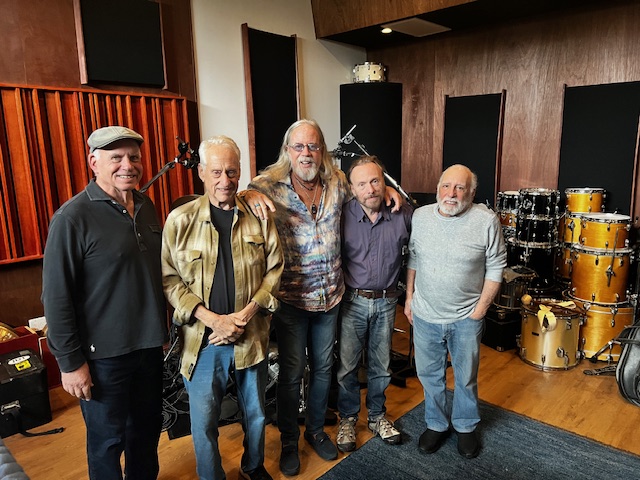
I have known and played many gigs with all these wonderful seasoned musicians for many years in different situations. I put this group together with that in mind knowing that this would be a dream Band. The guitarist Joe Gaeta, who is a Wes Montgomery aficionado, would have weekly jams at his house where we would explore the vast undiscovered, under played hip tunes, avoiding the usual overplayed tunes. I can’t say enough about these marvelous players. Stuart Elster on Piano has a keen sense of Chord Voicing and Feel for effortless grooves with finesse besides playing amazing solos. Peter Marshall on bass, having played with the Woody Herman band and a host of others, drives the Bass lines with total commitment to the groove. Ron Wagner on Drums & percussion is a tasty and creative time keeper besides nailing the grooves with spunk and style. We all feed off the collective whole of everyone’s impeccable musicianship to create a magical blend of jazz bliss.
You’re clearly digging deep into the archives for tunes like Wes Montgomery’s ‘Twisted Blues’ and Duke Ellington’s obscure ‘Sherman Shuffle.’ What drives you to resurrect these lesser-recorded “hidden gems” instead of going with bigger standards? Is there a conscious mission to expand the working vocabulary or repertoire specifically for the jazz viola?
I could be recording the usual well known standards, and probably will, but for the time being, I am enjoying pulling up some of the wonderful overlooked gems like ‘Twisted Blues,’ ‘Nardis,’ ‘Funkalerro’ and ‘The Gigolo’ etc… I have played with numerous jazz bands throughout the years since 1975, and have played most of the popular American songbook that have become standards which are lovely and fun to play, but there is so many more great tunes out there that need to be played. So leave it to an adventurous Viola player to present them to the world.
Tunes like ‘Twisted Blues’ are all about those structural surprises and rhythmic punches. Since the viola isn’t a typical jazz horn, how does the bowing and phrasing allow you to communicate that rhythmic tension—those “twists and turns”—in a unique way that a saxophone or trumpet simply can’t?
In the 70’s I played a weekly straight ahead Jazz gig at the Comeback Inn in Venice CA with a 7 piece band: Mike Price – Trumpet, Mel Steinberg – Tenor Sax, Bruce Fowler – Trombone with Guitar, Viola (me), Bass & Drums. That gig really helped form my own style, to dig deep in jazz harmony and really blow creative solos. I played with the legendary tenor sax man Teddy Edwards in his group that featured Bobby Bryant and Oscar Brashear on Trumpet, George Bohannon – Trombone with other notable cats, and a small string section which I was also a soloist. I also played with Horace Silver band with Strings which I was also a soloist. So I learned a lot real quick on the job (after woodshedding for hours daily at home). Being a self taught Jazz improviser, I created my own style by taking all this experience from being mentored by some of the great masters of the era and pushing myself into becoming the master of my craft. I developed my own Technique with a smooth bow arm to become one with the Viola expressing my deepest soulful feelings with no boundaries.
You’ve got everything from James Brown and Elton John sessions to playing Zydeco. Do you see those decades in rock, R&B, and pop as essential training that prepared you for the freedom of jazz, or are those different genres entirely separate parts of your musical brain?
On becoming a veteran session player having played and mastered music in every genre possible, this all helped in making me a well rounded musician, which made me in demand for producers who were looking for the X-Factor quality for their project, that also has a positive attitude and works well with others. I was very busy playing and making a living being a session player but I was also out there playing clubs working with bands doing what I love most. I played a two year gig 4 nights a week at The Vine Street Bar & Grill in Hollywood with the group Swingstreet. For many years I would play Jazz gigs at night after playing recording sessions all day.
You were on the scene with guys like Horace Silver back in the day, but it took until 2024 to record your debut as a jazz leader. What shifted—was it about maturity, the band, technology—that made the last couple of years the right time to finally step out fully and get this incredible music down on record?
Now that I have more time (years ago, much of the industry has been recording in London, Prague, Bratislava etc. to save money) I am devoting my energies to do projects that I have always wanted to do. So as the title suggests ‘SO DO IT’ is my motto. More Jazz is coming soon that will also include some Originals by myself and my guitarist Joe Gaeta.
‘SO DO IT’ is all about bringing your voice to classics. Looking forward, are you actively writing original music that can only be realized on that 5-string electric instrument—pieces that couldn’t be played effectively on a standard violin or viola—to truly define what “Jimbo Ross” music is, beyond the jazz canon?
More Jazz is coming soon that will also include some Originals by myself and my guitarist Joe Gaeta who is a prolific writer. We were in a Jazz Fusion band together called AFFIRMATION with keyboardist Thom Teresi 1977 thru mid 80’s and recorded 2 albums, ‘Lost Angeles’ and ‘Identity Crisis’. They have been re-issued on Thom’s record label Rhombus Records. He is also releasing a new album ‘Lost & Found In Los Angeles’ from out-takes in the studio and live gigs. But Joe and I and the current band are currently working on my next album in the straight-ahead Jazz vein along with some originals that are incredible. However, I chose to stick to the classic jazz era for the 1st two albums to get people acquainted [with] my style with some known and lesser known material. In answer to your question, I could play all these songs on 4 or 5 string viola. But I chose the 5 string because it just expands my range for easier access especially with up tempo tunes. I also have an all acoustic Jazz/Rock/Pop String Quartet that plays casuals and concerts which I have written hundreds of arrangements for. I recorded three albums with The Greene String Quartet on Virgin Classics in ’84 thru the ’90’s which got critical acclaim for being one of the first jazz string quartets on the market at that time.
As someone who sits at the pinnacle of this small group of jazz violists, what’s the biggest hurdle, maybe technical, like amplification, or logistical, like finding other players that you think keeps the jazz viola from being a more common sound in today’s contemporary and experimental jazz scenes?
As far as I know, there have been very few Jazz Viola players compared to Violin taking the spotlight. In the 30’s and 40’s there have been Joe Venuti, Stephane Grappelli, Ray Nance with the Ellington Band, Stuff Smith all on Violin. But there was a Danish gentleman named Svend Asmussen who was amazing virtuoso playing jazz on Violin & Viola. All of these players were a big influence in my early years in the ’70’s. Viola was my 1st instrument at age 8 in school. I excelled rapidly doing recitals at an early age. I got my 1st guitar at age 12 and was enraptured by blues and soul music. A friend turned me on to John Coltrane, Miles Davis, etc. in High School. But it wasn’t until 1974 when I joined Dr. Jazz that I was turned on to swing music and the American Songbook that Jazz was built on. I poured myself into the style on the VIOLA and found my identity as a Jazz artist. Which consequently opened the doors to a vast array of playing opportunities. Being trained classically and being an excellent sight reader I could play just about anything at first sight, which was a big plus at becoming a top session player, being well versed in all styles of music. But being a Jazz Viola player I use all of my experience to just play from the heart with soul to improvise freely. I also teach Jazz improv to pass the torch along.
Klemen Breznikar
Jimbo Ross Facebook
Bodacious Records Website / Facebook / Instagram / YouTube