
Mad Dancers: An Interview about Rediscovered ’70s Tapes
Emerging from Rockford, Illinois in the early 1970s, Mad Dancers stood apart from the bar-band circuit that defined much of the local scene. While “most people at that time were playing covers and doing the bar scene,” the group committed to all-original material and approached performance as experimentation, aiming to stay “tight but free-form so there was room to breathe.”
Their sound drew spiritual fuel from progressive pioneers, but the band’s philosophy was clear: “Don’t make mistakes, make statements, and don’t be afraid to play outside of the box.”
Built from marathon jam sessions where “sometimes the riff would drive the idea and sometimes the idea would drive the riff,” Mad Dancers wrote songs that balanced complexity with momentum. Tracks like ‘Guardrail’ and ‘Office Rocker’ became live staples, while ‘Starline Expressway’ famously sparked into existence after the band spotted a truck logo on the highway and felt “the song wrote itself that very instant.”
Though life eventually pulled the members in different directions — as they simply put it, “life happens” — the rediscovery of their recordings led to ‘Quinquagenarian,’ a vinyl resurrection that preserves not only their sound but their spirit. Nearly fifty years later, Mad Dancers remain another incredible band that was luckily saved just in time thanks to Twisted Flower Records.
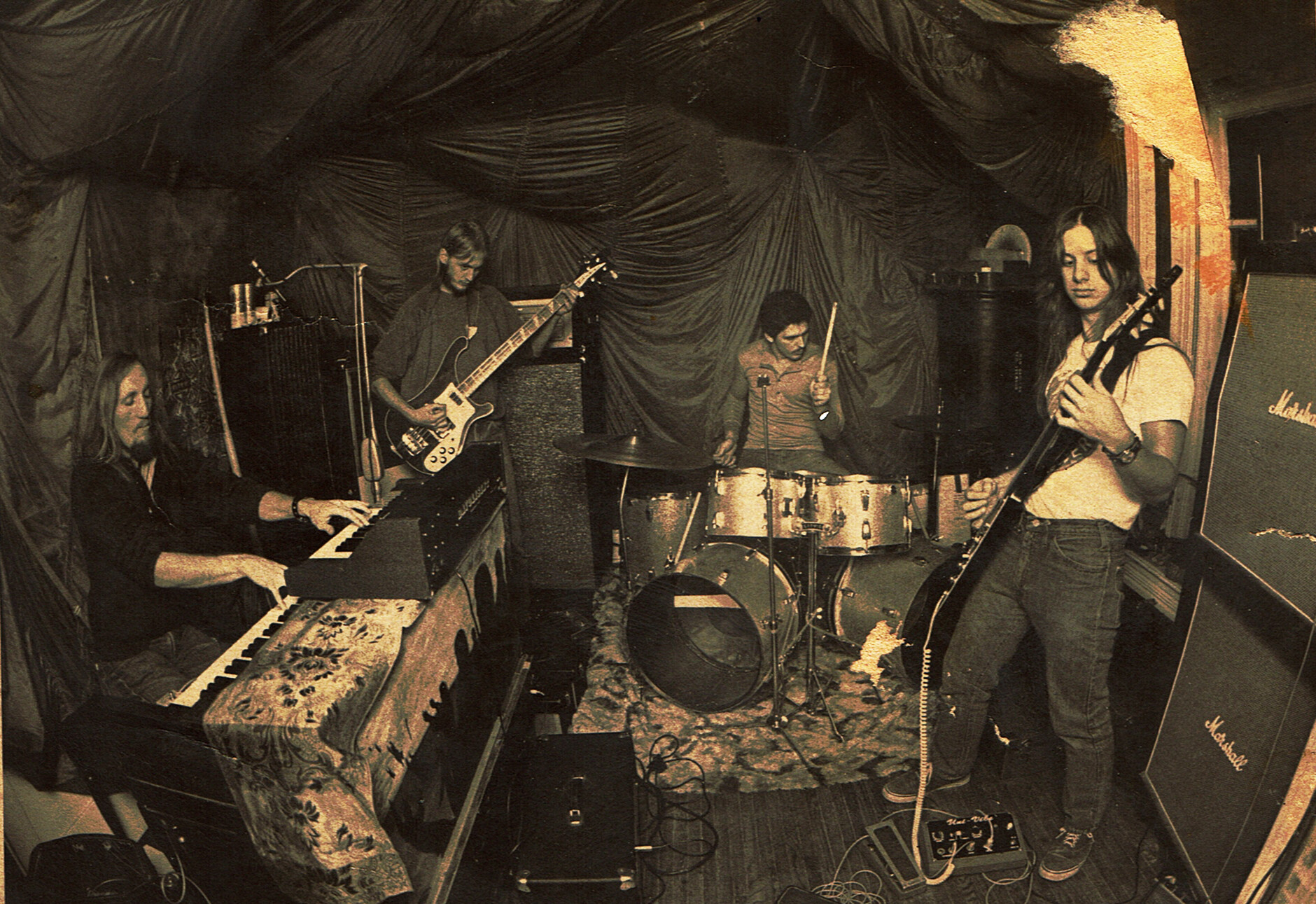
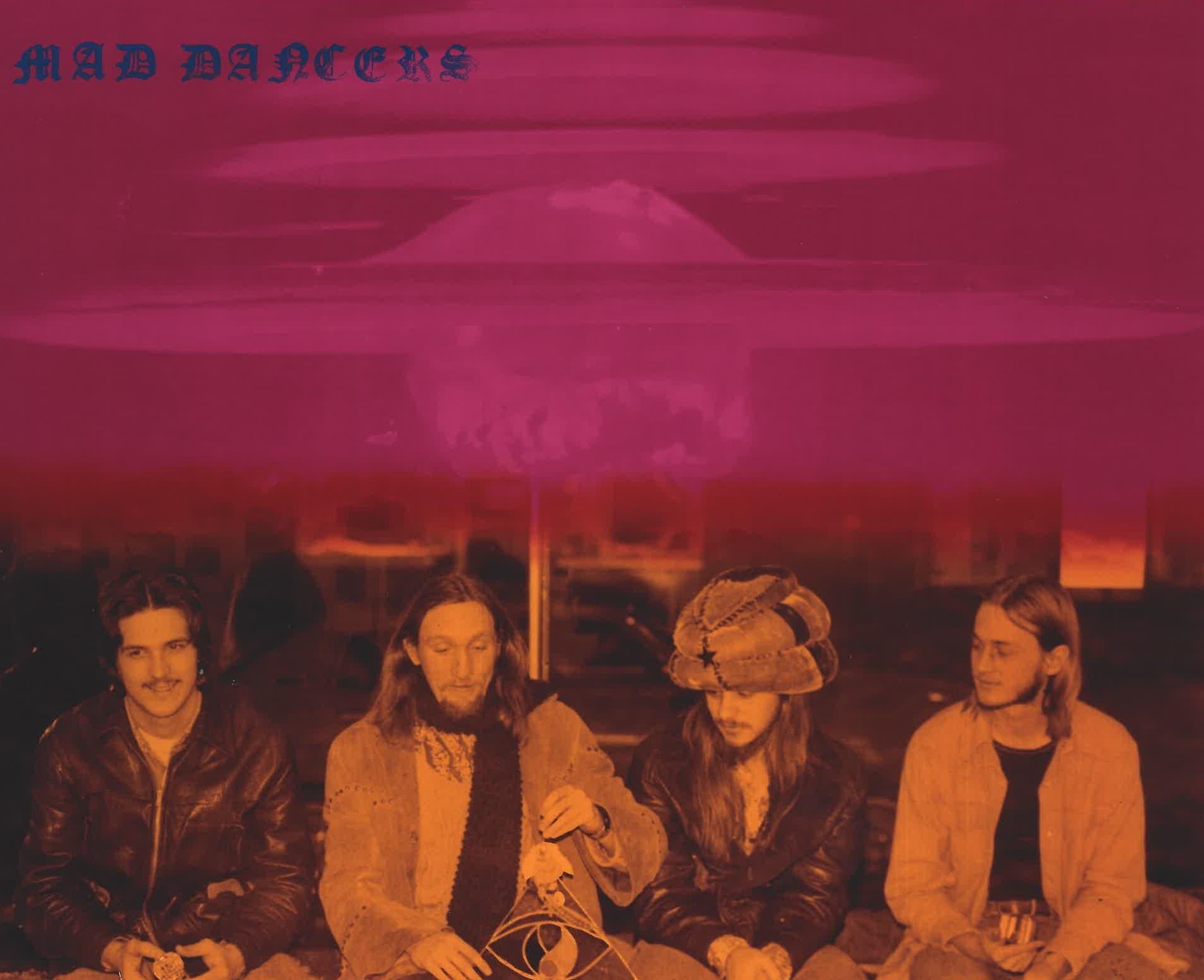
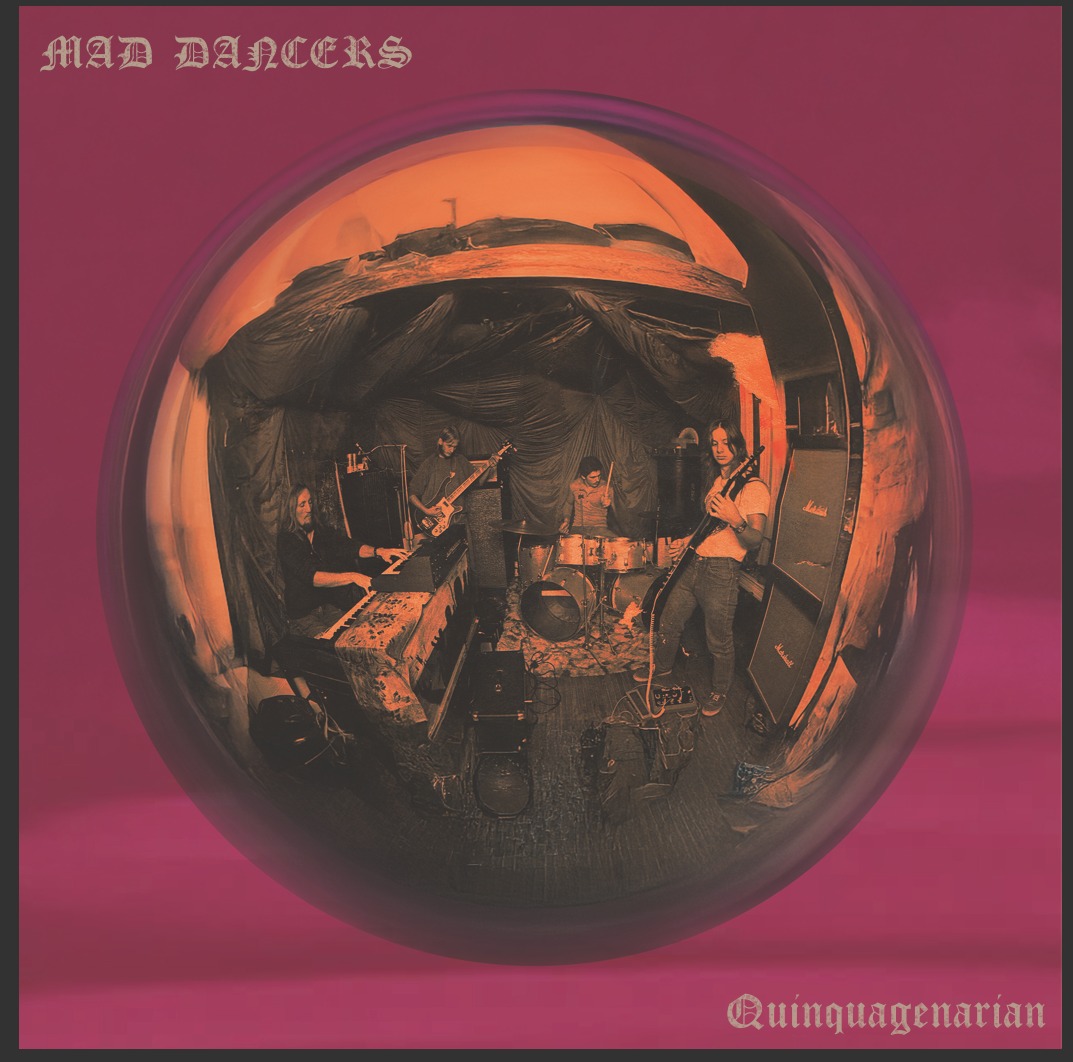
Mad Dancers, formed in Rockford, Illinois (U.S.A.), consisted of four core members: Ted Iverson on drums, Curt Johnsen on keyboards, Don Bonzi on guitars and vocals, and Mike Duclon on bass and vocals. In addition to the main lineup, the band would also like to recognize two special people who were part of the Mad Dancers family and whose contributions were deeply meaningful to the group. Bruce Farnham is remembered as an honorary member who appeared as a guest vocalist on ‘Starline Expressway.’ He was described as not of this world and was taken away at a very early age, a true spirit of a time that was. John Berry is also honored as an honorary member, remembered as a brilliant creative artist for the band and an inspirational motivator who added invisible color to the music, helping shape the creative atmosphere that surrounded Mad Dancers.
“Our first gig was opening for Ted Nugent”
When Mad Dancers first formed in the early 1970s, progressive rock was both exploding and fragmenting into countless directions. Can you take us back to that time and describe what set your creative vision apart from other progressive acts experimenting in similar spaces?
Donald Bonzi: Most people at that time were playing covers and doing the bar scene. We created all original music and didn’t really care about the bar scene. We did play some bars, clubs, but we were mostly a concert band. We were just having serious fun playing and experimenting.
King Crimson, Captain Beyond, Brian Eno, and Robert Fripp were mentioned as collective influences. How did each member internalize and reinterpret these sounds to form the band’s unique identity?
All I can say is follow the music, heart and soul, create your own definition or interpretation of the music you love, music that makes you sing and fly. Don’t make mistakes, make statements, and don’t be afraid to play outside of the box.
Was there a certain concept you had when forming the band?
We all enjoyed experimenting with music and in our live performances would bring in many special effects, both sound and visual. We would also keep it tight but free-form so there was room to breathe.
Speaking of formation, tell us about the early beginning. Where did you grow up? Were any of you in any other bands? Did you record anything? Maybe play some local shows?
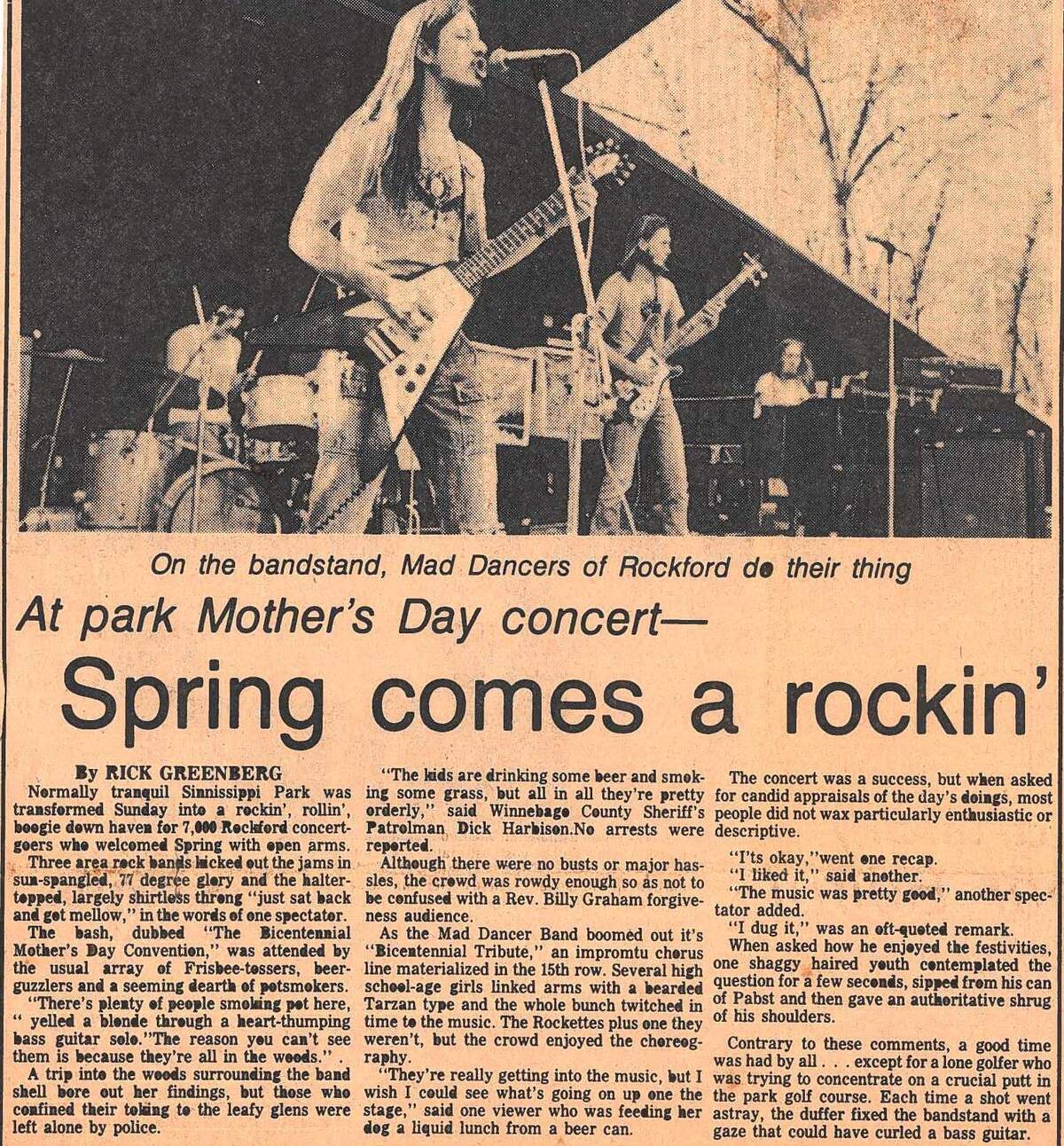
We were all natives of Rockford, Illinois, USA, a modest industrial city of about 100,000 at the time, went to different schools but would gather at all the local music venues. Most all the musicians in the city our age knew each other or had heard about each other, so at some point in time we would run into each other either playing a gig or just hanging out. When Curt Johnsen and I first met around 1971, we knew there was a force field in play with the music and we stayed in contact. A little while after that Curt introduced me to Ted Iverson, an amazing drummer. He became the driving force that welded the music together. We formed our first band called Music From The Sun. Our first gig was opening for Ted Nugent, a gig that Mike Duclon, our soon-to-be bass player, booked for us. Before Mike joined the band Curt would play bass on some kind of bass keyboard he had. Curt was awesome! He did the work of 3 or 4 musicians all at once on his keyboards. When Mike joined the band we changed the name to Mad Dancers. We began playing shows, concerts, festivals, but mostly in our local area, within a couple hundred miles. Some early recording was done in our home studios which consisted of a stereo reel-to-reel in a basement and some live recordings at various venues. A couple of my most notable fun gigs were opening for a then brand-new all-girl band from California, The Runaways (Joan Jett, Lita Ford), also our mini tour with Captain Beyond. We played several gigs opening for them and became friends with them. And then… there was the PIZZA PLACE!!!! A gig in the middle of winter, freezing cold blizzard conditions, walking up two flights of stairs covered with ice with all our heavy equipment including a Hammond organ, two stacks of Marshalls, SVT, much sound equipment, etc., you get the picture… and then… no one showed up to the gig that night. Of course I don’t blame them, who goes out in a blizzard to a gig except crazy die-hard musicians… Ha ha… not funny then but we all laugh about it now.

So what led to the formation of Mad Dancers?
I will revert back to… follow the music, heart and soul. We were all good friends… and still are.
The new release ‘Quinquagenarian’ resurrects recordings that were lost in space. Can you walk us through how these tapes were rediscovered, restored, and prepared for release five decades later?
Thanks to a friend, Regis Patsiandas, who heard the 45, then contacted me and acquired copies of the 45. Regis introduced me to Dimitris Karytsiotis (Twisted Flower Records) who had heard the 45 and was interested in making a vinyl LP which would include the two songs on the 45 and three more unreleased songs we had found. Dimitris has remastered for vinyl and produced this project, and in keeping the original vibe of that time period he has used all the original art, posters, pictures that we have been able to provide for him.
What happened to the band after those original sessions? Was there a sense of unfinished business, or did life simply pull the members into other musical and personal directions?
Like you say, “life happens.” The things of this world are not as important as what happens to the spirit. No regrets, just positive memories.
What was the local music scene like back then?
The local music scene in Rockford was great. There was a lot of support for the local musicians. Of course Cheap Trick was the Rockford favorite local band. Being only 90 miles from Chicago helped fuel the local scene in Rockford, but there were also a lot of great music venues in the Rockford area, always something happening. Our favorite place was Charlotte’s Web, a local concert club where we played a lot. Or sometimes we would just meet there and listen to some really great local or international touring bands and musicians. It was also a local hangout for artists. Great food and spirits.
Who was in that first line-up?
Started out with me, Curt, and Ted in Music From The Sun. Then soon after we started Mike joined and we changed the name to Mad Dancers.
How did you develop material for the album?
We would just jam for hours on riffs and ideas. Sometimes those riffs and ideas would develop into a song.
What was the songwriting process inside the band?
Ideas for songs came from all around us. If someone in the band had an inspiration, we would all work on it together. We all wrote and had ideas. Sometimes the riff would drive the idea and sometimes the idea would drive the riff. The final arrangement for the songs was always the hardest part. After the smoke cleared, trying to fit all those riffs into one song was mesmerizing… haha.
Which songs became setlist favourites live and why?
I think ‘Guardrail’ and ‘Office Rocker’ were played at every gig because they were easier to reproduce live. We also had a lot of other songs that are not on this album because unfortunately they were never properly recorded and were lost in space. We had about two hours of music for live shows and would play however long the venue wanted us to.
So the only official released material was the self-released single ‘Just Us Too’ / ‘Starline Expressway’?
Yes, all the songs on the album were recorded at about the same time. The 45 did get some airplay at a few college and local stations. In those days you could bring your record right into the radio station and ask them to play it. Some did.
Would love to hear about your instruments and gear…
On the recording I used mostly my ’61 Gibson Les Paul SG. I also used my ’67 Gibson Flying V. My guitars were always run through a 100-watt Marshall Plexi and two 4×12 Marshall cabinets. My main pedals included a Cry Baby wah, a Univibe, a Maestro fuzz, and a Fender echo chamber. Curt had a Hammond organ, Leslie, and a Davolisint synth through a 100-watt stack of Marshalls (same as mine) and an MXR flanger and various keys and pedals. Mike used a Rickenbacker bass through an SVT stack with eight 10″ speakers. Ted had a Rogers red sparkle double bass kit and Ludwig double bass kit, chrome Slingerland snare.
We would love it if you could add a few more comments about the songs.
One day while driving, maybe to a gig, I don’t remember where we were going, but we passed this truck on the highway and on the truck it read Starline Express. Curt and I looked at each other and I think the song wrote itself that very instant. ‘Guardrail’ was actually inspired by a dream I had. I think Mike was just poking fun at the world when he had the idea for ‘Office Rocker.’ ‘On a Thousand Dreams,’ we were just jamming and all of a sudden Ted just took off flying and we all followed along. ‘Just Us Too’ is… well, from outer space… haha.
Why did the band split?
“Life happens.”
Did you ever anticipate a vinyl re-release fifty years later?
This release came as a very pleasant surprise to all of us, and we are all very grateful for this opportunity to once again reconnect with our band mates, and also very thankful that Dimitris and Regis became involved in our music. I am amazed that Mad Dancers music has been able to stand the test of time and still have a valid statement for today. All I can say is music is a universal language carried through time and space and can communicate in spirit to the heart and soul.
What currently occupies your life?
For me: music, my garden, family and friends. When I am not playing music I enjoy working in my garden, watching nature and learning. In my studio I am writing songs and working on new projects and learning new old music. Still playing gigs when they come up. Trying to stay peaceful in a crazy world and enjoying time with family and friends. Curt, Mike, and Ted are all still very active and deeply rooted in creative projects with music, art and crafts.
Klemen Breznikar
Mad Dancers Website
Twisted Flowers Website