
Babes in Canyon Interview: From Blackout to ‘Echo’
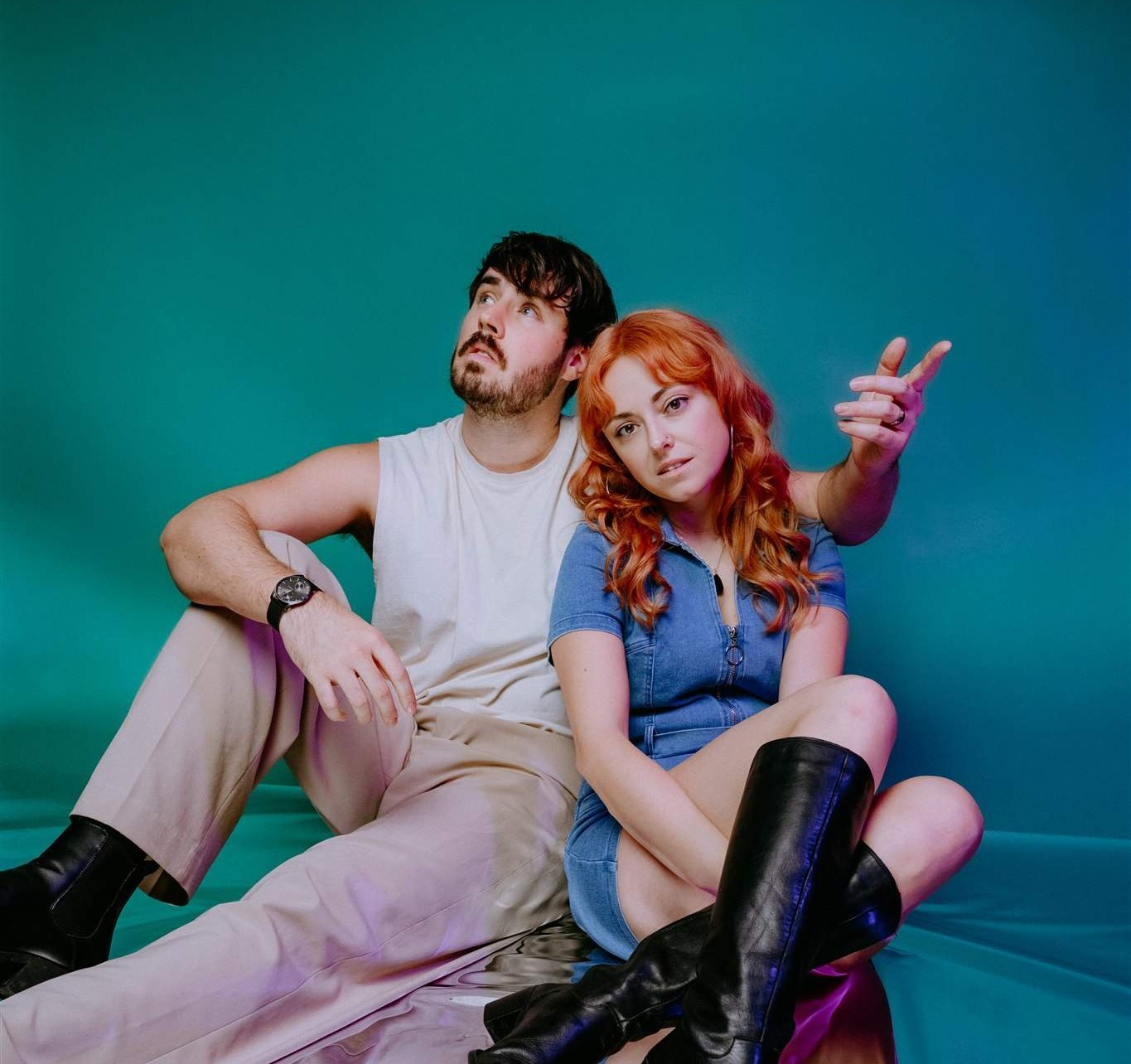
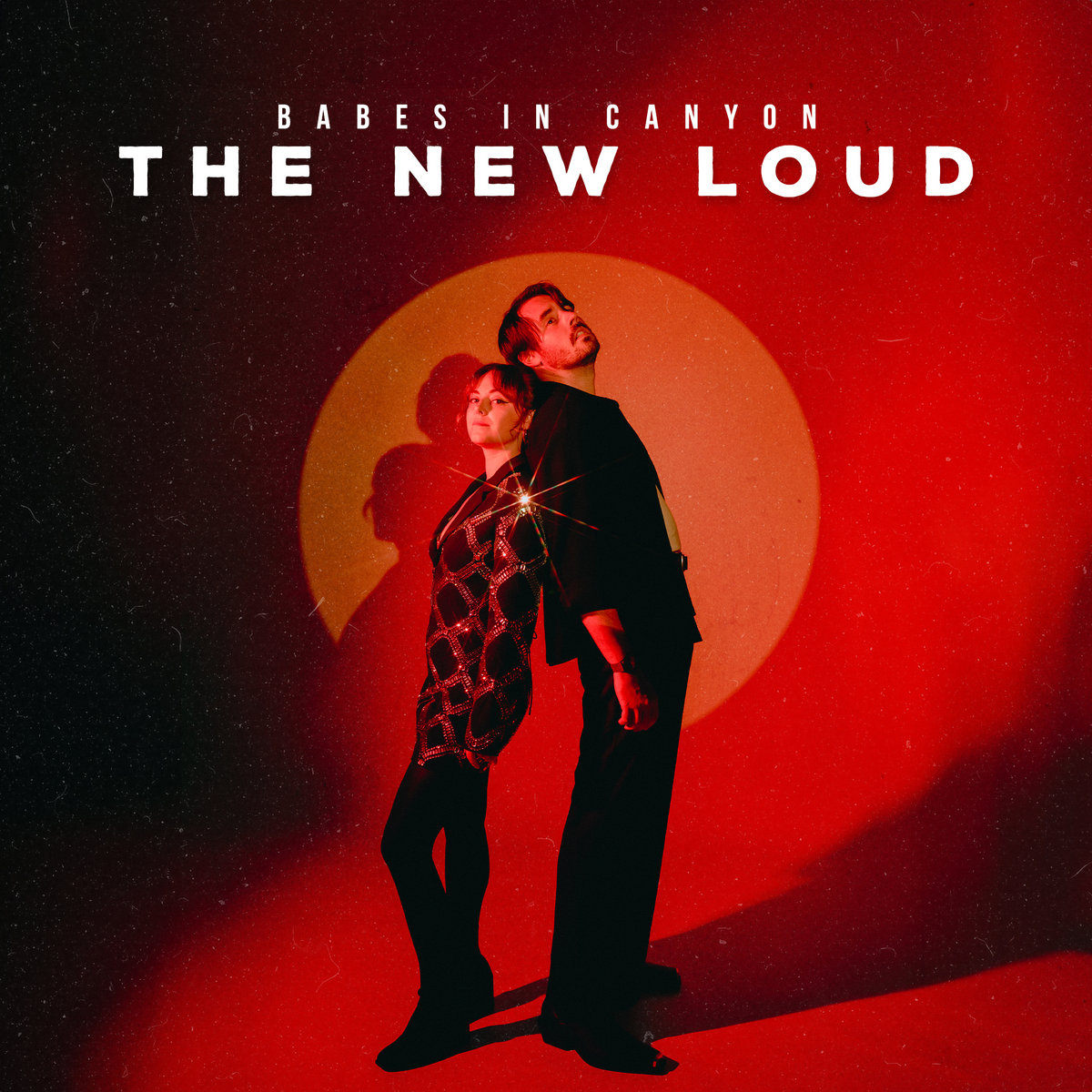
Babes in Canyon’s 2025 debut album ‘The New Loud’ introduced the Seattle duo of Nathan and Sophia Hamer as artists deeply attuned to atmosphere, harmony and place.
The record moves between folk structure and more experimental production, building a sound that feels both grounded and exploratory.
Much of the album was shaped by constraint and environment. In the interview, the band describe moments like working during a blackout as unexpectedly generative, pushing them toward new approaches. Across ‘The New Loud’, that sense of limitation becomes a creative force, guiding the textures and pacing of the songs.
The record draws heavily from landscape, isolation and emotional pressure, themes that run through its writing and sonic choices. Babes in Canyon incorporate environmental sounds, including a metal feed can lid and tree frogs, folding these elements into the music rather than using them as surface detail. The result is an album that feels lived-in and specific, with each sound tied to a physical or emotional context.
At the same time, ‘The New Loud’ hints at an internal shift within the band. They speak about a “more driving, pulsing life force” emerging in their work, suggesting a movement toward rhythm and momentum that sits alongside the album’s more reflective moments.
“Our Music Goes Beyond Self-Expression and Aims for Connection”
You’ve got two origin stories now, the storm cabin and the blackout that led to ‘Echo.’ Do those kinds of constraints unlock something for you, or do you think you’ve just learned how to listen when things get quiet?
We’ve always found creative inspiration from isolation. Nature plays a big role in our music: the vastness and collision of drama and tranquillity. When we’re in a writing phase, we try to find a place where we can get lost somewhere, hunker down, and fully give in to musical exploration.
‘Echo’ leans harder into rhythm than some of your earlier work. Did that come from something you couldn’t quite express with acoustic textures alone?
That was inspired by an internal shift, a more driving, pulsing life force in ourselves and in our music. We always try to blend acoustic and electronic elements in our music. With our debut album exploring a lot of heavy emotional themes, we wanted our new single to feel like a jettison into freedom of expression.
When you wrote ‘Echo,’ what was the image or moment that everything kept circling back to?
Two people falling through a swirling galaxy of chaos, holding on to each other, and learning to embrace the unknown with vim.
A lot of your songs feel like they’re holding back just enough, like they don’t fully explain themselves. Is that intentional, or is it just how you naturally write?
We always have a very clear purpose when writing, so we try to communicate that lyrically in as defined a way as possible, while still leaving room for listeners to imbue their own meaning and stories into the songs. Our music goes beyond self-expression and aims for connection, so we want to create space for that by leaving some questions unanswered.
Nathan, after Kuinka, was there a moment where you realized, “okay, this is not that band, I need to stop writing like that”? What triggered that shift?
Writing with Sophia often feels like having a superpower. Her ability to take melodies and a single lyric prompt and flesh them out into a fully realized song is incredible. It feels like we have a shared creative brain at times, so getting to the heart of a song is often a direct and rewarding process.
Sophia, when you’re working on lyrics together, is there a line you tend to push back on most often? What makes you say, “no, that’s not it yet”?
I think a line is ready when the words written are the only way that sentiment can be expressed. If there still feels like there’s another way to say it, it’s not ready yet. I try to choose words that are the purest in their intention. I won’t put a lyric into a song if I feel there is a better way to express it.
You recorded parts of ‘The New Loud’ using sounds from your environment. Was there a specific sound you captured that ended up changing a song more than you expected?
Two recordings come to mind: a metal feed can lid became a huge percussive element in the title track, ‘The New Loud,’ giving the song a more cinematic scope. The use of tree frogs at the end of ‘Sunset Song’ really rounded out the song’s sentimental value to us, and cemented its place as the final track on the album.
Bringing those raw recordings into a studio setting with someone like Jerry Streeter, did you ever feel like you were in danger of sanding off the rough edges that made them special?
We love Jerry! He was there for the full process of capturing these elements and finding unique ways to weave them into the songs. Jerry brings a lot to the table, has a deep understanding of how we work and what we were looking for, and always helps us strike a strong balance between raw organic elements and electronic components. We wanted a polished yet earthy-feeling album, and he helped us achieve just that.
Your live shows have a reputation for being way more intense than people expect from harmony-driven music. When did you realize the songs wanted that kind of physical energy?
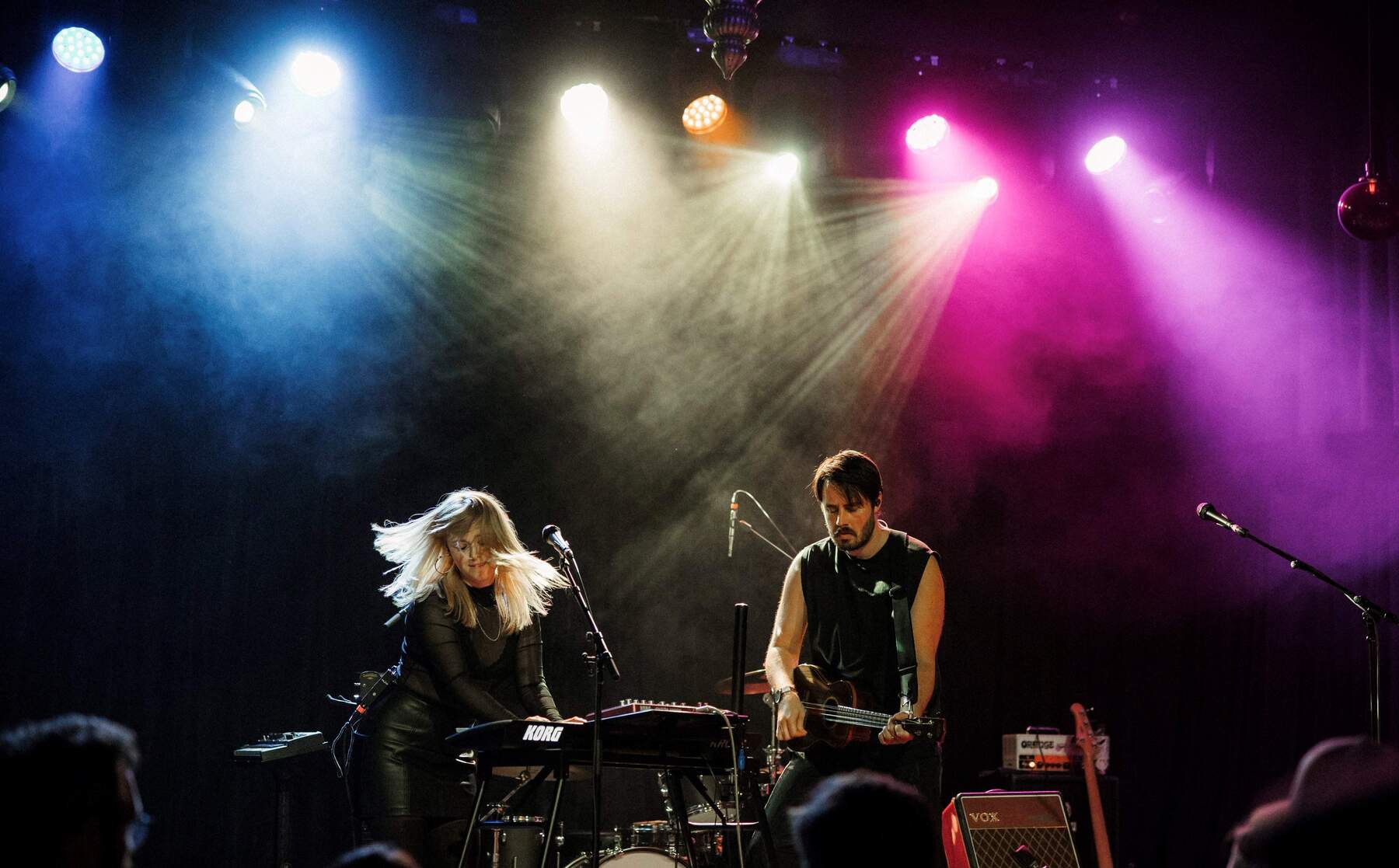
Our live shows evolved naturally. We are doing a lot on stage: live looping, live mixing drums, switching instruments, layering synth patches, so it naturally becomes a very active performance. There really isn’t any moment during our live show where we can sit on our laurels. Add to that the natural energy we feel from performing our music in front of a live audience, often to people who have a really strong personal connection to the songs, and it’s hard not to feed off that electricity.
On tour, after playing a song 20 or 30 times, what usually changes first: the arrangement, the tempo, or the way you deliver the lyrics?
Because we utilize live looping to build layers in our songs from scratch every night, every show is naturally different from the other. Inflections and musical expressions shift from show to show, so no one performance is fully the same. That influences the way we deliver vocal performances too. We try to leave room for evolution and creative choices.
You write a lot about place, coastlines, storms, farmland. If you took that away and wrote in a totally neutral space, do you think the songs would lose something, or reveal something new?
Our music is intentionally very atmospheric, and we’re both sensuously in tune with the world, so even songs that haven’t been written with such a strong sense of place or environment end up creating their own emotional landscape. Leaning into natural environments creates a perfect foundation for us.
If someone hears ‘Echo’ first and then goes back to ‘The New Loud,’ what do you hope they notice about the direction you’re heading, without you having to explain it?
We’re continuing to evolve and explore new ranges of emotion and experience. Our music isn’t only about introspection and loss, just as it isn’t just about joyous release. There’s a pendulum in motion, a give and take, and right now, we’re ready to say “f**k that” and see where the pulsing rhythm takes us.
Tell us what records you’ve been enjoying lately.
‘Deadbeat’ Tame Impala
‘Vacancy’ Ari Lennox
‘Timeless’ KAYTRANADA
Klemen Breznikar
Headline photo: Rachel Bennett
Babes in Canyon Website / Facebook / Instagram / YouTube