
Oxford indie group Beaker return with ’50 Men’, their first single in 27 years
Beaker formed in Oxford in the 1990s, after guitarist Teresa “TJ” Ward and drummer Clare Howard-Saunders, who had previously played together, recruited singer Sam Batlle.
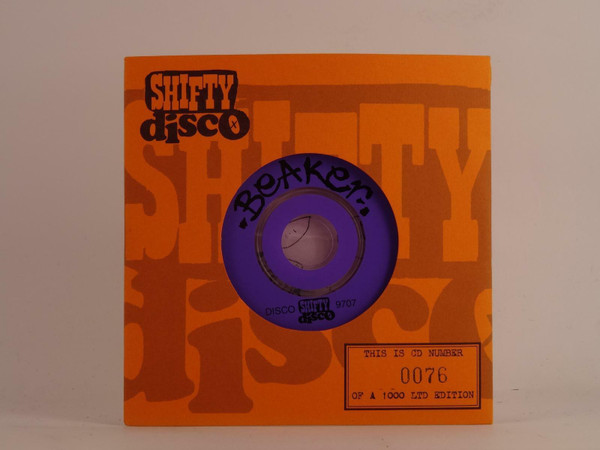
They had seen Batlle perform a 4 Non Blondes cover at a local event. Bassist Kim Parsons later joined after seeing the band play live. The group became part of Oxford’s independent music scene in the late 1990s. Their debut single, ‘Backgarden’, was released through the Shifty Disco Singles Club in 1997, followed by the double A-side ‘Monster’/’Plastic’ on Fierce Panda in 1998. The band toured in the UK and appeared at Oxford Radio 1 Sound City in 1997 during their original run. They stopped performing together in 1999.
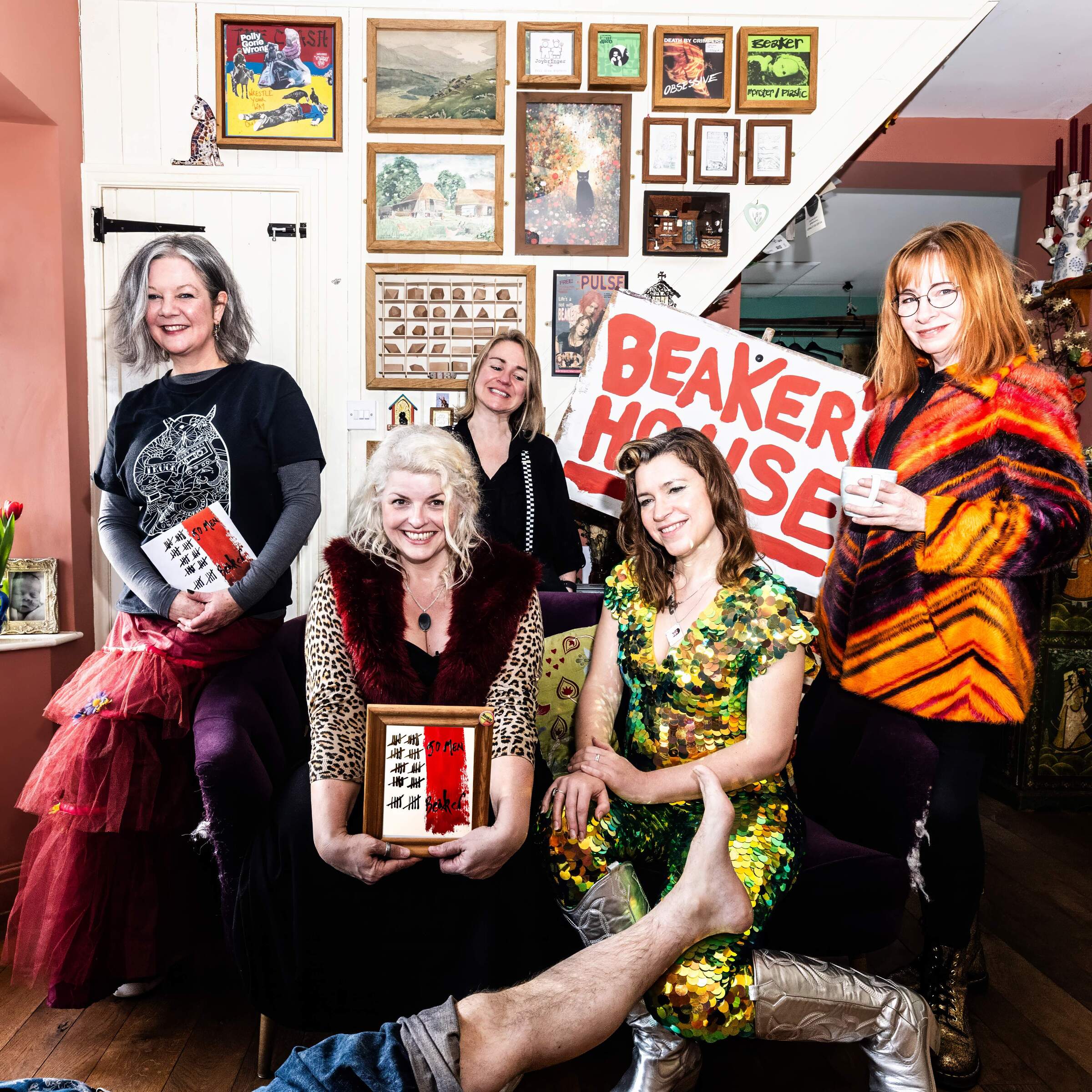
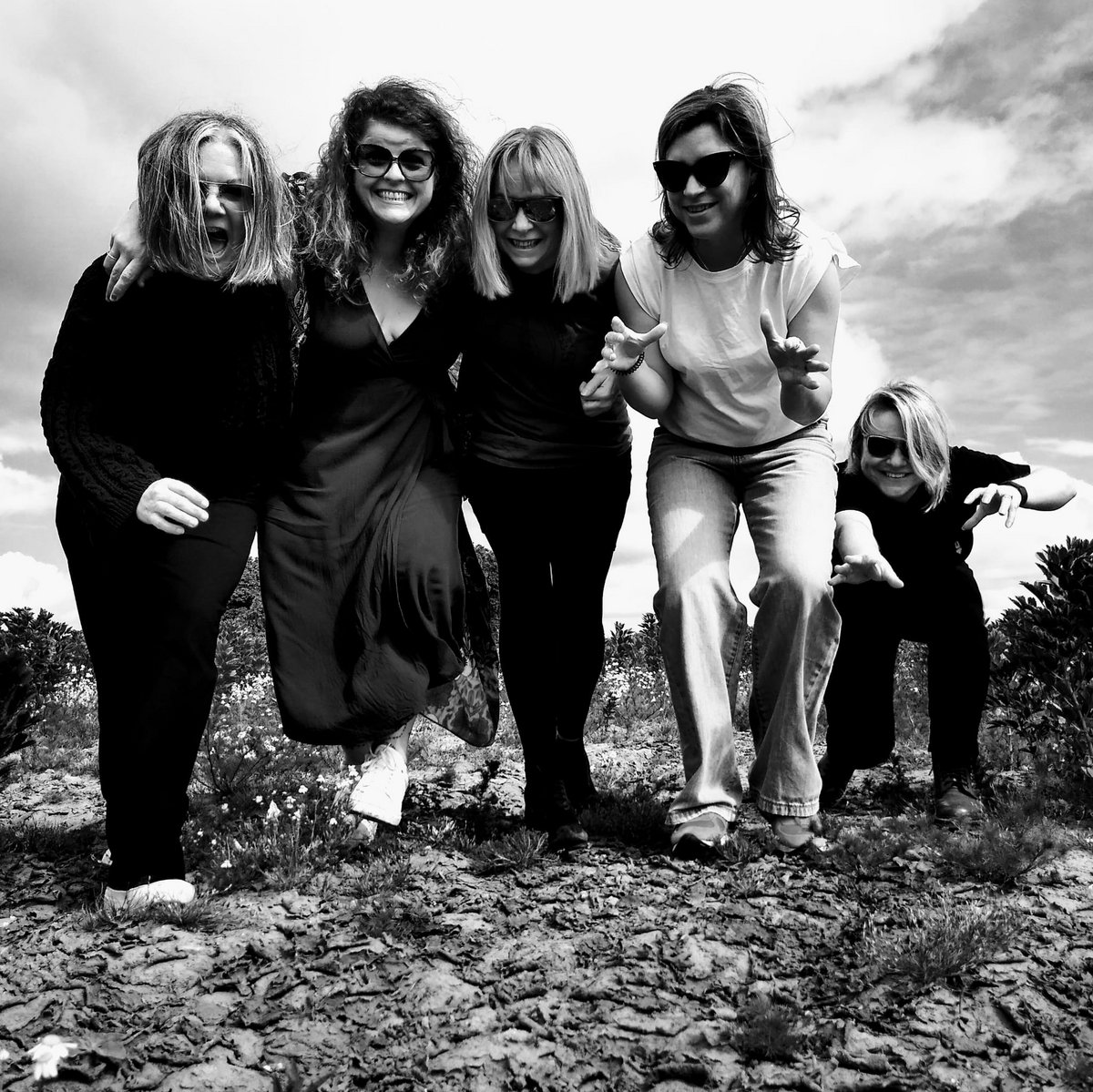
Ward, Howard-Saunders and Batlle had recently reconnected when Parsons died in 2023. Batlle said they found support in remembering Parsons: “We reconnected as old friends and then it just seemed natural to try to make music together.” The re-formed line-up now includes bassist Hayley Wright and backing vocalist Emma Hunter. Beaker’s latest single, ’50 Men’, is their first new single in 27 years. Produced and mixed by Sam Williams at Temple Sound Studios, the song addresses the case of Gisèle Pelicot, who waived her right to anonymity during the trial of her former husband and other defendants. The track moves from a restrained opening into a fuller arrangement of guitars and layered vocals.
Discussing the song, Ward said its subject produced “bewilderment, discomfort, rage and admiration all at the same time”. Howard-Saunders described the structure as reflecting a movement “from the private space to the world stage”. The reunion has also brought the band back to live performance, including sold-out shows and an appearance at Truck Festival. Reflecting on the return, Howard-Saunders said: “We have come crashing back with real vigour and plenty to say.”
“We have come crashing back with real vigour and plenty to say.”
Take me back to the very first time the four of you were in a room together. Where was it, what did it sound like before you even played a note, and at what point did it click that this might actually be a band?
TJ: Clare and I had played together before in another band and wanted to carry on. We saw Sam singing a cover of 4 Non Blondes at a local bash, and she had an amazing voice and stage presence, and seemed like fun to be around, so we recruited her. We started gigging with temporary bass players, coincidentally all blokes, though we quite liked that, as at the time quite a few indie bands were all lads with a female bass player. Kim saw us play a gig and just decided she wanted to join our band, so she did. Kim was huge fun and very talented, and she and Sam just clicked.
Clare: I honestly don’t remember the details well, but I do remember that Sam and Kim were always hilariously funny together, and I was both impressed and intimidated by their confidence. I think it must have clicked straight away musically, because I always really enjoyed playing and creating music with the rest of the band.
Before Beaker existed, what did your individual teenage worlds look like? I’m thinking bedrooms, mixtapes, scribbled lyrics, part-time jobs, the whole atmosphere that fed into you picking up instruments.
TJ: We were in our early to mid-20s when Beaker started, with Clare and me a little older than Sam and Kim. I was doing care work and living in rented rooms with walls covered in pictures cut out of NME, postcards and gig tickets, goth and grunge mainly.
My motivation for playing together in a band was really just a love of noisy music, sharing it with people I really like and the fun of it all. Nothing deep. And it was, and still is, very loud and incredible fun, so that’s a win, I reckon.
Clare: My bedroom was always so messy that I can’t imagine it inspired anything very much other than confusion. I’ve always loved music, but more from a dancing perspective. To this day, I would rather go to a disco than a gig. Having such a strong compulsion to move to music leads rather neatly to drumming, I think. It feels pretty much the same to me.
I’m quite an introvert off stage, so the ability to make loads of noise without having to make conversation was always very appealing. Loads of drummers I know are quite quiet; maybe it’s the same for them.
Sam: I think I picked up a guitar when I was supposed to be revising for my GCSEs. I knew my mum would consider something creative a reasonable excuse not to be doing what I was supposed to be doing! My bedroom was always, and still often is, an absolute mess. A sea of clothes and makeup and perfume. Not much has changed in that regard.
Can you remember a specific gig you saw as teenagers that genuinely shifted something in you? Not just “it was great”, but the moment in the set, or the feeling walking home afterwards, when you knew you wanted in.
TJ: As a teenager, I used to go to a pub in Middlesbrough that put local bands on in an upstairs room. One called Shrug was a favourite of mine. Later, in the early 90s, I saw Mudhoney, supported by Tad and Nirvana, in London. They were playing for two nights. A friend and I had tickets for the first night and bought two more for the following night on the way out, ears ringing and broke, but it was totally worth it.
Th’ Faith Healers at the Jericho Tavern were amazing, Roxanne and Tom, I think their names were. They made this astounding noise with this teeny-tiny guitar amp and the most stripped-back drum kit I’ve ever seen.
Clare: Th’ Faith Healers were brilliant, and I loved the drumming. It was a tiny kit. It may even have been a child-size version, and there was a kick, a snare, a hat and one crash. But the drummer was so inventive and drove all the songs forward with immense power.
At the other end of the spectrum was Stewart Copeland, whose musicality caught my imagination from a very young age. There was another band called Senser, whom I went to see at the O2 in Oxford, although it was called the Zodiac then. For some reason, one of the singers couldn’t do the gig, so the other singer took it all on. She was amazing, and this was music I absolutely could dance to. I thought they were perfect. They’ve reunited recently; you should check them out.
The late-90s Oxford scene: from inside it, what did a typical week look like for you? Rehearsals, pubs, rivalries, friendships, who was always around?
TJ: Bit of a blur, to be honest, but lovely. I suspect many of us are half-deaf now, and I do believe that’s probably Maccy’s fault. He ran the Jericho and did the sound. Blistering.
Clare: I remember having an excellent time. I am proud to say that Maccy made me deaf too. It’s a badge of honour. I still have many of the same friends from that time, including Ronan Munro, who has been a stalwart of the Oxford music scene forever. He is the editor of “Nightshift Magazine”, which has been reviewing local gigs and releases for years.
Back in the day, we would crimp our hair whilst drinking cheap vodka and then stagger along to Downtown Manhattan’s Alternative Night. Lots of prancing about, looking angrily up at the sky to the Sisters of Mercy. I always secretly wished they would play Technotronic and Run-DMC, though.
Sam: I seem to remember it being an endless diary of live music in a huge array of fantastic venues. So many musicians in one place. It seemed very normal. It wasn’t until I went to Bath and then Bristol that I realised how amazing the music scene was in Oxford. We did rather take it for granted!
When you first called yourselves Beaker, did it come with a sense of purpose? I’d love to hear the story behind your name.
TJ: No sense of purpose. I really liked the Muppets.
Clare: Just the “meep meep”.
Sam: I can’t actually remember why we chose that. It’s quite a daft name, and actually we are quite daft, so maybe it’s a perfect name for us!
How did you get the opportunity to record? What do you remember most vividly about recording ‘Backgarden’ or ‘Monster’/’Plastic’? The studio, the producer, the mood…
TJ: The first time we recorded, we were playing “Tomb Raider”. With the Steve Lovell recordings, I was amazed at the detail and work that went into it.
Clare: Recording ‘Backgarden’, ‘Driving’ and ‘Sally Said’ with Steve Lovell was a great experience. He was a lovely man, and I really liked the bloke he worked with. They were very funny and did such a good job.
Sam: Same as above. We had a lovely time with Steve Lovell, and the other bloke Clare mentioned was Peter Jones. They were fab.
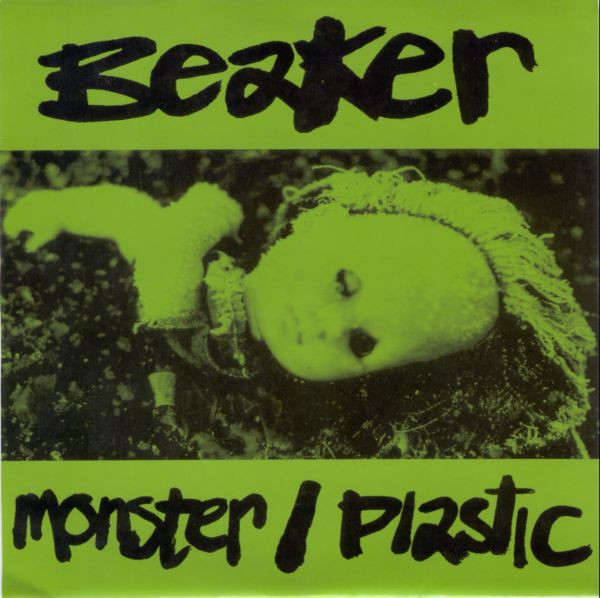
Being part of the Shifty Disco Singles Club and then Fierce Panda, how did those opportunities actually land in your lap, and what changed for you once the records were out in the world?
Clare: Not much changed. It wasn’t long after the Fierce Panda single dropped that we decided to stop playing.
Sam: There was such a buzz around Oxford music. Shifty Disco was a local Oxford label, and I believe we were their third release, alongside lots of other locals, including Dustball, the Bigger the God and Unbelievable Truth.
Simon Williams from Fierce Panda was at one of our gigs when we supported a London band whose name I can’t remember. He just liked it, I think. I actually ended up making his wife’s wedding dress for her! A classic goth number!
When things started moving fast, touring, Radio 1 Sound City, all of that, what did it feel like from inside the van rather than from the outside looking in? Is there any particular night that sums up that whole period?
Clare: I loved the van. TJ would provide cheese rolls, and I would eat them. We spent a lot of time with a band called Dustball and would rock up to various venues. It was varied and tiring, but a great experience.
Sam: I also remember the cheese rolls, and the van always smelt of boys and Pot Noodles and any other foodstuff that can be acquired from a service station.
By the time things wound down around 1999, what was the emotional temperature in the band? Were you exhausted, frustrated, drifting, or did it feel like you’d said what you needed to say?
TJ: For me, it was just life and adulting taking over. We’d had loads of fun, and there was no drama or bad feeling. For me, there was just a sense that the band wasn’t going to develop into a career for life. I had an opportunity to go back to uni, but the course was really full-on, and I would have really struggled to keep on top of Beaker stuff too. I wanted to move closer to family after that as well, so that was the catalyst for me.
Clare: It wasn’t any of those things, just a moment in time. I would have kept going with Beaker if that had been what everyone else wanted, but equally I was relieved to be able to do something more structured and with a wage attached to it. I’ve always valued security and stability, and being a drummer in a band doesn’t usually lead to that.
I also think that stopping when we did has set us up so well for what we are now doing. We have come crashing back with real vigour and plenty to say, and somehow it feels cooler now that we are older. We are unusual in a different way, and it works well for us.
Coming back together after losing Kim is such a heavy starting point. When you first reconnected, were you talking about music straight away, or did that come later, after just being together again as friends?
TJ: Friends first. I was telling my eldest son about Beaker and that we’d lost touch with Sam, so he trawled Facebook and found her for me. It was only a few weeks later that Sam messaged us to say that Kim had died.
Clare, Sam and I met up at Charlbury Riverside Festival in 2023, which was lovely. A few months later, I got a message from Clare’s husband saying that Sam was there, they’d had a few drinks, and did I fancy Charlbury Festival that year? I said yes, thinking they meant as punters…
Clare: Yes, friends first. TJ and I kept in close contact for all the intervening years, but it was so lovely to connect with Sam again. Before we met up again, we were chatting online, and I promised Sam a whole impromptu musical theatre number with interpretive dance when we first met up, so yes, music was on our minds.
Sam: I had always been in touch with Kim, as we had always been friends as much as bandmates. It was a huge blow to lose her, and a real support to be with TJ and Clare, so that we could reflect on Kim’s amazingly funny character and sense of mischief. She would have absolutely loved to be back in Beaker again.
We reconnected as old friends, and then it just seemed natural to try to make music together. It just became a huge joy in all our lives again.
When you started playing again with Hayley and Emma, what were those first rehearsals like? Awkward, emotional, surprisingly easy? Did the old chemistry snap back, or did it take time to find a new version of it?
TJ: It felt really natural.
Clare: Easy. Straight away, we knew it would work, and that was a relief. Working out the nuts and bolts took longer, but the vibe was there right away. They are both brilliant musically and thoroughly wonderful humans.
Sam: I feel like Hayley and Emma are such a natural fit for us all. Such lovely and talented women, and obviously Emma is quite mental too, so we get on like a house on fire!
’50 Men’ begins in a very restrained, almost intimate place before it grows into something huge. Can you walk me through how that song evolved from the first idea to the final recording at Temple Sound?
TJ: We write together, so although songs often start off a bit jumbled, with all our different ideas thrown in together, they evolve together too, and that sometimes takes a while. But this one came together really quickly, as soon as Sam started sharing her lyrics and the subject matter with us. That story generated bewilderment, discomfort, rage and admiration all at the same time, so I guess that’s the mood.
Clare: The structure of the song mimics that devastating transition from the private space to the world stage. I don’t know if we consciously picked that up when we were putting it together, but I do love to retrofit a good bit of analysis.
Probably the actual conversations went something like this: “Shall I do a plinky-plonky bit?” “Ooh yes, and I’ll do a clippity thing, and then we can do a loud noise before we go plinky again.”
When you were writing it, were there conversations about responsibility, or did it feel clear from the start what the song needed to say?
Clare: Sam wrote the lyrics, but of course we all have to stand behind them, and we often discuss the meanings. It’s a bit hard on Sam; no one analyses my drums in quite the same way, but I suppose lyrics are the place where most of the meaning is generated. It is a tricky subject to write about, and Sam does a great job of conveying outrage, disbelief and courage through her delivery. Sam is an instinctive storyteller, and I trust her.
Sam: I tend to just write lyrics about things that get stuck in my head. Obviously, that story is so outrageous and horrific, and the way Gisèle managed it was so powerful, that the lyrics and music needed to come together and reflect that. It is quite a delicate balance. Hopefully, that balance was struck. I think it was.
Standing on stage again now and a whole new generation in the room, what goes through your mind in those first few seconds before you start playing?
TJ: The same adrenaline as before, but it’s way less scary with the perspective you have when you’re a bit older. I’m definitely less worried about getting it wrong, partly because we’re more disciplined and better prepared than we were, but also because I realise that, in the grand scheme of things, it really doesn’t matter if we fuck it up. Nobody dies, and it doesn’t affect the price of cabbage.
I feel responsible for knowing what I’m doing, putting on a good show and making sure everyone has a good night, but that anxiety about looking daft, and the lack of confidence I had when I was younger, are definitely not what they were.
Clare: I’ve gone the opposite way. I get a lot more nervous, although that is improving, and I feel I have a lot more to prove, as I am aware that being a female, 56-year-old drummer is a massive hen’s tooth. I clunk about on stage trying to fix up the kit, tripping over, sending wing nuts flying across the room, worrying horribly about the price of cabbage and the deaths I am about to cause, until I start playing, and then I settle down pretty quickly.
And then I don’t care. I actually don’t think about anything at all until it ends. I often close my eyes and forget where I am. It’s bliss.
Sam: I have never really been one for getting nervous. I do get a bit overexcited, perhaps, and mainly I can just be very silly when I’m overexcited! And probably quite annoying.
Are there any plans for a new album?
TJ: Yes. When we have saved our pennies up, we would love to.
Clare: Yarp.
Sam: Yes, that would be ace.
Klemen Breznikar
Beaker Facebook / Instagram / YouTube / Bandcamp