
Upupayāma on ‘Honesty Flowers’: Music Should Be A Dream
On ‘Honesty Flowers’, Upupayāma moves away from the enclosed dream world of ‘The Golden Pond’ and into something more physical.
The new album is built around rhythm, movement and instinct. It still carries the project’s familiar mix of acid folk, drone, flute, sitar, fuzz guitar and faraway melody, but this time the body leads the way. That shift is clear to the man behind it. “‘The Golden Pond’ was a place, whereas ‘Honesty Flowers’ is a means by which you can go wherever you want,” he says. It opens with the idea of people dancing in a trance, then heads off without worrying too much about where the road ends.
Rhythm is incredibly important. Funk, African music and Middle Eastern music have all fed into Ferrari’s listening, but ‘Honesty Flowers’ creates its very own world. Those influences have been absorbed into his own language. “I play a guitar or bass riff and immediately think, ‘What rhythm would work well here?'” he says. Sometimes the rhythm is already inside the riff. Sometimes the sitar, bass or guitar becomes a percussion instrument in disguise.
The record was made in his barn studio in a small mountain village above Parma, a setting that heavily influenced the atmosphere of the music. There are traces of the gentle breeze, nocturnal animals, long walks in the woods and his attempts to talk to trees. At the same time, he calls ‘Honesty Flowers’ a more “urban” album than his earlier records. It’s difficult to describe the exact feeling. On one level, it feels rural, handmade and open, rooted in place but ready to move.
‘Baobab’ is one of the clearest examples. The song began one evening on acoustic guitar before the sitar part arrived, sounding to him like “a rickety caravan jolting and creaking with every turn of the wheels.”
“Music should be a dream,” he says, “and I believe dreams neither need nor want rules.” ‘Honesty Flowers’ follows that path. It is a record of rhythm, wandering, ritual and release, made for motion and for simply being.
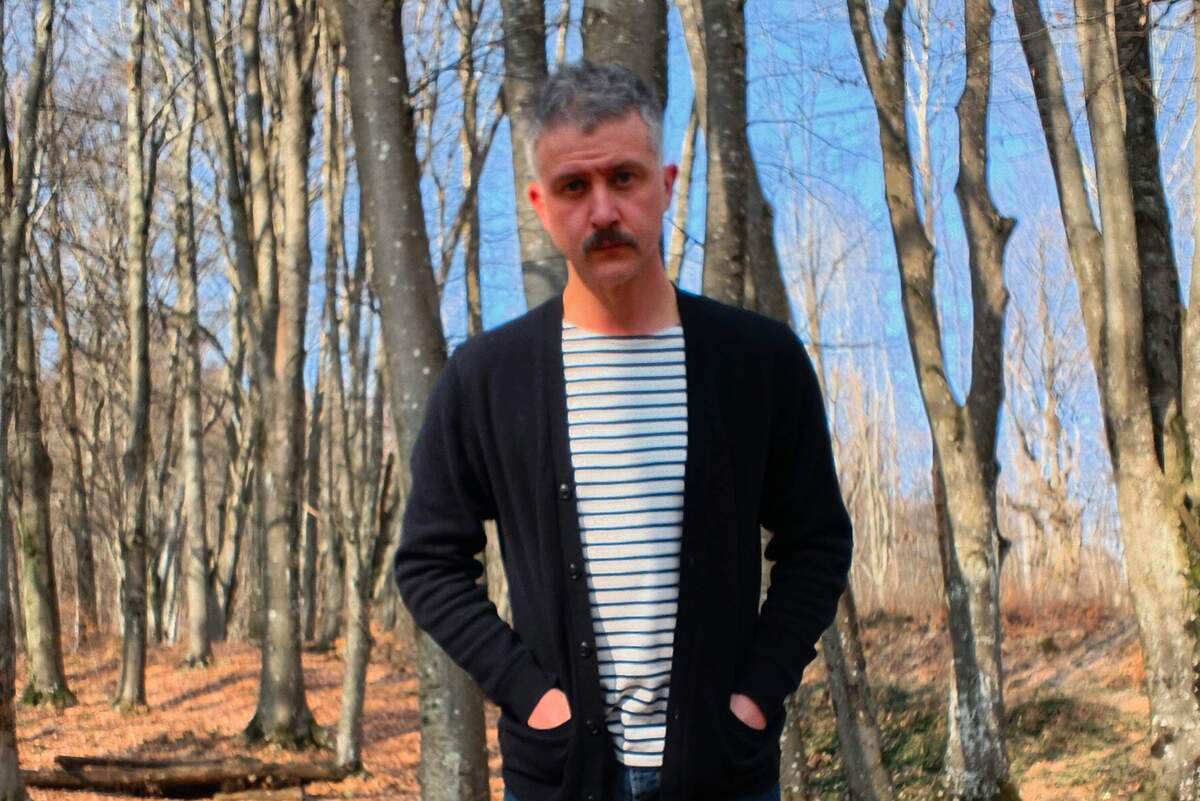
“Music should be a dream, and I believe dreams neither need nor want rules.”
When we last spoke around ‘The Golden Pond’, you described that album almost like a place the listener could enter. ‘Honesty Flowers’ feels more physical and rhythmic, almost like the body is leading the way. I would love for you to share more about the main idea and concept behind it.
Alessio Ferrari: Hi Klemen! You’ve hit the point. ‘The Golden Pond’ was a place, whereas ‘Honesty Flowers’ is a means by which you can go wherever you want. Just from the way the album opens, where I imagine people dancing in a trance, you realise that you can only start from there, which is the important thing, and go wherever you like. A bit like a bizarre flâneur, you can go without even knowing where. The important thing is to go.
You mentioned that ‘Honesty Flowers’ was born partly from listening to funk and African music, and from spending nights playing percussion until you entered something like a trance. What changed for you when rhythm became such a central force in the writing?
Rhythmic elements have always been very important in my songwriting. Even though it might seem, for example, that they were less central on the first album, I’ve always taken them very seriously right from the start. Now they’re even more central than before because I’ve always been very passionate about African and Middle Eastern music, which always puts percussion, or rhythmic elements in general, at the forefront. Just think of how many percussion instruments come from those parts of the world. This influence is coming through much more strongly than before, without me even realising it. I play a guitar or bass riff and immediately think, “What rhythm would work well here?” I’m also realising that when I compose, in some cases, I play the guitar, bass, sitar or any other stringed instrument with a rhythmic intention. It can happen that I find a nice guitar riff and immediately realise that the riff already has a rhythm without needing anything else. I’m telling you this because I’m already working on the fifth album, and I can feel it strongly in what I’m writing.
‘Baobab’ feels like one of the most alive moments on the album. You described it as “a group of misfits on an old caravan” and “a never-ending party.” What was the first spark for that track, and what kind of scene did you imagine while recording it?
I’m an avid reader. One evening I was strumming my acoustic guitar and the chords for ‘Baobab’ just came out. Straight after, I came up with the sitar part, which sounds like a rickety caravan jolting and creaking with every turn of the wheels, followed by the electric guitar part, which strikes me as an old song straight out of the pages of Robert Louis Stevenson. At that point, the song made me imagine a sort of Lord of the Rings penned by Robert Louis Stevenson, in which a group of misfit pilgrims, poor knights and fallen samurai, or Ronin, set off without even knowing where they’re going. In the midst of it all lies their wonderful adventure. Absolutely funny!
One thing that makes Upupayāma special is that the music can feel very old and very modern at the same time. On ‘Honesty Flowers,’ there are funk grooves, fuzz riffs, motorik movement, drones, flute, sitar, percussion and acid-folk moments. How do you know when a song has enough inside it, and when to stop adding more?
What you said is a wonderful compliment, and it fills me with joy. I think it’s the song itself that tells me when to stop. I have this “method,” if you can call it that, for figuring it out. Once it’s finished, or when I think it’s finished, I listen to the song for days on end just before I fall asleep at night. In the dark, before I fall asleep, I play it in my head. I play it and play it again until I fall asleep. Day after day, the song becomes clearer and clearer to me, until it’s final. At that point, I know exactly what to add, what to take out and where the song has told me it wants to go. In short, it’s a mess. Ha ha ha ha ha!
You write, play and record everything yourself in the studio, but live, Upupayāma becomes a six-piece band. Has playing live changed the way you now think about arranging or recording new music?
Absolutely! First of all, I have to say that I play live with five other incredible musicians from whom I’ve learnt so much: Marco, Dario, Nicola, Mattia and Diego. Playing live has influenced me in the sense that when I’m writing, I often find myself thinking, “How are we going to make this work live?” or “How could we improvise on stage with this song?” This alone gives me a different and much “richer” starting point. In this way, I can stick to the idea I’ve always had for Upupayāma, namely that the album and the live performance are two things that are the same, yet also different. In some songs on the albums, for example, I like to leave certain parts “suspended” or “on hold,” as if they were then completed once played live. The beauty of it is that every time it’s different, slightly, but different. I love this way of conceiving a musical project. It’s like a body. Our body is constantly changing, accepting, rejecting, enriching or impoverishing itself.
The album was recorded in your home barn studio in a small mountain village above Parma. In our previous conversation, you spoke beautifully about how the place where you live affects everything you do. How did that room, and that mountain environment, shape ‘Honesty Flowers’ compared to your earlier records?
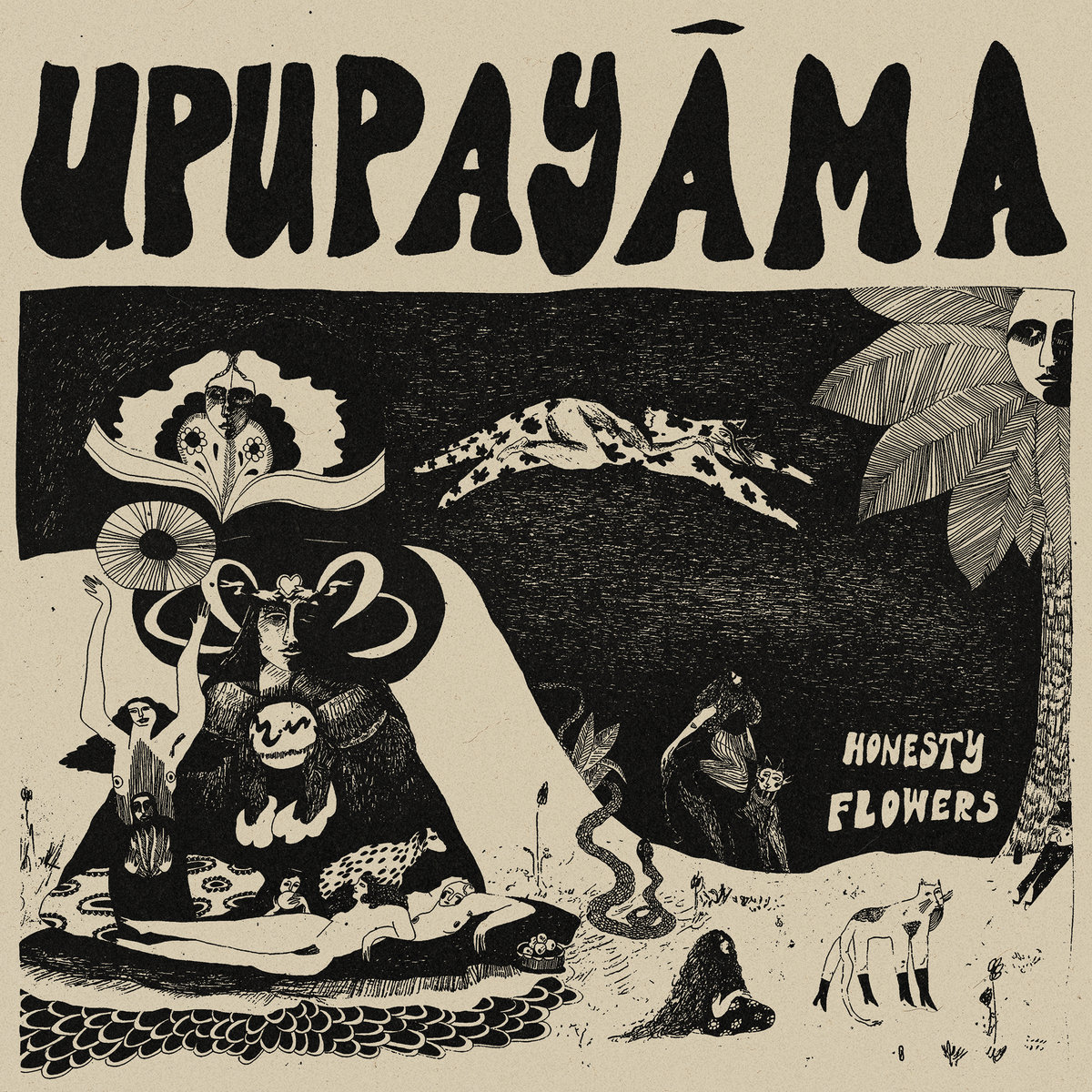
I must say that I find ‘Honesty Flowers’ a more “urban” album than my previous ones, but the predominant influence is still what surrounds me when I’m recording: the sound of the gentle breeze, nocturnal animals, long walks in the woods and my attempts to talk to the trees. These elements are always present, but they’re different every time because my experience of life in the midst of nature is different, as are my urban experiences. As for the studio where I record, I always try to decorate it with different things from one album to the next. For example, for this album, I always had the illustration that eventually became the cover right in front of me, and I’d hung various folkloric masks on the wall that I’d bought at a flea market. They were absolutely hideous masks, but I wanted them for this album.
You once said that you do not really compose with a strict method, and that things often come from “the belly” before the head. Is that still true for you, or has your process changed after four Upupayāma albums?
I’d say no, nothing has changed. Actually, I have to say I’m even less methodical than before, in the sense that I want to have even more fun experimenting, so I often find myself straying even further from the few rules I know than I did before. Music should be a dream, and I believe dreams neither need nor want rules.
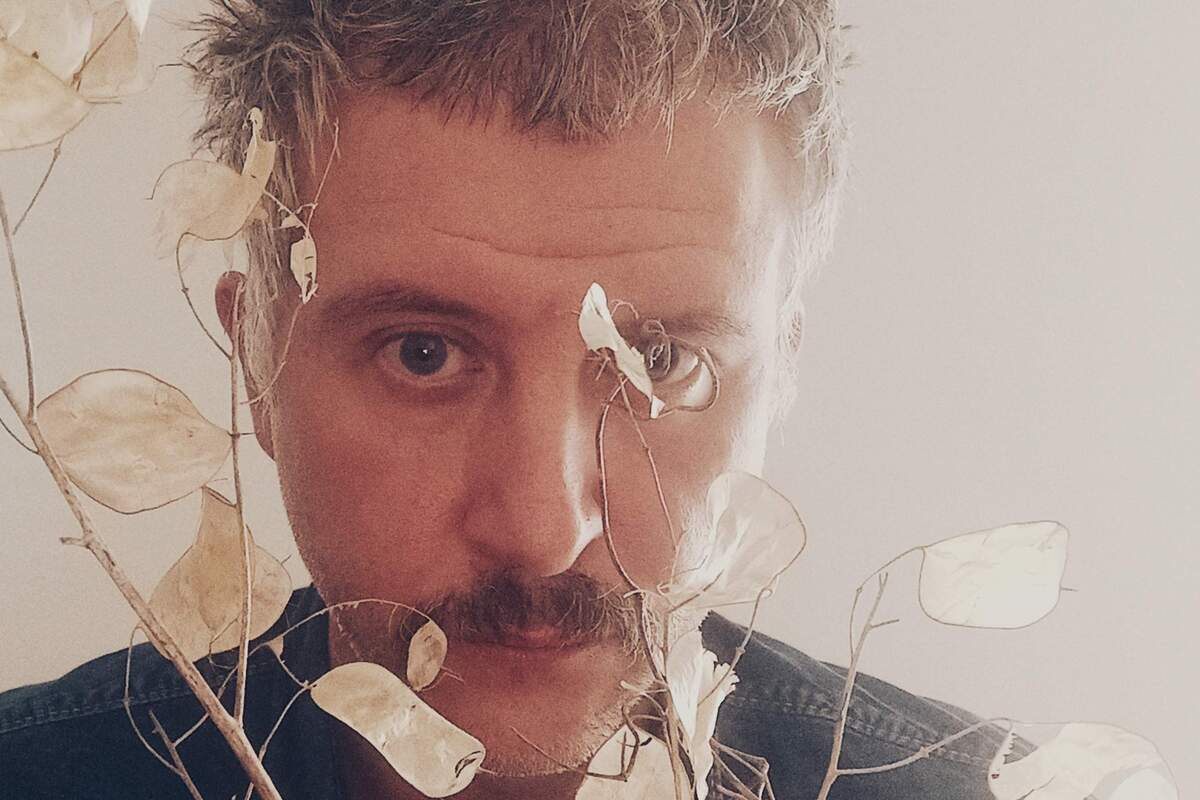
‘Honesty Flowers’ is an album full of stories: rituals, landscapes, strange journeys, morning temples, old skies and wandering clouds. When you listen back now, what kind of world do you feel this album has created?
I like to think that it has created a kind of dream world in which the listener can simply be. Nothing more than just being.
Klemen Breznikar
Upupayāma Instagram / Bandcamp
Fuzz Club Official Website / Facebook / Instagram / Twitter / Bandcamp / YouTube