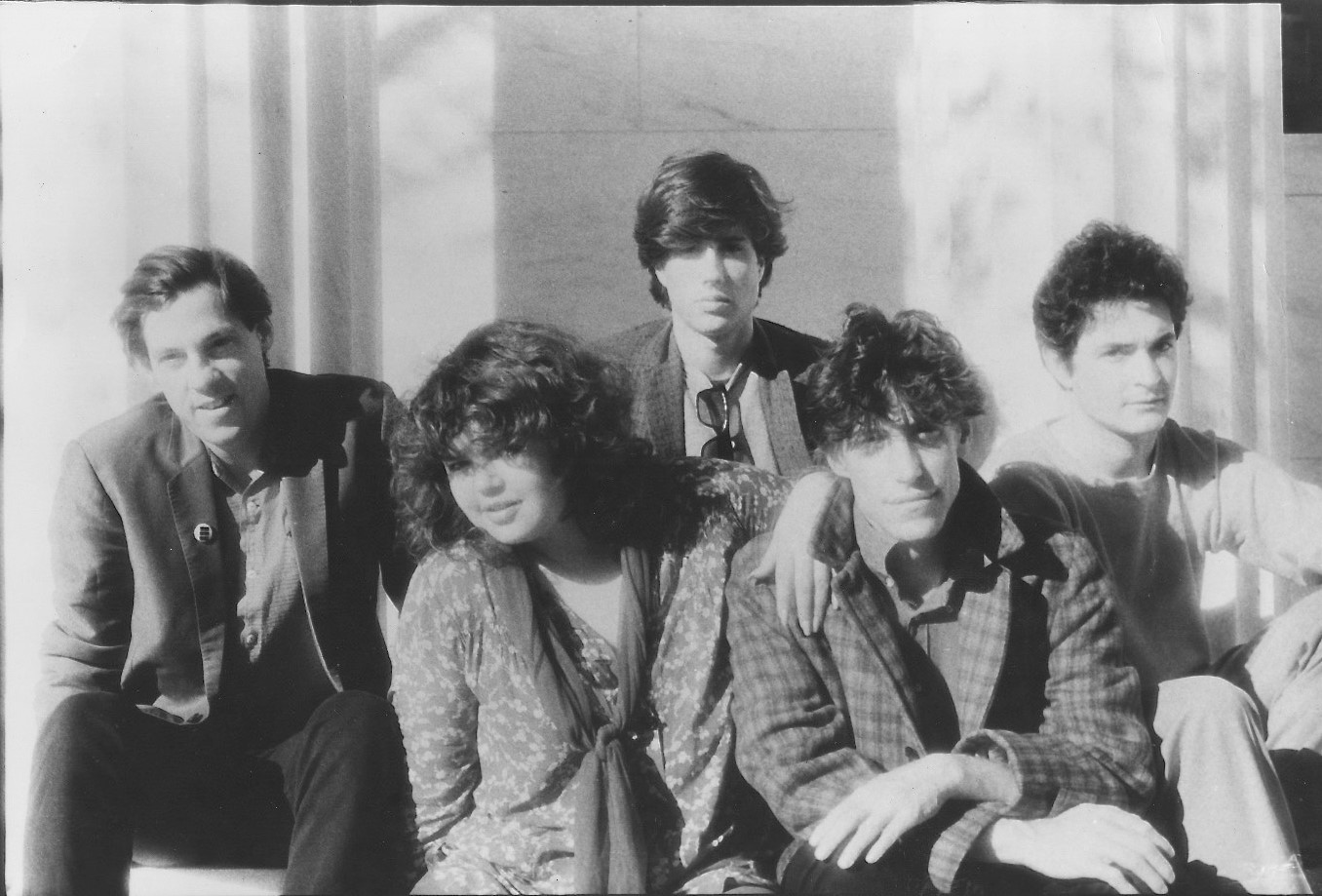

Debora Iyall of Romeo Void Looks Back on Art, Music, and Staying Herself
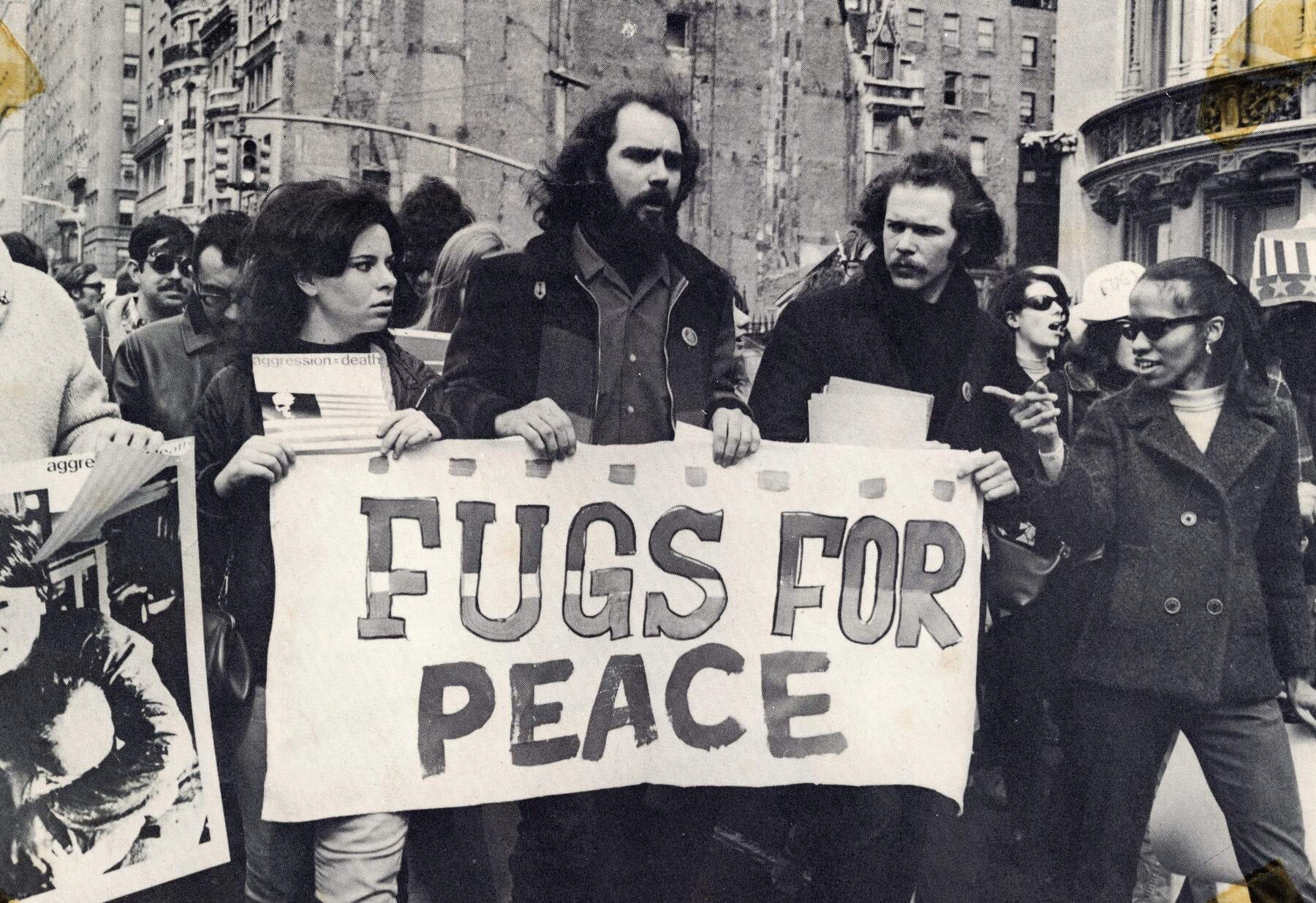
Romeo Void came out of San Francisco at the end of the 1970s, shaped by punk, art school, queer culture, and the small-club circuit around places like Mabuhay Gardens.
Debora Iyall and Frank Zincavage met at the San Francisco Art Institute, and the band carried some of that visual sense into its music: contrast, space, tension, and sharp edges.
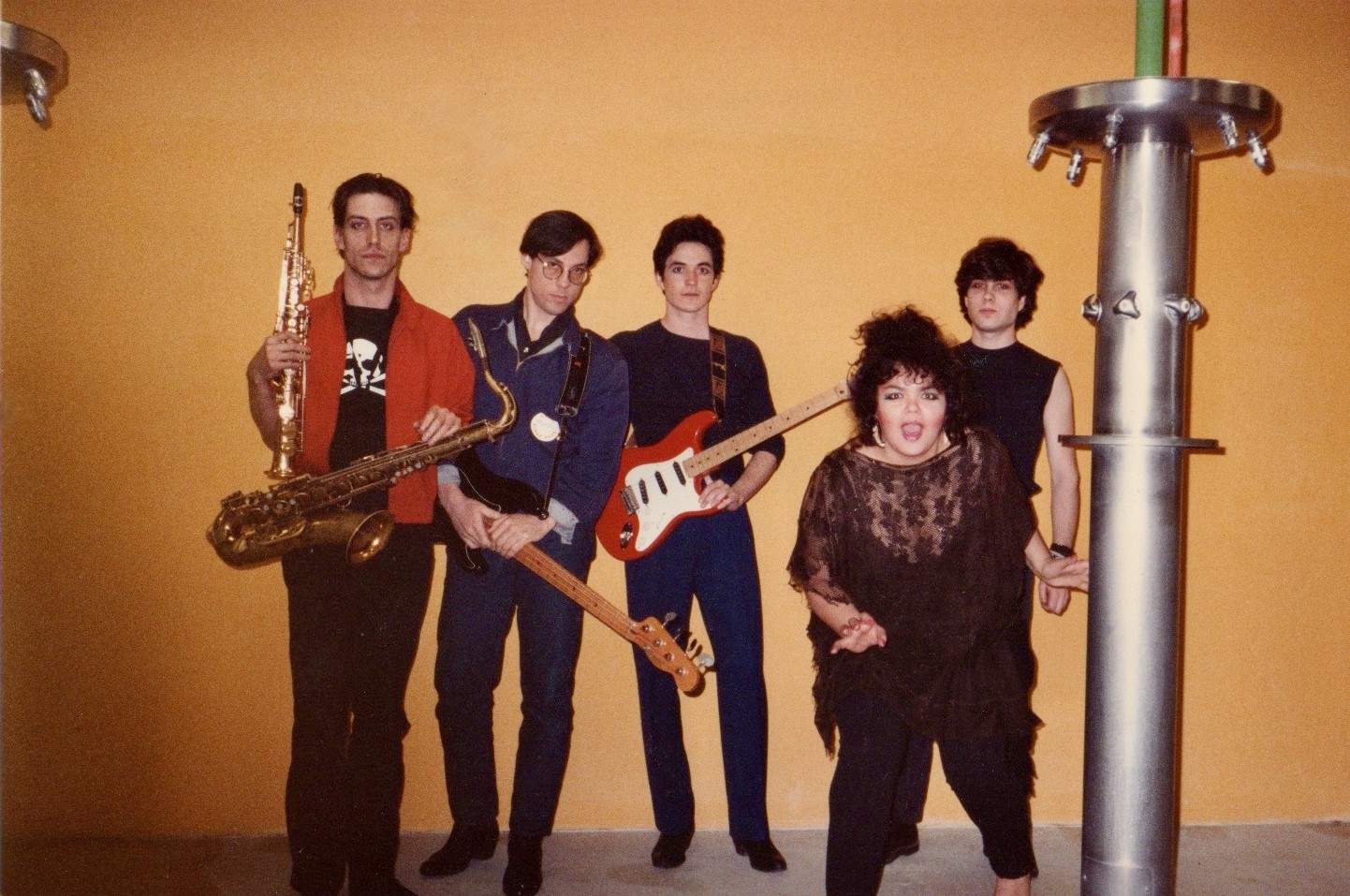
Iyall never fit the narrow pop image of the early MTV era, and she did not try to. As a Cowlitz woman, she stood on stage as herself: direct, confident, sharp, and fully present. Her lyrics dealt with desire, isolation, power, and self-possession without dressing them up. The band gave her words a strong musical setting. Peter Woods’ guitar and Frank Zincavage’s bass left room for Benjamin Bossi’s saxophone, which moved like a second voice beside Iyall. On stage, that connection was even clearer. Iyall hears those old live tapes as full of anger, defiance, appetite, and nerve. “I was living out loud,” she says.
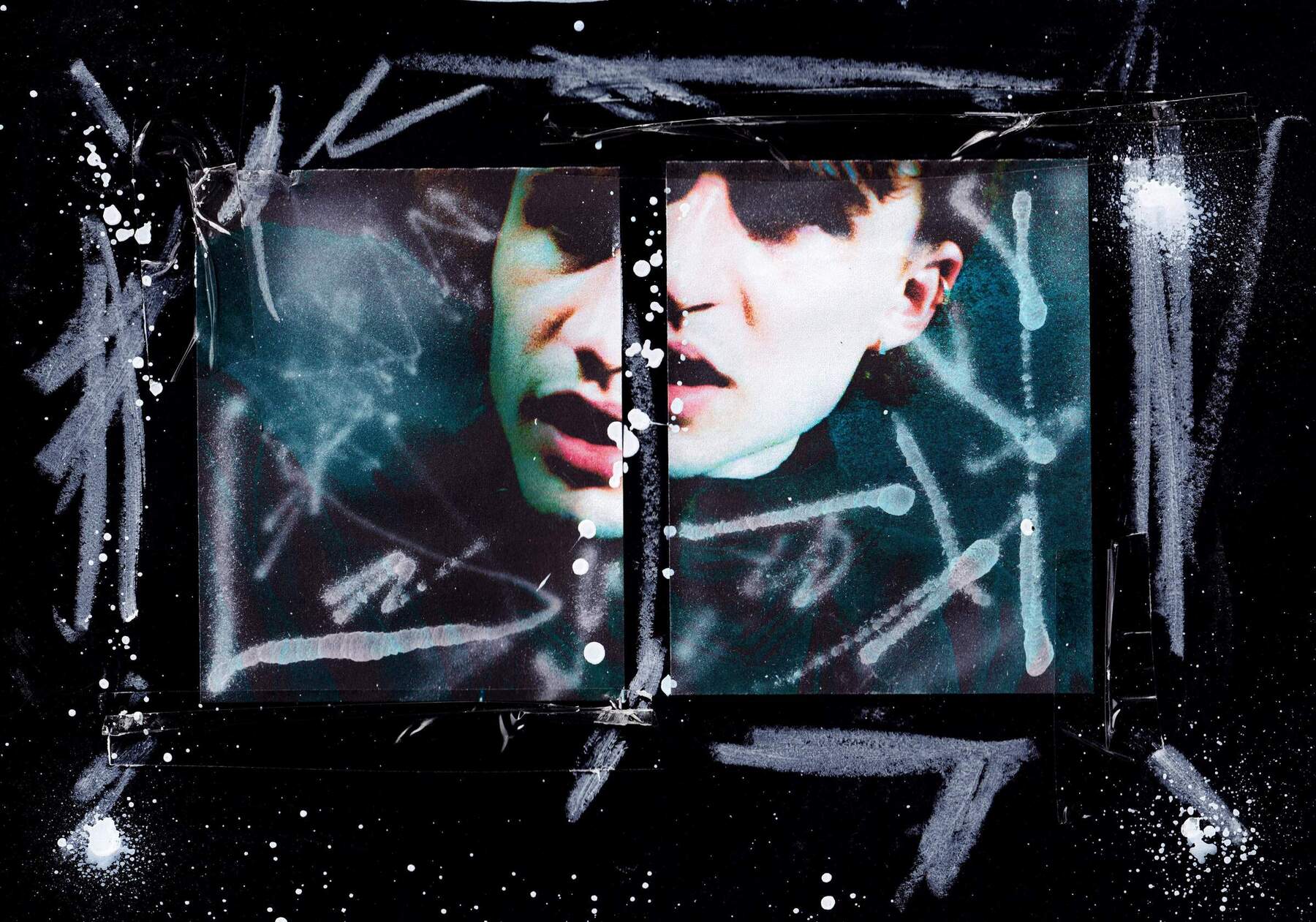
Liberation Hall’s new archive release, ‘Live ’81–’85’, puts that force back in view. The 17-track set follows 2023’s ‘Live from Mabuhay Gardens’ and captures Romeo Void in Albany, Ann Arbor, London, and Berlin, with material from ‘It’s a Condition’, ‘Benefactor’, and ‘Instincts’. The release features Iyall, Zincavage, Woods, Bossi, Larry Carter, and Aaron Smith, with a gatefold sleeve designed by Zincavage and Skott Reader as a nod to the ‘Never Say Never’ EP.
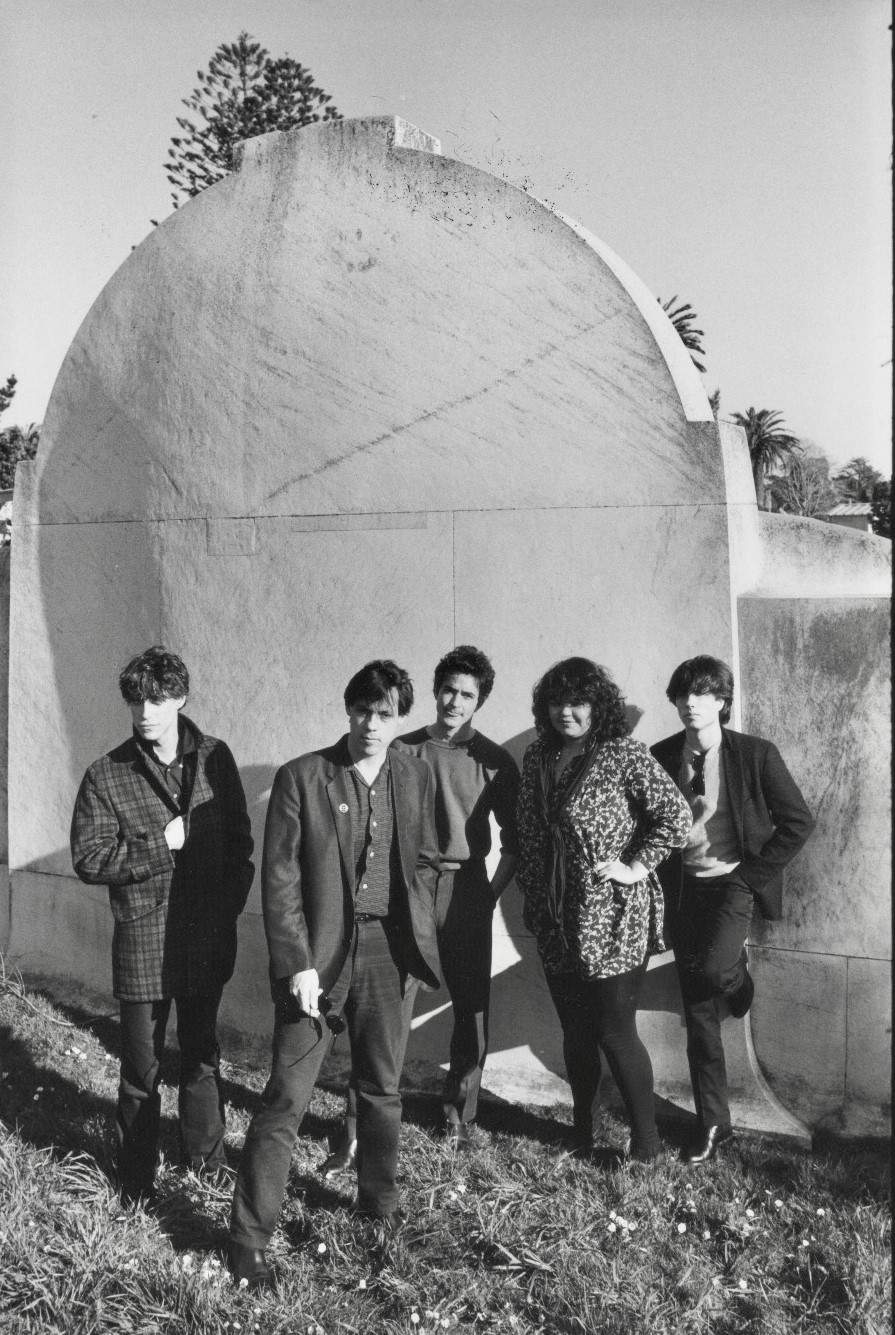
“I was living out loud”
Listening back to these tapes from places like London and Berlin, do you feel a sense of kinship with that younger version of yourself? When you hear your voice on these tracks, does it feel like checking in with an old friend, or does it stir up the restless energy of those touring years?
Debora Iyall: I enjoy hearing temperature shifts from song to song and sometimes within a song. It’s fun to hear how I’m directing my energy when I’m singing. For instance, am I singing to someone in the crowd, or am I exclaiming to the universe, or am I singing to myself, questioning? I can hear the band responding to me, and me to them, and the sound engineer to all of us, and I’m astounded by what a complete synapse-firing experience it is to listen to these live recordings. I can really appreciate the anger that comes through; the defiance is innervating. I am that girl. I embrace my unabashed sexual appetite as well. At 72, I can thrill vicariously when I listen to some of these songs. “Your breath is hot!” I was living out loud. What an honor to be a singer in a band that created such a dynamic environment for me.
If we could somehow travel back to your teenage bedroom before the world knew your name, what would the walls tell us? What were the books, magazines, fanzines, and records that made you feel like you belonged? Looking at that record player, which albums were the most influential?
You’d see a black-and-white poster of James Gurley from Big Brother and the Holding Company posing head-on into the camera, wearing a Native bone breastplate and beaded necklaces. I would have Robert A. Heinlein’s ‘Stranger in a Strange Land’ and Hermann Hesse’s ‘Steppenwolf’ on my bookshelf. No magazines, but there was often an ‘Akwesasne Notes’ monthly newspaper printed by Mohawk publishers. Records by The Beatles, Peter and Gordon, The Association, and The Rolling Stones, with some Dusty Springfield, Lesley Gore, Simon and Garfunkel, Joni Mitchell, and Linda Ronstadt. My first 45 was ‘Double Shot of My Baby’s Love’ by The Swingin’ Medallions. My family had a rich collection of 45 RPM records. I think our mother would buy us albums, but we would buy our own 45s at the drugstore. I have a sister who is two years older, and we were avid listeners. Our babysitter always had on the Top 40 radio station, and we danced in the kitchen to all the Motown and danceable stuff.
When Romeo Void first plugged in, did you have a specific concept of what the band had to be? As the years rolled on and you moved from the release of ‘It’s a Condition’ to the more polished sheen of ‘Instincts’, did that original spark stay tucked in your pocket, or did the industry eventually reshape the very idea of what the “Void” was supposed to mean?
We wanted to play music that we wished we could hear. I don’t think we had a concept except for originality at the most instinctual level. I was able to analyze and critique “modern love” from my perspective of being round and brown in a world that idolizes slender and blonde. We never had access to some of the producers that we wanted to work with. Where is our collaboration with Eno? I was a fan of Roxy Music, and they had sheen all over the place, as did Ultravox, Siouxsie and the Banshees, and Magazine. I didn’t mind our sound changing, and I felt our fans were willing to go along for the ride.
‘It’s a Condition’ has such a distinct beauty to it. Looking back at your time at the San Francisco Art Institute, how did that environment of visual “negative space” influence the way you wrote? Was the band consciously trying to paint a picture with sound, or were you just reacting to the atmosphere of the city at the time?
I am a real fan of woodblock print expressionism to start with, and when you say “foggy industrial atmosphere” and “negative space,” I’m immediately interested. I am enamored with high contrast, and we used contrast and space in our songs. Benjamin definitely brought that abstract expressionist 20th-century exploration into the heart of our music, and Frank kept it sculptural with his songwriting.
By the time ‘Benefactor’ came out, the world seemed to have a specific, often narrow idea of who you were as a frontwoman. You’ve spoken about the pressure to lean into a more “provocative” image. How did you protect your poetic integrity during that time, and which songs on that record felt the most like the “real” Debora?
I don’t think the record label ever wanted my image to be more provocative — just my lyrics. They would say, “Don’t you have any more sex lyrics?”
I truly like plain speech. I’m proud that I didn’t think it was too banal to have a lyric like this one, from ‘Shake the Hands of Time’: “There’s no money in boyfriends.” The songs ‘Flashflood’, ‘SOS’, ‘Out on My Own’, and ‘A Girl in Trouble (Is a Temporary Thing)’ from that era are all still close to my heart. Frank’s song ‘Six Days and One’ deserves mention — his lyrics felt easy to inhabit.
The interplay between your lyrics and Benjamin’s saxophone is the heartbeat of Romeo Void. With the release of these live recordings, his presence feels so alive. How would you describe the non-verbal language you two shared on stage?
We were like a brother and sister from another mother. We were yin/yang, interchangeably so. Sometimes the black dot was in my center, and sometimes it was in his. We understood our own and each other’s darkness and desperation for sense in our lives. We loved to have a good time. We loved connecting with each other and the audiences. Sweating and doing what we each did — most uniquely — under hot lights was our happy place. It’s too bad the real world was always right off stage.
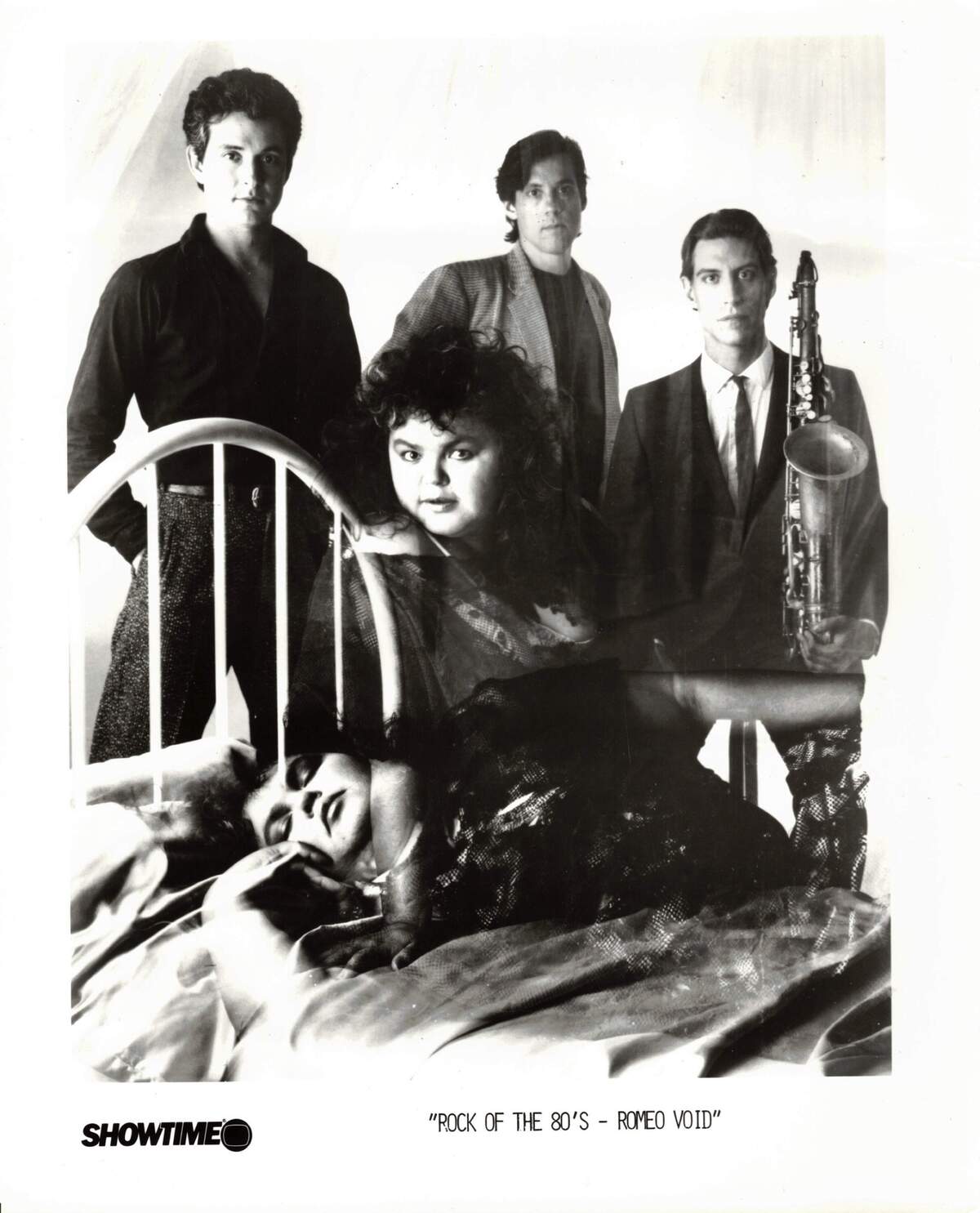
‘A Girl in Trouble (Is a Temporary Thing)’ remains such a vital anthem. In the middle of the high-gloss production of the ‘Instincts’ sessions, did you feel like you were successfully bringing that sisterly empathy to the forefront?
Well, you may not realize, but I also wrote that song after I found a partner. The song ‘Instincts’ was written after as well. I wanted to write a pep talk for a friend. It’s a song I would sing to myself.
The late 1970s and early ’80s in San Francisco felt like a beautiful collision of punk, art, and queer culture. Places like the Mabuhay Gardens were a magnet for all sorts of creative types and misfits.
When you look back at that community, what is the one thing about that specific time and place that you think people today most often misunderstand?
That the scene was actually so small. A big show would be one that 300 people attended. The Mabuhay would reach capacity with just 80 to 100 people. Most bands would play gigs all over the Bay Area, from shows at the Indian Center, the Russian Center, The Deaf Club, and art student warehouse spaces, to dives in the Tenderloin.
Frank’s design for the new live album is a lovely nod to the ‘Never Say Never’ EP. Since you and Frank shared an art school background, how much did the visual look of the band matter to the music itself? Did you ever feel like the album covers were just as much a part of the concept as the words?
We were happy to not have a posed promo-type photo of ourselves on any of our records. That would help retain some of the mystery and intrigue about what the music would sound like. We liked to instill curiosity in potential music buyers whenever possible.
You famously resisted the “bleached blonde” aesthetic of the MTV era, staying true to your Cowlitz heritage and your natural self. Did that feel like a heavy burden to carry at the time, or was it simply the only way you knew how to exist? How does it feel now to see so many younger artists citing you as a pioneer of authenticity?
We had fans of all skin colors, sexualities, body types, economic groups, and style cliques. I decided it was OK for me to be on stage as I was. I think that decision gave our fans affirmation for them to be themselves. I would hope younger artists would follow that example, but they have to make that decision themselves.
You’ve mentioned that ‘I Mean It’ holds a special place in your heart. What was the spark for that song, and why do you think it has stayed with you so strongly throughout all these decades?
I was someone who deeply felt my emotions, and I kept winding up in casual relationships. It wasn’t a good mix for me. I took what I could and appreciated the attention, but often after my trysts — even with people who weren’t strangers — I felt isolated by my desire for more connection.
Working with Ric on the ‘Never Say Never’ EP seemed to capture a very specific snap in the band’s sound. He was such a legendary figure, but what was the actual energy like in the studio with him? Did he encourage the “art school” side of the band?
Ric was an amazing listener who didn’t have a lot to say. What he would say was explicitly positive most of the time. As for my lyrics and vocal takes, he might encourage me to challenge myself to “have another go” with my efforts. His confidence in our ability to be a worthwhile band meant a lot to us. I didn’t know that much about The Cars. During that time, I wasn’t focused on mainstream music at all. I had friends who were club DJs, and roommates who had fantastic record collections and would buy every new import from the UK. The only radio I listened to then was college radio after 11 PM. I had a couple of friends who were DJs during those middle-of-the-night hours, and I relied on them to introduce me to the music that was happening then.
I was impressed that Ric had worked with Suicide, so I never questioned that he was interested in us for the right reasons: our unique scope and vision.
The new ‘Live ’81–’85’ set captures the band with both Larry Carter and Aaron Smith on drums. Those are two very different drummers. How did the sound of the band change for you personally?
As with most bands, some of the conflicts weren’t musical, although they could be. You could get out of sync with each other and find it hard to get back the chemistry. I didn’t have complaints with Larry, but I wasn’t really part of the rhythm section, so I let Frank and Peter decide with whom they wanted to play. I can hear tone changes in the guitar and bass from those two “eras” as well.
Benjamin was delighted to play with Aaron. They were kindred spirits when it came to their interest in jazz and their ability to play that type of music. To me, that’s one of the most exciting aspects about this new album — having the chance to hear just how much dialogue went on between the sax and the drums during solo sections and outros.
The band’s name is so unique. After all these years, how has your relationship with that “Void” changed? Is it a space of loneliness, or has it become a comfortable space where you can just be still and create?
I’m not sure how to answer that. Music continues to be my favorite creative outlet. My husband, Patrick Haight — who mastered this new collection — encouraged us to move to New Mexico, where we worked at remodeling a house built in 1960. Alongside us was one of his longtime friends, who is a fantastic guitarist. He would come to work on the house for a few weeks at a time. The days were spent fixing the house, and at night we would turn our attention to music.
I already have a couple of solo albums under my belt, and I wasn’t really interested in writing more new songs, especially when I’m really proud of the ones I’ve already written that nobody knows. So, I challenged them and myself to learn some fantastic songs from the 20th century. We call our combo the Raton 3, and we will often enlist others for more rocking sets. We play a smattering of Romeo Void songs, some of my solo songs, and a ton of covers. When we started, our goal was to learn 100 songs. I’m pretty sure we’re well past 60 by now. It’s a celebration of the songwriting, and it’s a way for me to live out my belief that “If you’re learning, you’re living.”
Transitioning from a band dynamic to a solo project like ‘Strange Language’ probably felt like stepping out from behind a curtain. That record has a different kind of intimacy, a different “dialect” of your art. After the intensity of the Romeo Void years, did you find that writing for yourself allowed you to use words that felt too personal for a five-piece band?
I think it was a natural progression. With new ears, new influences, and new people who could appreciate me in a different way, I was able to expand my topics and aspirations for myself.
With ‘Live ’81–’85’ out in the world, a whole new generation is discovering Romeo Void. If you could sit down with a young artist today who is just starting out at the Art Institute, what is the one piece of wisdom from your journey that you’d want to leave them with?
Unfortunately, the San Francisco Art Institute is no more. But I always tell people to do the most unique thing that they can. I really believe in putting energy into what you do naturally, and just doing more of that and getting better at it. I would also encourage anyone making music now to play live. There is no better feedback than playing in front of an audience, and no better way to get all your synapses firing together, both within the band and within your space, in real time.
Thank you. What currently occupies your life?
I’ve been working on a memoir that starts from my childhood, and I have about 250 pages written. I’m not fulfilling any contract, and I don’t have a publisher lined up, but I do have someone who would be willing to be an editor once I get the manuscript together. I write in fits and starts, and some of what I’m writing is making me very proud, while other bits will end up on the editing floor. It’s like working on an oil painting, where you can keep going back and making adjustments.
Klemen Breznikar
Headline photo: Romeo Void (Photo by Stefano Paolillo)
Romeo Void Website
Debora Iyall Instagram
Liberation Hall Official Website / Facebook / Instagram / Bandcamp