

Módulo 1000 Interview | The Story Behind Brazilian Heavy Psych Cult LP ‘Não Fale Com Paredes’
Módulo 1000 were one of the most unusual bands to come out of Brazil at the beginning of the 1970s. Their time together was relatively short, but ‘Não Fale Com Paredes’ has since become a cult record far beyond the audience that first heard the band in Rio de Janeiro and São Paulo.
The group came from Rio, although an important part of their early story took place in São Paulo. Guitarist Daniel Cardona Romani had already been playing with bassist Eduardo Leal since Os Quem, a band he started in 1964. Several names followed, including Os Escorpiões, Sindicato do Crime and Código 20, before the group became Módulo 1000 around 1969. Luiz Paulo Simas joined on organ and Candinho was on drums.
They did not begin as an underground psychedelic band. At first they worked as a nightclub group, playing Brazilian music, American pop and rock covers. The line-up was eventually reduced to a quartet and they began concentrating on their own songs in Portuguese. Hendrix, Led Zeppelin, Black Sabbath and Grand Funk Railroad were among the music they were listening to, but Módulo 1000 soon developed a sound of their own.
That sound can be heard most clearly on ‘Não Fale Com Paredes’. Luiz remembers that they were given complete freedom in the studio, while Daniel recalls some of the methods they used: backwards tape, Leslie effects on the vocals and even an amplifier placed in a bathroom to get a different sound. The engineer, he says, did not always understand what the band had in mind.
The period in which they were working is also important. Brazil was under military rule, and Daniel believed that some of the oppression of those years found its way into their music. “I’m sure our music expressed those dark days,” he says.
One of his stories says quite a lot about the atmosphere of the time. During a performance, federal agents became suspicious when the band threw sweets into the audience and apparently thought they might contain cannabis. They were also convinced that the Latin words to ‘Turpe Est Sine Crine Caput’ carried a subversive message. Daniel found that particularly funny. As he puts it, they should perhaps have paid closer attention to ‘Olho Por Olho, Dente Por Dente’.
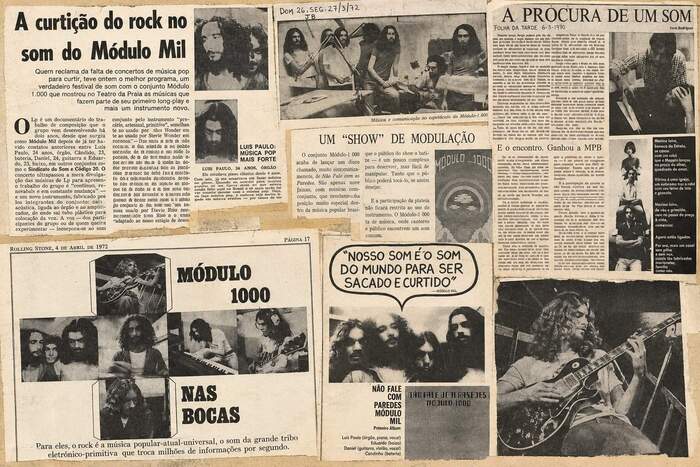
Módulo 1000 had a following in Rio and São Paulo, appeared on television and took part in a nationally broadcast song festival, but they remained very much an underground band. Luiz remembers that the record company simply did not know how to promote this kind of music.
Years later, he discovered just how far the record had travelled. Wolfgang Reuther of the German label World in Sound contacted him after the label had reissued the album and wanted the band’s official permission. Luiz says that was when he first realised Módulo 1000 had become a cult band.
Daniel remembered another side of the story. According to him, someone at their record company had once said of the album: “This is a piece of shit, no one will buy this, no one will listen to this…”
His answer many years later was much better: “Now it has been proved that he was wrong or drunk. Maybe both…”
I spoke with Luiz Simas and Daniel Cardona Romani about the history of Módulo 1000, from their earlier bands and São Paulo club days to the making of ‘Não Fale Com Paredes’, their unusual studio experiments, life under the military dictatorship and the later rediscovery of the album.
“I’m sure our music expressed those dark days.”
I’d like to start at the beginning. What were some of your earliest musical influences as children, and how did your tastes change as you became teenagers?
Luiz Simas: When I was a young kid, I took classical piano lessons and played Chopin, Bach… but at the same time I was listening to Brazilian radio, mostly Brazilian music of all kinds. As a teenager, I became influenced by French and Italian popular music, Françoise Hardy, Rita Pavone, Peppino di Capri, Gilbert Bécaud, Charles Aznavour, and then I fell in love with Brazilian bossa nova. In my late teens, I started listening to American and British rock: Blood, Sweat & Tears, Black Sabbath, Grand Funk Railroad, Jimi Hendrix, Janis Joplin, The Beatles and many others.
Daniel Romani: When I was a kid, I listened to anything my parents would dial in on the radio. But at the age of eight, I discovered rock ‘n’ roll, and from those days on I kept listening to this type of music, and I still do. First came Elvis, Little Richard, The Everly Brothers, Bill Haley, Ray Charles, Roy Orbison, Brian Hyland, Del Shannon and others. Then, as a teenager, I discovered The Beatles, The Byrds, The Hullaballoos, Dave Clark Five, The Trashmen, The Troggs, Herman’s Hermits, The Animals, The Swinging Blue Jeans, The Shakers, The Hollies, The Mamas & the Papas, The Fourmost and many more.
Were you or the other members involved in bands before Módulo 1000?
Luiz Simas: I had been in a bossa nova group called Agora 4. We recorded for Philips. The other members of the band belonged to different groups. They asked me to join them when they got a contract to play in a nightclub in São Paulo because the contract required them to have an organist in the band.
Daniel Romani: Eduardo and I played in a rock band I created in 1964 called Os Quem.
Luiz Simas played in a bossa nova band called Agora 4. Candinho, our drummer, as far as I know, did not have a band to play in. He studied and played his jazz stuff at home with friends.
Módulo 1000 really took shape around 1969. How did the four of you come together?
Luiz Simas: As I said, they invited me to join the band and we went to live in São Paulo. At that point I was studying architecture at a university in Rio, so I dropped my studies and went with them. I felt it was my chance to really focus on being a musician.
Daniel Romani: In the beginning, Módulo 1000 used to play covers, Led Zeppelin, Hendrix, Steppenwolf, Black Sabbath, to mention a few. Later, we decided to play exclusively our own stuff. That big change happened, as you said, in 1969.
In fact, I have always said that Módulo 1000 was the last metamorphosis of a single band I created circa 1964, Os Quem, which changed its name to Os Escorpiões, then Sindicato do Crime, then Código 20 and finally Módulo 1000.
Eduardo, our bassist, accepted my invitation to play with me in the first stage, Os Quem, and remained with me until the end. Luiz Simas also accepted my invitation and joined us when we abandoned the name Código 20 to become Módulo 1000 in 1969. Candinho joined us during the Código 20 stage and stayed with us until the band decided to put an end to its existence.
What do you remember about those first performances and rehearsals, before the band became entirely focused on its own material?
Luiz Simas: At first we were more of a dance band, and our repertoire in the nightclub in São Paulo included Brazilian music, American pop hits and a little bit of rock. The band had six members, including a female singer, guitarist Daniel’s sister. Then the vibraphonist and the singer left, and we became a quartet. We started to write our own music, singing in Portuguese.
Daniel Romani: I can still remember that although we were a band that came from Rio de Janeiro, we were successful in São Paulo, where a great number of people used to follow us wherever we played. For that reason, many people thought, and some still think, that we were a ‘paulista’ band, originally from São Paulo, but we were not. We were a ‘carioca’ band from Rio de Janeiro that lived and worked in São Paulo.
The single ‘Big Mama’ / ‘Isto Não Quer Dizer Nada’ appeared in 1970, followed by ‘Não Fale Com Paredes’. What do you remember most clearly about making the album?
Luiz Simas: The single ‘Big Mama’ / ‘Isto Não Quer Dizer Nada’ is not really representative of our own music. The songs on that single were not our own. We were playing together with another composer/guitarist because he had been included as a finalist in an important song festival.
On the other hand, the LP ‘Não Fale Com Paredes’ is very representative of our music. It was really a miracle that we were given total freedom to record it the way we wanted. In fact, the producer, Ademir Lemos, and our manager, Marinaldo Guimarães, were very enthusiastic about it. We tried all kinds of new rhythms, melodies and lyrics, going way beyond what most other groups were doing at the time. It was a very exciting time for us.
Daniel Romani: The truth is that although we had a producer, we ourselves produced both the single and the LP. We made the decisions and also put them into practice.
We had some problems recording our songs because the sound engineer could never understand what we had in mind, things like using backwards tape, putting a Leslie effect on our vocals, placing an amplifier in the bathroom to create a different sound, and other ‘strange’ ideas.
How did the deal with Top Tape come about? Do you remember roughly how many copies were pressed, and what was the idea behind the stark grey cover?
Luiz Simas: Producer and DJ Ademir Lemos got the contract for us. We were actually surprised that Top Tape signed it because they were not used to that kind of music. I don’t know how many copies were made. As for the artwork, it was done by Wander, and Daniel, our guitarist, can tell you more about it and about him because they were close friends.
Daniel Romani: Ademir Lemos, the producer, got this contract for us. He managed to convince the record company, Top Tape, that we were a good band and it would be wise of them to sign us.
I am not sure about the number of copies that were made back then. Nobody knows.
The cover artwork was really very simple. The artist who conceived it, Wander Borges, told me that the grey colour was chosen because it would bring to mind the colour of the metal a rocket is made of. After leaving the launch pad, a rocket takes its module up into orbit. Module = Módulo.
You played mainly in Rio and São Paulo, but also travelled further afield. What are some of the live stories that have stayed with you?
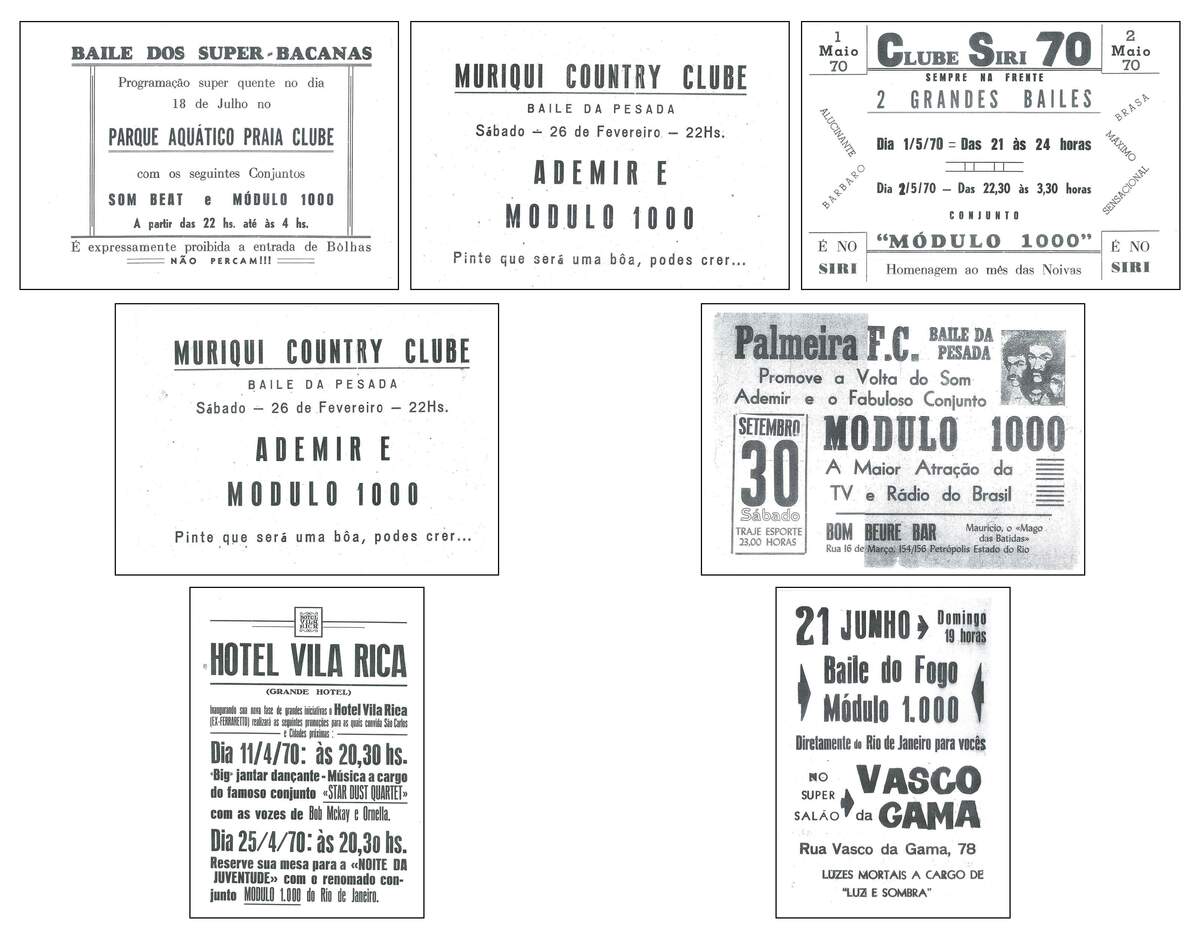
Luiz Simas: We played mostly wherever we lived: first in São Paulo and Santos, where we lived for about one year, and then in Rio, our native city, when we came back. Once in a while we played out of town, though.
One of the most interesting places we played was Pedra Azul, in a very arid and poor region of the state of Minas Gerais, close to the border with Bahia, some 20 hours from Rio. It was a rock festival organised by the son of the owner of a big farm, and I clearly remember the culture shock that happened when that bus with four or five rock bands from Rio arrived in those backlands.
I don’t think the locals had ever seen guys with long hair, and we had never been to a place like that. We had a great time. I don’t think the locals quite understood the music we played.
Daniel Romani: We went to Praia Grande, São Paulo, to play in a popular club called Clube do Siri, the Crab Club. There were so many people who went there to see us that those who couldn’t get in stayed outside, parked their cars on the pavement, and sat on the sand of the beach in front of the club just to listen to us.
Another curious story: when we played the rock concert that celebrated the release of our LP ‘Não Fale Com Paredes’, fans invaded the theatre after smashing the glass doors and stole all the LPs that hung on the walls of the entrance hall.
One more curious story: once we were playing a song that was abruptly interrupted by federal agents who were puzzled when they saw us throwing candies to the audience. They thought they contained cannabis.
Besides, they were sure that the lyrics of ‘Turpe Est Sine Crine Caput’ carried a subversive message against the military, when in fact it was just Latin, plain Latin. They were stupid. They should have paid more attention to ‘Olho Por Olho, Dente Por Dente’… Then, yes, they might have found something…
As for touring, we played mostly in Rio de Janeiro and São Paulo, but we went to Minas Gerais and Brasília too.
The Módulo 1000 sound could be extremely heavy and dark, but also very atmospheric. How did you arrive at it?
Luiz Simas: That kind of sound evolved naturally. It came from the kind of music we were listening to, as I said, among many others, Black Sabbath, Grand Funk Railroad, Hendrix, etc.
Daniel Romani: I believe that it was the result of a blend of musical influences. I listened to Hendrix, ‘And the Gods Made Love’, ‘If 6 Was 9’, ‘Machine Gun’, etc.; Led Zeppelin, ‘Dazed and Confused’, ‘Babe I’m Gonna Leave You’, ‘Whole Lotta Love’, etc.; Black Sabbath, ‘War Pigs’, ‘Paranoid’, ‘Sweet Leaf’, etc.
There was, of course, a lot of oppression for those who lived here because of the dictatorial government. I’m sure our music expressed those dark days.
How did songwriting usually work within the band?
Luiz Simas: I think we usually started a song from a simple catchy phrase and unusual melody, and then added the rest. We all contributed to the final song, but the lyrics came mostly from Daniel, the guitarist, and myself.
Daniel Romani: To me, the best way to write a song is to obey your inspiration before anything else.
You have a rough idea for a new song, so you sit and carefully choose the appropriate chords that will give you the necessary support for your licks, riffs and worked-out or improvised solos.
When you finish your solos, you have an established atmosphere that will be decisive for you to create and sing the vocals. Once you have that, it is much easier for the other musicians to understand what you mean in terms of feeling, rhythm, colour, ambience and atmosphere.
In my opinion, if you follow this formula, you will have a great song.
What was the atmosphere like in the audience at Módulo 1000 shows?
Luiz Simas: They were mostly in a trance-like mood. Lots of marijuana in the air…
Daniel Romani: Our fans usually sat and watched us attentively. Some of them seemed to be in a hypnotic state of mind, under their own particular mind-trip. However, songs with a strong beat like ‘Não Fale Com Paredes’ would make them shake their bones…
Were there other Brazilian or South American bands at the time that you felt had something of the same psychedelic or experimental spirit?
Luiz Simas: We were part of a group of bands in Rio that played different kinds of ‘avant-garde rock’, some more psych and heavy, others with a lighter sound, and others more performative: O Pêso, O Terço, Equipe Mercado.
Daniel Romani: Not many. In Brazil, the other bands were different from us. Their songs did not have that atmospheric mood we enjoyed so much. They played more down-to-earth stuff, sometimes hard-sounding, yes, but mostly body music instead of mind music.
Still, there are some worth mentioning: Spectrum, Equipe Mercado, Som Imaginário, A Bolha, Os Mutantes, all of them Brazilian bands. In South America I would mention Los Speakers.
How well known was Módulo 1000 in Brazil at the time?
Luiz Simas: In the beginning, when we were living in São Paulo and Santos, we were only known locally. When we moved to Rio, we got some national exposure because we played in a nationally broadcast song festival, but our fans were mostly in Rio.
Daniel Romani: Only for those who were into the underground scene. Once in a while fans would listen to a song or two on radio stations. We also played a couple of times on TV shows, but Módulo 1000 was really a cult band.
Around 1972 you also recorded ‘The Cancer Stick’ / ‘Waitin’ for Tomorrow’ under the name Love Machine. What was the story behind that single?
Luiz Simas: Daniel can tell you more about that. We didn’t really change our name to Love Machine. That was something we did on the side. We didn’t quite consider those songs part of the Módulo 1000 repertoire, I guess.
Daniel Romani: We did not change our name. We were offered some free time in the studio so we could record anything. So I decided we could profit from the situation and, at the same time, have some fun…
The day before, I wrote those two songs and we created a fictitious name just to fool the listener. We just wanted to play a joke on our fans, pull their legs.
Why did Módulo 1000 eventually come to an end? Did it feel as though the band still had more music in it?
Luiz Simas: Bands usually disband for two reasons: money and/or disagreements. In our case, it was lack of money and real opportunities. Even though we had a great album, the record company didn’t know how to promote it, and at that time there was little acceptance for that kind of music on Brazilian radio stations.
Daniel Romani: Well, we kept on playing here and there, but we had some problems carrying on, though musically we were stronger than before.
Songs like ‘Sete Quartos’, ‘Licor de Rabanete’, ‘Lajes Cadaverinas’, ‘Nua’ and ‘Olhar Estéril’ have never been recorded and were, in my opinion, far superior to those which became known by everyone.
They may be recorded one day. Who knows?…
When did you first realise that Módulo 1000 and ‘Não Fale Com Paredes’ had acquired this completely unexpected cult life outside Brazil?
Luiz Simas: I learned about that a few years ago when Wolfgang Reuther, the director of the German label World in Sound, called me looking for the band. They had made a reissue of the LP and wanted to get our official permission. It was only then that I realised the band was a cult band…
Daniel Romani: Yes, and that is very rewarding to me, especially when I remember the prophetic words of our record company’s owner, who said: “This is a piece of shit. No one will buy this. No one will listen to this…”
Now it has been proved that he was wrong or drunk. Maybe both…

Where did the name Módulo 1000 come from?
Daniel Romani: I have always been a fan of space matters. I own lots of photos I got from NASA, static clings, pennants, everything related to this subject. I even have an autograph of Neil Armstrong and many other things.
I’m into stargazing too, and up to this day this passion remains the same. It is very strong.
So it seemed to me that Módulo 1000 was an appropriate name for our band. Módulo, in Portuguese, means module, like the lunar module that took the astronauts to the Moon, the Eagle.
Where did music take you after Módulo 1000?
Luiz Simas: A little after Módulo 1000 disbanded, I founded another band together with the drummer from Módulo, Candinho, and two other musicians: Vimana. It was more like a progressive rock band.
A few years later that band also disbanded and I came to live in New York. While here, I started to compose and perform again, more in the vein of Brazilian music, using traditional Brazilian rhythms, and what’s now called Brazilian jazz.
I have my own group, and we do mostly my original music. We perform mostly in the US and Europe, and sometimes in Brazil too.
Daniel Romani: After the band disbanded, I dedicated myself entirely to studying my instrument more, improving my technique and learning more about theory.
Today, I give private lessons on electric and acoustic guitars and write new songs for two new projects: The Four Walls, which is essentially in a progressive vein, and Wooden Passion, an acoustic/electric project that places an emphasis on wooden instruments. Besides acoustic guitars, there is a mandolin, flutes and the piano, of course.
Finally, is there anything else about Módulo 1000 that you would like to leave us with?
Luiz Simas: About the four musicians of Módulo 1000, we now live very far away from each other: myself in New York, Candinho, the drummer, in Miami, Daniel, the guitarist, in Rio, and Eduardo, the bassist, in Brasília.
We all still play music one way or another and are very good friends. We are mostly in contact through email, but we get to see each other once in a while.
People often ask us if we would want to play together again, to do a ‘reunion’ tour. I always think that anything is possible. With the right sponsors and backing, I believe that it could happen.
The only thing is that I’m not personally very interested in trying to recreate the original Módulo 1000 sound. For me, that kind of music was really great for that time, but I’d be much more interested in creating something totally new.
The original spirit of our group was to search for something new that had to do with the moment, and in that spirit, yes, I would be open to us getting together again.
Daniel Romani: Yes. It has been said that Módulo 1000 recorded a single album, and it is a pity we did not release a second one. Well, I would say that the dream is not over, and our fans may have a pleasant surprise.
Why not wait a bit more? Maybe one day, maybe on a sunny day…
Thank you both for your time. It’s been a real pleasure.
Luiz Simas: It’s our pleasure!
Daniel Romani: It was a great pleasure to give this interview to you. In case you need some extra information about the band, you know you can count me in. Thank you very much.
Klemen Breznikar
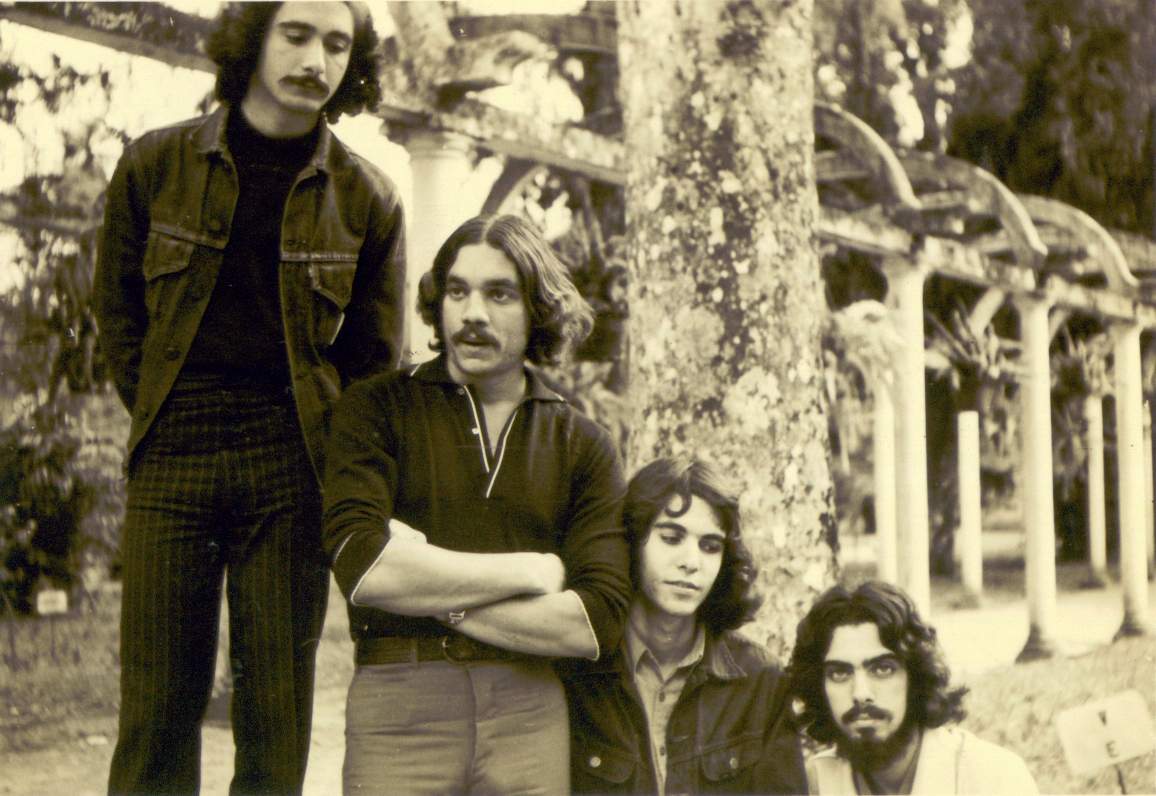
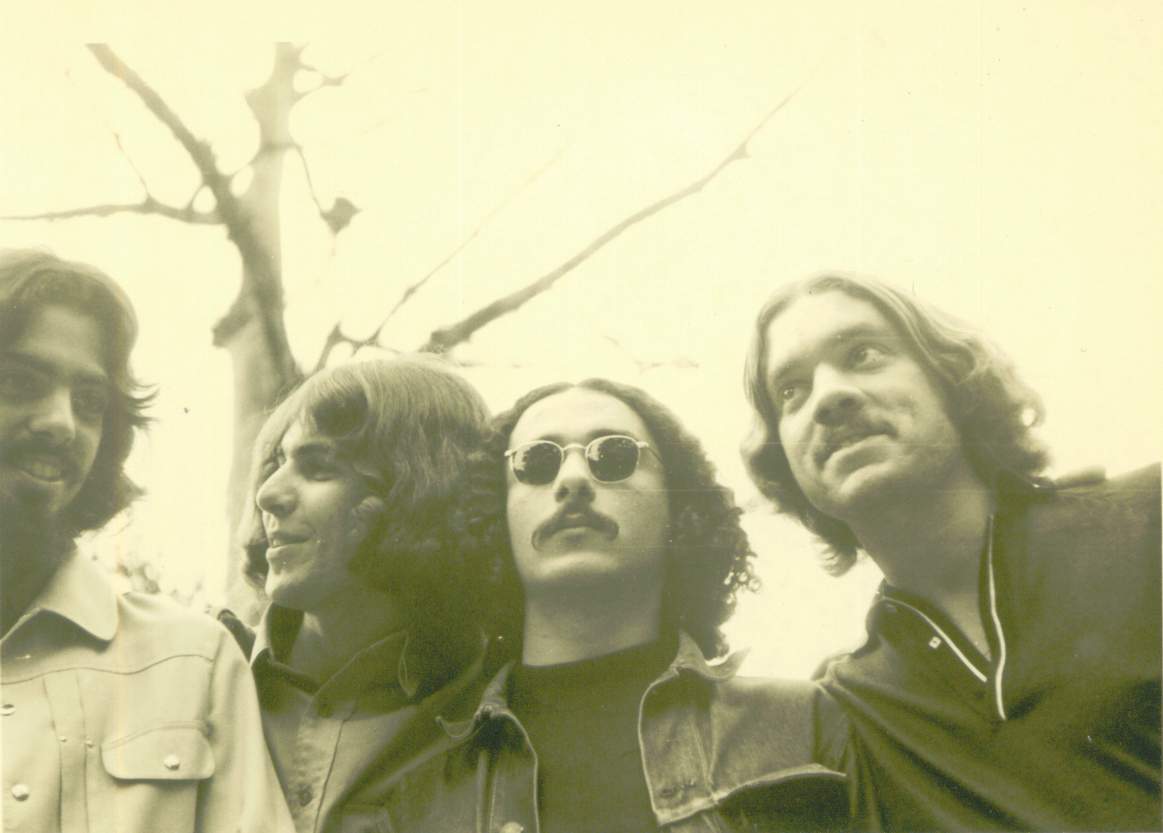
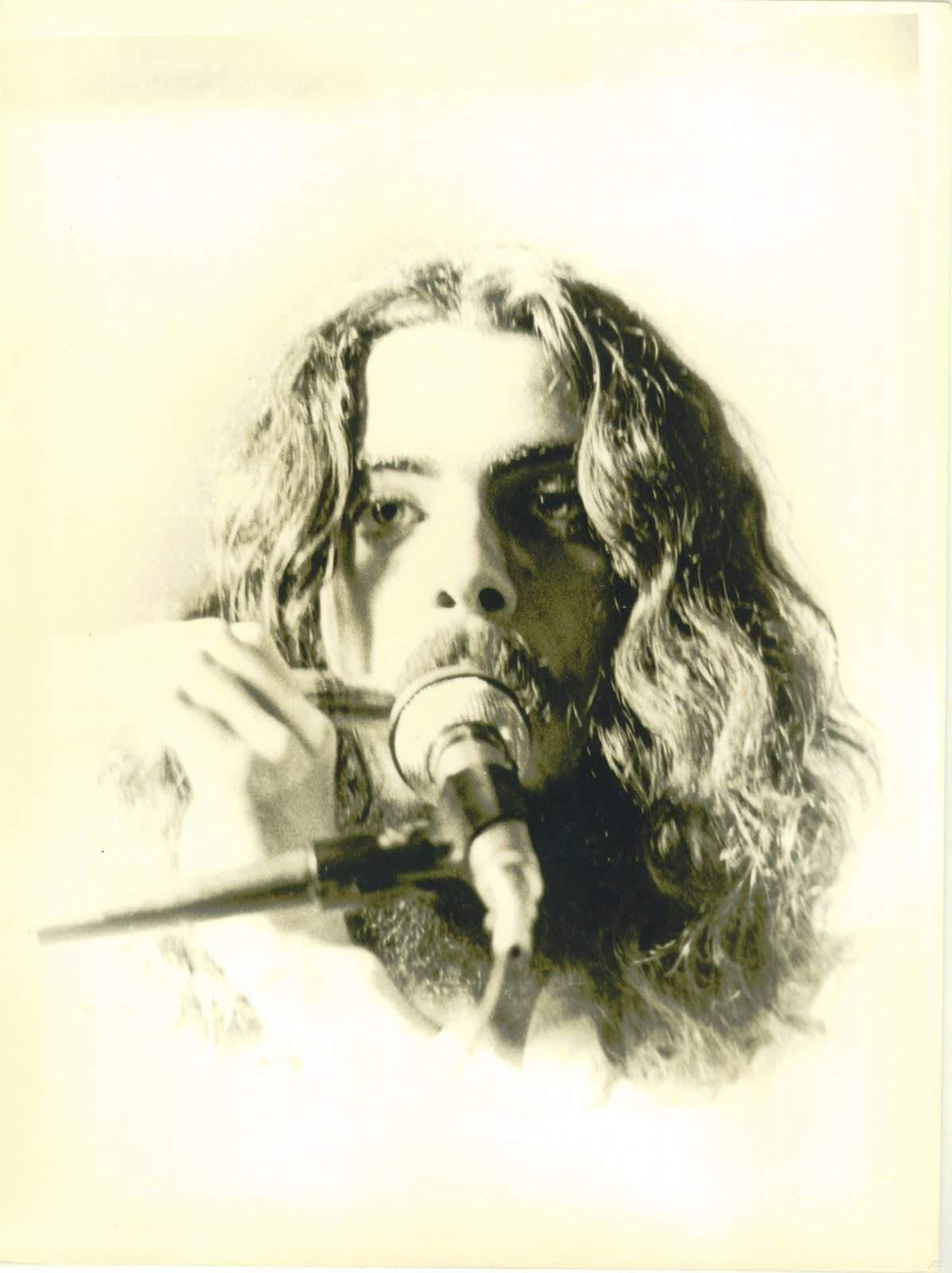
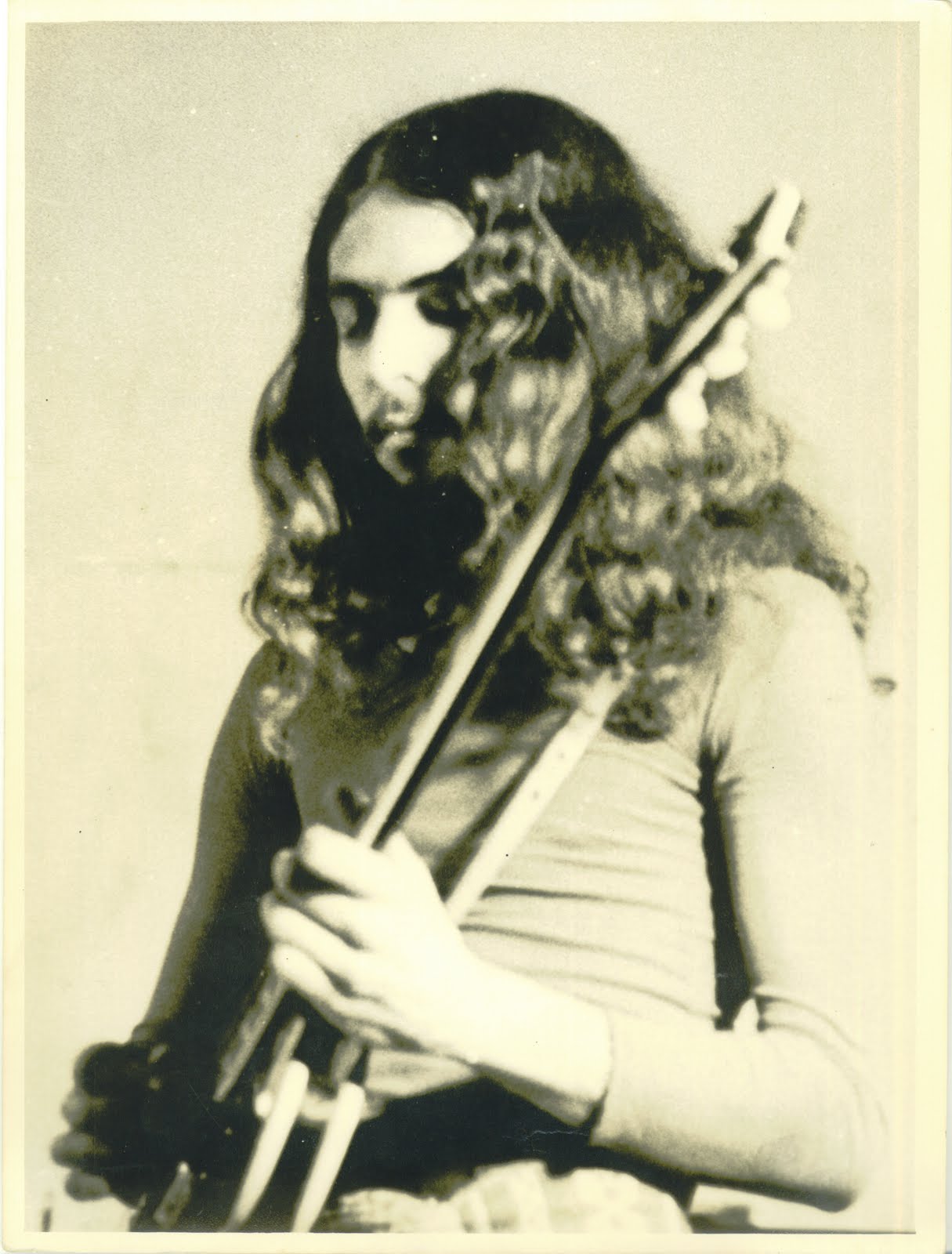
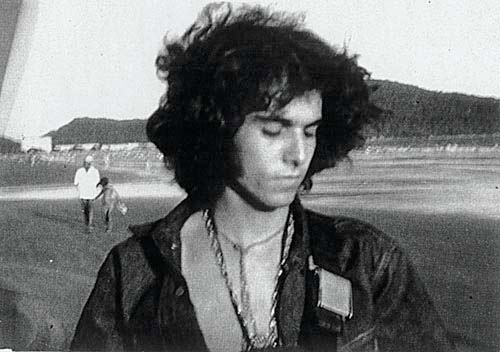
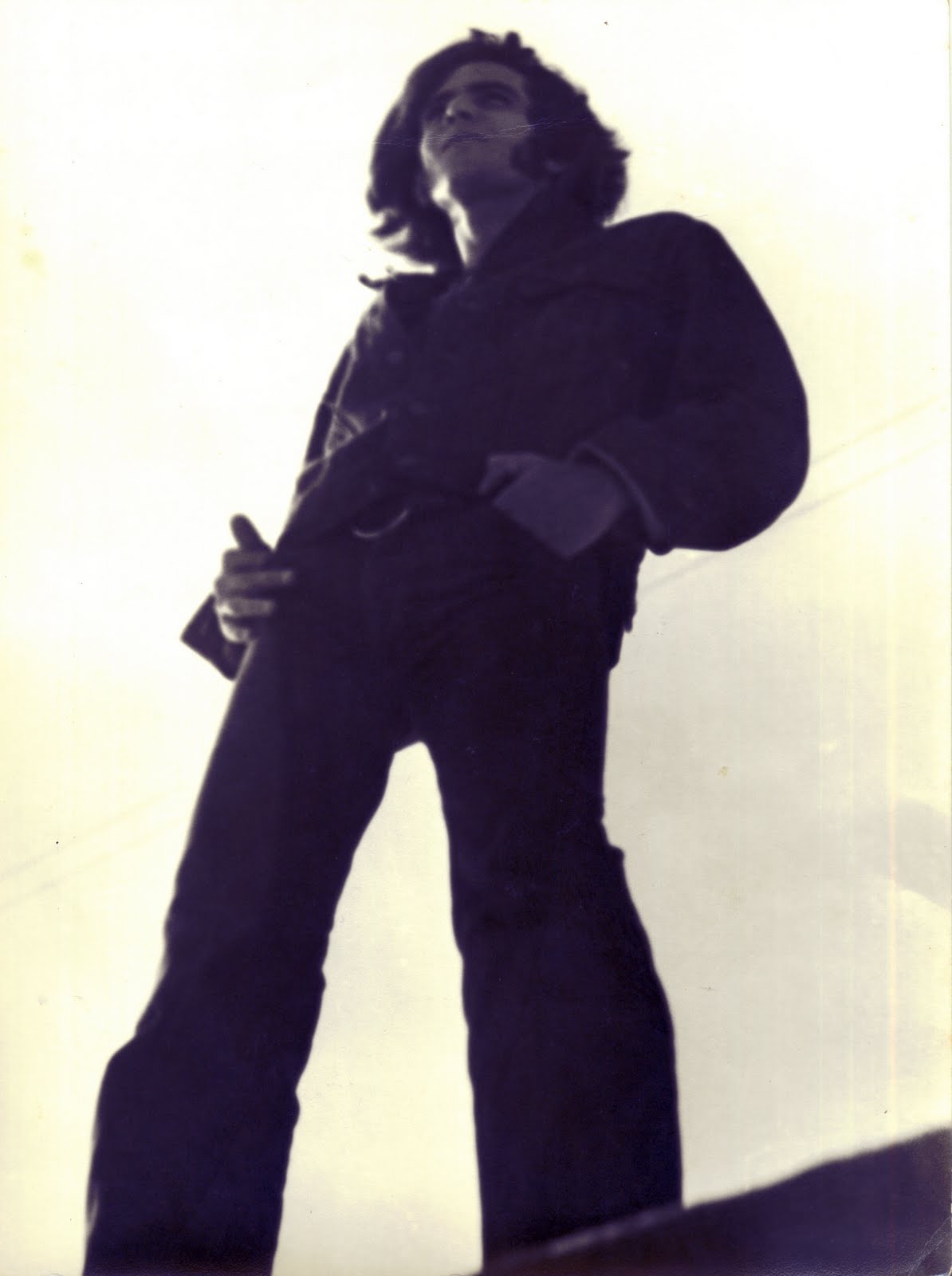
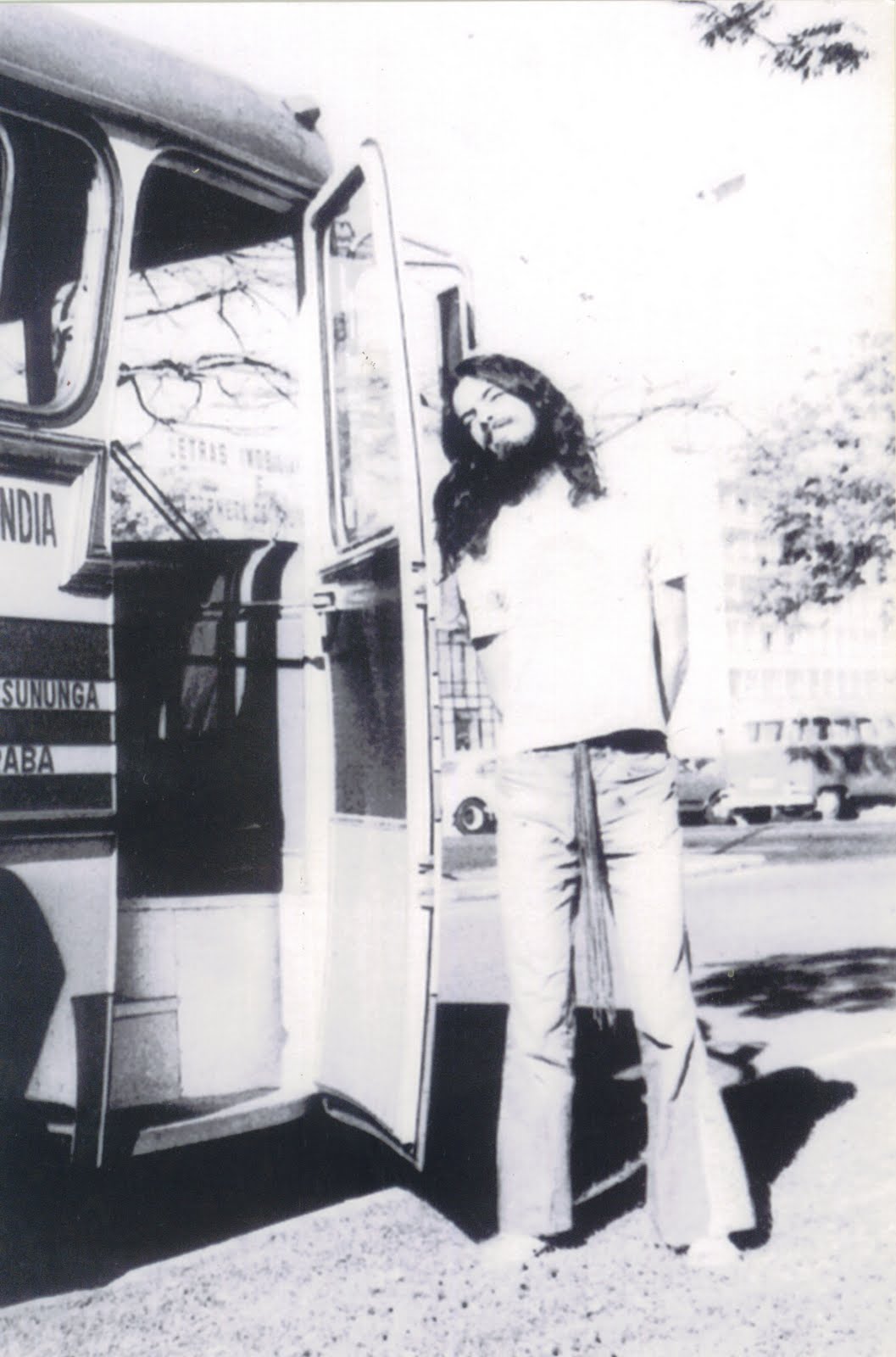
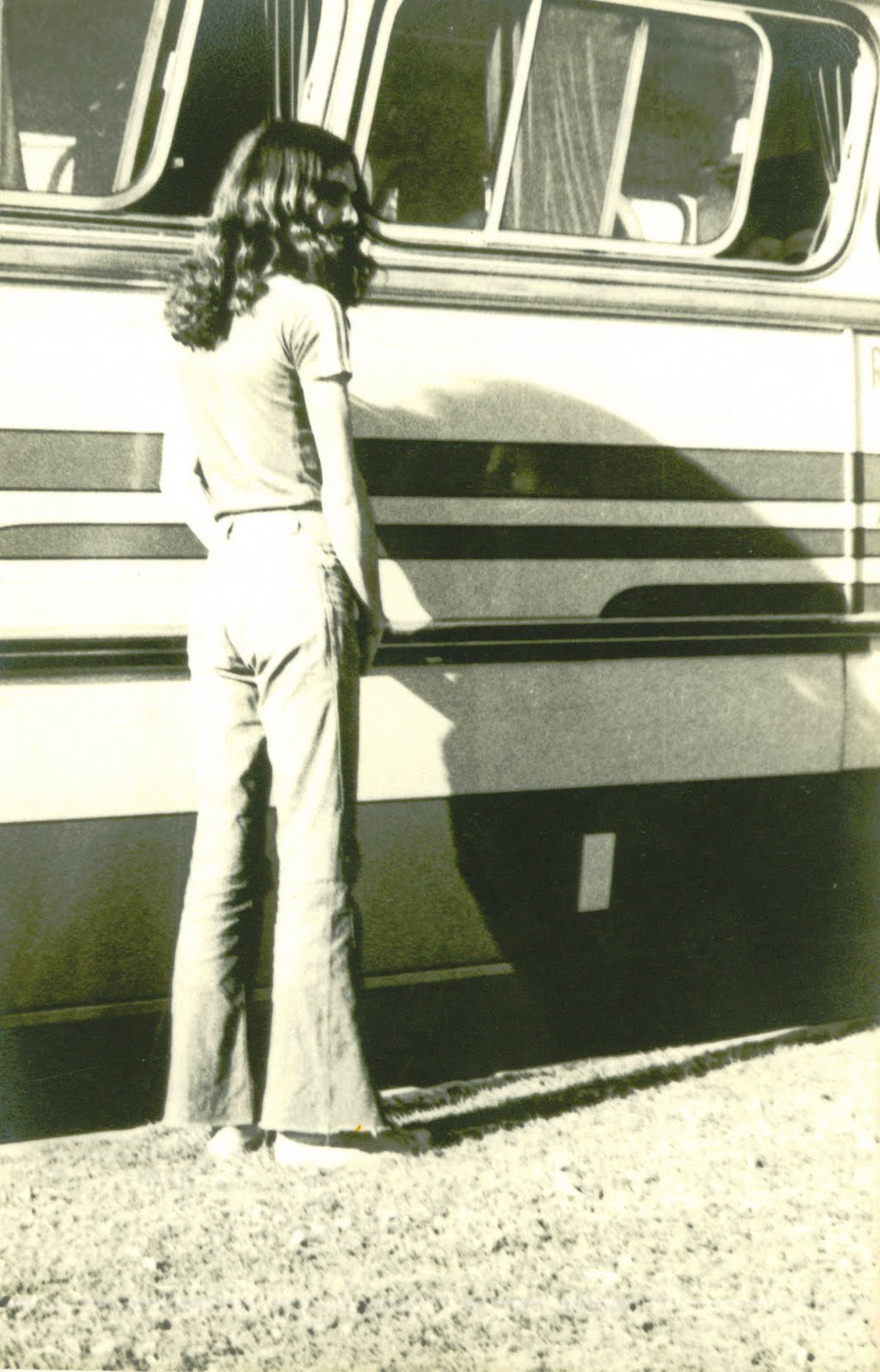
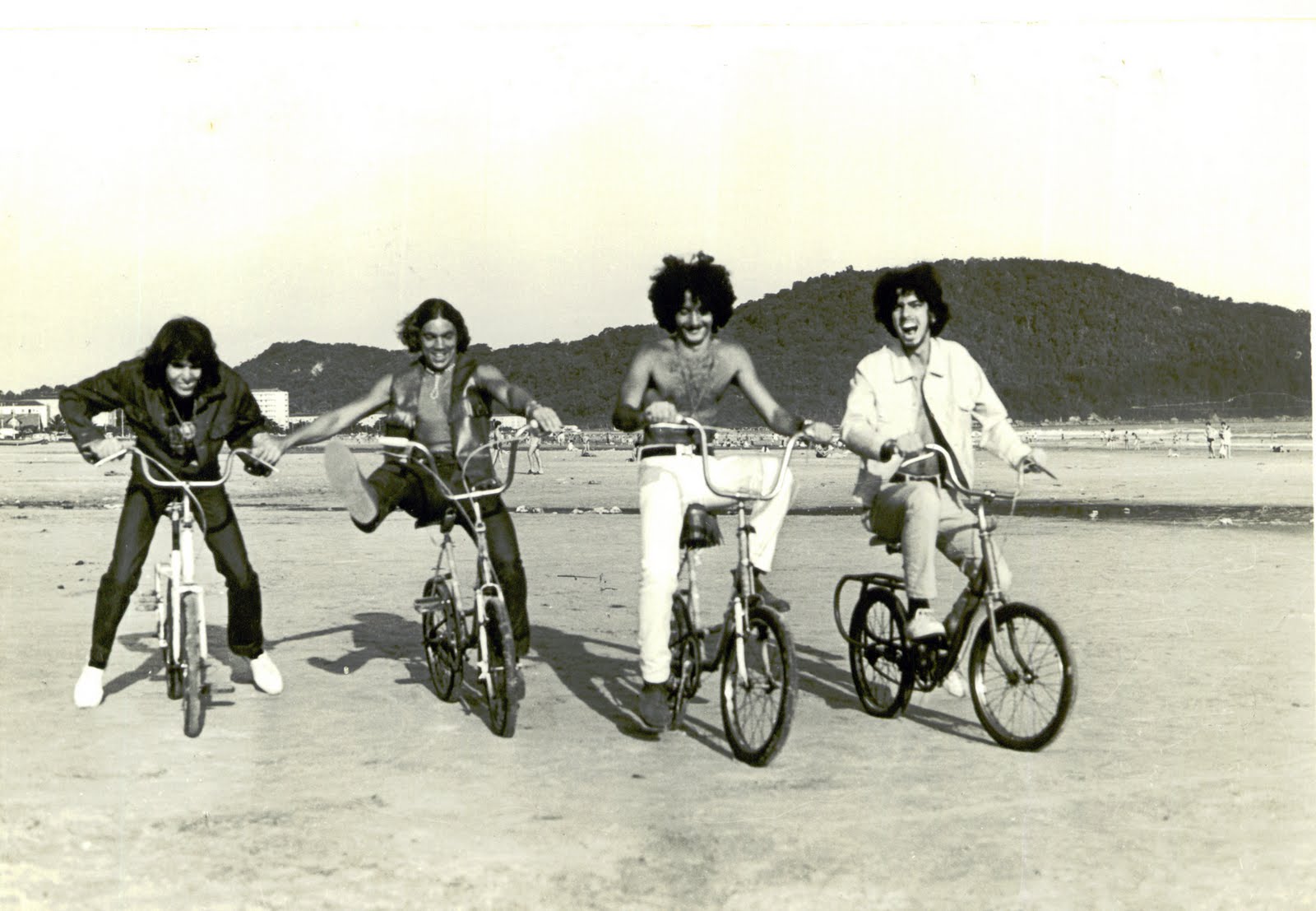
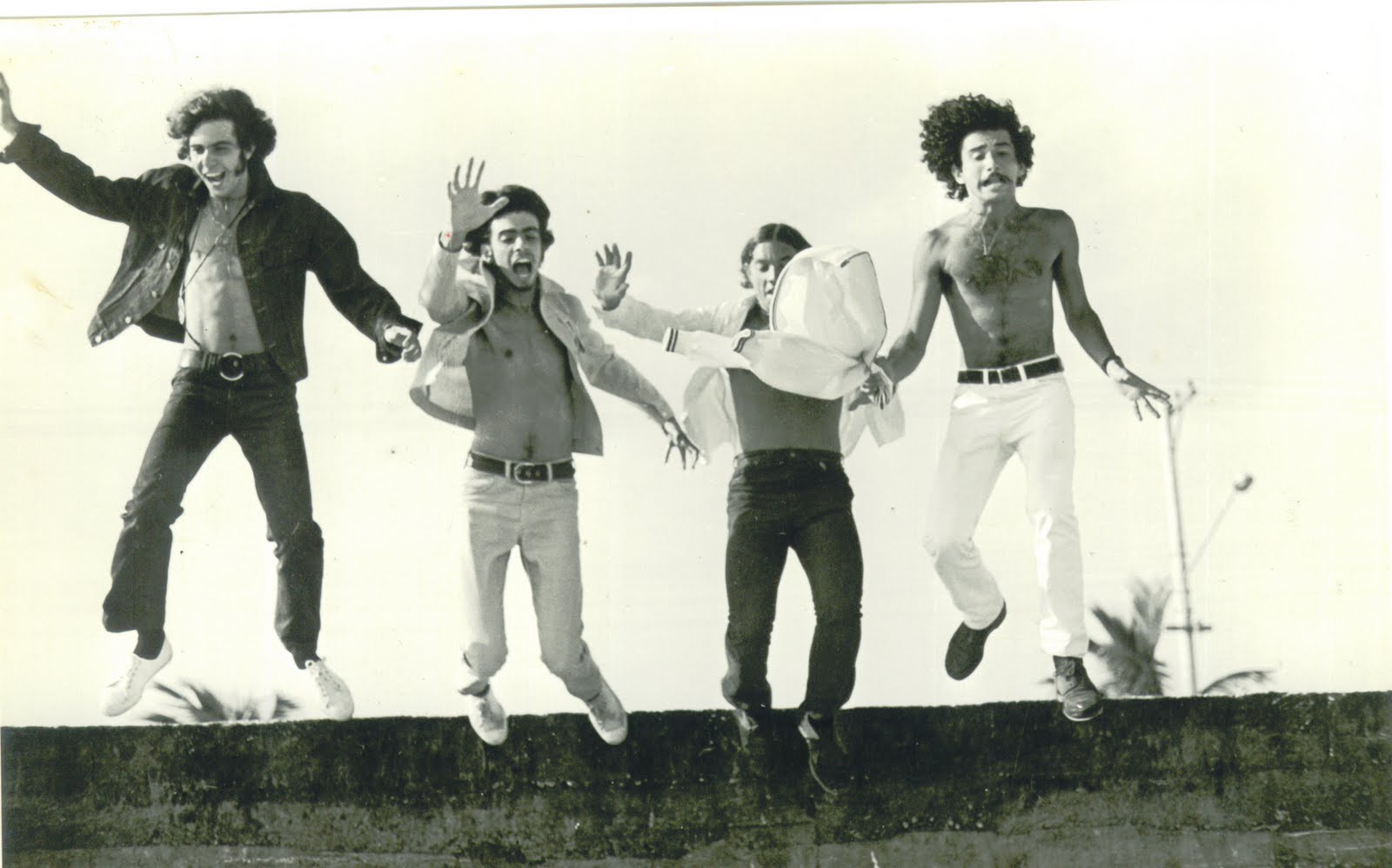
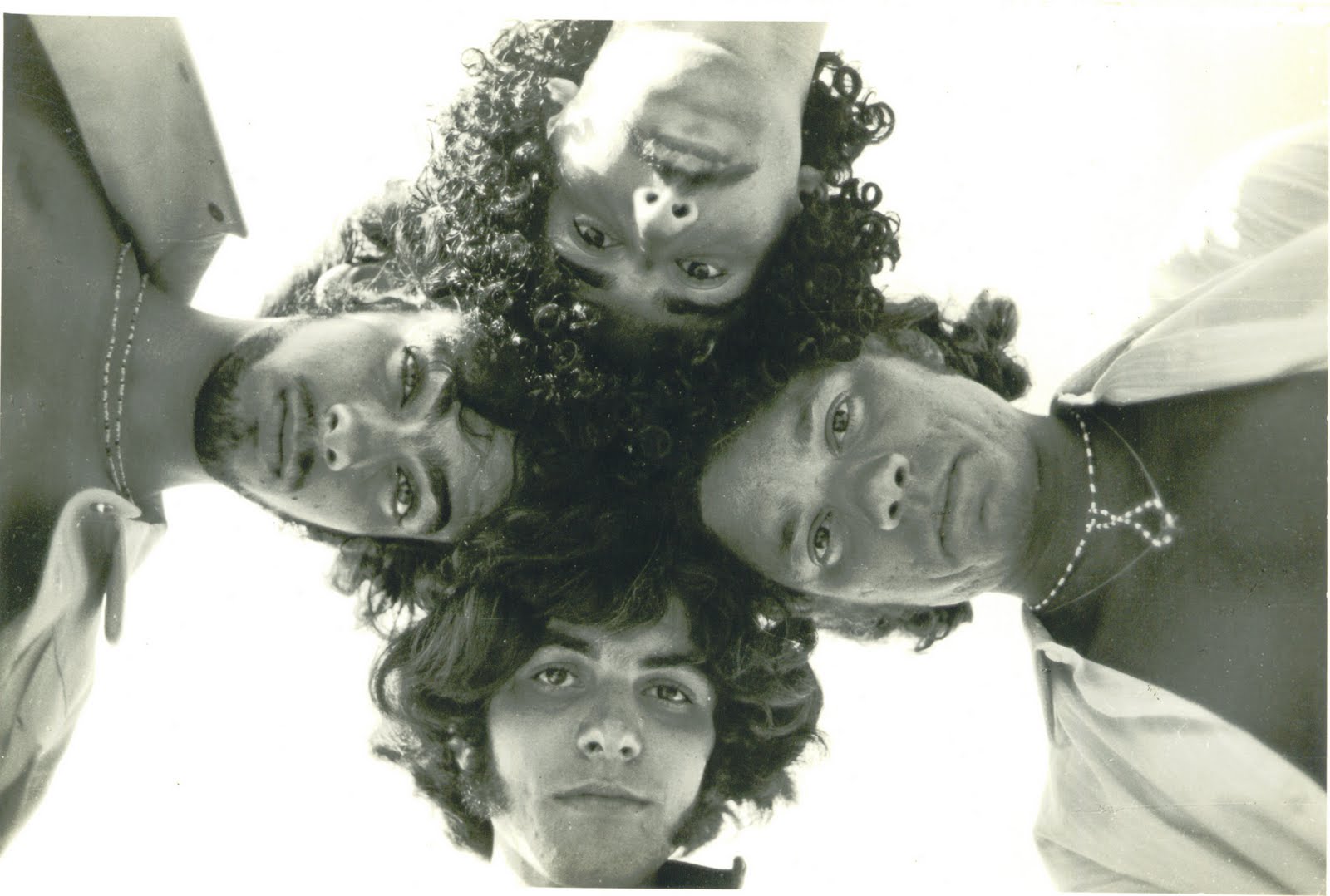
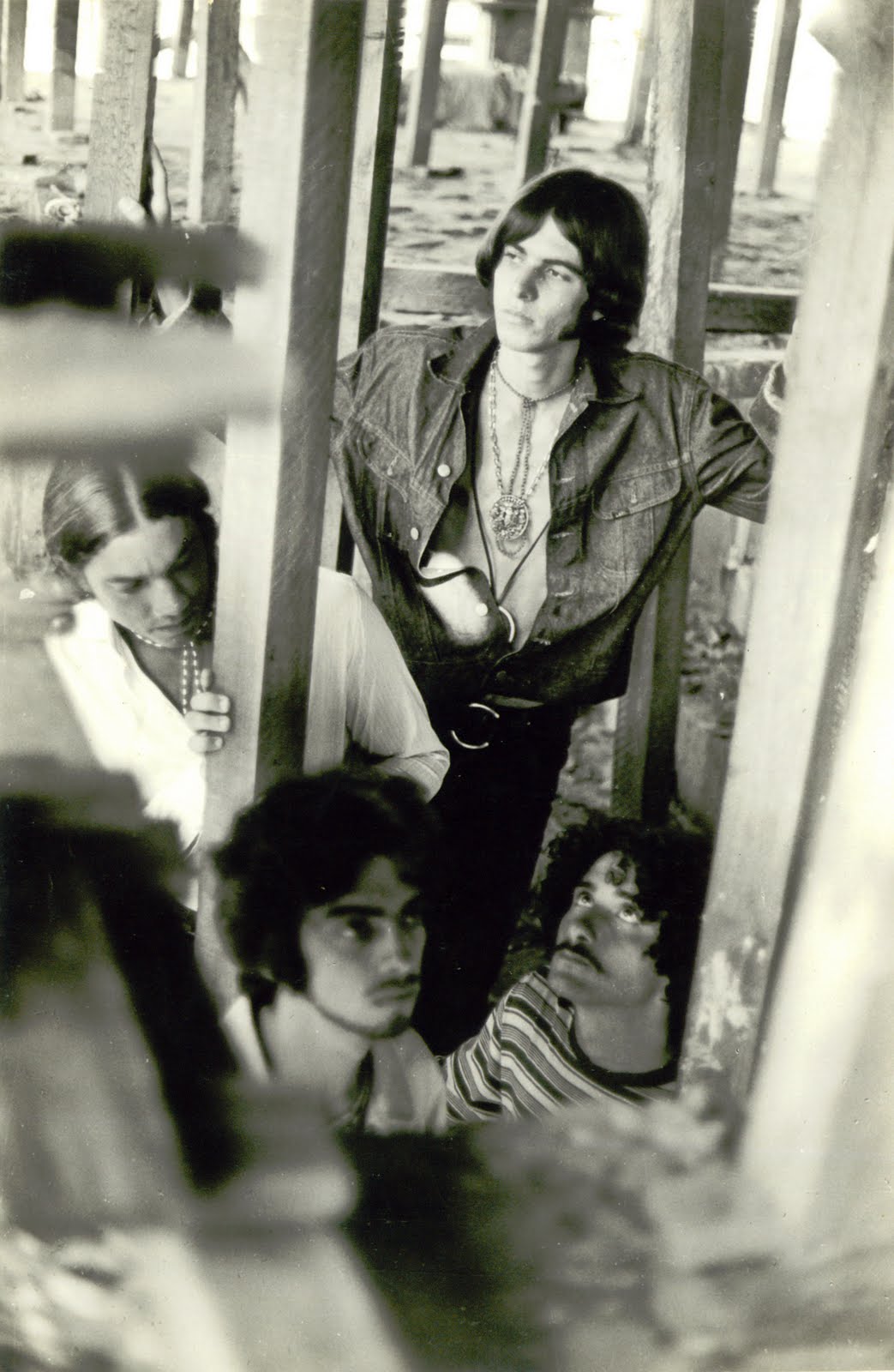
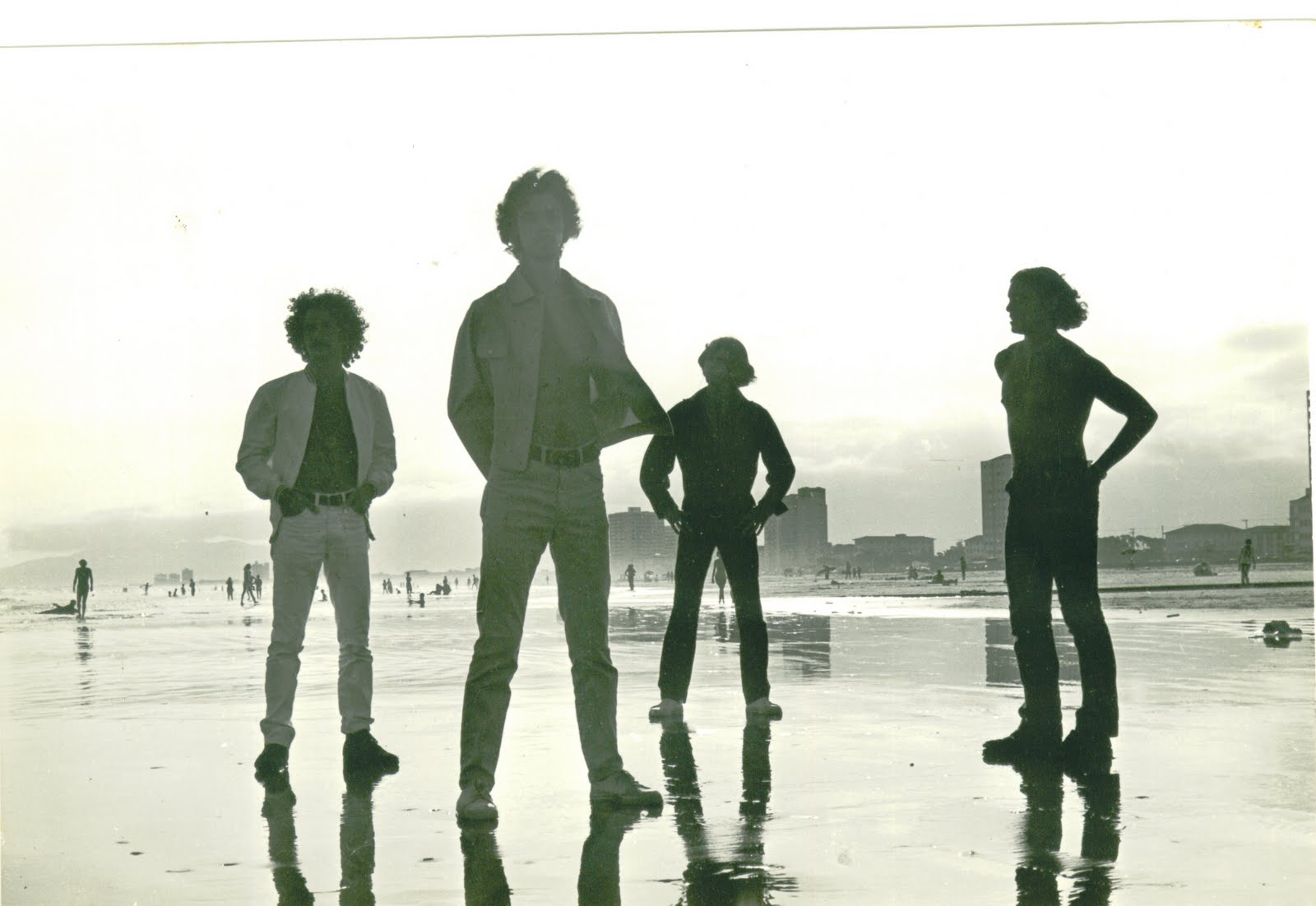
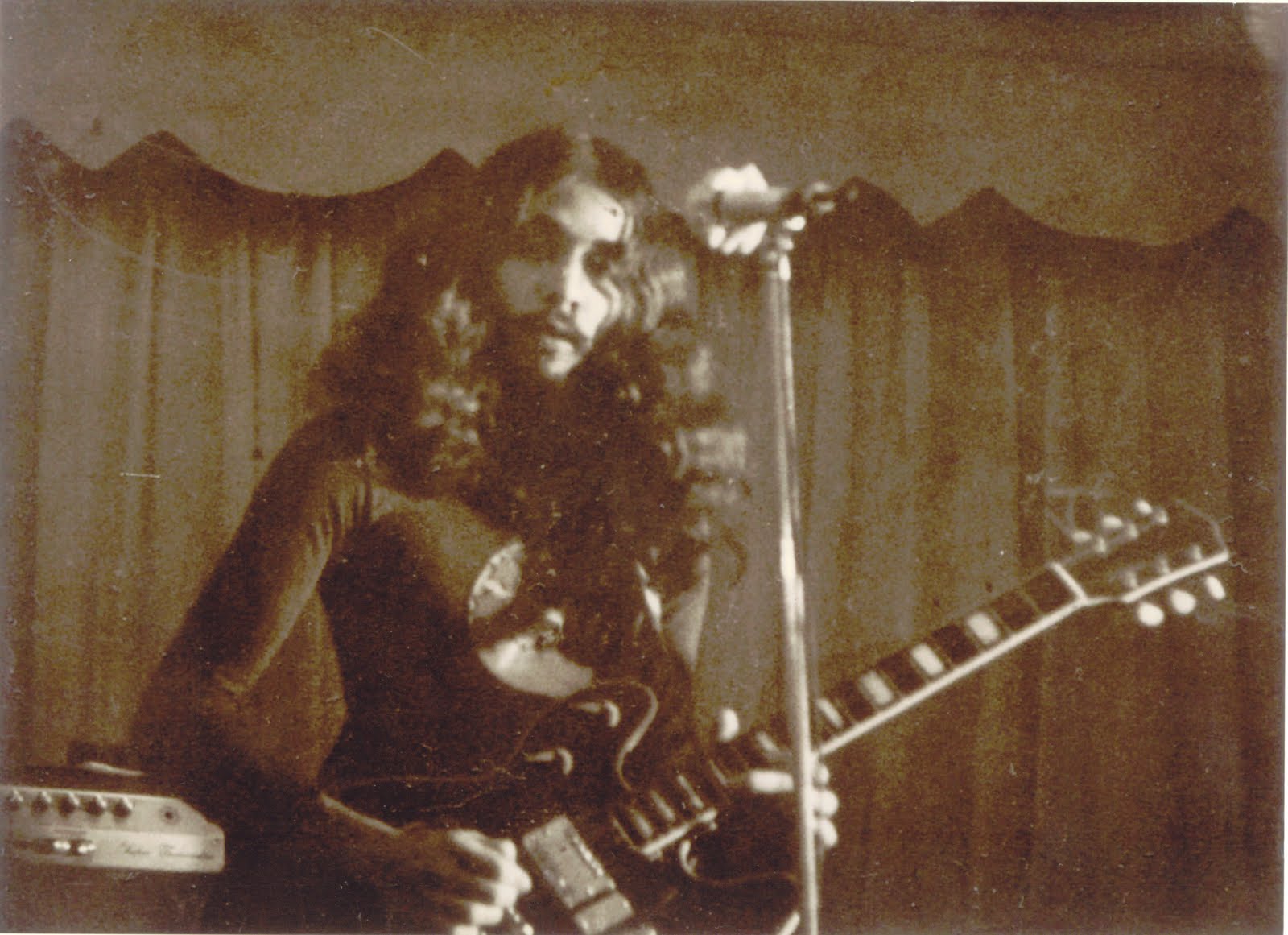
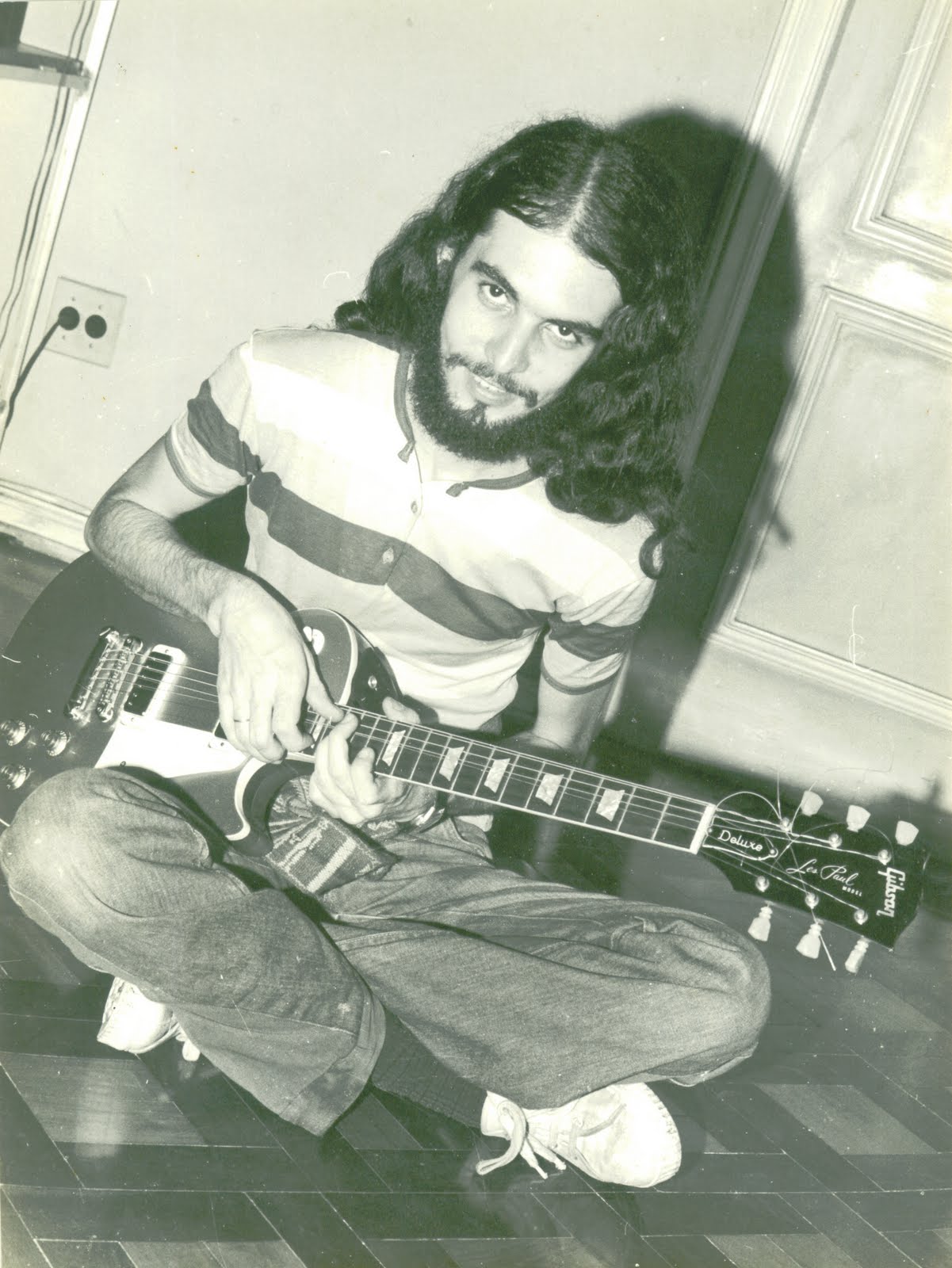
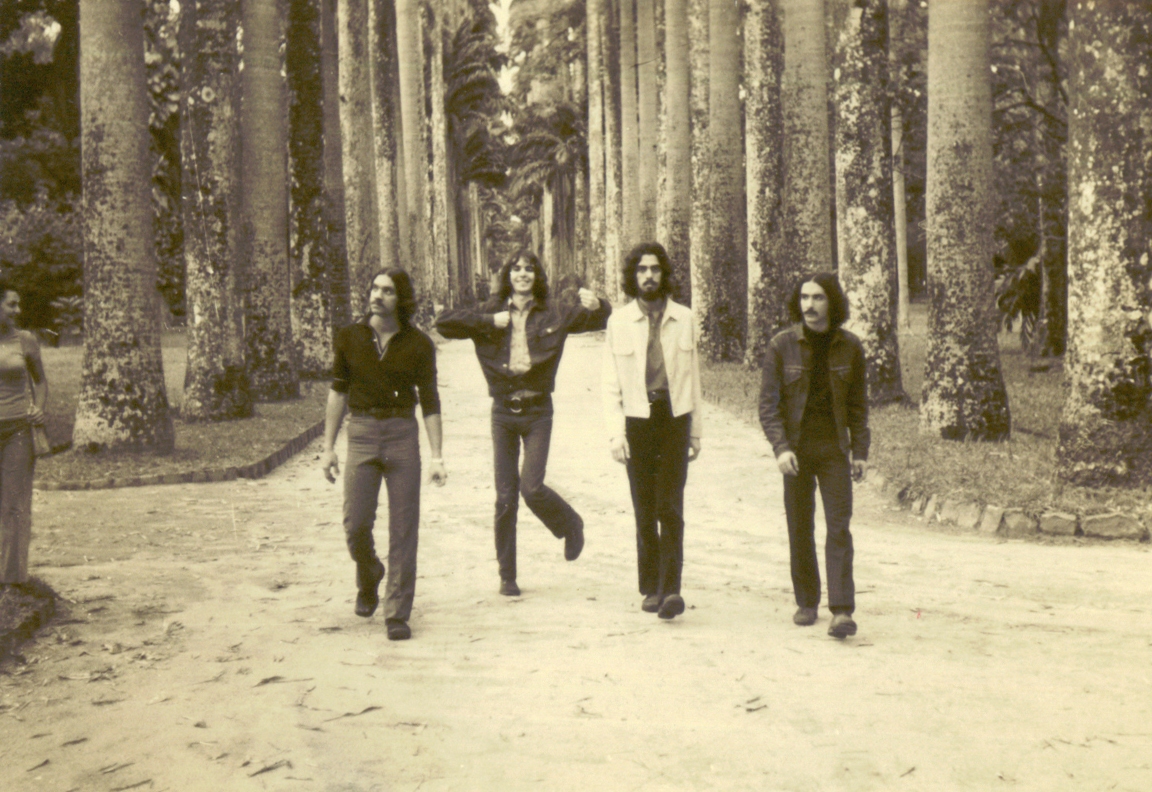
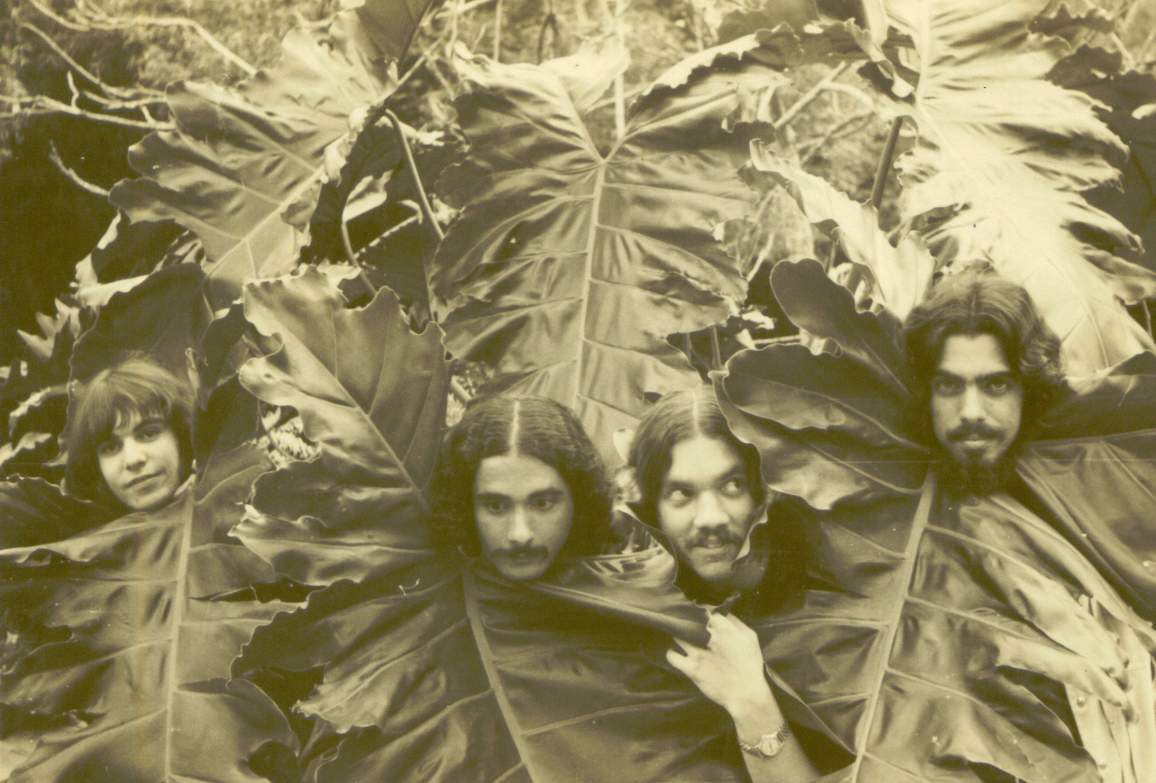
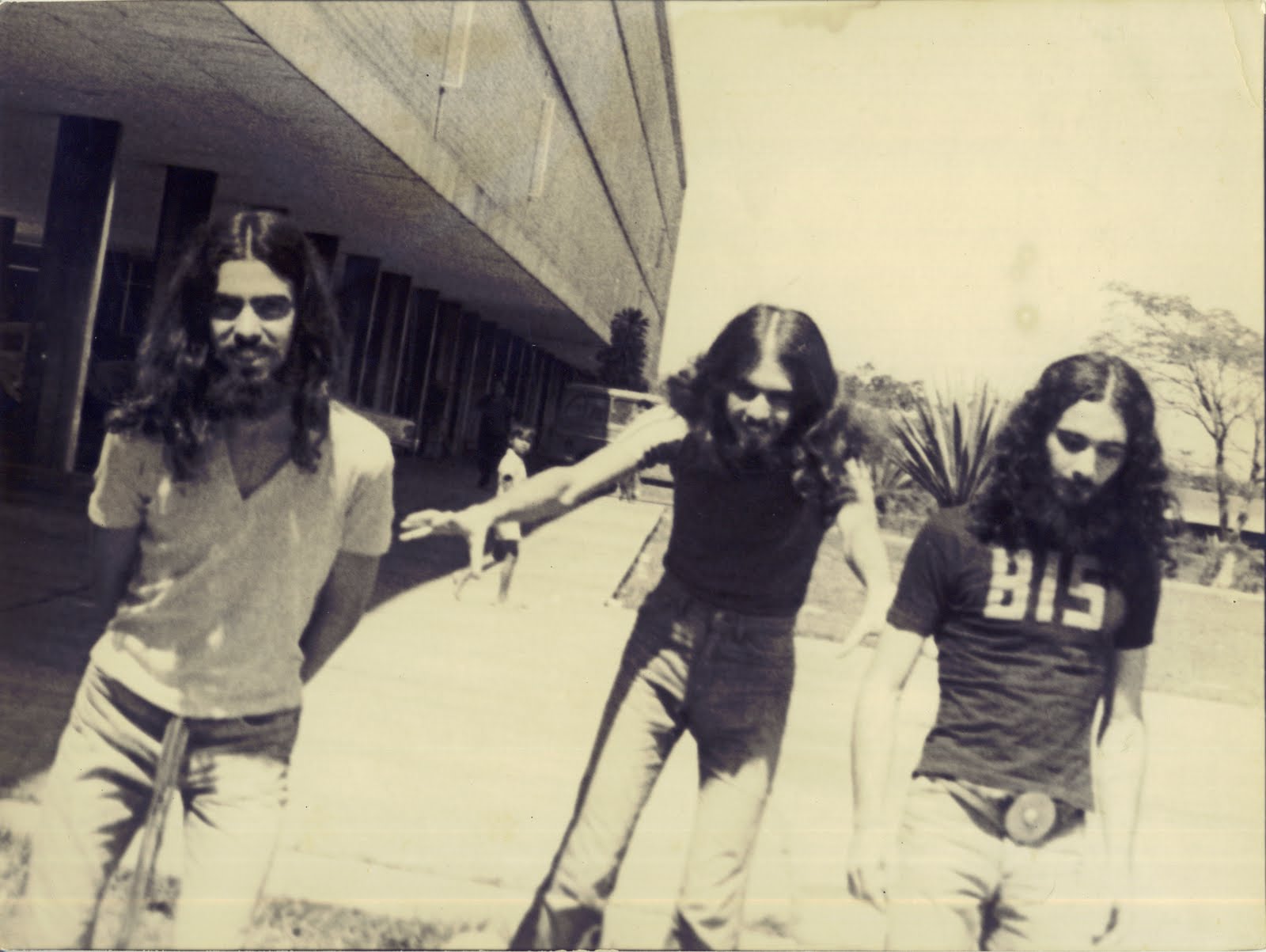
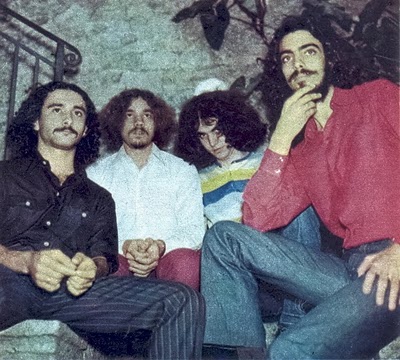
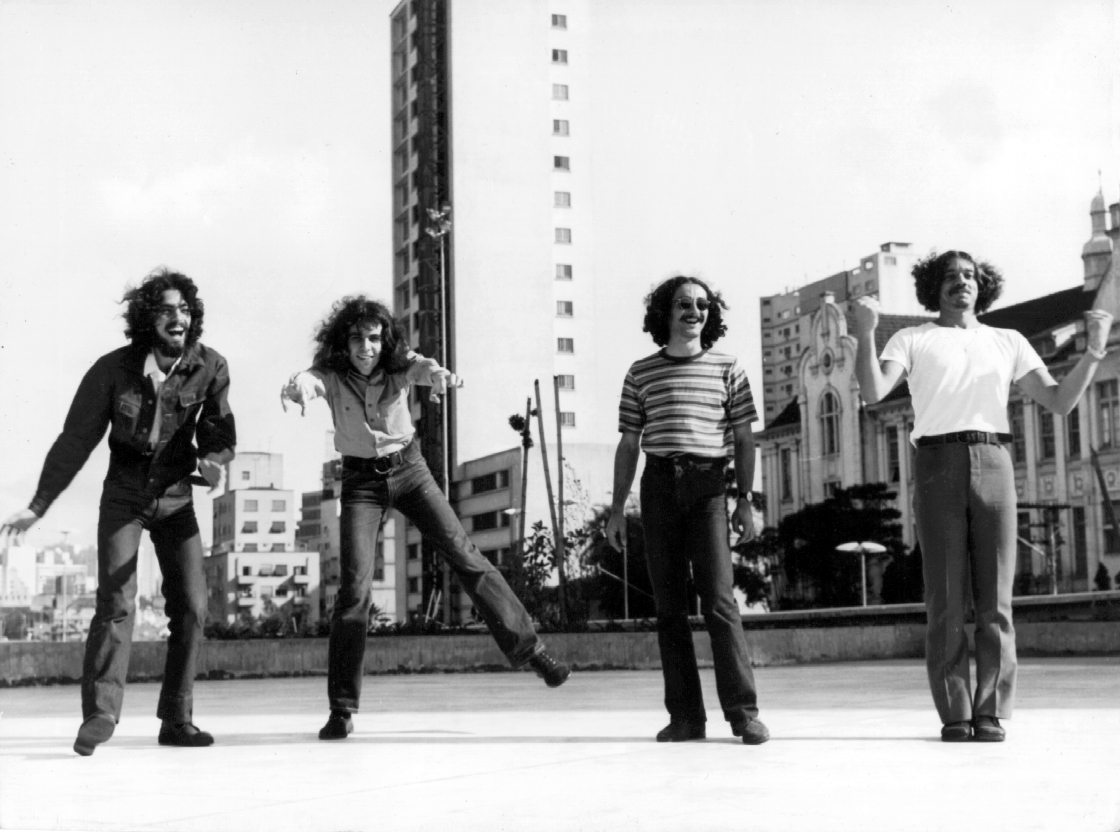
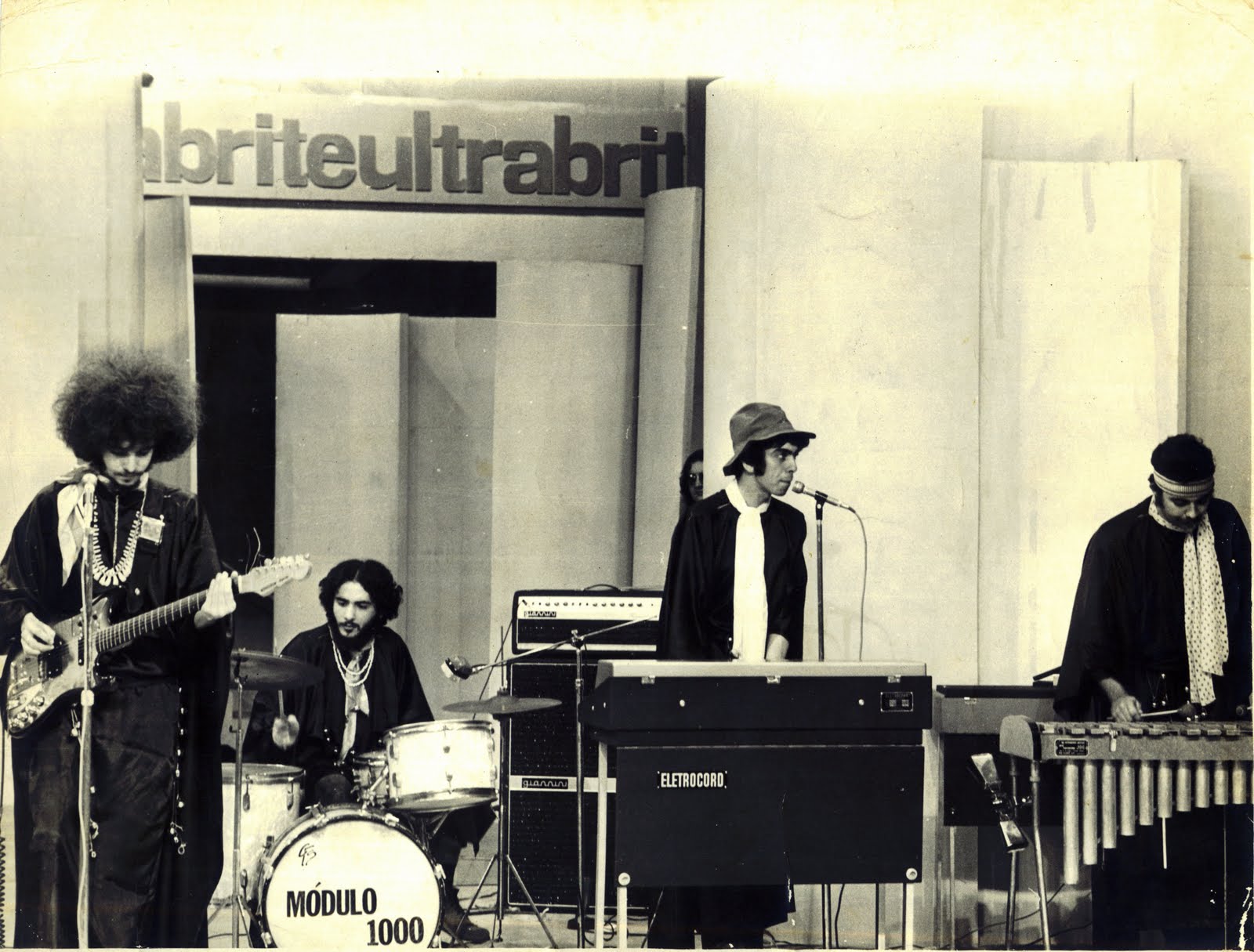
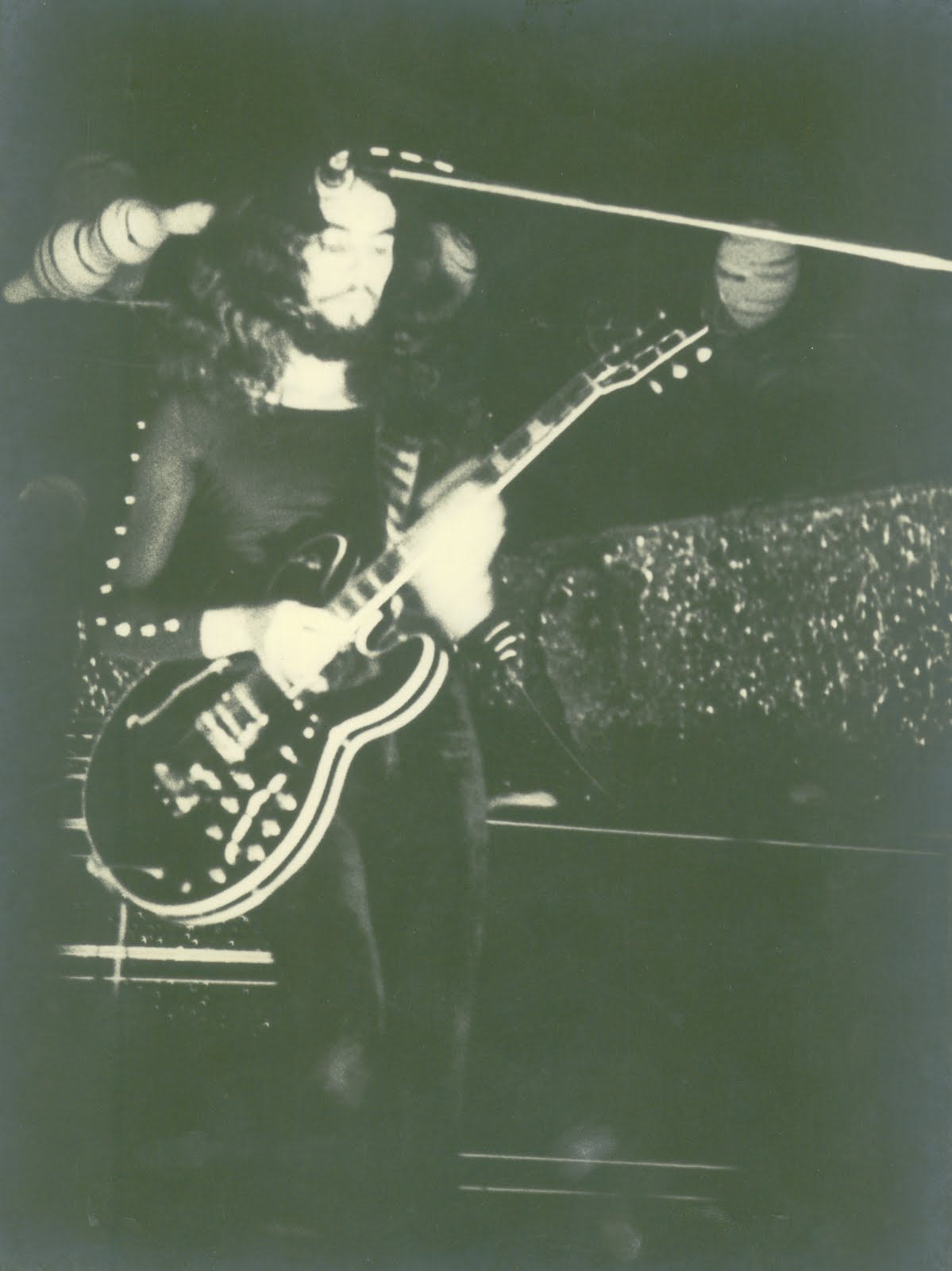
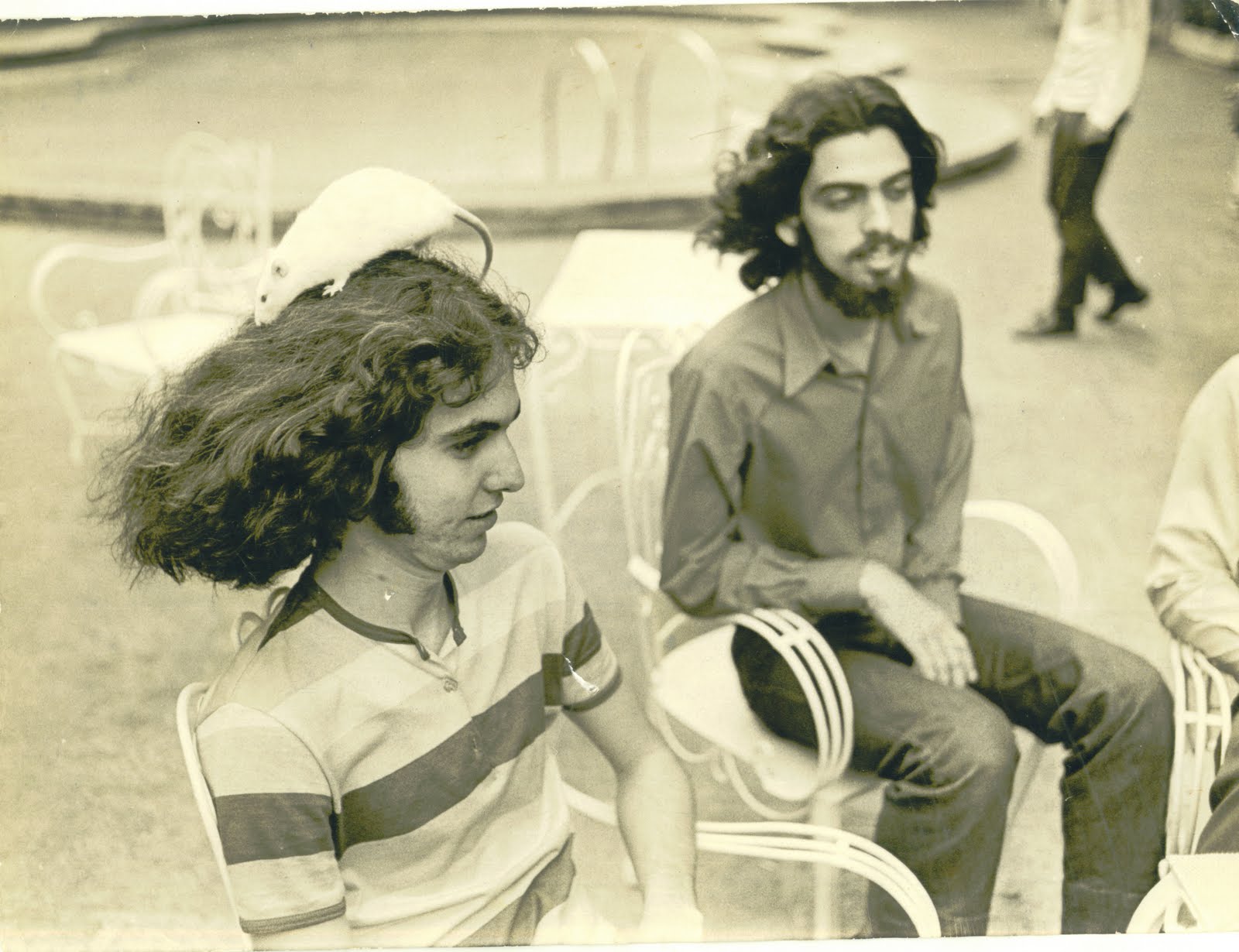
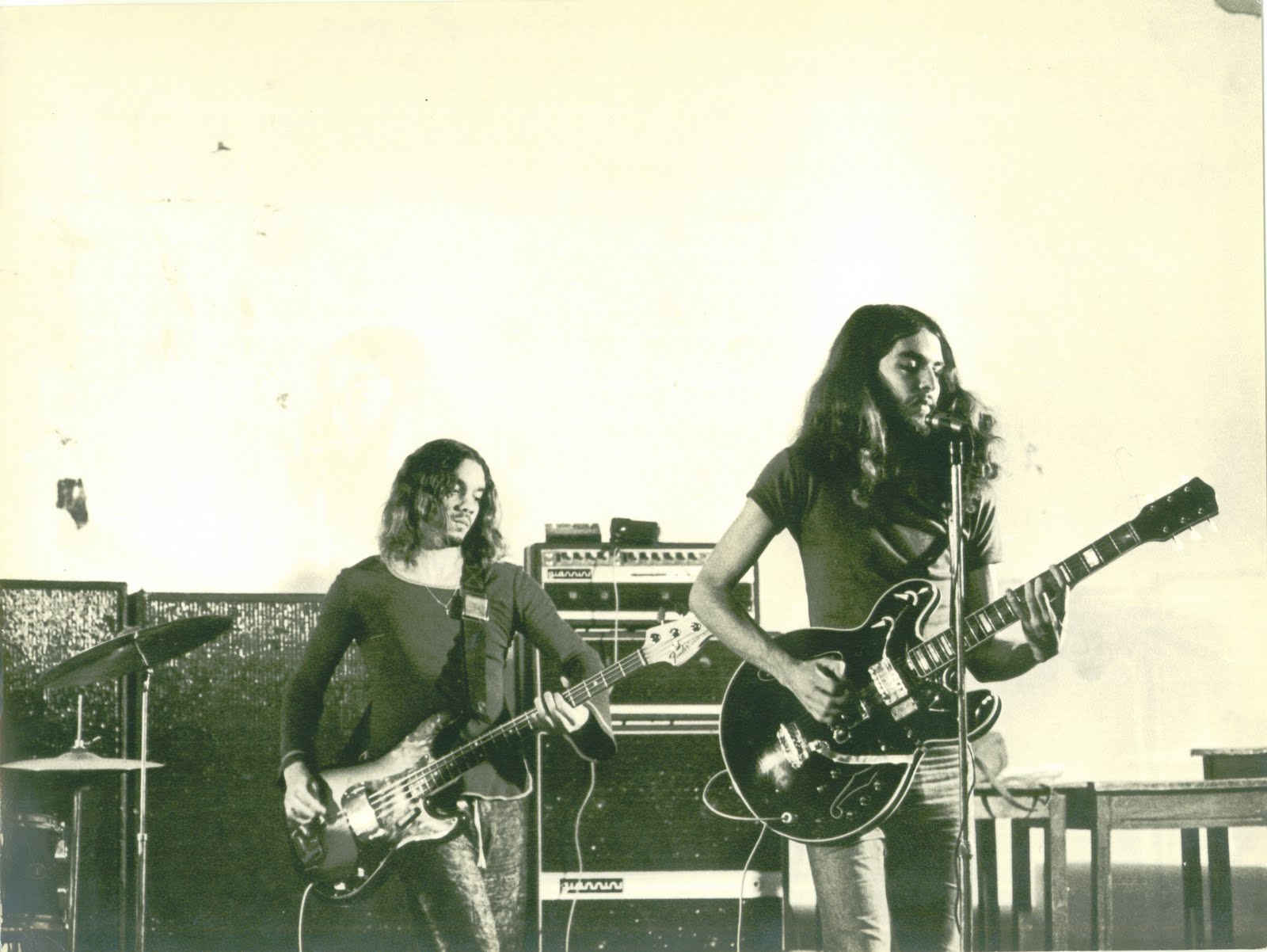
Headline credit: Módulo 1000: Eduardo Leal and Daniel C. Romani, from left to right.
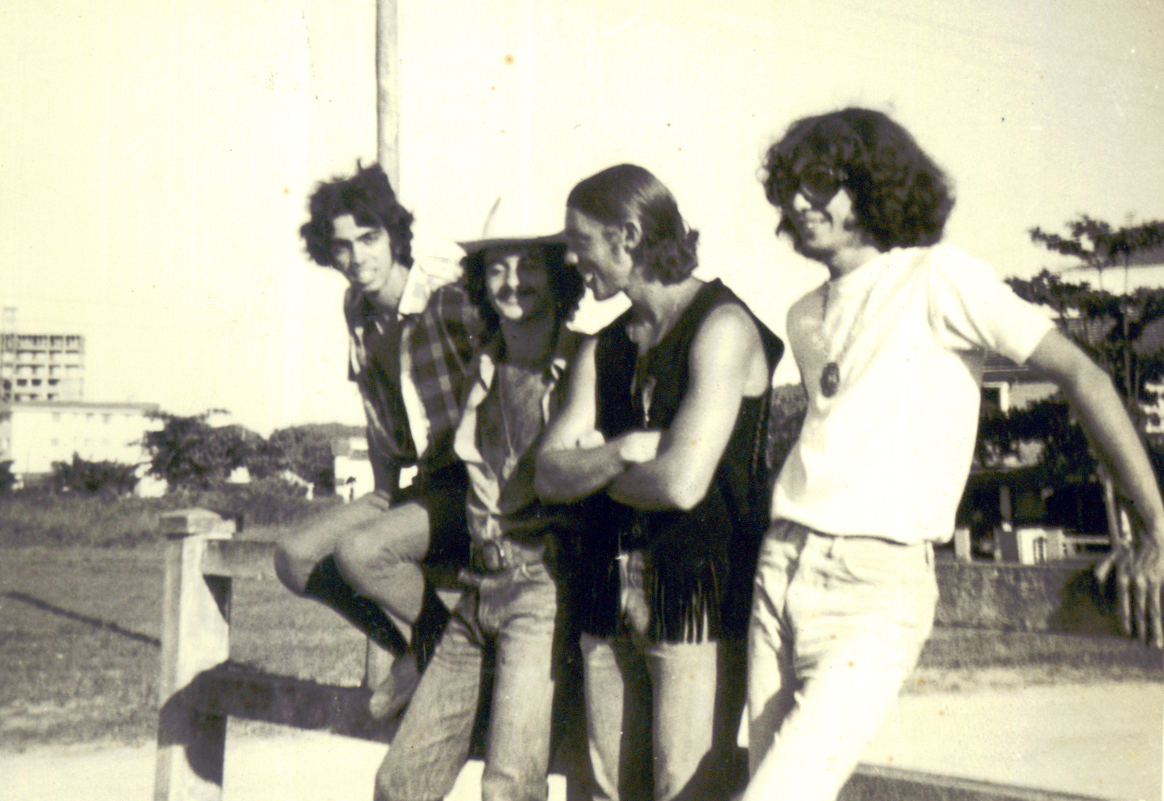
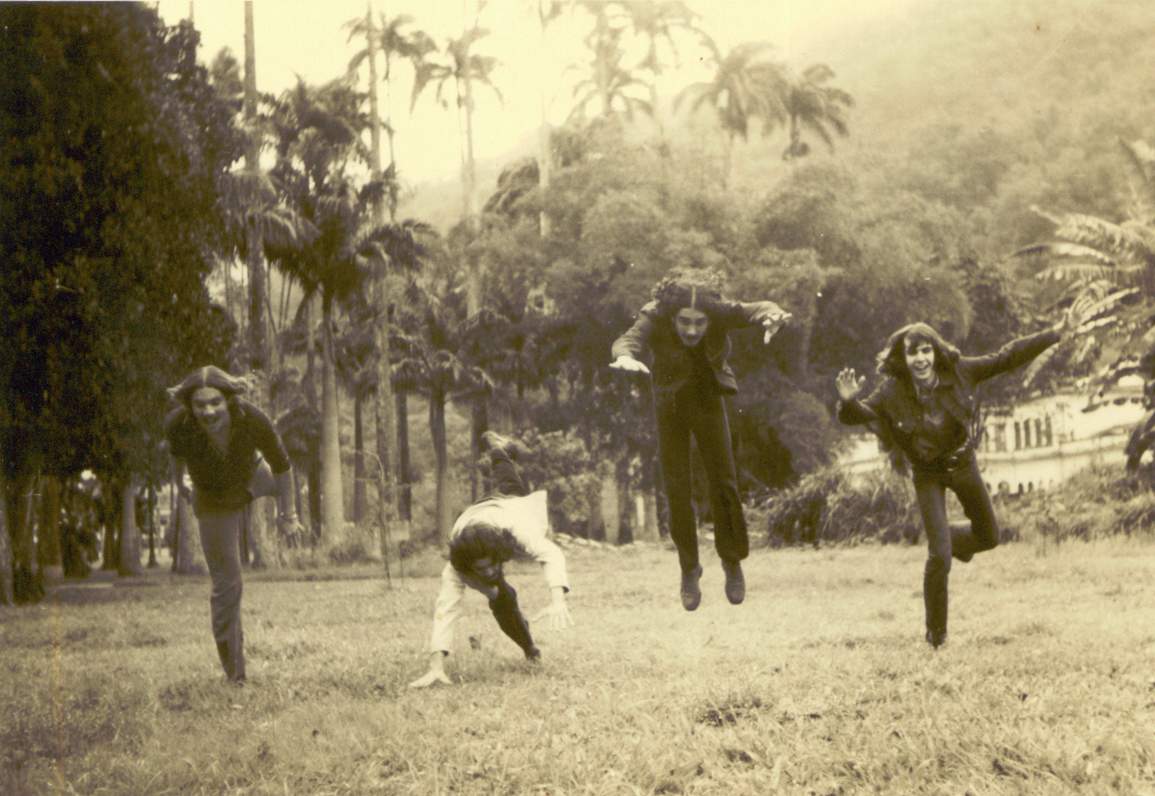
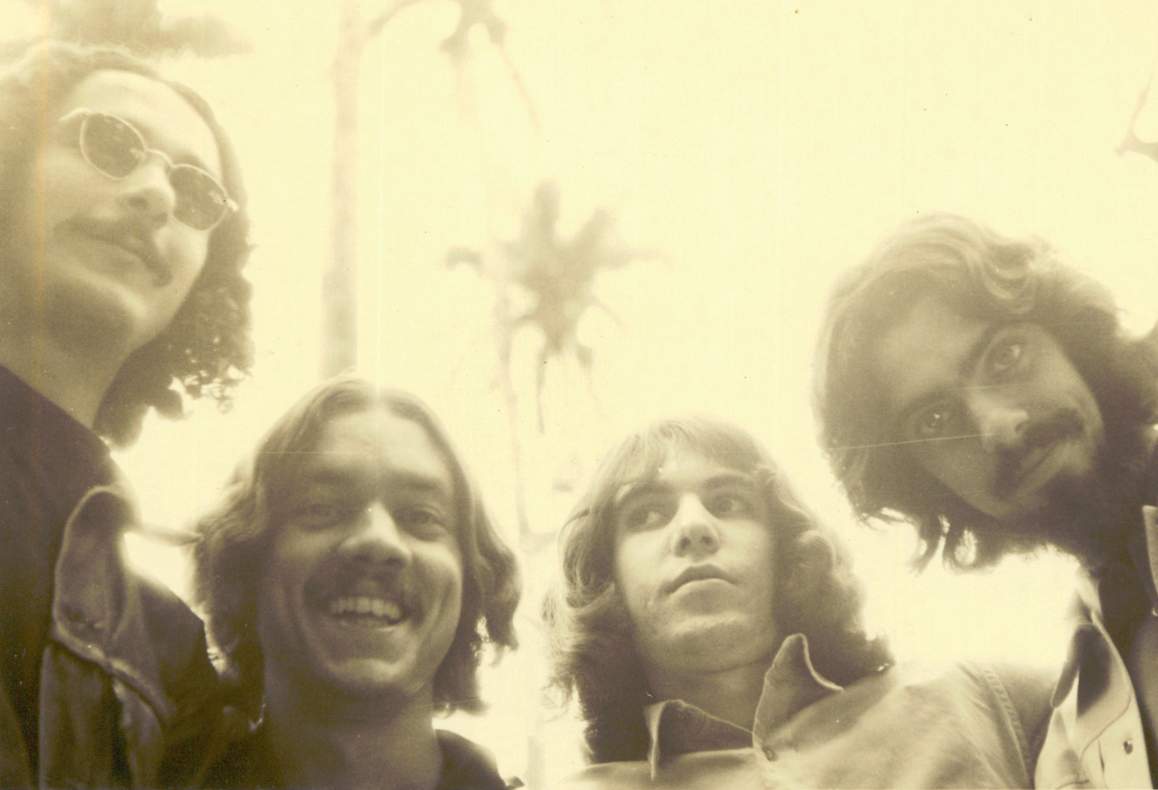
All photographs courtesy of Módulo 1000, used with permission.


I would like to congratulate klemen Breznika for the excellent interview with Daniel Romani & Luiz Simas.It was nice to know more about this Unique Brazilian Band ''MODULO 1000''.
Ricardo Millen