
the FVL. Interview: Reimagining a Lost Civilization Through ‘Land of Siesta’
Taiwanese experimental electronic project the FVL. brings together Hom Yu of psychedelic duo Mong Tong and sound designer and audiovisual artist Chiayu.
Formed in 2024, the project’s debut album, ‘Land of Siesta’, combines folk-inspired science fiction with tribal ambient, ceremonial percussion, bass-driven psychedelia and dreamlike electronic textures. Released by PFR Records, the album takes its name and central inspiration from Favorlang, an extinct Austronesian language recorded in Taiwan during the Dutch colonial period.
The record imagines an alternate landscape in which memory, ritual and technology exist together. Its starting point is the colonial concept of “tropical neurasthenia”, once used to describe the exhaustion, disorientation and melancholy supposedly caused by Taiwan’s climate. Rather than repeating that outsider’s perspective, the FVL. turns it back toward the island itself, creating what the duo describes as “a sci-fi album that blurs the line between what’s real and what’s made up.”
Although ‘Land of Siesta’ moves between ambient music and rhythmic electronics, the group is not interested in making a conventional dance record. “We want our listeners to gently sway into the music,” they explain, describing the balance of atmosphere, groove and electronic experimentation that shapes the album. Their ambitions also extend beyond recording. Future performances may incorporate clothing, Taiwanese landscapes and symbols, incense and other sensory elements as the FVL. gradually develops into what they hope will become “a more well-rounded art collective.”
In the following interview, Hom Yu and Chiayu discuss the origins of the project, the history behind its name, the imagined island at the centre of ‘Land of Siesta’, and their plans to bring the FVL. to audiences beyond Taiwan.
“We Use Modern Music Technology to Reimagine a Lost Civilization”
How did the two of you first begin working together? Was there a certain concept you had in mind?
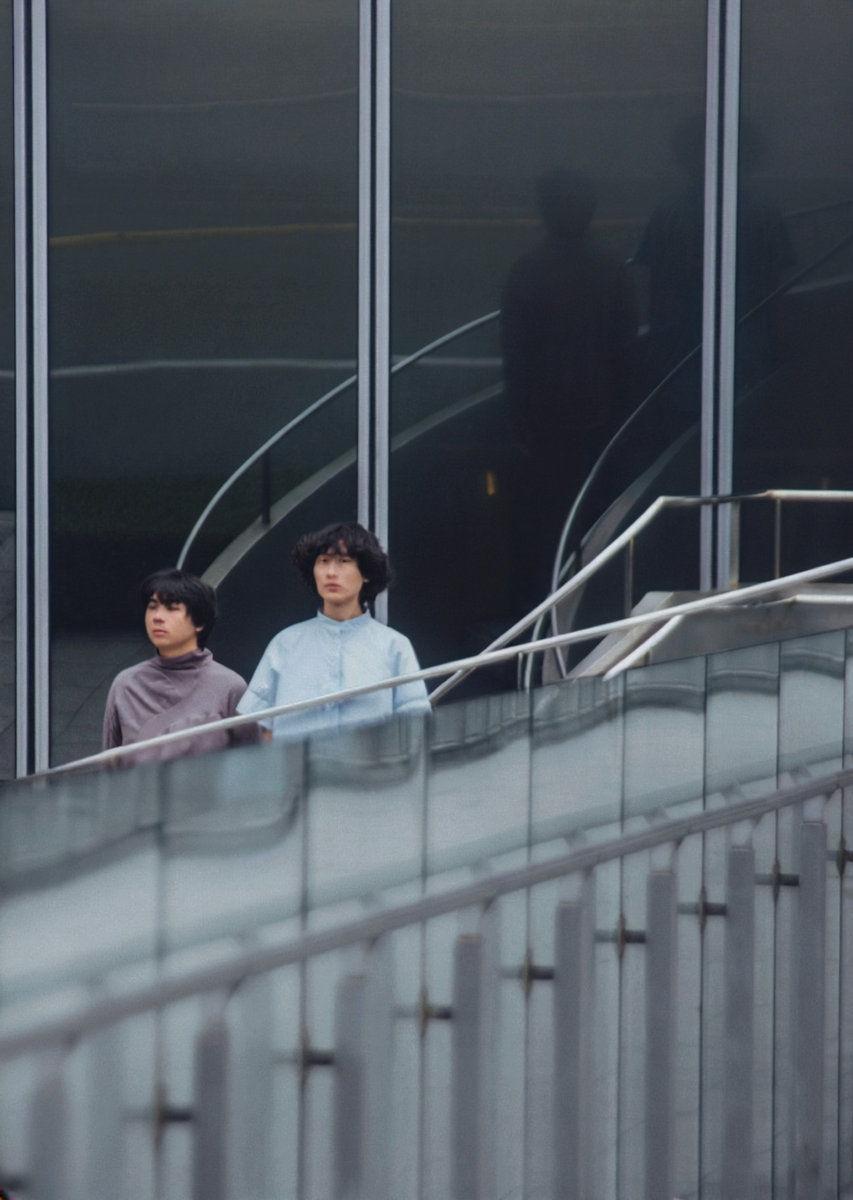
Hom Yu is the founder of the band. He wrote most of the demos for the ‘Land of Siesta’ album and later invited sound designer and audiovisual artist Chiayu (CYH) to join the group. At the beginning, we tried to create something new with a folk-inspired sci-fi narrative.
Hom Yu comes from Mong Tong, while Chiayu works with sound design. What unique contributions does each of you bring that the other person would not have managed alone?
Hom Yu: I wanted to try something different from Mong Tong, so this is my attempt at modern sounds and music technology.
Chiayu: I’m in charge of Favorlang’s background, its sci-fi elements, and also some aspects of the sound design, album design, and visuals.
The name comes from Favorlang, a lost Formosan language recorded during the Dutch colonial period. What first pulled you toward that word? Was it the sound of it, the history behind it, or the feeling of something erased but still somehow present?
Some scholars in Taiwan study Favorlang culture, and there are also organizations that actively promote it and make it more accessible to the public. So, for me, using Favorlang as the band name also carries a sense of spreading awareness about it.
The album takes the colonial idea of ‘tropical neurasthenia’ and turns it inside out. That is a strange and fascinating starting point. What interested you about turning an outsider’s sickness story into a Taiwanese sonic landscape?
This term isn’t really talked about in the same way that the N-word still is today. We’re bringing back this outdated perspective to get people’s attention and encourage everyone to do some Googling and learn about the heavy history behind tropical regions today, even if the music is chill.
There is something very humid and half-asleep about the record. It feels like animals, heat, memory, old ritual, and machines all moving through the same mist. Were you trying to make a place, a myth, or a kind of dream map?
Sure. As we mentioned before, we’d like to use modern music technology to reimagine a lost civilization and basically create a sci-fi album that blurs the line between what’s real and what’s made up. This is like our interpretation of the Favorlang language.
The track titles are so direct: ‘The Frog’, ‘The Hen’, ‘The Eagle’, ‘The Magpie’, ‘The Millet’, and ‘The Cave’. They almost read like figures from an old tale. Did you imagine them as characters moving through the island?
Yes and no. Initially, we just wrote songs without names. We definitely had pictures in mind, but they were mostly views rather than objects. Later, when we had finished all the tracks, we went back to naming them. The final titles were decided according to how they sounded on this imaginary island.
A lot of electronic music feels urban, but this album feels rooted in land, weather, and night air. How much of it comes from real places in Taiwan, and how much comes from places that only exist in your heads?
Compared to major cities in Europe and America, Taipei definitely isn’t as ‘urban’. It has more of that Southeast Asian humidity, great food, and plenty of scooters everywhere. Maybe we, as people who live here, unconsciously bring these feelings into our artwork.
People may reach for names like Jon Hassell, Brian Eno, Boards of Canada, or Aphex Twin to place the sound. Do those references make sense to you, or do they miss the more local ghosts inside the music?
We won’t deny that we’ve been influenced by these artists, but we are sure that the main influences during the production process came from Taiwan’s climate and our own story settings. These are all artists we respect, of course, but they are in our minds rather than ‘being ghosts’.
The record has rhythm, but it is not just a dance record. It has atmosphere, but it is not just ambient either. How did you know when a track had enough movement without breaking the spell?
We created what we call ‘the FVL. guidelines’ to help with our creative process. Basically, it’s about finding the right balance between groovy, ambient, and electronic genres. We want our listeners to gently sway to the music, not dance hot and heavy as they would in a club. I guess it’s our own ‘spell’.
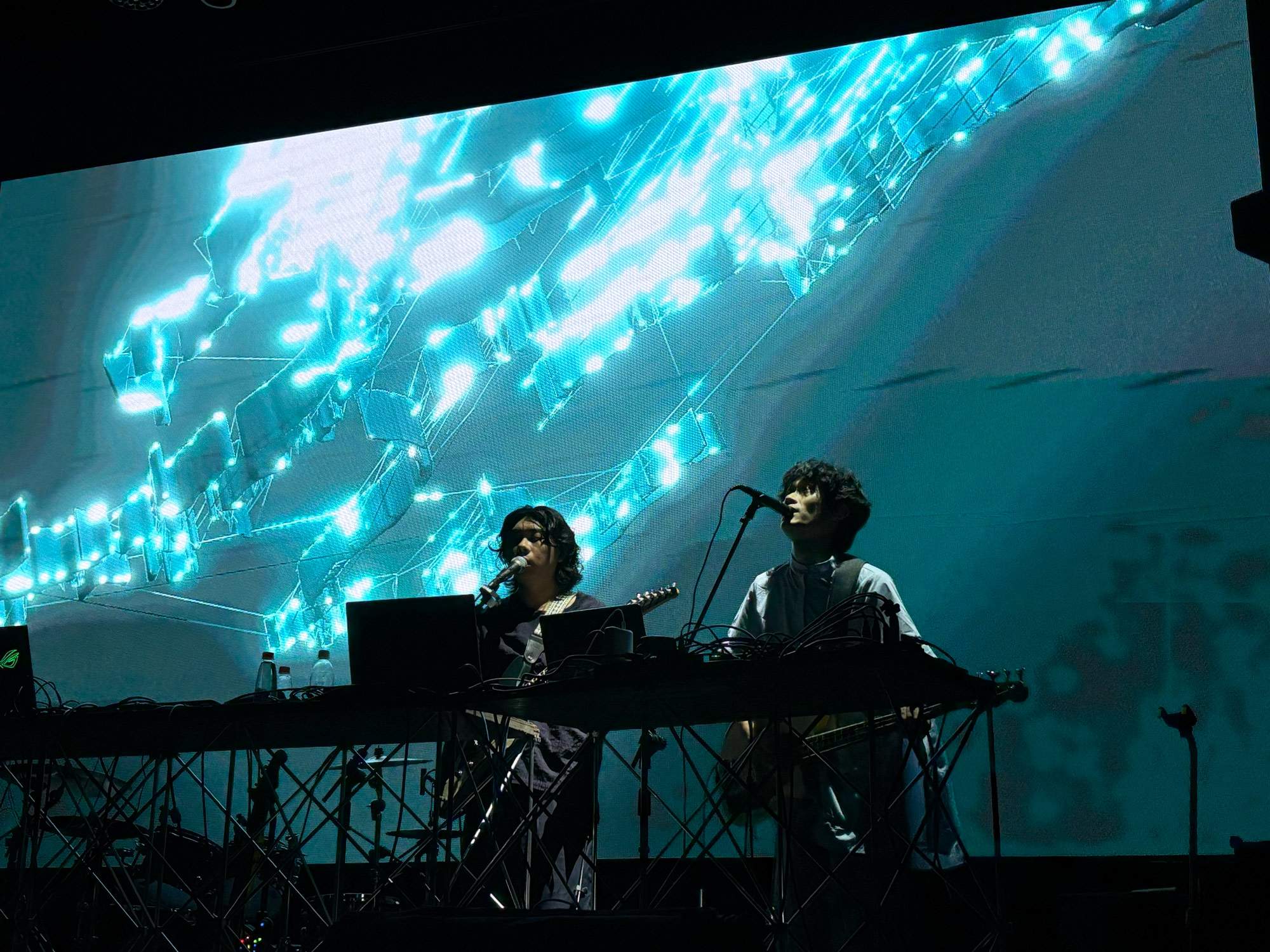
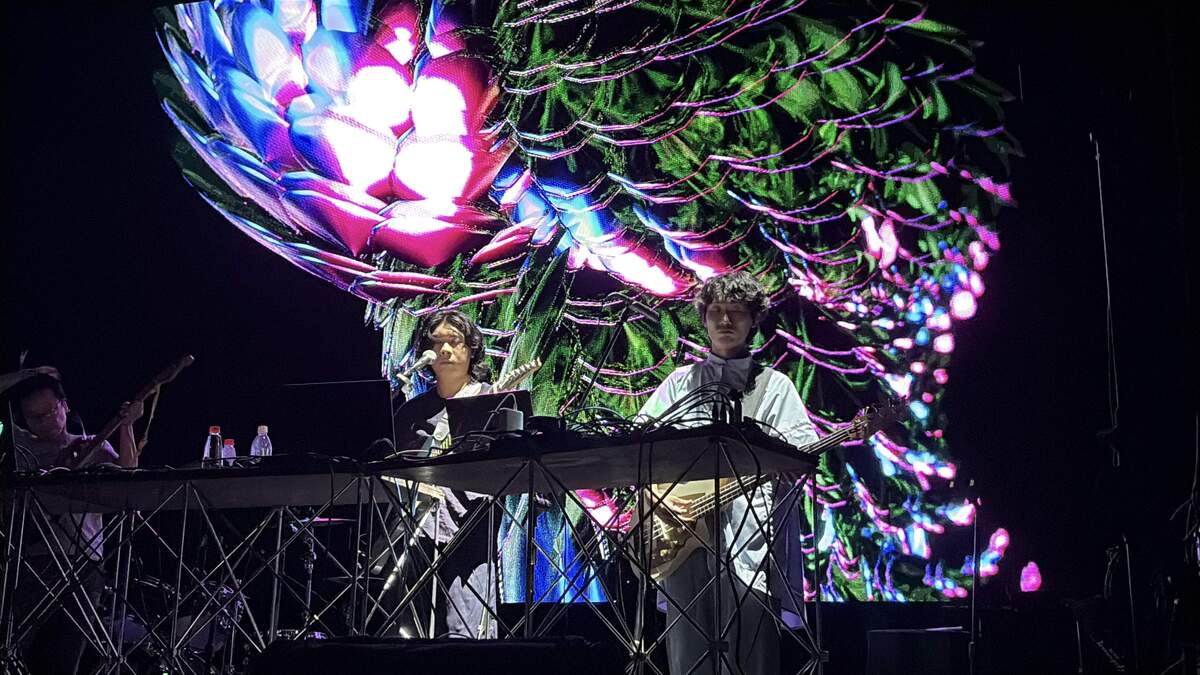
The FVL. is also described as an audiovisual project. When people see you live, what should happen that cannot happen on the record? Is it more physical, more ritual, or more like stepping onto the island?
We’re working hard to explore different elements beyond music and audiovisual material. For example, things we’d like to incorporate into our live shows include clothing, visual symbols such as Taiwanese landscapes and objects, scents such as incense, and so on. We hope to move towards becoming a more well-rounded art collective.
You are active in Taiwan and planning to bring the project to New York and possibly across the US. When this music reaches listeners who may know nothing about Favorlang or Taiwan’s layered history, what do you hope they feel first, before they try to understand it?
It’s totally fine to watch our performance without thinking too much or needing any background knowledge. If you’re interested in what you see after the show, you can learn more about us through interviews, live performances, and offline events!
What’s next for you?
We are currently working on our next album and booking tours. We hope everyone will enjoy the album and that it will bring us more opportunities to book shows around the world.
Klemen Breznikar
The FVL. Facebook / Instagram / Bandcamp
PFR Records Website / Facebook / Instagram / Bandcamp