
The Burgers Interview: ‘Bedroom’ and Who Decided That One Person Cannot Make Punk Music?
The Burgers did not come together in the usual way one might expect of a punk band.
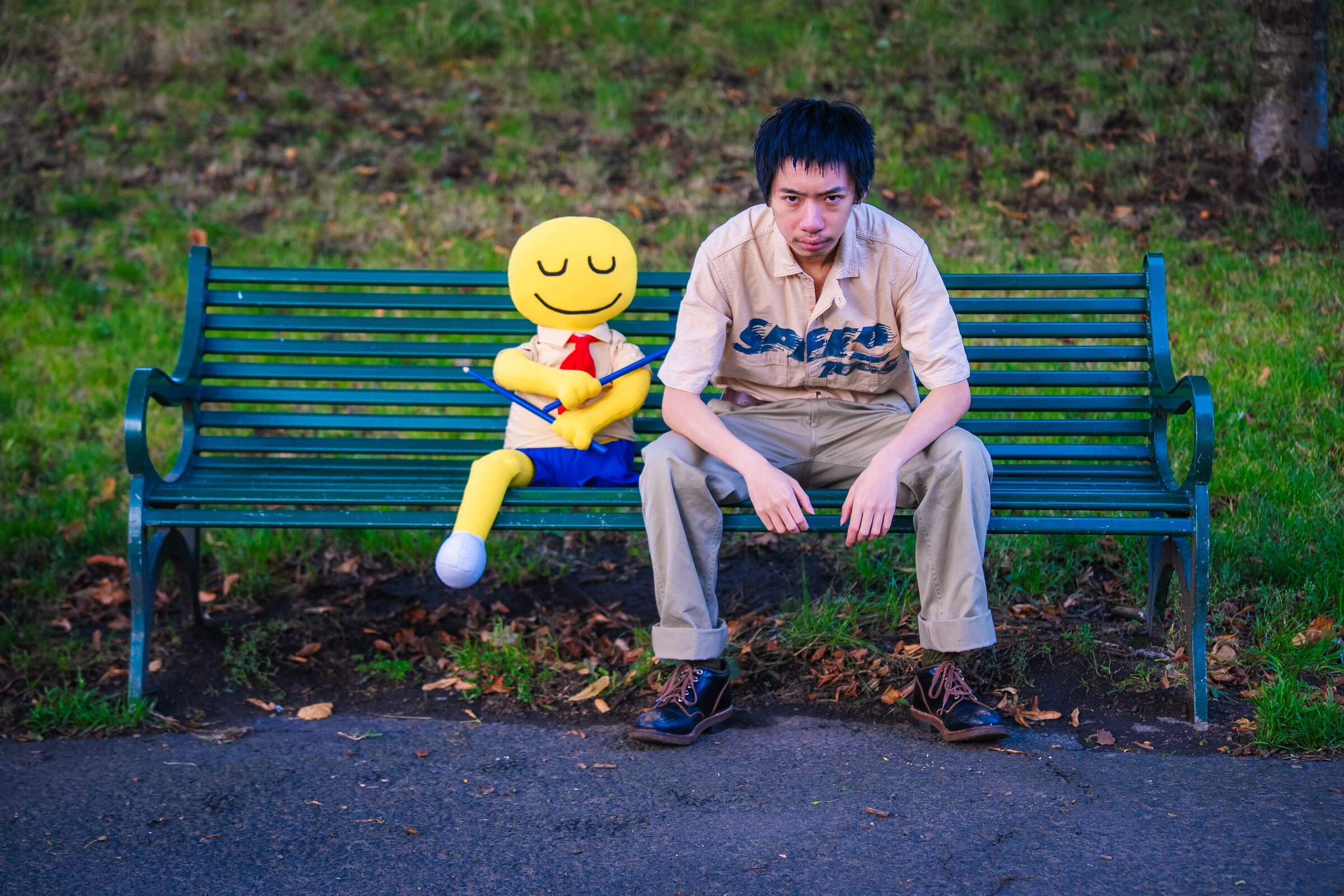
Well, as it turned out, the early plans for a proper band rather fell apart, and after a fair bit of fruitless searching for dependable musicians in Glasgow, things simply had to be done differently, so it all carried on with backing tracks, a puppet drummer and a sort of refusal to wait around for anyone’s say-so, which is when the question came up, really, of who on earth decided that one person couldn’t make punk music.
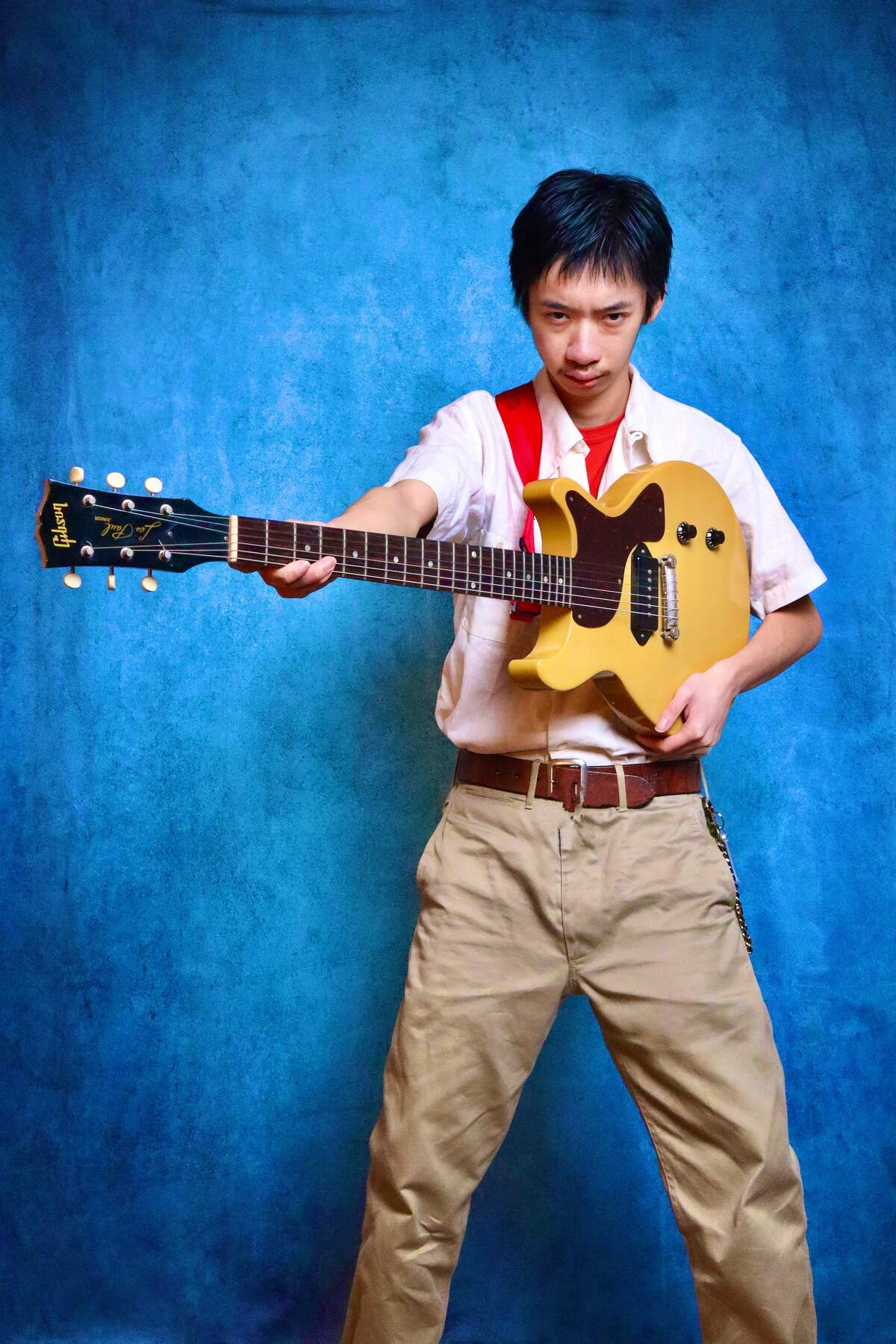
Born and raised in Beijing and now based in Glasgow, the songwriter speaks candidly about isolation, the limitations of DIY culture and the gap between punk’s claims of openness and the reality of scene policing. There is little romanticism in his description of independence. It has meant organising his own shows, contacting hundreds of media outlets and radio stations, and spending money intended for everyday living on promotion, often leaving little time to make music.
The conversation also covers the influence of Beijing and Glasgow, the transformation of acoustic folk songs into three-piece punk arrangements and an upcoming first visit to Japan. At its centre is a simple question: who gets to decide what a punk band is allowed to look and sound like?
“If that is their punk spirit, I am very happy that I have never been one of them.”
The Burgers seem to reject a lot of accepted ideas about how a band should operate. Was that always intentional, or did necessity shape your philosophy?
At the beginning, I naturally wanted to have a traditional band. When I was fifteen, I made a promise to a close friend that we would start a band together. But later, he became exactly the kind of person we used to hate and betrayed me in the most brutal way. After moving to Glasgow, I spent half a year trying out more than ten drummers and bass players. But they either disappeared for no reason or simply could not play the rhythm parts of the songs. Eventually, I had no choice but to hire two session musicians, even though it meant losing a lot of money at every show. Then I discovered that my session drummer had scammed me out of money.
Looking back now, I was naive. I thought that if I made myself like everyone else, I would be accepted. Who decided that one person cannot make punk music? Who decided that only people who have a group of friends, who are loved and who have support have the right to create and perform? This is not me trying to comfort myself. I genuinely believe that what I am doing now is more meaningful than anything I have done before. I hope that decades later, when people talk about punk music, they will remember that there was once a fool who performed with a puppet drummer.
What are the biggest misconceptions people have about DIY artists?
I think the biggest misconception people have about DIY artists is that they think being a DIY artist is something cool. It is completely the opposite. A real DIY artist is often in a miserable and embarrassing situation. Perhaps the reason people have this impression is that many visible DIY artists are just using DIY as a label.
Independence gives you freedom, but what are the sacrifices that people don’t always see?
To be honest, I have never felt that independence has brought me freedom. For most artists, independence has never really been a choice. As a completely independent artist without support from a label or a community, I must dedicate most of my time to things that have nothing to do with music. I must organise all my own shows. I send hundreds of emails to media outlets and radio stations to promote my work, only to receive a single-digit number of replies. I also need to put almost all my living expenses into running social media advertisements. This leaves me with very little time to create. The industry tends to avoid talking about this and dismisses it as complaining, but this is simply the reality that independent artists face.
When you’re covering someone else’s work, how do you decide what absolutely must stay and what you’re willing to completely reinvent?
‘Bedroom’ is the second time I have adapted another artist’s work. For me, when adapting a song, the melody absolutely must remain, because once the melody changes, it is no longer the same song. In both of my experiences adapting other artists’ work, I transformed originally acoustic solo folk songs into traditional three-piece punk songs.
How did living in Beijing influence the songwriter you became?
I hate Beijing as much as I love Beijing. I was born there and grew up there. I love some things about that place, but those things are only imagined possibilities that could never happen. Eventually, I had to admit that it perhaps has the dirtiest underground rock scene in the world. This is also one of the reasons why I left. I know people want to hear stories about ‘Chinese rock’ or ‘Chinese youth’, but that is exactly the kind of narrative I have always tried to stay away from.
Glasgow has such a rich indie and punk history. Has living there changed your writing in unexpected ways?
Yes, it has changed my writing. Before coming to Glasgow, because of my love for indie pop, Glasgow was a symbolic and almost utopian place to me. But after coming here and experiencing some things in the local punk scene, I realised that it is ultimately the same as everywhere else in the world. These experiences inspired many of the songs on my album ‘Kick Fights to Lose’, especially those about scene policing and community correctness.
The Burgers perform with backing tracks and a puppet drummer rather than as a traditional full band. Have audiences become more accepting of that format?
Although I am happy to see that some people who are willing to accept new things appreciate this format, most audiences are still conservative, especially in a punk scene that claims to be open-minded. I think this is essentially a kind of physical worship: an obsession with the physical body, toxic masculinity and, in a certain sense, collectivism.
In punk culture, there is an expectation that a band must be formed by a group. It must be sweaty, chaotic, aggressive and masculine. Having a cute-looking puppet drummer breaks their narrow worldview. Many punk fans have made very mean comments about me online in the name of defending the punk spirit. They say that performing with a puppet drummer is exactly the opposite of the punk spirit, lol. But if that is their punk spirit, I am very happy that I have never been one of them.
You’re heading to both the UK and Japan next year. How do those audiences differ?
This will be my first time playing in Japan. Before this, I had never set foot on Japanese soil, so I am very excited because I will also get to travel there. From what I have observed, Japanese people seem to care more about the fun of music itself. Meanwhile, Western punk scenes seem to be more influenced by things like community and ideology, which can turn music into a tool.
Headline photo: clarkjamesdigital.com
The Burgers on Facebook / Instagram / Bandcamp