
Munju: High-Speed Fusion from the German Underground
Munju were part of the German independent music underground of the late 1970s, yet they consistently slipped past easy classification.
Formed in Würzburg in 1976, the group began as an instrumental fusion-rock band, with Jürgen Benz on saxophone and flute, Dieter Kaudel on guitar, Wolfgang Salomon on bass, and Thomas Römer on drums. Their music moved between jazz-rock, improvisation, funk rhythm, German underground rock, and later more compact songs with German vocals.
The band released ‘High-Speed Kindergarten’ in 1977, followed by ‘Moon You’, ‘Brot + Spiele’, and ‘Le Perfectionniste’. Across those records, Munju changed steadily without losing the core of the group: strong rhythm, open forms, humour, and a practical belief in doing things independently. In this interview, Dieter Kaudel and Wolfgang Salomon look back on the rooms, labels, tours, instruments, and small decisions that shaped the band, away from the usual clichés about German rock of the period.
Garden of Delights will reissue ‘High-Speed Kindergarten’ in fall 2026.
“We had no one telling us what to do”
Munju seems to come out of a very specific place and time, but not in the obvious “krautrock cliché” way. Würzburg, mid-70s, after the first wave of German underground music had already happened. What was the actual setting around you when the band began in 1976?
Dieter Kaudel: It was a time when fusion was very popular, like Mahavishnu Orchestra, Miles Davis, Chick Corea, Stanley Clarke, etc. I was very young, and the other three were one generation above me, but it was a great time to make a band and play instrumental music.
Wolfgang Salomon: The core members of the band, Dieter Kaudel on guitar, Thomas Römer on drums, and Wolfgang Salomon on bass, played together from 1974 to 1988. Jürgen Benz, on saxophone and flute, left Munju in 1979. We came from free-improvised, rock-orientated music and decided to form a steady constellation rather than “bandhopping” with local session bands. Munju was meant to be a steady platform for our own music and ideas.
Before Munju, there were already earlier paths feeding into the band. Jürgen Benz had played with Missus Beastly and Erna Schmidt, while Wolfgang Salomon and Thomas Römer had been connected with Pozzokko. What did each of those earlier experiences bring into the first version of Munju?
Dieter Kaudel: Wolfgang brought in some “salsa” stuff, Jürgen brought in some nice melodies, and I had a band called Neffe Bruno that was more experimental. We used a lot of odd time signatures.
Wolfgang Salomon: One of the earliest paths in the 60s, before Pozzokko, was a project with Thomas Römer and a friend who played guitar. It was called “Ugly Songs.” This was really psychedelic and way-out experimental. The most important piece of our equipment was a Telefunken tape recorder. We positioned ourselves in the room so that the loud instruments were further away from the microphone, while the lead guitar had to play quite close to it. With a bit of luck, this produced a slight distortion that sounded very electric and contemporary. It was amazing what a wild sound we could get out of that “black-brown-is-the-hazelnut” guitar. The vocals, which primarily used onomatopoeic Dada lyrics, darted nervously back and forth between the sound elements. The result was more of a jarring musical experience. We then self-deprecatingly called the whole thing “Ugly Songs.”
Unfortunately, these first recordings, or rather the tapes, have all gone missing. What a shame!
If we walked into the rehearsal room in those first months, what would we have found? Bass rigs, guitars, saxophones, flute, percussion, maybe too many cables, maybe not enough money. What did the room look and sound like before there was a record?
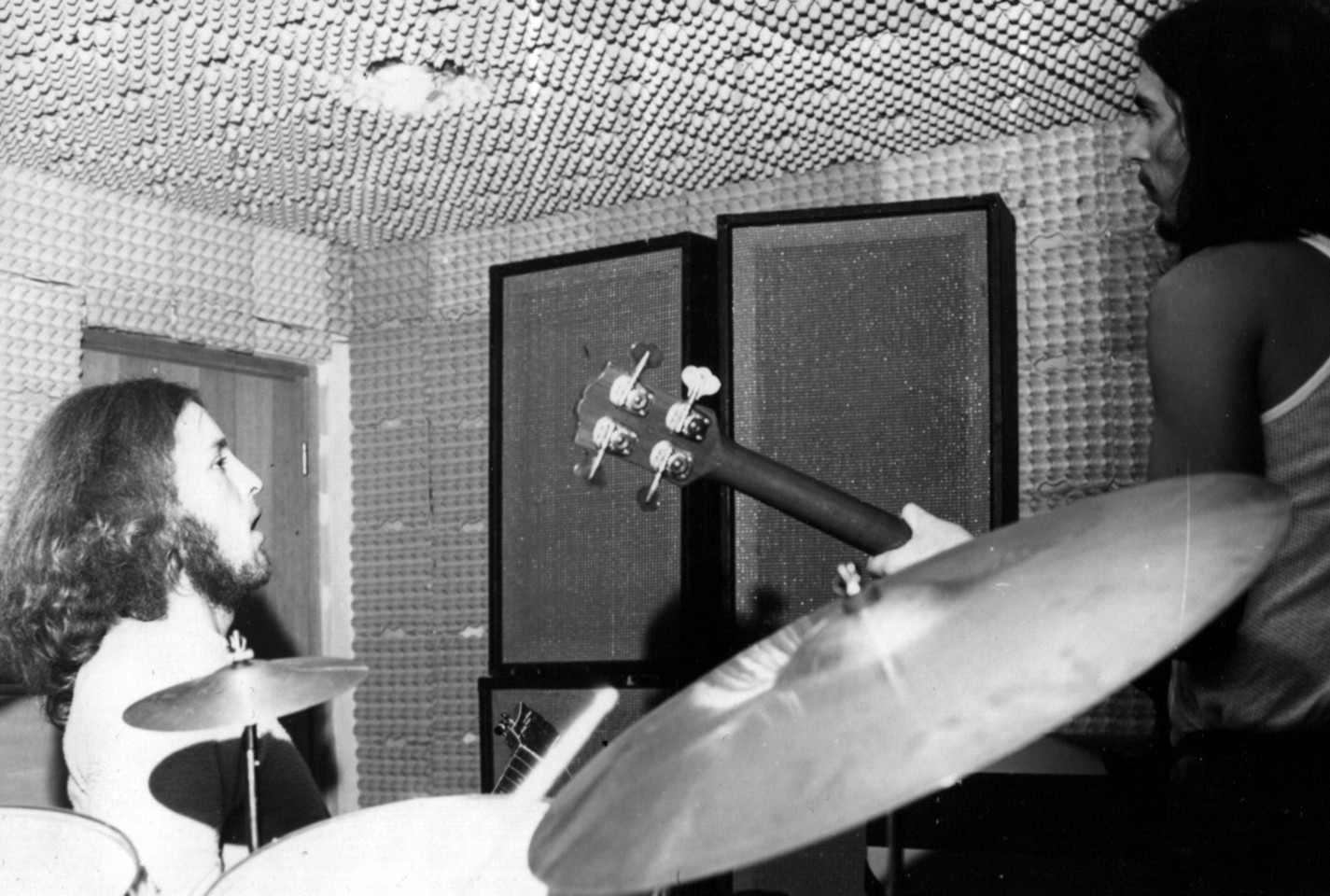
Dieter Kaudel: Our very first rehearsal room was a storage room in the small house our sax player lived in. There were no close neighbours, which was good. It was all very inexpensively soundproofed, and we had only our personal amps and instruments in there.
Wolfgang Salomon: Yes, it was like that in those times. The room was full of bass rigs, guitars, percussion, many cables, and you are right, not enough money. But we were privileged at that time to have a rehearsal room. The walls were equipped with egg trays, which was the cheapest way to get a halfway decent sound. Sometimes we had to stop the rehearsals because a Protestant service was being held on the first floor. Even in the Munju days, we still had a hard time getting a decent rehearsal room.
The first lineup is usually listed as Jürgen Benz on saxophone and flute, Wolfgang Salomon on bass, Dieter Kaudel on guitars, oud and vibraphone, and Thomas Römer on drums and trumpet. Did the music grow out of those instruments, or did the band already have a sound in mind?
Dieter Kaudel: The oud, vibraphone, and trumpet came in much later. The original setup was sax, bass, guitar, and drums, and somewhat after that we worked with a percussionist as a fifth musician.
Wolfgang Salomon: Yes, this was the first lineup for the first LP in 1977. Everybody, except Jürgen on sax and flute, was busy playing his instrument. Only in the 80s did we begin to use other instruments in our concerts.
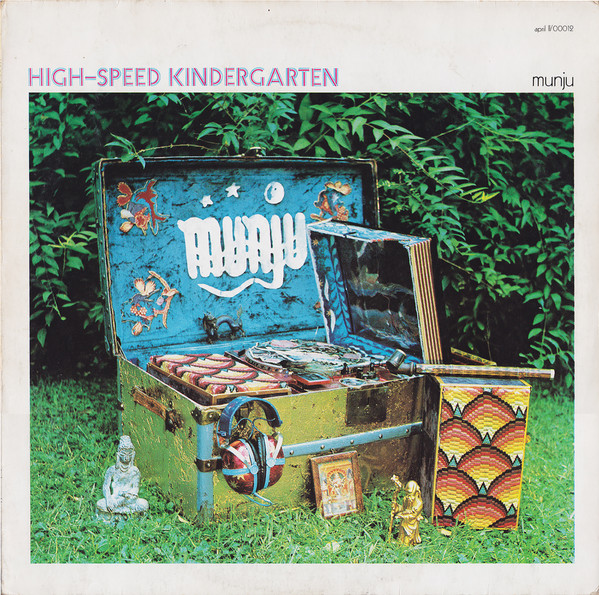
‘High-Speed Kindergarten’ came out in 1977 on April Records. When you listen back to it now, do you hear it as a debut album, or more as a document of the live band at that time?
Dieter Kaudel: It was a studio album, more or less. We played the tunes live all together and added a few overdubs later. It was our first album and we were learning. I did use a vibraphone on it that was available in the studio and fell in love with it, but it was many years later before I could afford my first vibe.
Wolfgang Salomon: I think ‘High-Speed Kindergarten’ is more like a document of a live band caught in motion. There are only a few moments developed in the studio. On the debut LP, we played the tunes the same way we played them live. We were occupied with playing our own instruments and didn’t dare to discover and use the possibilities of the studio, because we did not have enough experience with recording technology at that time. Only the title track, ‘High-Speed Kindergarten’, differs from the architecture of the other titles.
Where did the title ‘High-Speed Kindergarten’ come from?
Dieter Kaudel: There was a kindergarten pretty much next to the studio in Switzerland where we recorded the album. Twice a day, hordes of kids went by the studio, hence the title of the album. Plus, we liked fast tempos.
Wolfgang Salomon: ‘High-Speed Kindergarten’ is a musical collage in three parts, recorded at Munich’s Fun Studio in July 1977. It begins with a quiet, rather subdued A section, followed by a “studio-live-voice improvisation” together with the April-Süd men’s choir, featuring Uve Müllrich, Othmar Schreckeneder, and many others. This B-improvisation section ends with a scolding youth worker. The directly following C part has an outstanding flute solo by Jürgen Benz, which was typical of Munju’s music during this early phase of the band.
The bass has a very strong role on the first record. Was that planned from the beginning, or did it develop naturally once the group began playing together?
Dieter Kaudel: Wolfgang was, and is, a killer bass player and musician. He and I worked together a lot besides our band rehearsals. It just developed naturally this way.
Wolfgang Salomon: At the end of the 60s, the emancipation of bass players did not stop at the German rock scene either. Helmut Hattler of Kraan, Holger Czukay of Can, Norbert Dömling of Missus Beastly, Uve Müllrich of Dissidenten, Ralf Hütter’s basslines in Kraftwerk, and some others developed the function and sound of the bass into a much more significant role in the band sound.
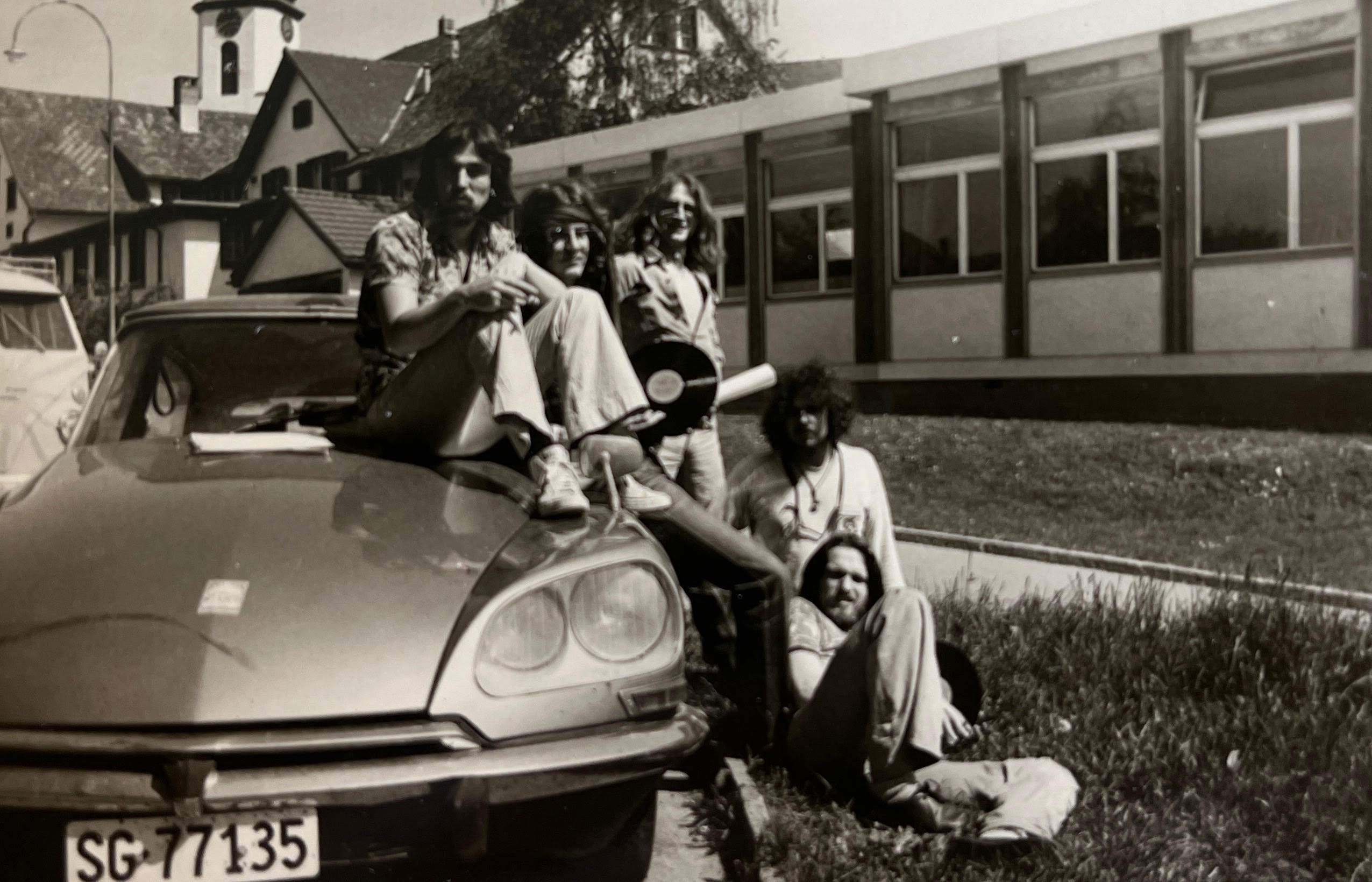
Dieter’s guitar on the early recordings does not dominate in a standard rock way, but it often cuts through at important moments. How did the guitar function in the first Munju sound?
Dieter Kaudel: Well, that is just the way it worked out for me. I definitely was, and still am, into fusion more than standard rock. I used clean guitar sounds quite often. I remember when I first heard a real jazz guitar player on the radio when I was 12 or so, and I thought, what is that? I found it super interesting. But since I was self-taught and never got a real musical education, what you hear is what naturally came out of it.
Wolfgang Salomon: Dieter Kaudel’s guitar playing was quite special and his own. He was quite nimble on the guitar, as was the style back then. He was also very smooth with his chords and licks when it came to driving the music forward.
Jürgen Benz was performing on alto saxophone and flute. His playing was the breathing ingredient in our music. Together, it worked very well for the group sound. This was one of Munju’s trademarks.
Thomas Römer was a pagan and psychedelic drummer who could play uneven rhythms like 5/4 or 7/4 in an elegant, skilful, and powerful manner. This was the main reason the audience started dancing, the longer the concert went on, even to these uneven beats.
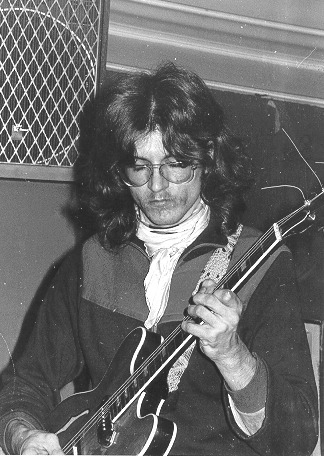
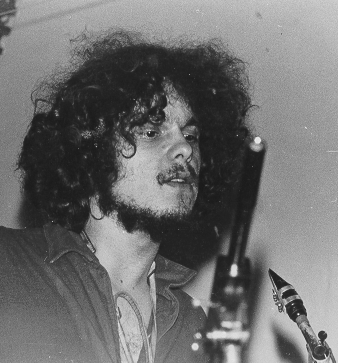
How were pieces like ‘Kirschsuppe’, ‘Talk to Me But I Listen to You’, or ‘Patschamenga Underground’ built? Were they written as heads with open spaces, or did they grow from long jams that slowly became compositions?
Dieter Kaudel: The general themes and framework of a song usually came from one of us, but then specific personal parts were added or altered by other band members. ‘Talk to Me But I Listen to You’, for example, was my composition, and the opening theme is actually the part that literally spells out the title rhythmically: “talk-to-me-but-I-listen-to-you.” The chord part for the sax solo was specifically geared for Jürgen to play some very nice floating lines.
Wolfgang Salomon: Both ways. Written as heads with open spaces, and also growing into compositions after some sessions where everyone could contribute their ideas. However, it was an advantage if you could play the riffs or melodies yourself. We had many ways of creating our music. The form was quite simple then, mostly an A head theme, a B solo improvisation part, and a C part as a variation of the head theme.
The move from April into the Schneeball orbit seems important. Schneeball wasn’t just a label in the ordinary sense; it came out of a cooperative independent structure with bands like Embryo, Missus Beastly, Ton Steine Scherben, and others around it. How did joining that world affect Munju, practically and musically?
Dieter Kaudel: It was a label and it provided some distribution opportunities. In my opinion, it did not affect us musically in any way. We always did our stuff no matter what, but it got all of us festivals like Umsonst & Draußen, etc.
Wolfgang Salomon: In 1976, the bands Ton Steine Scherben, Embryo, Missus Beastly, and Sparifankal founded Europe’s first independent label under the name April. After a legal threat from Warner Brothers, who operated a publishing company with the name April, the label was renamed Schneeball and belonged to the alternative movement in the former BRD.
These days, the label “alternative” has taken on a completely different meaning and was hijacked by a strange movement.
At a time when a small number of corporations dominated the music market, Schneeball relied on self-organized direct distribution, without significant financial reserves, but with collective responsibility and mutual support.
The Umsonst & Draußen festival in Vlotho was important. The new generation of Schneeball artists appeared, including Munju, Moira, Checkpoint Charlie, and the Real Ax Band.
For Munju, it was the right decision to join April / Schneeball, because we wanted to work independently of major labels and make a sustainable living from music. The new task was to organize the distribution of our self-produced records in addition to managing the band. We knew almost all of the musicians from Schneeball from earlier days and bands, or had at least jammed together before. In the early days of “Vertrieb der Musiker,” things were sometimes chaotic, but on the other hand, we had no one telling us what to do, bossing us around, or profiting from our tours, concerts, and other activities. Nearly all groups on Schneeball recorded at Etienne’s Sunrise Studios.
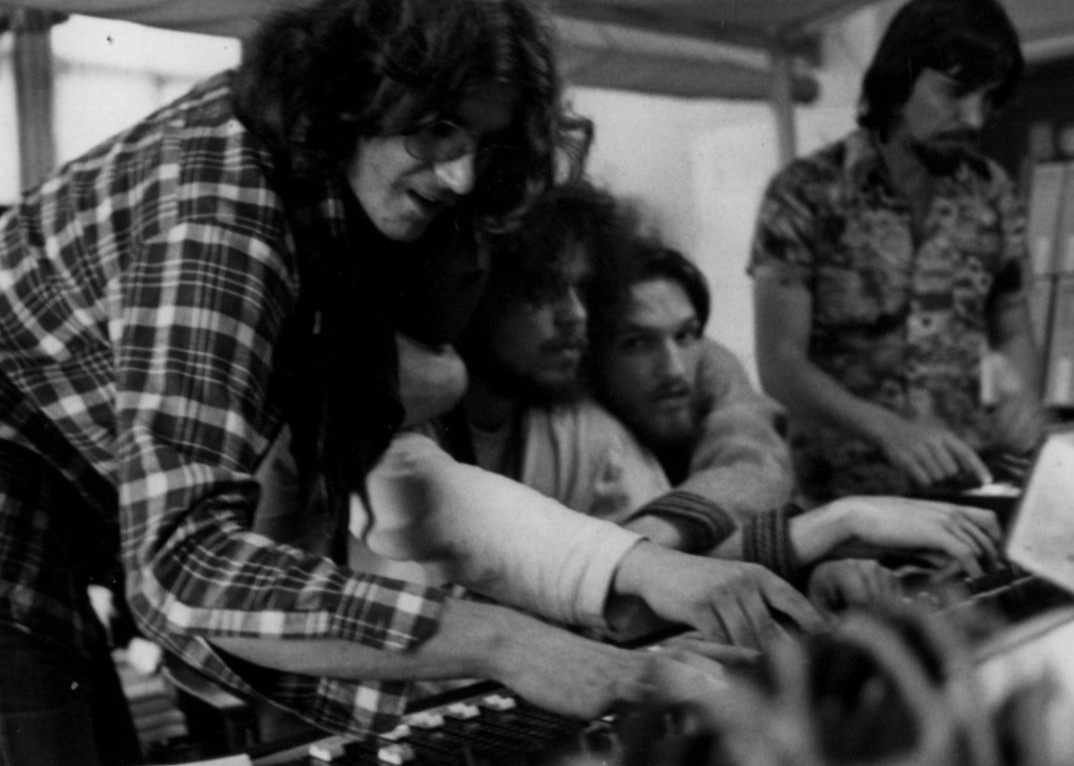
‘Moon You’ was recorded at Sunrise Studios in Kirchberg, Switzerland, with Etienne Conod and Ronny Kurz, and released on Schneeball. The record still has the instrumental Munju identity, but it feels a bit more spacious and shaped than the debut. What changed between the first and second album?
Dieter Kaudel: I think it was the experience of many gigs, and also more of Wolfgang’s musical ideas.
Wolfgang Salomon: ‘Moon You’, the second album, still has the instrumental Munju identity and was also recorded at Sunrise Studios in Kirchberg, Switzerland, in 1977. On ‘Moon You’, we used more of the possibilities of the studio, for example Etienne’s beautiful grand piano, his “Wehrli bells,” a special Swiss invention, and various sound devices like the vocoder, which was a new special effects device at that time.
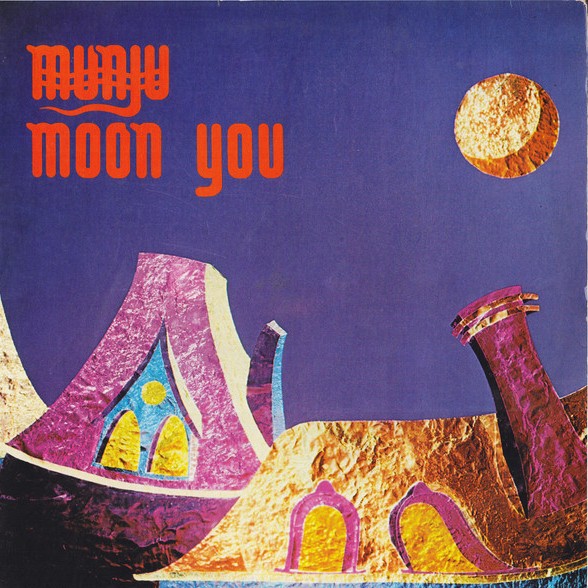
The LP has a kind of theme, but it is not a “concept album” in the traditional sense. On the back of the cover, you can see the band wandering sleepwalking in the moonlight across the rooftops at night.
After the bass intro to ‘Vamos Ramos’, the words “All evolution comes from the sea, the aqua, the water, de wassr!” emerge from behind a cloud of vocoder sounds, a little reminder of the romance of full moon parties in Ibiza. These small “micro-lyrics” worked as a kind of heading for some of our tunes.
“Munju was quite special, in my opinion. Under-recognized for sure, though.”
The title ‘Moon You’ has a wordplay, and the opening track ‘Wahrscheinlich hört’s wieder kein Schwein’ has humour in it. Was humour always part of Munju?
Dieter Kaudel: It was not really meant as a joke. I think it is more of a literal statement, considering that real sophisticated quality music often does not receive the same success as some simple commercial stuff. The ‘Moon You’ title, though, is indeed a nice wordplay.
Wolfgang Salomon: There was this magazine called Pardon, and we really liked its comics and jokes. The comic by F.K. Waechter served as the inspiration for the 7/4 beat tune ‘Wahrscheinlich hört’s wieder kein Schwein’. This uneven beat and a very fast, tricky melody corresponded to the comic, where a goose does a headstand in a shoe while a pig admires her feat immensely. Very absurd and very funny. Okay, humour is a matter of taste! Most people in the audience liked our subtle jokes, which worked as a contradiction to our mostly serious approach to playing and performing music.
‘Feel So Blue Without You’ is one of the pieces people remember most from the second album. What do you remember about writing or arranging that track?
Dieter Kaudel: This one was a Jürgen theme, and the song did not have much of an arrangement other than a lot of solos. I think that I came up with the words “feel so blue without you,” because that’s what I heard in the flute melody theme.
Wolfgang Salomon: I remember a very nice flute intro, created by Jürgen in the studio, which we liked very much. You are right, this little flute melody over the airy 5/4 groove of Thomas’s sophisticated drums is nearly singing. Jürgen added the lyrics “feel so blue without you.” Another example of the “micro-lyric” from this moonwalker-feeling period.
There’s a live version of ‘Feel So Blue Without You’ connected to the Umsonst & Draußen context, and Munju were known as a strong live band. How different were the live versions from the studio versions around 1978 and 1979?
Dieter Kaudel: There was a lot of room for improvisation in the song, and it came out somewhat differently every time.
Wolfgang Salomon: Jürgen was singing this tune, performing at the Umsonst & Draußen festival in Vlotho. He did this sometimes in concerts when he felt this blue mood.
On ‘Moon You’, there are guests like Alex Grünwald on keyboards and Harry Buckl on congas. What did they bring to the record?
Dieter Kaudel: It did not really change what we played. It only added to it.
Wolfgang Salomon: We invited our friend Alex Grünwald to play the keyboard parts for this record. He played organ on ‘Feel So Blue’, the grand piano intro for ‘America 2000’, and a beautiful piano solo on ‘Ixthuluh’. We would have loved to have Alex on board for our gigs, but he had already signed on with Münchener Freiheit as a keyboardist. Harry Buckl, whom Etienne had recommended to us, was also a great addition as a conga player on the tracks ‘America 2000’ and ‘Vamos Ramos’. Both of them were a real asset to this album as guest artists, and we were very happy with the extra musical colours they brought to it.
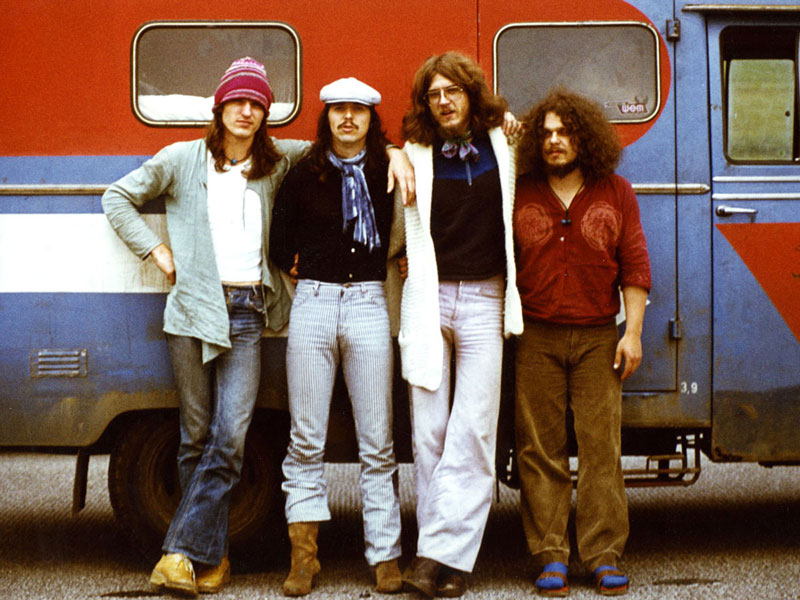
Jürgen Benz leaves after ‘Moon You’, and the saxophone role changes with Fred Lamberson coming in after a short transitional period. How did that affect the band internally?
Dieter Kaudel: We played as a trio for a little while, and we met Fred in Berlin at a Munju concert. Fred brought in a little bit of the American-style sax sound. He had great intonation. Jürgen was more of a creative source, though. It was a pretty substantial change, actually.
Wolfgang Salomon: Jürgen left the group in 1979. He was replaced by Fred Lamberson, on tenor sax and flute, who had been highly recommended. He was hanging out in Berlin, looking for a new job. He was able to play the horn parts just in time for the next tour. A new wind player didn’t change the Munju sound that much, but it was a change in the group dynamic processes.
By then, we were also playing in larger clubs and concert venues, so we had a 24-channel PA system. The man behind the console was Tracy Morton from New Jersey, who joined us on tour after completing his military service. Now there were five of us, travelling in a Mercedes 602 bus, eating miles mostly on BRD highways, with a PA system, a small lighting system, and our usual equipment on board.
‘Brot + Spiele’ in 1980 brought in German vocals, shorter forms, and more irony. Was that a conscious change from the first two instrumental records, or had the live material already been moving in that direction?
Dieter Kaudel: It was a time when I got very involved in composing and also managing the band. Thomas and I did the vocals, mainly Thomas. There was this Neue Deutsche Welle, or New German Wave, movement with German vocals instead of English, and also the beginning of punk-oriented stuff. Thomas’s girlfriend was into graphic art and she did the rear cover art for ‘Brot + Spiele’. It all looked very much like Neue Deutsche Welle, so we were “mistaken” as one of the new Neue Welle bands, and for a while we got some pretty nice and very well-paid gigs. But at one point in time, the Neue Welle thing died overnight, and so did our stream of well-paid gigs.
Wolfgang Salomon: I think it was no real break from the first two records. Okay, everybody had a haircut at the beginning of the 80s. Nevertheless, we wanted to develop our music further after Jürgen left the band. We discovered the lyric ingredient for our music. The lyrics became a bit more detailed, poetic, ironic, and political. The solo parts in the pieces became shorter, giving the pieces a more streamlined structure. Thomas and Dieter took over the vocal parts. As for me, I was limited to “recitative parts” and was initially left out of the vocal performance. It was not until our first video production, ‘Kptn, Kirk, beam me on board!’, that I had to step in. It was more an emotional expression than singing. At least I managed to convey the feeling of being lost in space. Thomas and Dieter, belonging to the crew, also lost, supported me additionally.
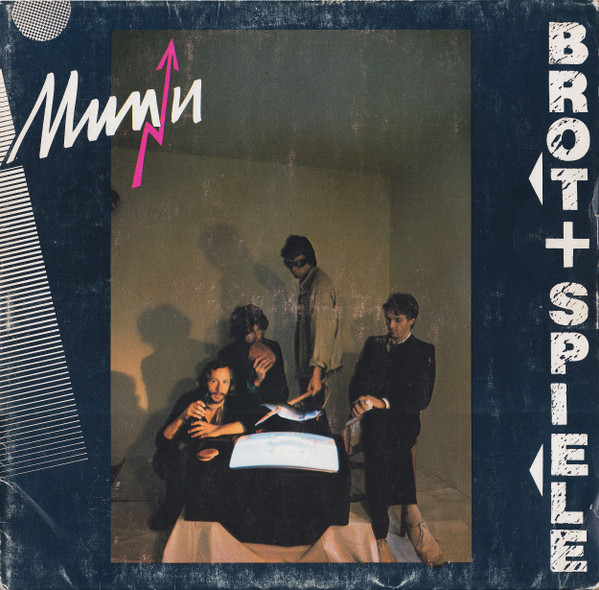
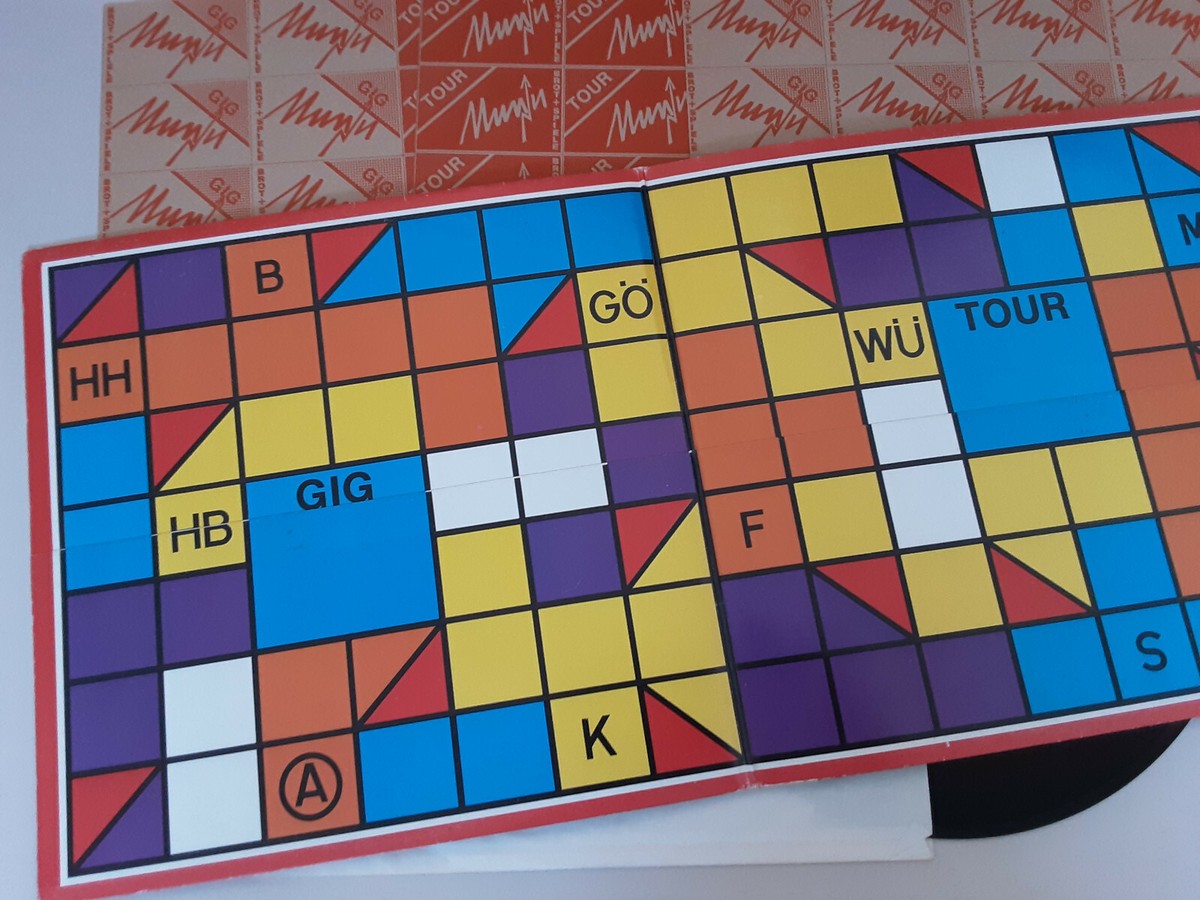
The title ‘Brot + Spiele’ carries a political and social charge, but the album also came with a board-game concept inside the sleeve. How did that whole idea come together?
Dieter Kaudel: We were just looking for something different with this album. We were never especially political; it was all about the music. Thomas was the most socially engaged one in the band, and since he was the number one vocalist in the band, it might give this impression. But in my opinion, with Wolfgang and me, it was always about the music only.
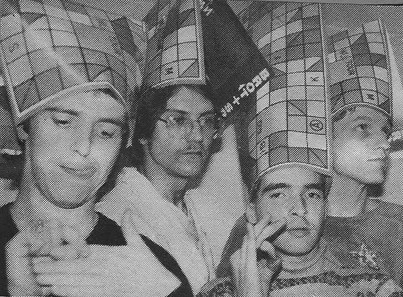
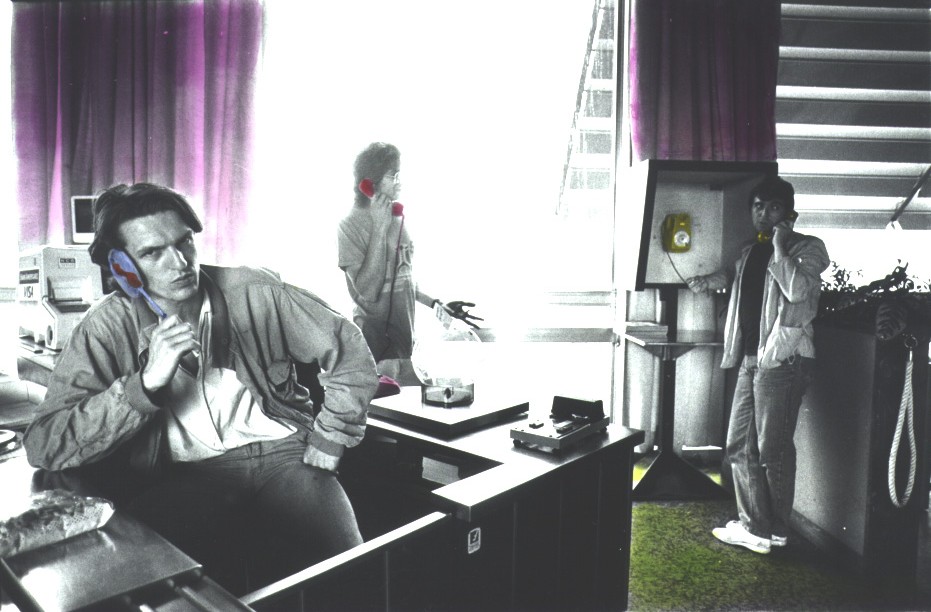
Wolfgang Salomon: It was all of those at once. The game inside the sleeve was not a gimmick. It really worked! Each player represented a touring band. The goal of the game was to play a gig in every city in West Germany, including Amsterdam. Along the way, there were “Chance” and “Community Chest” spaces located, just like in Monopoly. One of the tasks was: “Without this task, we would never have met. Phone us: 0931 / 71134.” We had incredible feedback. Some of these “hard-core fans” were playing the game nearly every weekend, with ‘Brot + Spiele’ playing in the background.
Nikl Pallat appears on ‘Revue im Niemandsland’, and Christian Burchard from Embryo is credited on the record as well. How did those connections happen, and what did they bring into the atmosphere of the sessions?
Dieter Kaudel: We asked Nikl to write the lyrics for ‘Revue im Niemandsland’, and Christian was available for the vibe solo in ‘Manchmal dauert es so lang’, which turned out nicely. It was overdubbed, though.
Wolfgang Salomon: Nikl Pallat of Ton Steine Scherben and Christian Burchard of Embryo were members of the “Schneeball bubble.” Christian Burchard played vibraphone on ‘Manchmal dauert es so lang’. Nikl Pallat brought his experience with lyrics to the table, which he had gained while working with Ton Steine Scherben.
The vocals on ‘Brot + Spiele’ changed the listener’s relationship to Munju. Did singing in German feel natural to the band?
Dieter Kaudel: Of course we wanted to do it, or we would not have done it. But we were not real singers. It felt natural to sing in German, but we had never actually sung before.
Wolfgang Salomon: Concerning the lyrics, we had a more multilingual approach. For us, it felt very natural to sing in the German language. Most of our fans liked our more song-based development.
Track titles such as ‘Computer’, ‘Cosmische Müllabfuhr’, ‘Suchtgift Suchhund’, and ‘Kantstrasse’ sound closely connected to life in West Germany around 1980. Was Munju starting to write more directly about the world around you?
Dieter Kaudel: Apparently we did. This is a question Thomas should answer. Unfortunately, that will not be possible, but the lyrics of ‘Computer’, ‘Cosmische Müllabfuhr’, and ‘Kantstrasse’ are all Thomas’s.
Wolfgang Salomon: ‘Brot + Spiele’ came out in 1980. George Orwell’s 1984 was drawing ever closer. The world around us was full of fear about the future, which was reflected in our writing. ‘Computer’ focused on society’s digital control and the suppression of the individual. ‘Cosmische Müllabfuhr’ was dealing with the pollution of the environment and brains. Fred was living in the concrete jungle of Kantstrasse, which was the ugliest part of town. ‘Suchtgift Suchhund’ is a story we often had to go through at border crossings. Pull over and wait for the “Suchtgift Suchhund,” which was the name for the drug-sniffing dog. This trouble with the border police and the “Suchtgift Suchhund” could take hours, and we were not amused at all! ‘Fliegen’, inspired by a book by Toni Morrison, ‘Song of Solomon’, is about a man who learns to fly, and everything that entails. But it’s also about how we all discover who and what we are, and how important and truly exciting that journey is.
After the first three albums, ‘Sport Rock’ in 1982 has a different format and a different era around it. What was changing in the band by then?
Dieter Kaudel: ‘Sport Rock’ is my invention. We played very fast tempos and quite complicated stuff, almost athletic. This was actually a demo cassette.
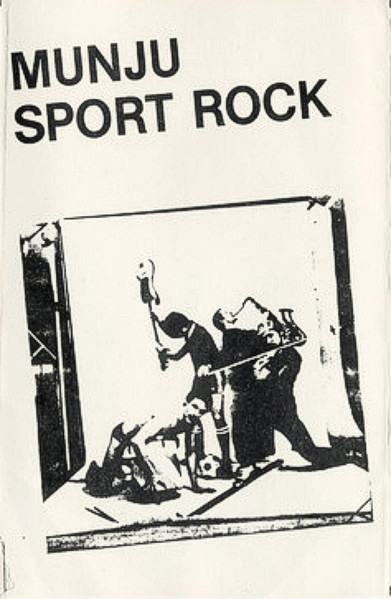
Wolfgang Salomon: ‘Sport Rock’ was a short intermezzo, a little collection of live recordings and ground tracks on cassette. We did not want to invest any more in LP productions. Instead, we decided to invest in our own TEAC 8-track machine. In the long run, we aimed to establish our own production facilities, or studio. We started to outsource the management, but this did not work. In addition, we reorganized the tasks of the band. Dieter was now responsible for booking, Wolfgang went into the distribution section, and Thomas was jack-of-all-trades.
There were extensive Munju tours in Sweden and Italy, and a long tour together with Von Zamla in Germany and Sweden. Peter Haas on keyboards replaced Fred Lamberson. Together with Peter, we recorded ‘Nikels Spuck’. It felt nice to have Peter in the band, but then he wanted to go back to Berlin, and we made the tour in Italy in 1981 as a trio.
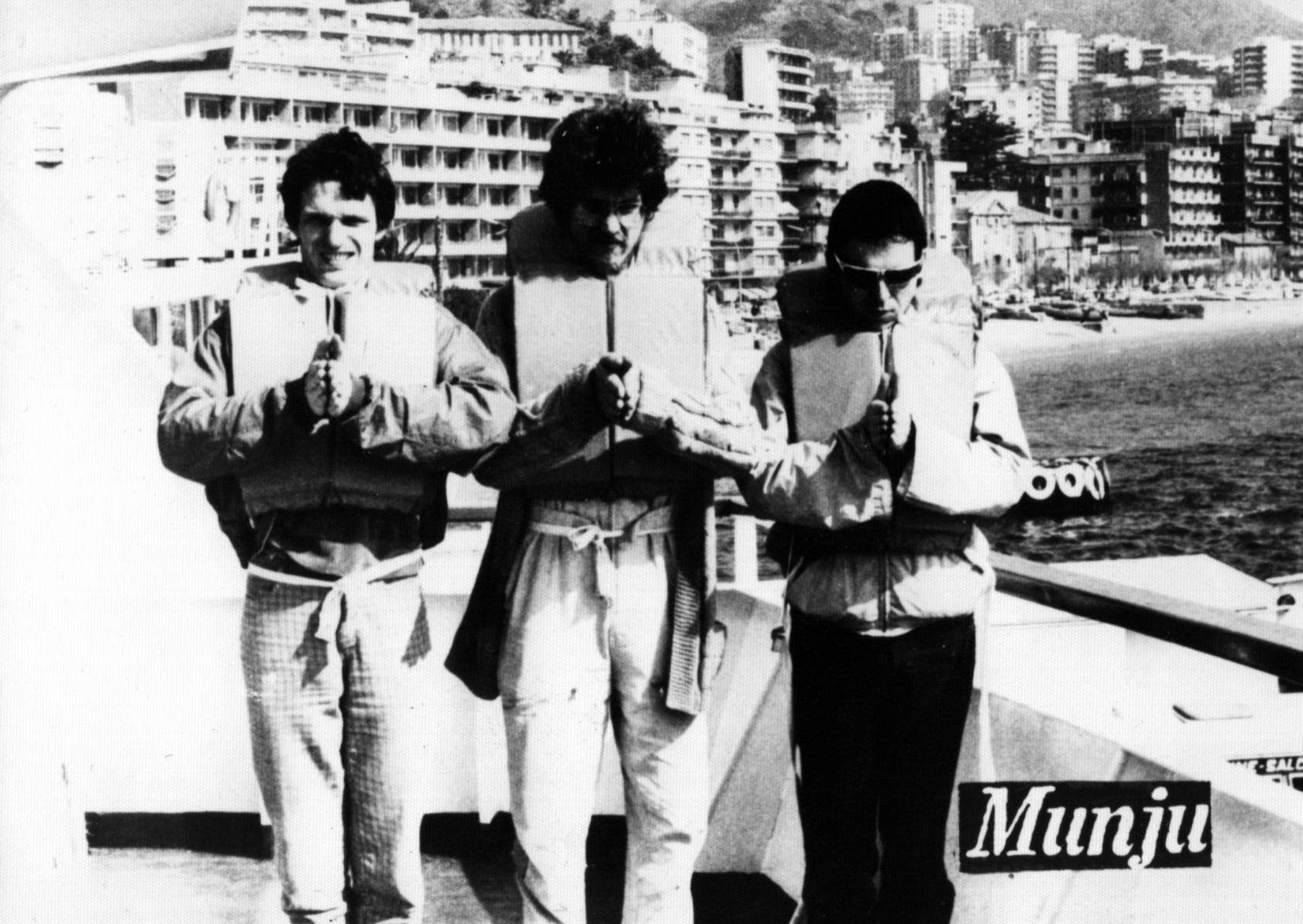
Eddie Rüdel joined in 1982, and the guitar language expanded again. How did having another guitarist alter the band’s balance after years built around the Salomon, Kaudel, Römer core?
Dieter Kaudel: Eddie was great. There was no balance problem with two guitars. He was creative, and he was there in Würzburg. It was about the time when I developed the first vibraphone amplification system and started to market it. It became basically the first product of K&K Sound, which is my occupation today.
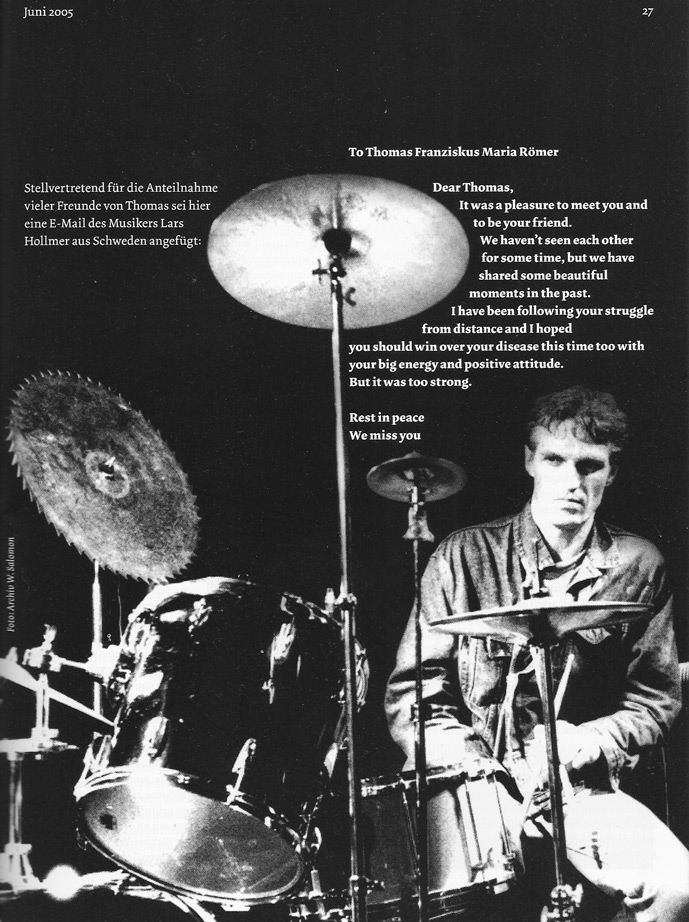
Wolfgang Salomon: Eddie, a young and skilful guitar player, was the perfect choice for the band’s fourth member. He could sing. He could take the keyboard parts as well. He was incredibly adventurous on the guitar and complemented Dieter’s playing perfectly. The two got along very well. Eddie brought a lot of ideas to the new live program. Everybody in the group started to play a new instrument: Dieter on vibraphone, Thomas on trumpet, Wolfgang on various instruments. The equipment therefore became more extensive and the sound checks took longer. Yes, the band’s overall sound was changing, but it did not end up being too guitar-heavy. The music program of the band still had enough space for extraordinary guitar solos. The band went through many changes. Various events influenced the band’s development. As a matter of fact, the band’s core members stayed together for more than 20 years, in a way until Thomas Römer’s death in 2005.
‘Le Perfectionniste’ in 1984 moves further into sharp, compact, sometimes avant-garde territory. From the outside, it can feel far removed from ‘High-Speed Kindergarten’. From the inside, did it feel like a new band, or the same Munju following its own logic?
Dieter Kaudel: Yeah, this is when I started to step back from band management, and Wolfgang was getting very active musically. I got married and my daughter was on the way. I decided to go 100 percent with K&K Sound, and I quit the band shortly after the ‘Le Perfectionniste’ album.
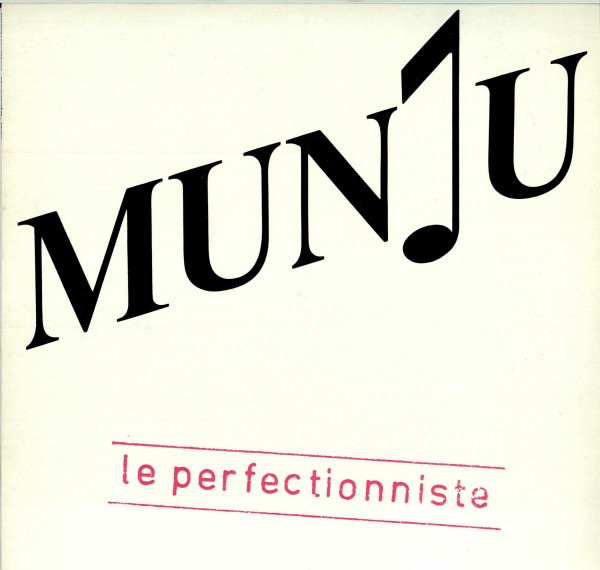
Wolfgang Salomon: It was difficult to find available dates at Sunrise in Switzerland. The studio HGM, Königshof / Spenge, offered us good conditions, and it was easier to get there. But still, we had problems finding dates for everyone in the band to work in the studio together. Andreas Torkler was a very good sound engineer who never lost sight of the bigger picture, even when it came to new, unusual instruments and strange, homemade Revox loops, such as a Russian backward choir on ‘Beat on the Wet Sock’. As a guest, we invited Michel Berckmans from Belgium. He provided a truly unique timbre with his bassoon, which matched very well. I first met him in 1978 with Univers Zero at a festival in Austria. Later, we played together in the new Von Zamla lineup, since 1980.
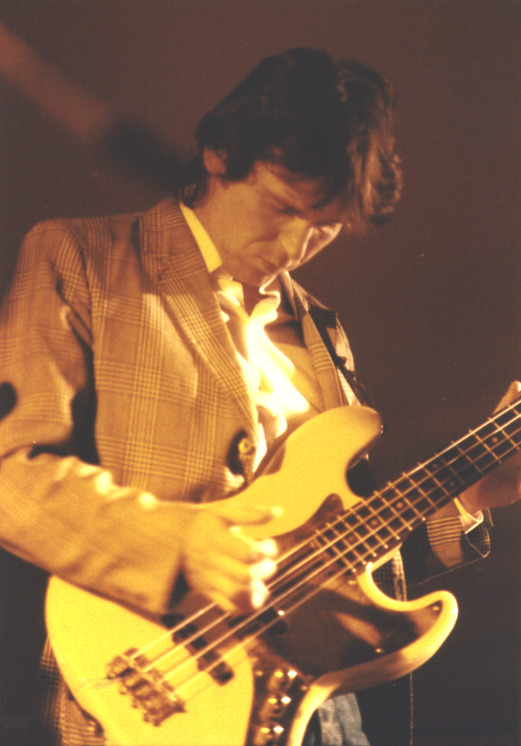
There’s also ‘Faust’ in 1986, which is harder to find information on than the earlier LPs. What can you say about that project, and how it fits into the final phase of Munju?
Dieter Kaudel: The ‘Faust’ project was very sophisticated and great, but I was not part of it.
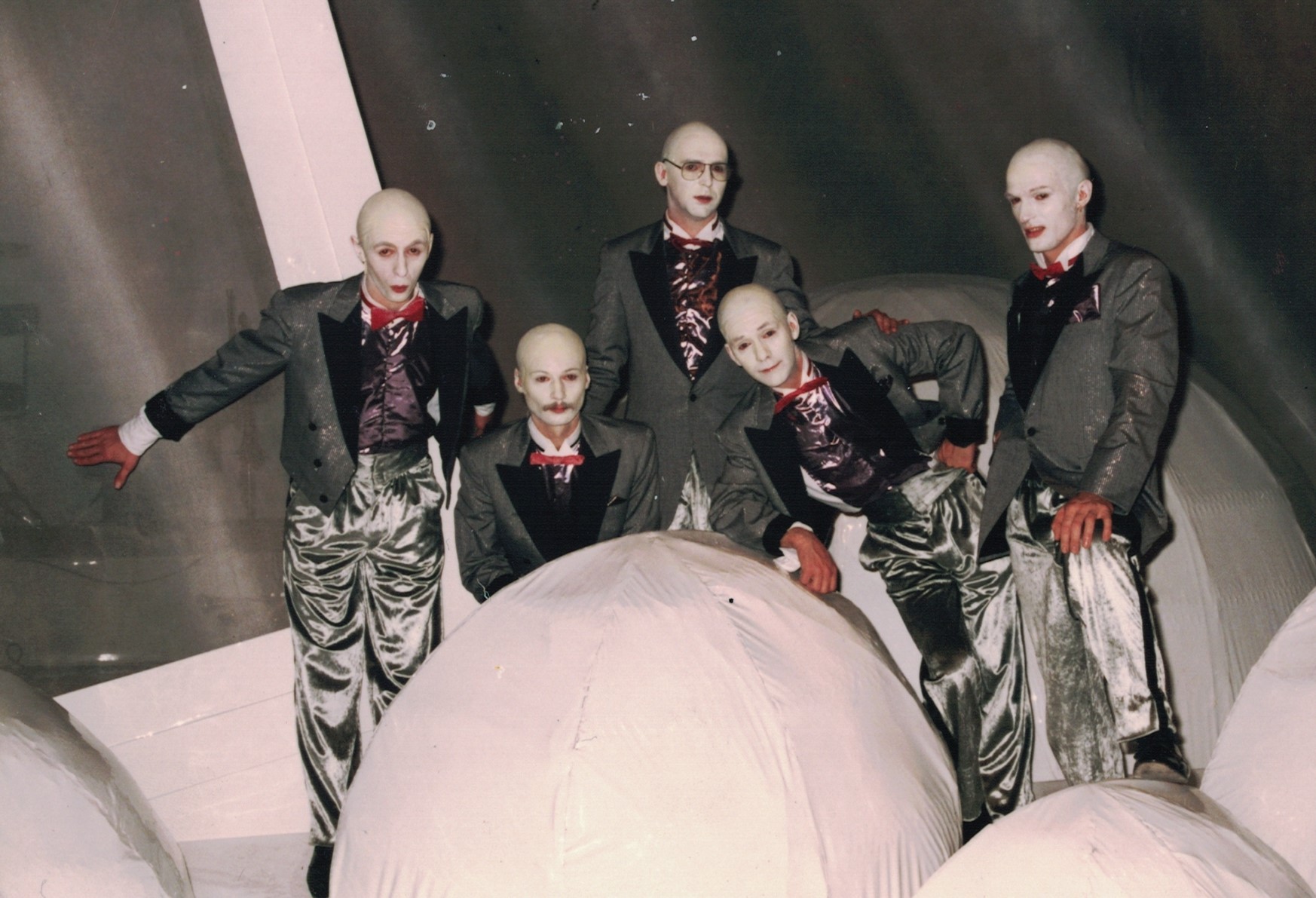
Wolfgang Salomon: The ‘Faust’ ballet in 1986 was very successful and a new stage experience for us. The soundtrack to ‘Faust’ was available as a limited edition on cassette. When Dieter left the steady core of the band, it was the start of Munju’s survival in various projects. Thomas Römer was working at Festspielhaus Bayreuth and became technical director. Dieter Kaudel developed his invention of pickups and migrated to Oregon, USA, to start a new business. Eduard Rüdel founded a light-design company. Wolfgang Salomon continued to play with Von Zamla, collaborating with Lars Hollmer and Michel Berckmans, and moved with Chance Studio to Theater am Neunerplatz.
Wolfgang Salomon later worked more deeply in theatre, ballet, production, and composition, while Dieter Kaudel has helped preserve the Munju archive. Did Munju open those later paths, or were those interests already there from the beginning?
Dieter Kaudel: When Thomas was diagnosed with terminal cancer, I was arranging the [www.munjumusic.com] website for him to see it launched.
Wolfgang Salomon: Those later paths opened up because the band stayed together for such a long time, despite all ups and downs and all the things that we experienced. After Dieter moved to Oregon, we carried on with a new lineup, with Thomas, Wolfgang, and Eduard as the core members. We went on tour in France and Italy. Thomas plays on the W.S. ballet CD ‘Peter Pan’ from 1999, and Eduard plays guitar on the W.S. ‘Luna Small Step for Mankind’ project from 2002.
Munju played many different kinds of stages over the years. What kind of setting brought out the best in the group: clubs, festivals, political events, free concerts, or theatres?
Dieter Kaudel: We were a very tight core of the group, Wolfgang, Thomas, and Dieter, and we played as a trio in between the four-piece band times quite often, actually. The best financial success we had was after ‘Brot + Spiele’. We played all kinds of events over the 10-year period. I think clubs and festivals were our best venues.
Wolfgang Salomon: Difficult to say! All stages were great, except one gig in a huge shopping mall in Mühlheim / Ruhr at 9 o’clock in the morning. We had to play for customers who wanted to test sleeping mattresses and other furniture at Karstadt. A lousy fee! No fun at all. Very bad!
Unfortunately, over time, some great clubs and independent youth centres had to close down. We lost a lot of audience when some stages and clubs changed into Bhagwan’s Zorba the Buddha places.
I also remember one very stressful gig in Berlin at the Tunix festival, a solidarity gig for the house occupiers’ scene.
Do you remember one concert that captures the band better than the records do?
Dieter Kaudel: Ironically, the last concert I did with Munju was a New Year’s Eve concert in our hometown of Würzburg. We had never played New Year’s Eve before, but we were offered very good payment with no travel expense. The audience was getting served snacks and food, and we were asked to play really quietly. We turned the volume down more than we ever did. I remember that I could hear every one of us really well on stage, and we played extraordinarily clean and well, with no mistakes. I thought it would have made a great live recording. It was not recorded, though. But what happened was devastating. The audience was still complaining that we were too loud, and they did not applaud much because they were eating. Keep in mind, this was in our hometown. It was actually the gig that made me quit the band and go for K&K Sound. Sorry to bring up this negative example. In general, there were probably many performances that would have made great live recordings, but this one was so special because it was great for 90 minutes straight!
Wolfgang Salomon: There were some remarkable concerts!
In the early times of Munju, I remember the Paard van Troje gig in Den Haag and, of course, the concerts at Melkweg in Amsterdam.
There were some concerts that captured the band better than the records. Concerning the Umsonst & Draußen festivals, I liked the Bodensee festival most. Beautiful region, relaxed playing, and a lot of anchors.
The tour together with Von Zamla included very special concerts at Mariahissen in Stockholm and Rackarberget club in Uppsala.
Some gigs in Italy: Trento, Firenze, Palermo, and the concert in Sorano near Lago di Bolsena. There, “a queen slept in the rocks,” as Eddie sang.
The tour in Spain, where we played three concerts at the San Pedro festival in Málaga and a gig at Castellar de la Frontera near Gibraltar.
When people now place Munju next to Kraan, Embryo, Missus Beastly, and other German jazz-rock groups, does that feel right to you?
Dieter Kaudel: In my opinion, that feels fine. We were somewhat different, though.
Wolfgang Salomon: That feels all right! All musicians of these groups were children of this, our time, struggling, but living music. We feel privileged to have lived through that time and to have touched so many people with our music. There is no competition at all.
The first three Munju albums have not had the same international afterlife as some other German records from the period. Does that under-recognition bother you?
Dieter Kaudel: Munju was quite special, in my opinion. Under-recognized for sure, though.
Wolfgang Salomon: Munju always existed slightly outside of canon-building. One reason for no big record revenues, or at least only a kind of presence in well-stocked record shops, was the big water disaster, which destroyed our LP stock in Dieter’s basement. Nearly all the records and covers were swept away in the flood. Only some copies survived. People who get one of the four Munju records are lucky, because there are only a few LPs available. But there is light at the end of the tunnel! We have been in touch with Walter Nowicki from Garden of Delights for several months now. It is entirely possible that there will be a re-release of ‘High-Speed Kindergarten’ coming in fall 2026. Let’s see!
When you listen back now to ‘High-Speed Kindergarten’, ‘Moon You’, and ‘Brot + Spiele’, do they feel like three steps in one development, or like three different versions of the band?
Dieter Kaudel: The four albums are indeed totally different, each one of them.
Wolfgang Salomon: More like three steps of the band’s development to different stages.
What currently occupies your life?
Dieter Kaudel: I am semi-retired at K&K Sound, but I still play guitar every day and have recorded 17 albums in my home studio in the last 26 years, available for free on [www.dietrimusic.com](http://www.dietrimusic.com).
Wolfgang Salomon: Health training and preventive care. I stopped smoking in 2014. Looking after my family. Spending more time playing with my five-year-old granddaughter. Always trying to be kind and tolerant towards my friends and fellow human beings. Pimping up my webpage. Renovating the studio. Getting the 8-track running again so we can listen to old recordings, such as the live recording made in Palermo, ‘Radio Cento Fiori’. Picking up “loose ends,” musical ideas and recordings from the time spent with Lars Hollmer and Michel Berckmans. Composing and working on some unfinished screenplays for theatre pieces.
If someone had never heard Munju, and you could play them one track that explains the group, which track would you choose?
Dieter Kaudel: Probably ‘Vamos Ramos’ from the ‘Moon You’ album, or ‘Fliegen’ from ‘Brot + Spiele’, or ‘Beat on the Wet Sock’ from the ‘Le Perfectionniste’ album.
Wolfgang Salomon: I would like to recommend:
From ‘High-Speed Kindergarten’, the track ‘High-Speed Kindergarten’. Check Dieter’s and Jürgen’s solos!
From ‘Moon You’, Thomas’s drumming on all the uneven beats, and Alex Grünwald’s solo on ‘Ixthuluh’.
From ‘Brot + Spiele’, the hard core of Munju, Dieter, Thomas, and Wolfgang, playing ‘Suchtgift Suchhund’. Check Dieter’s guitar solo!
From ‘Le Perfectionniste’, check W. Salomon’s bass solo on ‘Intetango’ and bassoon by M. Berckmans; E. Rüdel whistling on ‘Metropolitan Noise’; all performing on ‘Beat on the Wet Sock’ featuring “Russian backward choir”; and ‘Stella’, a drums and percussion tune by Thomas Römer.
Have fun exploring!
Thank you. Last words are yours.
Dieter Kaudel: You should definitely get Wolfgang on board too.
Wolfgang Salomon: Thank you, Klemen, for your work. Thanks to everybody who follows this interview for their interest and patience.
Klemen Breznikar
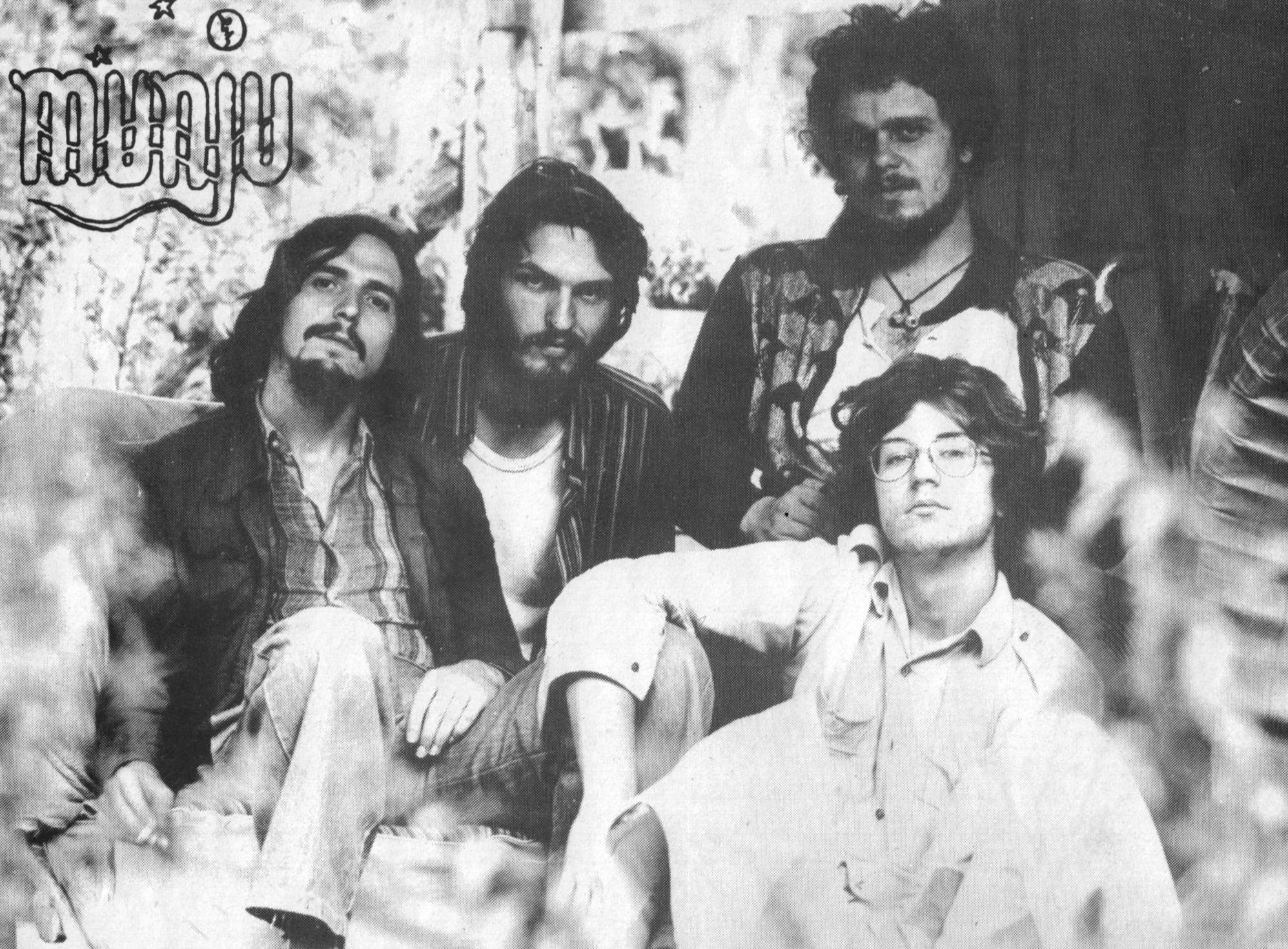
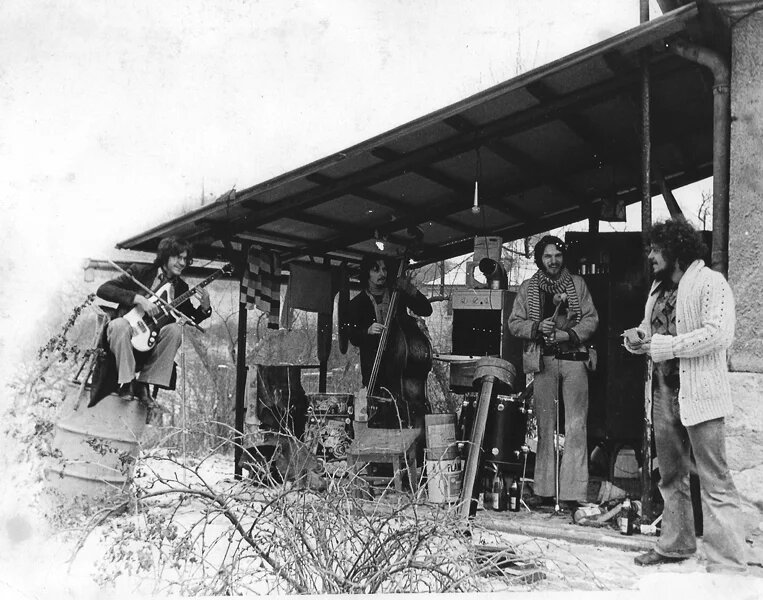
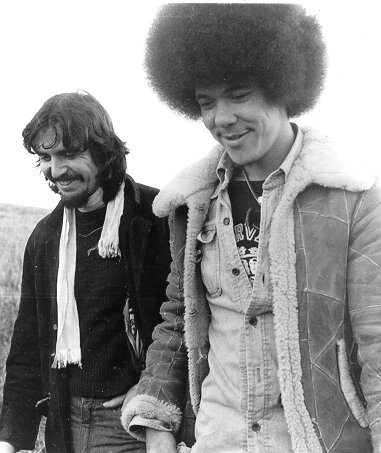
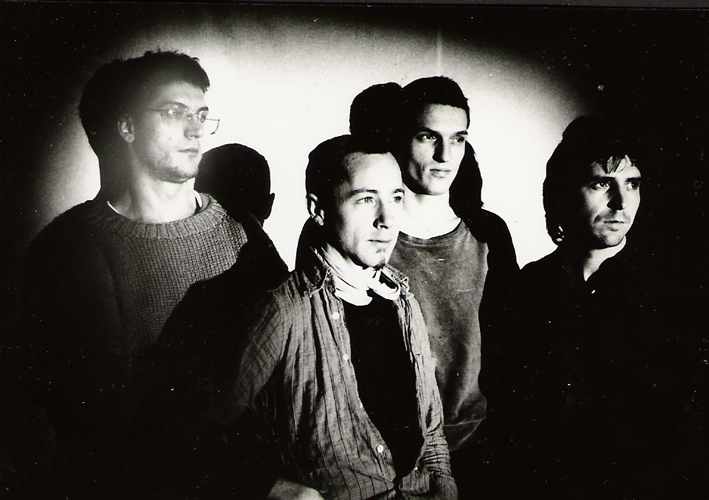
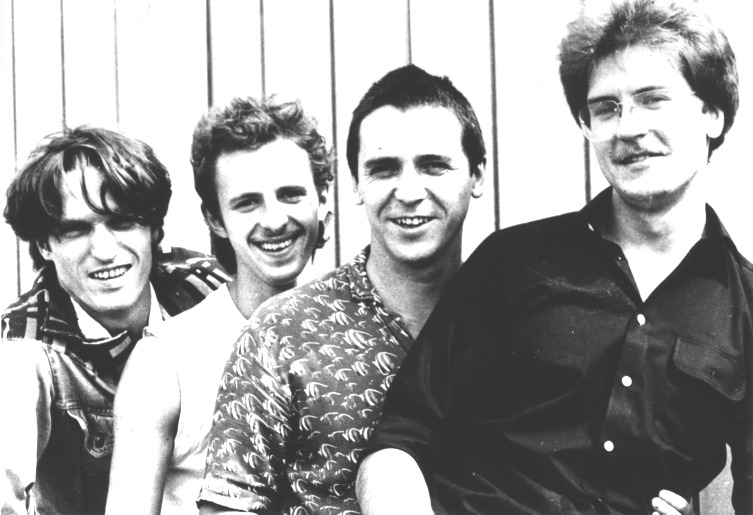
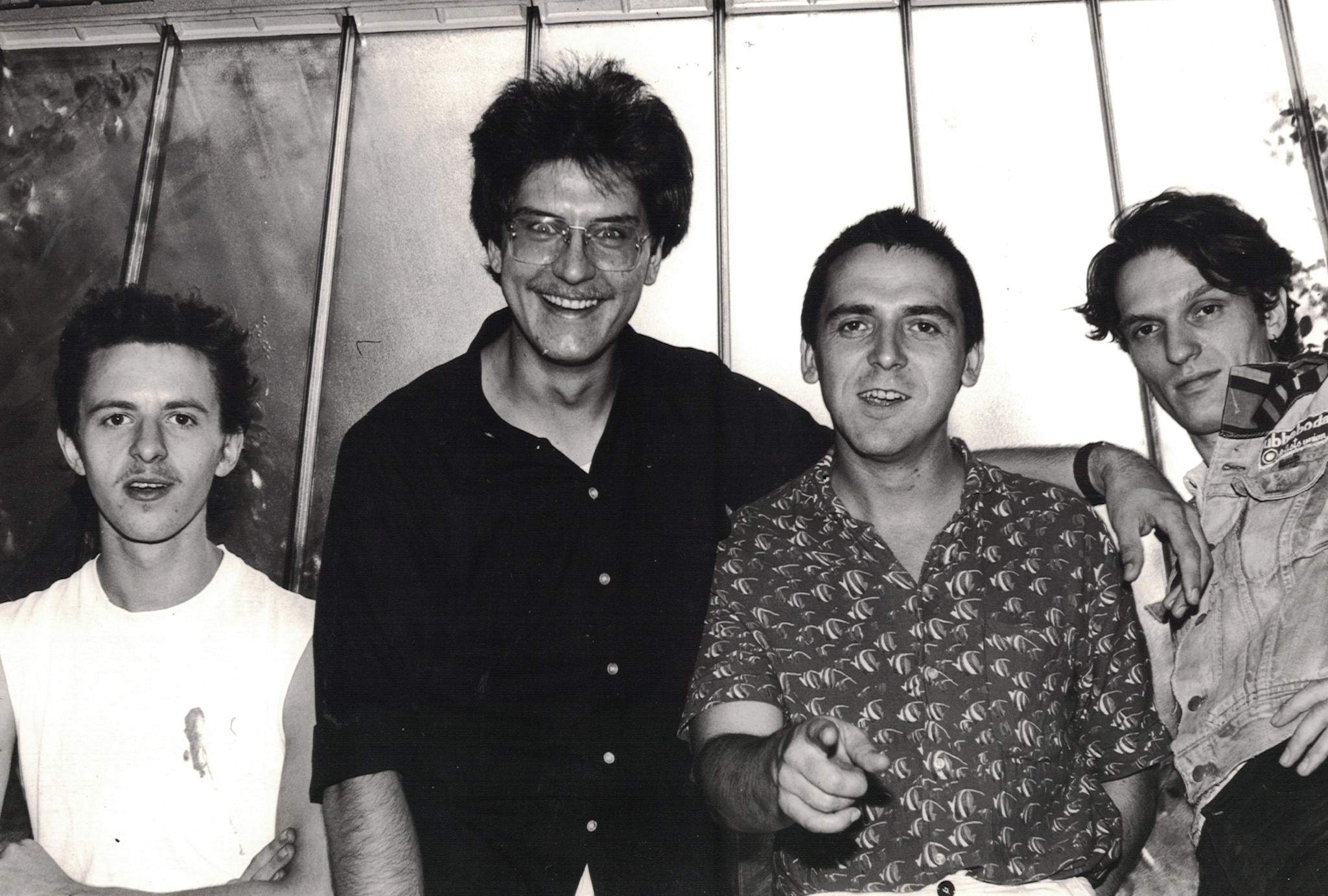
Headline photo: Munju: Wolfgang Salomon on bass, Thomas Römer on drums, Jürgen Benz on saxophone and flute, and Dieter Kaudel on guitar.