
Ken Coffman on Writing, Publishing and Staying Independent
Ken Coffman runs Stairway Press with a clear sense of independence. The company has published many books over the years and sold more than 80,000 copies, but Coffman does not talk about publishing only in terms of sales.
For him, the important thing is the freedom to publish books he believes in. “If a book piques my interest, I will publish it,” he says, “even if I know it will literally sell zero copies.” He understands the business side of publishing, but he does not want it to control every decision. As he puts it plainly: “Keep the money. I demand freedom.”
That attitude goes back a long way. Coffman grew up in rural Oregon in difficult circumstances. He describes the first fifteen years of his life as a time of poverty and isolation, “like being in prison.” Books became one of the first ways he understood that a larger world existed. He walked an eleven-mile round trip to reach a small public library, which he remembers as “the only evidence there was a wide world beyond the Rogue River Valley.”
When he was fifteen, his family moved to the Seattle suburbs. That move changed his life. Work was available, and Coffman began taking whatever jobs he could find. He picked strawberries, worked in restaurants and delivered newspapers. Later, he joined the Air Force, where he received electronics training. Although he was never comfortable with military authority, that training helped lead him into engineering.
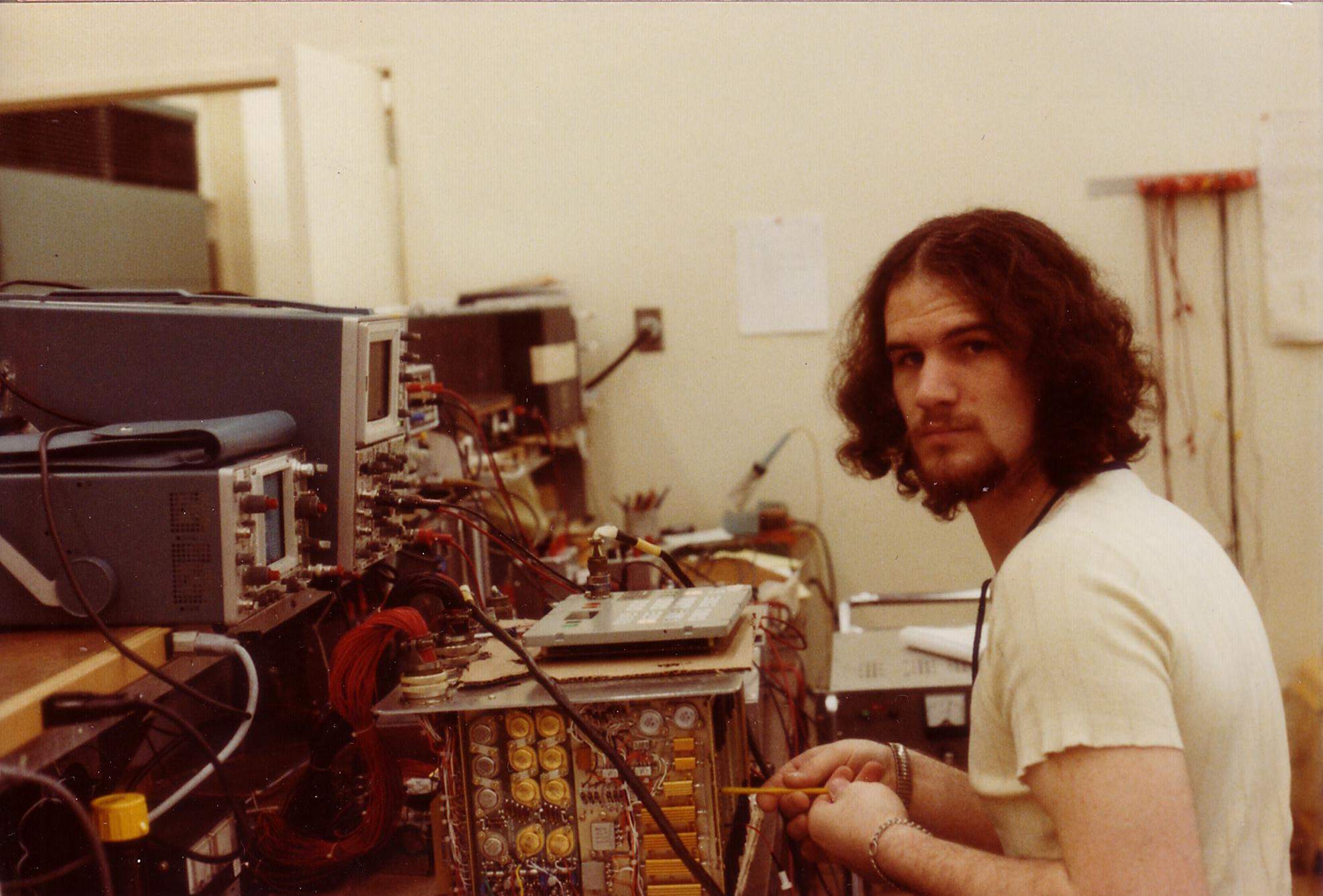
Coffman went on to build a long technical career, including work on satellite power supplies and radiation-tolerant electronics. He is comfortable in that world because it has clear rules. At the same time, he has always seen himself first as a writer. “Regardless of how I made a living,” he says, “my fundamental self-identity is as a novelist.”
His books reflect that mix of technical thinking, curiosity, humor and skepticism. He has written fiction, nonfiction and technical books, but the same basic concerns often return: power, self-delusion, justice, personal freedom and what one person can do inside larger systems. In Alligator Alley, Fairhaven and Wales Detective Agency, his characters often find themselves caught in strange or dangerous situations, but they still act. One of Coffman’s central ideas is simple: “one man with agency can make a difference.”
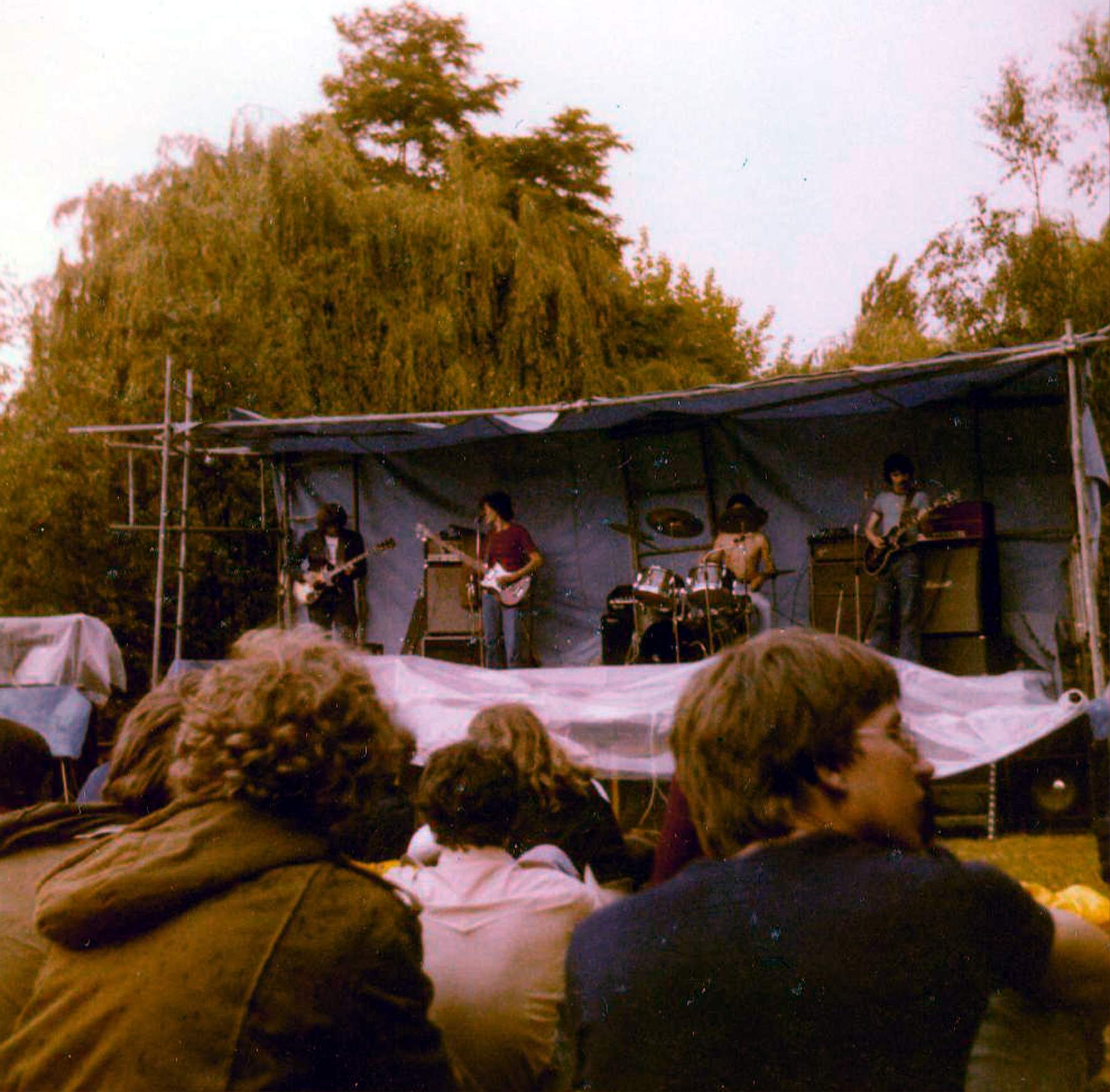
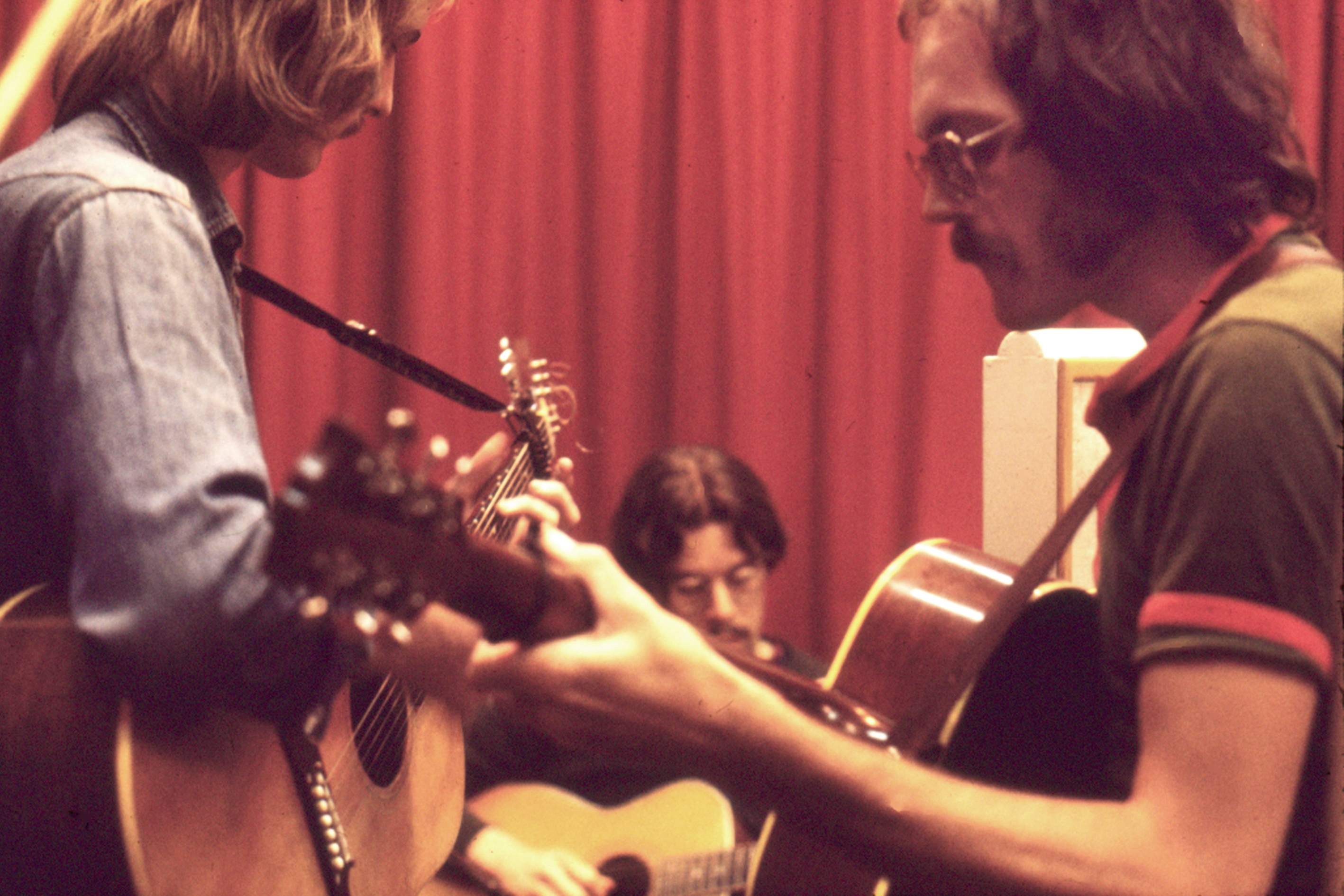
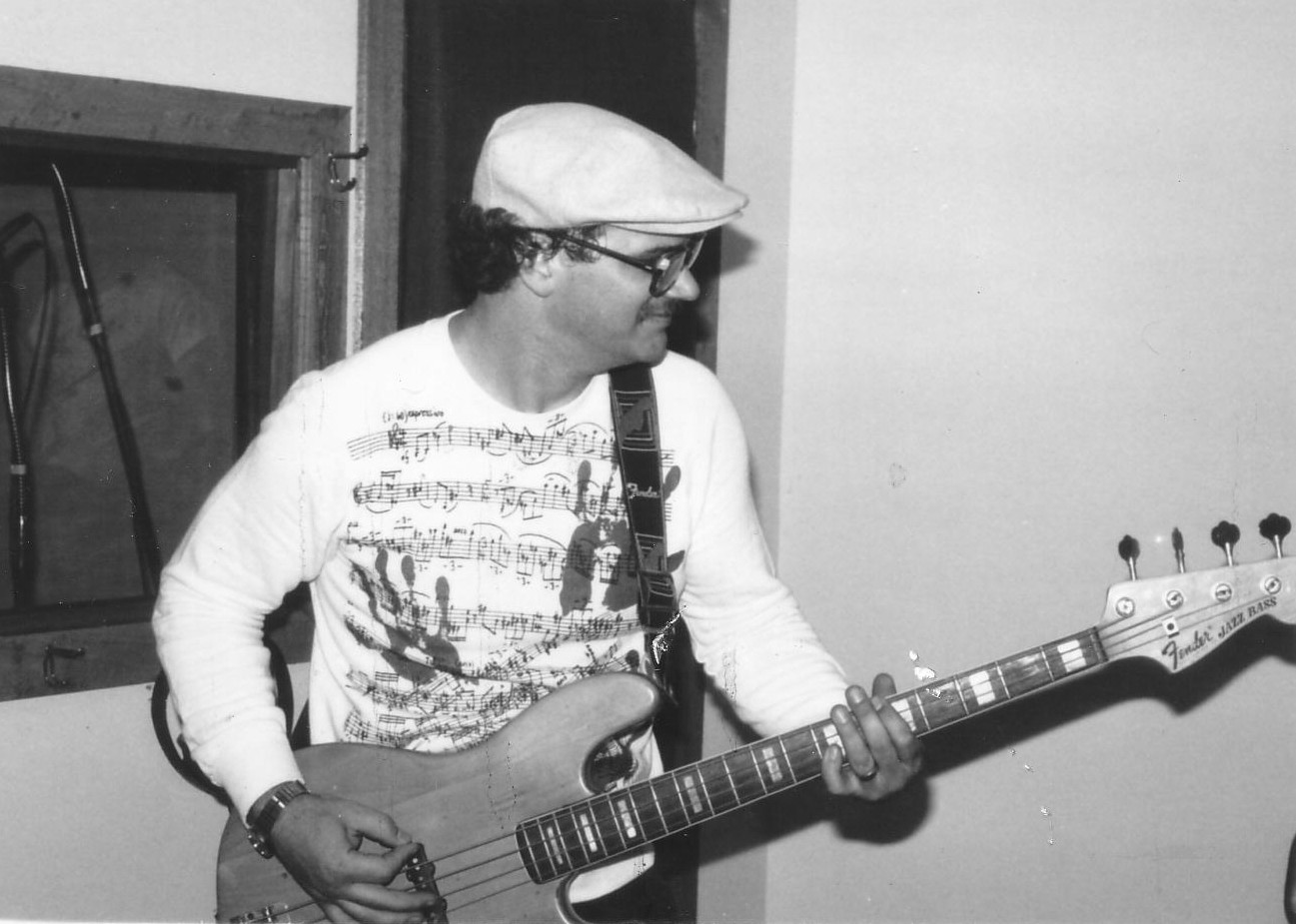
Music is also a major part of his life. In the late 1970s, he played bass in a Seattle progressive rock band called Owl. Later, he formed Strange New Toys, promoted concerts and collaborated with well-known progressive rock musicians, including Randy George, Chad Wackerman, Patrick Moraz, Francis Dunnery, Michael Sadler, Frank Gambale and Mike Keneally. He also owns Lost Dutchman Guitar in Arizona, which keeps him close to the world of instruments and musicians.
Coffman’s life has moved through poverty, manual work, the Air Force, engineering, music, publishing and writing. From the outside, those paths may look separate, but he sees them as connected. He follows what interests him, works hard, and tries to stay independent. His own summary of life is blunt and memorable: “keep a low profile and try not to get stabbed.”
“Keep the money. I demand freedom.”
When you look back at your life, from manual labor jobs all the way into engineering, publishing and writing novels, does it feel like one continuous story, or more like a few completely different lives stitched together?
Ken Coffman: From the outside, my antics look scattered and disparate, but, to me, there is an organic continuity—a central theme. I immerse myself in what interests me and feel a genuine instinct to emit more than I consume. I love rock music and am compelled to give something back to it. I love books and take seriously the thought that when you read, you incur a debt that can only be repaid by writing. Pay it forward. That said, my life has two distinctive parts. From 0 to 15, I lived in hopeless poverty in an isolated area and life was an endless, continuous frustration—like being in prison.
There were six of us kids and Mom was serious when she ran us out of the house in the morning and didn’t want to see us until sunset. There were hours of wandering the hills of rural Oregon with a .22 rifle, sliding in the snow with a toboggan made from an old road sign or walking the 11-mile round trip to town to visit the tiny public library. My psychology is trite. To me, that library was the only evidence there was a wide world beyond the Rogue River Valley.
At 15, my hapless father moved us to the Seattle suburbs. One key difference was that work was available. I got on a converted school bus and worked in the strawberry fields and made money. As humble as that was, there were no opportunities like that for me in Oregon. It was like Dorothy in The Wizard of Oz when the world changed from black-and-white to color. I worked in restaurants. I delivered newspapers. There were entry-level opportunities. Other than that revector at 15, I see my life as integrated, cohesive and continuous.
For readers who’ve never encountered your work—what is Wales Detective Agency (WDA) actually about? Give us the pitch.
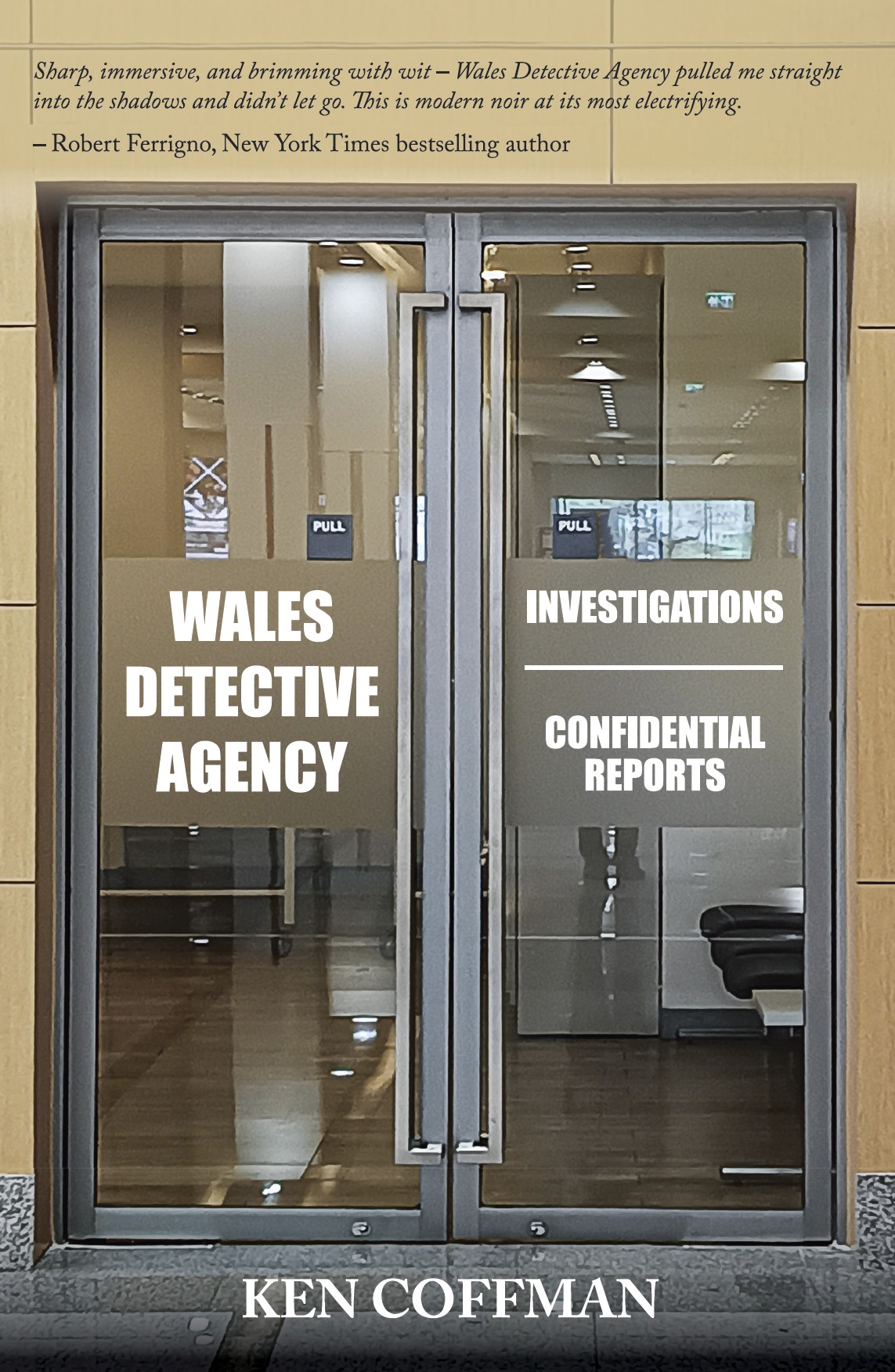
Joe Wales is a burned-out crypto billionaire who co-invented a blockchain topology at Stanford University, ended up with two-point-something billion dollars and has absolutely no idea what to do with himself. So he rents a suite in a glass tower in downtown Bellevue, Washington, whimsically puts “Wales Detective Agency” on the door, and plays video games. No clients, no advertising, no website. It’s camouflage—so he doesn’t have to admit he’s doing nothing with his billions. Then a mysterious woman walks into his office, drops a chip on his desk, tells him he has only a twenty-three percent chance of being alive in a month, and disappears in three minutes. That’s the inciting event. Things get complicated from there.
The book is set in a near-future America where the AI systems have gone to war with each other—some rogue, some spewing conspiracy theories, and the IRS AI issuing unauthorized deposits. The one AI operating cleanly is BlueWaive, and it decided Joe Wales is the person to sort things out. The subtitle is “A Conspiratorial Fairytale for Adults,” and I mean that literally. The premise is: what if all the conspiracies are true? I grew up reading Spillane, Chandler, Hammett, MacDonald—WDA is my contribution to that tradition, updated for a world that is genuinely stranger than anything those writers imagined.
“Nothing in life is as it seems.”
Reading Wales Detective Agency, there’s this sense of someone who has seen behind the curtain and come out disillusioned but still curious. How much of that voice comes from your own experience working in technical worlds where everything is supposed to make sense, but often doesn’t?
Nothing in life is as it seems. The technical world is as logical and grounded as you can get—that’s why it appeals to me. But, of course, it still has a dog’s breakfast of human elements like insane coworkers and psychopathic management. Examined, our human society is bizarre. Figuratively, I find it endlessly fascinating to lift a big rock and study the ugly creatures squirming around underneath.
You spent years in engineering and technical fields. When you write about social systems, political power and identity, are you drawing from things you’ve seen up close?
I am a book guy. Typically, I will read something, then pattern match to what I experience. I’ve read a lot, so that gives me many fragmented patterns to match against.
You’ve written fiction, nonfiction and technical books, which is an unusual mix. How do you decide what belongs in fiction and what is better expressed in a technical or nonfiction form?
Regardless of how I made a living, my fundamental self-identity is as a novelist. That’s what I love the most and what I am best at. That’s the main filter I view the world through. Most people don’t know me that way, but if they accept that frame, then my inner world is easier to understand. However, my mind does not settle. It flits. I am curious about many things and, for all its hazards, the modern world overflows with information—like it was designed for people like me with short attention spans.
Fundamentally, I am lazy, though you might frame my laziness as efficiency. There’s a lot to do and little time to do it. Compared to nonfiction and technical books, novels are quick and easy. If a novel is internally consistent, you simply make things up. At the same time, fiction can illuminate truth just as much as a nonfiction book and I don’t have to spend as much time on research.
Your most recent nonfiction book is The Devouring Shadow: Toxic Femininity, Empathy, and the New Politics of Power. That title alone is going to generate strong reactions. What possessed you to write it?
I had a set of observations I couldn’t stop thinking about—patterns in social behavior, particularly around power and the weaponization of empathy that I kept seeing in institutional life and in culture broadly. I wanted to articulate them carefully and honestly.
The book is not a polemic. It examines how empathy—a virtue—is systematically deployed as a mechanism of control, and what that means for people who get caught in the machinery. Whether it makes you angry or makes you nod in agreement will depend on your experience of those systems. I’m fine with either reaction.
Some parts of Wales Detective Agency don’t feel speculative. They feel like an exaggerated version of reality. Did it feel like fiction when you were writing it?
One of the pleasures of writing novels is constructing a world. I pretend all the world’s conspiracies are true. Maybe they are—who knows? At the same time, I am an engineer and live in a world of objective reality. I embrace both worlds, but I want to create. My attitude revolves around what-if scenarios. What if X, Y, or Z is true? What does that mean? Where does it take us? What does it expose about our humanity? In Wales Detective Agency, I wanted justice… justice that does not exist and never will. Practically, vigilante justice is all we’ll get—people taking initiative on their own. That’s the soul of WDA.
A lot of your characters think they’re in control, but bigger forces shape what happens. Does that reflect how you see the world?
A central theme of my Glen Wilson series is self-delusion. Glen is a buffoon, but he’s always up to something. Sometimes, regardless of his ineptness, his initiative works. We must act. If the only idea you come up with is stupid, it can be better than doing nothing. Is Glen a fool or is he secretly very clever? His schemes tend to succeed. In the end, the reader will decide.
If you want a summary of my most central theme: one man with agency can make a difference. That’s self-serving and an obvious thought you’d get from examining my life. It’s an Ayn Randian fantasy, but it served me well. One odd thing I noticed in my books: in the end, the dumpy nerd wins the battle and gets the girl. I’m not sure where that comes from. Ha!
Running Stairway Press while writing your own books puts you in a different position from most authors. Has being on the publishing side changed how you think about storytelling or risk?
You don’t understand a situation until you’ve been on both sides. As an example, you won’t genuinely understand the dynamic between child and parent until you’ve been both. I understand why the marketing plan is important for the big publishers. I understand that once they see something that works, herd-like, they flood the market with similar titles to exploit that success. I understand wanting a reliable supply of series releases from authors like James Patterson, Lee Child and Michael Connelly.
Knowing all that, my basic instinct is to not be like them. Money is important and I love having it, but I refuse to make any decision based on cash it might reap. That’s why I am not richer. But I am free. I can publish what I want and I can write what I want. To me, that is a worthy exchange. Keep the money. I demand freedom.
Over the decades, we’ve sold over 80,000 books. Is that a lot or a little? Is it a dismal failure or a tremendous victory? I have no idea. If a book piques my interest, I will publish it… even if I know it will literally sell zero copies (there are several examples of this in my portfolio). It is a central irony of my life that I own the publishing company, but very few of the sales are titles I wrote. I’m okay with that. With few readers, there are few I can disappoint. That’s freedom. I like that.
Your tone can shift quickly, from humor to something darker or more reflective. Do you consciously shape that rhythm, or does it just happen as you go?
That’s my mind flitting. If I go too far in one direction, then it’s time to switch. I don’t want to be predictable… though being unpredictable can be predictable.
Your characters often come across as very intelligent but also blind in certain ways.
There are people who think I am stupid—and they are right. There are people who think I am a genius. They are right, too. I accept that in myself and naturally, that expresses itself in my work. For example, in the following, is Leonard really smart or really dumb? Like me, he can be both.
— From Alligator Alley, Ken Coffman and Mark Bothum
“How do we get to Clearwater from here?”
Leonard thought for a moment.
“I don’t think you can.”
Red blinked a few times. Okay, he thought.
“You got any maps in there?” He nodded towards the station.
“Sure! I just bought all kinds of maps!”
Leonard was elated. He had yet to sell a map. Red swung the truck into the side of the clearing opposite the campers and left it idling as he climbed down. The hippies came running. They walked around the truck, leaving handprints on the dusty sides. Red followed Leonard over to the shiny new map display. Red searched through them.
“Kentucky, Tennessee, Texas.” He frowned at Leonard. “You got any Florida maps in here?”
Leonard frowned back.
“No. We’re in Florida. Why would you need a map of Florida?”
And Alligator Alley—a book you wrote with Mark Bothum. That one reads very differently from Fairhaven. Where does it take place and who is Glen Wilson?
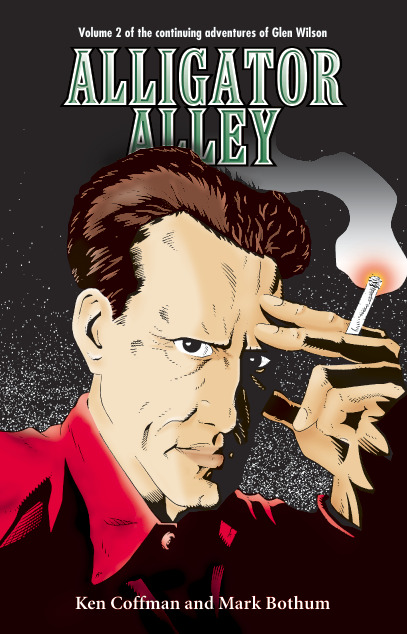
As my firstborn, it will always have a special place in my heart. Southern Florida—swamp country, a roadside gas station selling doctored fuel, a cartel operating out of pink Jaguars. Glen Wilson is a freelance intelligence contractor with connections he won’t explain, a sardonic interior monologue he can’t turn off, and a talent for improvisation that keeps getting him into trouble faster than it gets him out. The book starts when someone at a party lifts his wallet. A reasonable person would cancel the credit cards and move on. Glen is not a reasonable person. What follows is a comedy of escalation—a stolen wallet pulling him deeper into a criminal ecosystem that includes pickpockets, cartel enforcers, a corpse in a condo and a gas station attendant named Leonard who may be the most sympathetic character in the book. Mark Bothum and I wrote it because we wanted to. That’s a good enough reason.
Early in Wales Detective Agency, the idea of operating a fake business to avoid explaining your real life feels current. Did that come from something you’ve observed?
I don’t know what things are like in Slovenia, but in the USA, there are lots of examples of fake businesses that hide money laundering, but that wasn’t what I was thinking. Having money enables a disappearing act. It’s my fantasy. We are continually hounded by people trying to sell us stuff. I want to be left alone.
— From Wales Detective Agency, Ken Coffman
When I bailed from CryptD’oh, I ended up with a pile of money and near-zero enthusiasm for anything I could imagine doing. Fifteen years spent feeding the machine—building a blockchain empire. The result? Burnout. Not just indifferent, but active loathing for anything tech.
My idle fantasies were agricultural: horses and chickens on a rolling spread, the whole operation run by a cadre of cooks, housekeepers, farmhands. Not a fool’s paradise. Wealth means never getting your hands dirty.
You’ve collaborated with other writers on several books. What did those experiences teach you about sharing creative control?
I really enjoy working with a cowriter. It’s a great pleasure for 3,000 words to appear effortlessly in an email. So far, for my collaborative projects, I have been the dictatorial editor and project manager. My cowriters are okay with me editing, massaging, rewriting, hacking, and pillaging their work. Someone must be the chief architect and visionary or the book won’t work as an integrated whole. I am brutal. It hasn’t happened yet, and no one will believe this, but I’d be okay with reversing roles. I’d love to free-write, toss off a chapter, forget about it and let someone else do the hard work of making a book out of it.
“Being anti-authoritarian is baked into me.”
There’s a noticeable skepticism toward institutions in your work. Did that develop gradually or was there a specific turning point for you?
Even when I was uneducated, clueless and hopeless, I was contrary. Being anti-authoritarian is baked into me. Even the smallest hint of command makes me bristle. I will give a homeless person every dollar in my wallet—I’ve done it many times. But if they try to take it from me? There will be trouble. Ask me. No problem. Command me? Problem.
You served in the Air Force. That’s a detail that gets mentioned and then passes quickly. For someone who describes himself as fundamentally anti-authoritarian, how did that go?
I was young and needed a path. The Air Force was a practical decision—and in retrospect, a good one. I should be grateful for the electronics training I got—it was my foothold into the tech world. But I am not grateful. I hated the idea that I should cater to a moron because he had more stripes. That grated on me and I got out as quickly as I could—which was easy because the military was shedding people left and right as the Vietnam War unraveled.
Given your background in the Air Force and engineering, both very structured environments, how do you shift into the mindset needed for fiction?
There is no shift. I am comfortable in the world of applied physics where the rules are fixed. I can operate well there. In my creative life, it’s the same. There are rules and proper ways for things to be done. The difference is: I make those rules. But, once they are conceived, I am a slave to them. That suits me.
When someone finishes Wales Detective Agency, what do you hope lingers more, the story itself or the questions underneath it?
If possible, be a wholesome agent of karma. Someone, somewhere will be positioned to balance the scales of justice. We have to do it. The so-called authorities won’t do anything. Here’s a scene from Fairhaven that captures what I think.
— From Fairhaven, Ken Coffman
“I don’t like that guy,” Nort said. “He should fall down a well or something. What are we going to do about him?”
Jake shrugged. “Nothing,” he said.
“Nothing?”
“You heard me. He’s a political animal and has connections. There’s a good chance he’ll be even more careful now…maybe he’ll slide through the whole rest of his life without tripping up again.”
“He’ll hurt other women.”
“Maybe,” Jake said. “Maybe not. How is that our problem? We can’t be responsible for every worthless piece of trash walking on the face of the earth.”
Nort studied the look in Jake’s watery brown eyes.
“I’m not buying that from you,” he said. “Not for a second.”
Jake sighed.
“No, I’m serious. There are some problems we can’t solve; that’s just the way it is…”
[…]
“There’s a rhythm and balance in the world. I can’t think of a better word, so let’s call it karma. Too damned slow—takes its sweet time, but it always seems to work. Why, I don’t know. One day, Sprague will come up against some rough package the universal delivery service drops at his front door. Then, the hammer of God will come down on his head…”
Nort studied Jake’s craggy, jowly face.
“I hope I never get as old and stupid as you,” he said.
We just referenced a scene from Fairhaven. For someone who doesn’t know the book at all, what is it about?
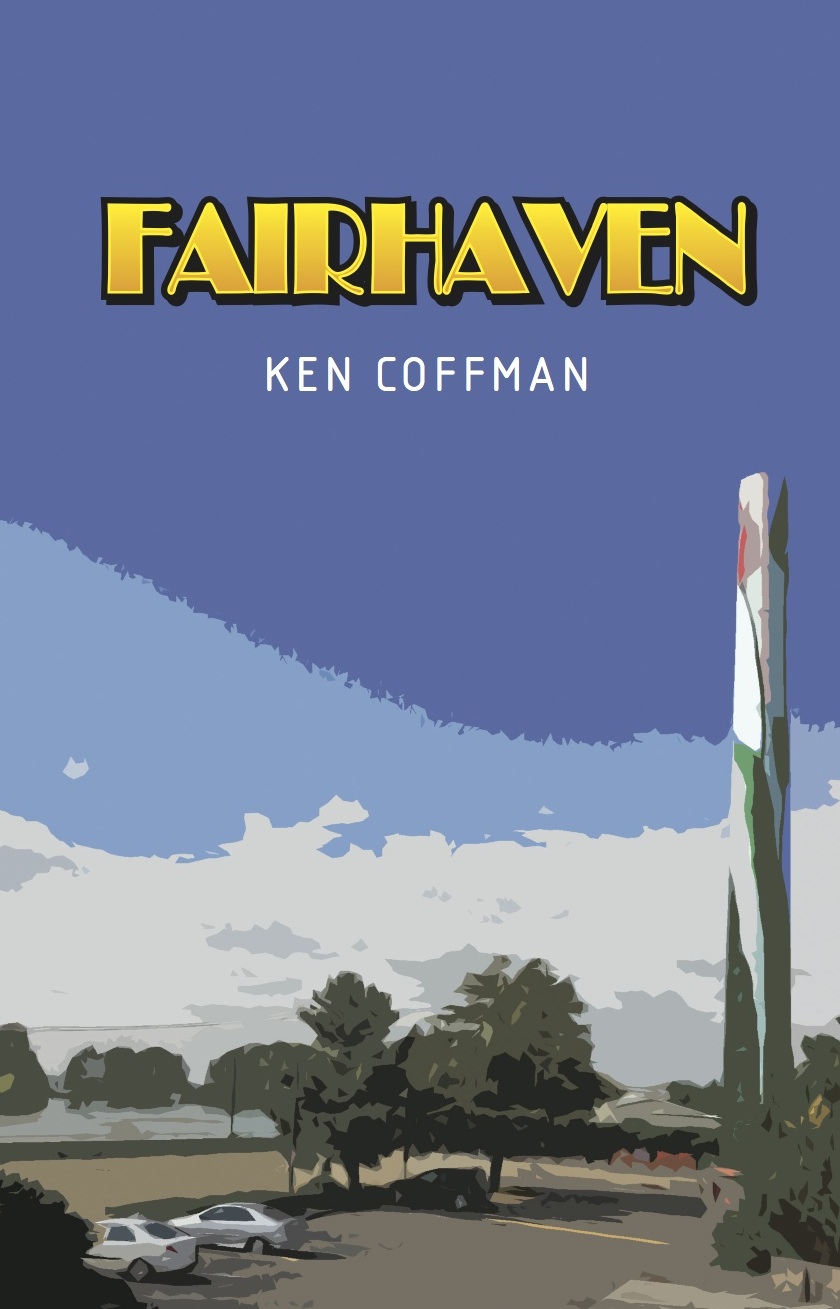
Jake Mosby is sixty-six years old, looks seventy-six, and was about to wade into the Skagit River to end things when a lawyer in a dark suit interrupted him. His father died and left him a used bookshop in Bellingham, Washington. Jake is a retired cop with an ex-wife, estranged children, a bourbon habit and a comprehensive philosophy of misanthropy. He doesn’t want the bookshop. He doesn’t want much of anything. Then his daughter ships him her delinquent teenager, Nort, and suddenly Jake is running a business and playing reluctant grandfather to a kid he can’t quite bring himself to dislike.
Running parallel to all of that is Charlie Fairhaven—elegant, methodical, and quietly murdering the homeless of Skagit County. The two storylines are on a collision course. It’s a dark thriller, but it’s also a story about a man who discovers, against his considerable resistance, that he still has something worth living for.
I started this book as a tribute to Charles Willeford—it was intended to be #5 in his Hoke Mosley series, a series which feels unfinished. The title is a play on his unpublished, deeply disturbing Grimhaven. His widow had a harsh reaction to my idea, so I changed it enough to avoid getting sued. Oddly, it’s my most popular novel.
After everything you’ve written, do you still feel like writing helps you figure things out, or is it more about revisiting the same questions from different angles?
Everything is evolution and exploration. The boundaries of my ignorance are huge, and I like it that way. If I knew everything, there would be nothing to learn. If there is any constant in my life, it’s expanding what I know. I love learning new things and every book is a fresh exploration of a train of thought.
You describe yourself as a “book guy” who reads constantly. Who are the writers that actually shaped how you think—the ones you’d hand someone if they wanted to understand where you’re coming from?
I already mentioned Charles Willeford, I loved him for his courage and refusing to make the reader comfortable. Ross Thomas, for the smartest plots in crime fiction and a sophisticated, deeply skeptical worldview. Michel Houellebecq, because his misanthropy is so thorough and accurate. There are too many authors to mention, Stephen King is untouchable. Vladimir Nabokov wrote my all-time favorite book: Pale Fire. I need to stop now or I’ll go on for hours.
I read a lot of nonfiction—history, science, political philosophy. Ayn Rand played a big role in shaping my mind. The Bell Curve, Dance with Chance, Win Bigly, Briggs’s Uncertainty, AntiFragile.
I saw that earlier in your life you played bass and worked as a concert promoter. What was that time like? Do you still think about it? I would love it if you could tell us a bit more about that part of your life. What was the band called?
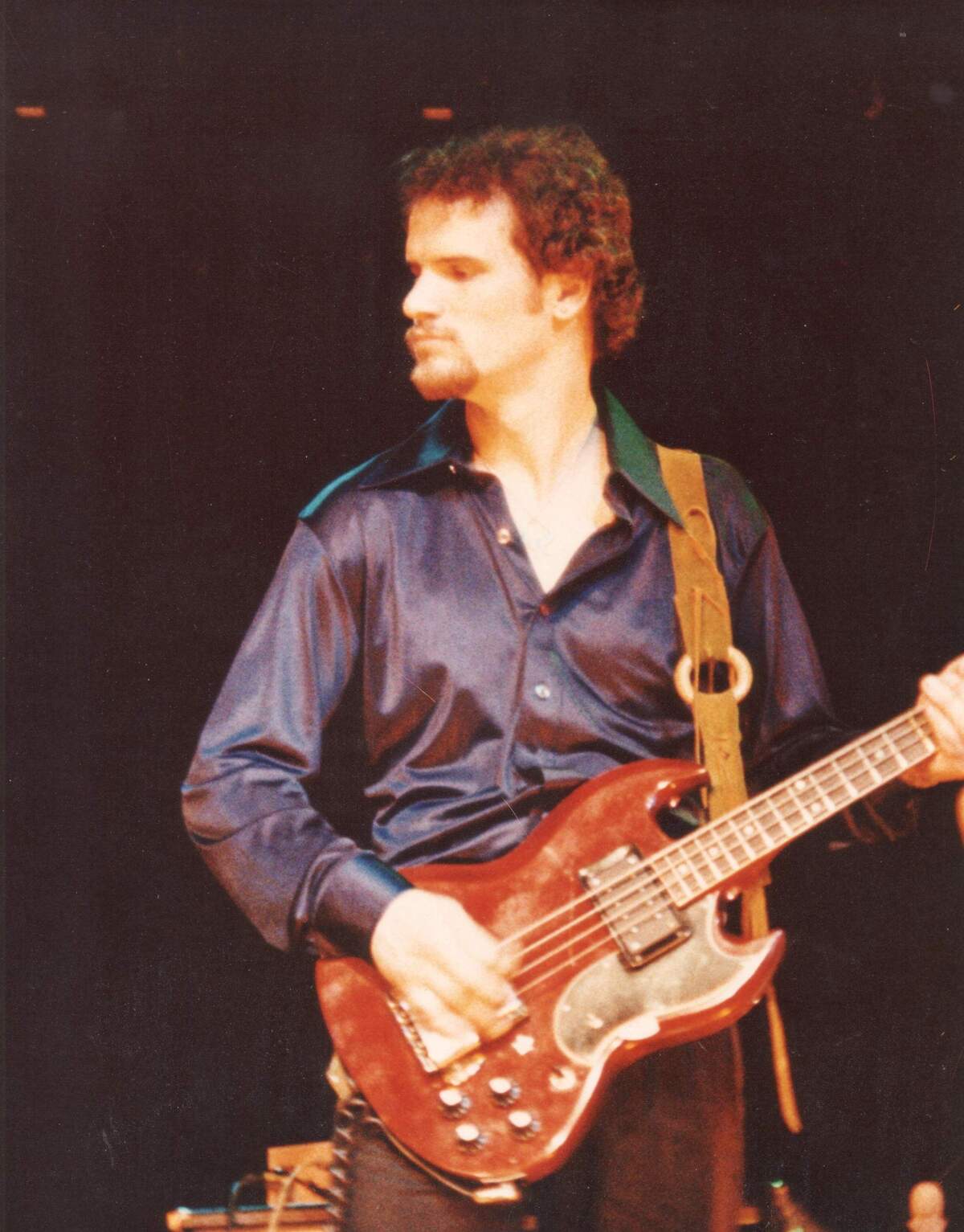
Music is an important part of my soul—I like what it does to my brain. It’s an irony of my life that I love music and play a little guitar and electric bass, but at the same time, I’m not good at it—I play lots of bad notes and have horrible stage fright. That’s a bad combination. A good musician can execute long phrases precisely, over and over. I can’t do that. The best thing I can say about my playing is I wanted my own unique relationship with the instrument. I have that, but it doesn’t translate into performance.
That said, here is something I can do. I can write a song. They are crude and amateurish, but I can do it. Here’s something I really love: creating a demo version of a song with bad notes and simplistic structures—then hand it off to my friends to perfect. Here’s one thing I noticed: if there is a noisy or random mistake in the demo, the skilled players don’t hear it. They hear what should be there…and put it in. I love that.
I’ve worked with people I worship, like Randy George (who is my go-to musical director), Pam George, Chad Wackerman, Patrick Moraz, Francis Dunnery, Jonathan Sindelman, Michael Sadler, Mike Pinera, Frank Gambale, Mike Keneally, Eric Gillette, Ted Leonard—the list goes on and on. What a thrill it is to engage with these wonderful players.

In the late 1970s, I was in a Seattle progressive rock band called Owl. That band was glorious and I will never play with anyone better. There is nothing I can do now—performance-wise—that will match that. So, I’m not motivated to try. I quit that band to go back to engineering school. That was a good decision. Sad, but good considering how my working life evolved. I have regret, but that decision had to stand.
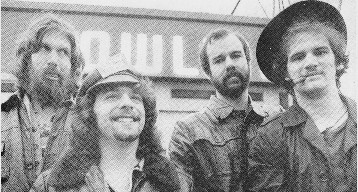
Once I graduated from college, I indulged myself with a rock band, Strange New Toys. We released some recordings and played random gigs around the Seattle area, but never got any serious traction.
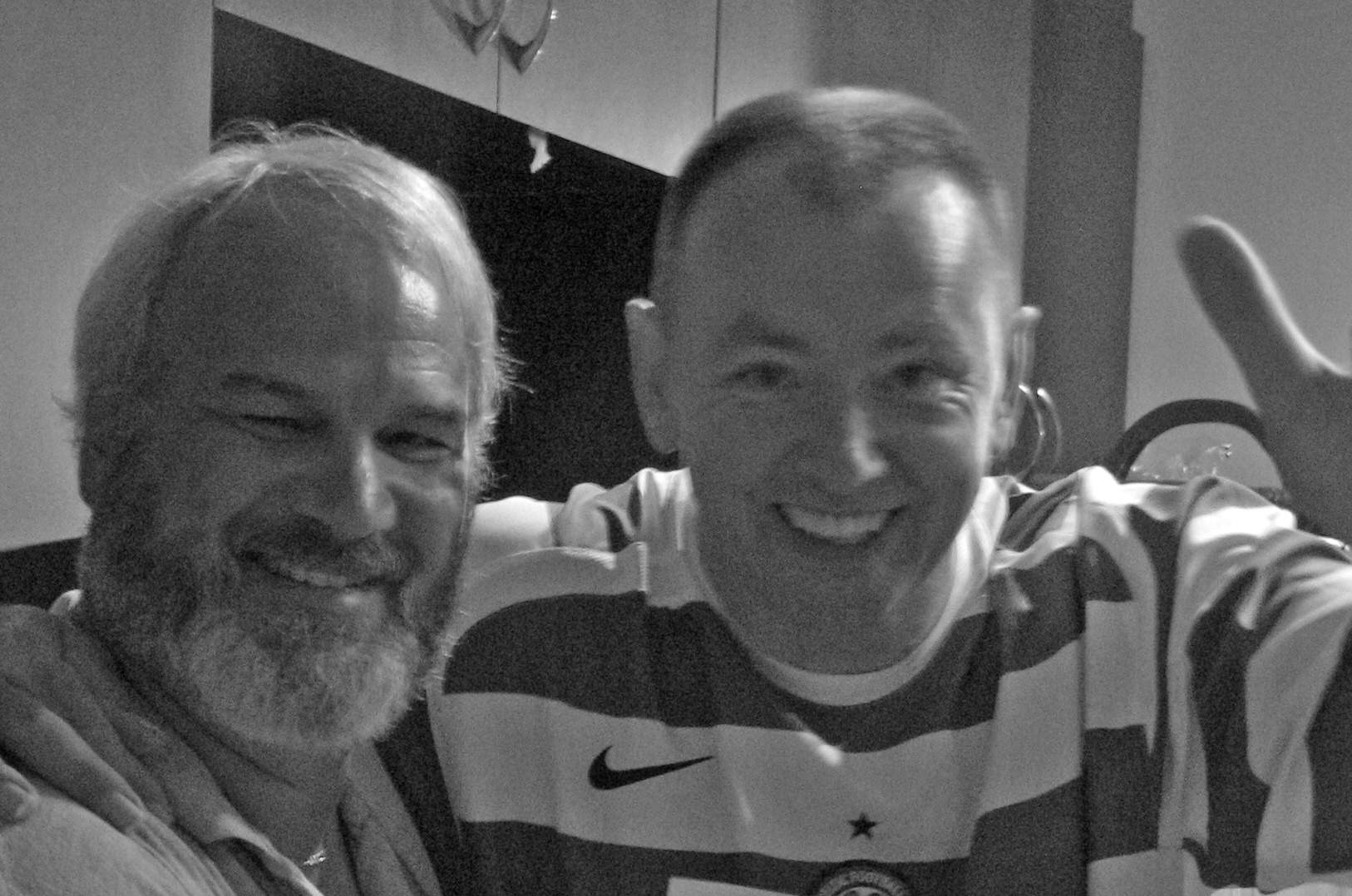
With my pal Craig Ranta, I started hosting concerts. If you can imagine, the first one we did was Chick Corea’s Elektric Band II. We had no idea what we were doing, but we pulled it off. Every concert we hosted was an artistic success and financial failure. We never did crack the code for turning a profit. I don’t regret the experience, but I consider myself retired from concert promotion. We’ll do small shows, but nothing complex or elaborate—or expensive.
More recently, I’ve hosted glorious, but modest shows with my pal Anthony Garone of Make Weird Music. If you need a model for a Polymath poster, Anthony is your man.
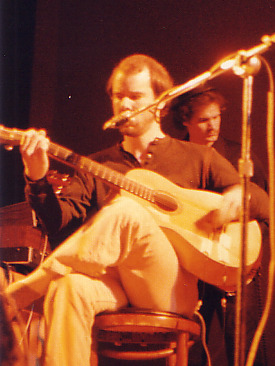
You’ve mentioned collaborating with Randy George, Chad Wackerman, Patrick Moraz, Francis Dunnery, Jonathan Sindelman, Michael Sadler, Frank Gambale, Mike Keneally—the list is extraordinary. For a music audience, that’s jaw-dropping. How does a guy who plays bad notes end up making music with some of the finest players in progressive rock?
Audacity, mostly. And the fact that great musicians are often more approachable than you think. The model I use is simple: I write the song—crude demo, wrong notes, the whole disaster—and then I hand it to Randy George, who has the most gifted musical mind I’ve encountered, and he takes it somewhere I couldn’t imagine. If a mistake in my demo is interesting enough, a skilled player will hear what should be there and play that instead. That’s a miracle I never get tired of. It’s a quirk of my personality that I don’t feel a burning need to appear on the final recording. I wrote the tune. I financed the production. If it ever made any money (ha!), I would keep it. That works for me.
I started working with the multi-talented Pete Forbes, but for the last 20 years, Randy has been my musical director and collaborator. Wackerman, Moraz, Dunnery, Sadler—they’ve contributed to my projects over the years. The joy is in the creating. Having Chad Wackerman play on a song I wrote in my basement—that’s not something I can explain rationally. It’s just one of the things that happens when the universe likes you. Oh, throwing in cash helps, too.
What kind of music did you grow up with? And, what do you listen to now?
I grew up with the usual for my generation…Led Zeppelin, Crosby, Stills and Nash, The Guess Who, Blue Oyster Cult, Grand Funk Railroad, Wishbone Ash, Captain Beyond, but the main soundtrack for my evolving years was Deep Purple. In fact, I will give you the top five Deep Purple records and I don’t want to hear any counter argument.
#5 Come Taste the Band
#4 Machine Head
#3 In Rock
#2 Burn
#1 Fireball
I like a lot of progressive rock, like Gentle Giant. They are the best and no one will ever touch them. Spock’s Beard, The Flower Kings, Big Big Train, PFM, Saga. To go deeper into the rabbit hole, my very favorite music is progressive pop, like Tori Amos, Toy Matinee (anything by Patrick Leonard), Kevin Gilbert, Level 42, Tears for Fears, Jellyfish, Steely Dan. I love this stuff so much…you can’t imagine.
You own a guitar shop—Lost Dutchman Guitar in Arizona. For someone who describes himself as a below-average player, that’s an interesting business to be in. How did that come about?
Music is one of the great love affairs of my life and this shop is an extension of that love—and a way to stay in the music world. I had 13 guitars and absolutely no reason to buy #14. Now, I don’t buy guitars, I buy inventory.
The Lost Dutchman name ties into where I live in Apache Junction near the Superstition Mountains, where the Lost Dutchman gold mine legend comes from. There’s something appropriate about that—a treasure that may or may not exist, pursued by obsessed people. That’s a musician’s life in miniature. The shop keeps me around guitars, which I enjoy. When I retire, or maybe the operative word is ‘if’ I retire, I will fire the staff and run the shop myself.
You mentioned having a stack of rejection slips before starting Stairway Press. What did that period actually feel like for you?
Thinking of my archived stack of rejection letters, I am not depressed. It fueled determination. Stupidly back then, I wondered why the gatekeepers didn’t recognize my obviously brilliant literary skill, but I concluded it was their problem, not mine.
I will mention one disappointment that comes to mind. In 2007, a social media site called Gather had a First Chapter contest. The winner got $5,000 and a publishing contract. At that time, I had just finished a novel called Hartz String Theory. I was, and am, very proud of that one and I was certain it would get a lot of attention and be a big winner, but it didn’t even get past the first round. The contest was corrupt and the voting scheme was stupid. But still, that set me back on my heels.
— From Hartz String Theory, Ken Coffman
Walking gingerly, Mike dropped the towel at the last possible instant and tried to slip in the water before Polly looked, but her eyes popped open. She examined him.
“I can stand to lose a few pounds,” he said.
“I like a man with meat on his bones. Mom always said a big man is easy. If you get angry and out of hand, I’ll make a big batch of spaghetti and calm you down.”
“I like pasta.”
“What a surprise. I thought you earned that belly with tofu and carrot sticks. Now shut up and let me enjoy the music.”
You’ve said you are happier selling other people’s books than your own. What is it about that role that you find satisfying?
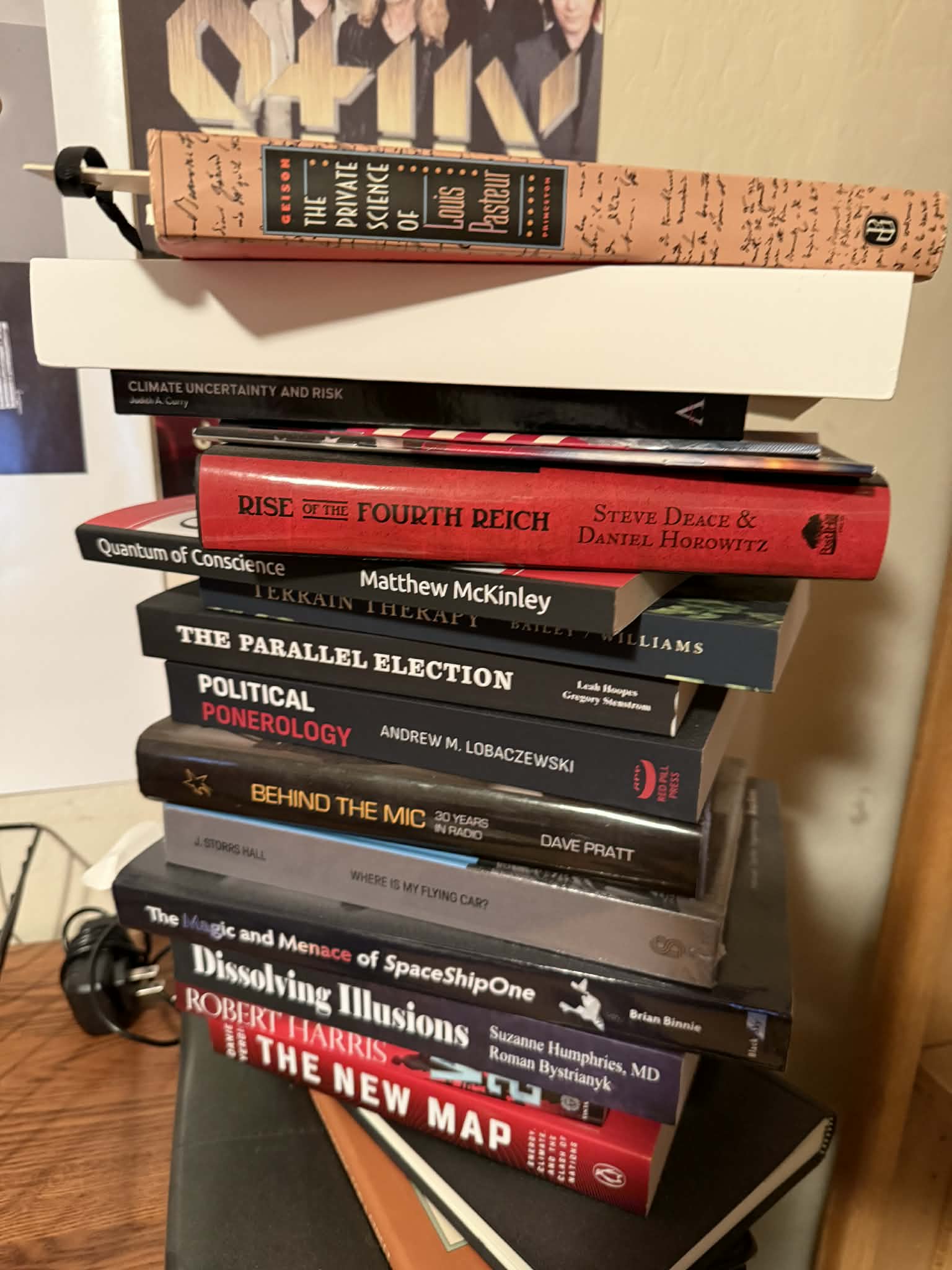
Once I started publishing other people’s books, there was an interesting realization. I preferred selling other people’s books much more than selling my own. My work is out there. If you want to read it, you can. If you don’t care, that’s okay. I did my part. If the wide world ignores me? I prefer it that way. I do my best work and it disappears into a bottomless void. How is that my problem?
What pleasure do I take from publishing? It’s not a love of money, that’s for sure. I have fatherly pride in the books we publish and the authors in my inner circle. I get to interact with super-talented people who love the written word as much as I do. Frankly, it’s a thrill and an honor. In life, we have to do something. This is what I do.
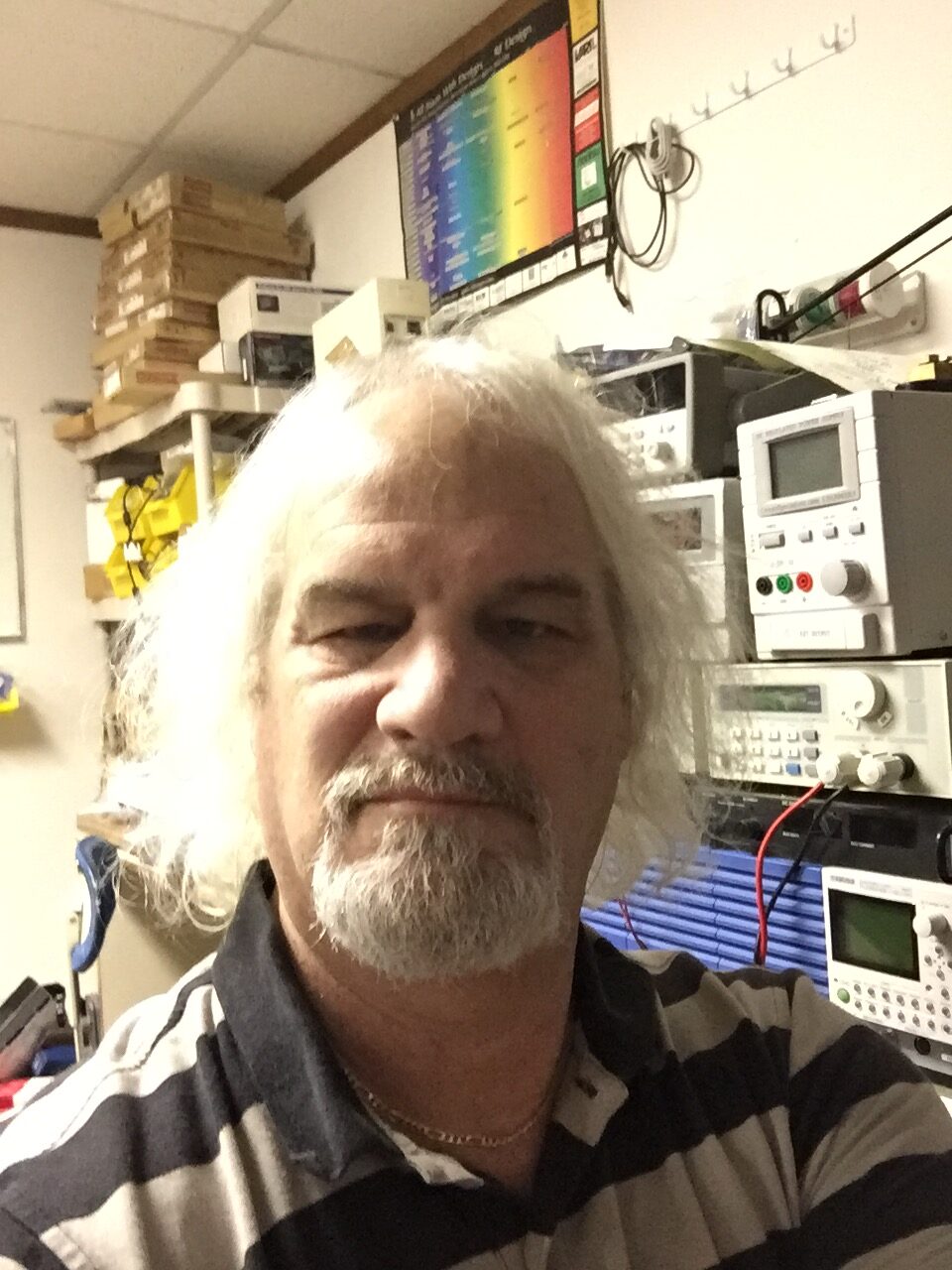
You still have a demanding engineering job working on satellite power supplies and radiation-tolerant electronics. What does that balance look like day to day?
For me, everything I do is seamless. Integrated. My mind naturally flits, so changing gears and working on different things is routine. When I think of all the time wasted in a day, I consider myself very lazy. That said, mostly, all I do is work. Routinely, I get up at 3 or 4 AM and get at it. Slowly, I realized I am a workaholic—perhaps the laziest one who ever lived. How does that make sense? If you figure it out, let me know.
Regardless of your planning, at your advanced age, you must be thinking of retiring from engineering. What does your post-engineering chapter look like? Will it feel like liberation or like losing something?
Both, probably. I want to work as long as my mind and body hold up. My identity is tied to my career. Take away my day job and what is left? That said, I’ve been doing five things at once my entire adult life and retirement will feel like doing four. I’ll adjust. I have no immediate plan to give up the day job. It could be that I retire only when I stroke out and my forehead hits the keyboard. Hopefully, it will land on the ‘Send’ key and my final email will get delivered. Or, who knows, maybe my boss will keep me on contract part time. This will sound arrogant, but power engineers like me are hard to find.
You’ve said that when you sell someone your book, you feel a real obligation to the reader. How do you carry that while still taking creative risks?
That’s an easy question to answer. I take seriously the job of delivering a cohesive and satisfying story arc for readers. But essentially, I don’t have many readers. The few I do have seem to enjoy the ride. I don’t agonize over it. I do the best I can at delivering a story, then I am done and move on.
In your conversation with Hrvoje Moric, you described yourself as generally cheerful even while talking about very dark conclusions about society. How do you hold those two things together?
We must have perspective and a sense of humor. All things pass. We are an absurd species on a rock spiraling through space. It is a mistake to take ourselves too seriously. There are serious existential events that will happen. A solar-electric storm worse than the Carrington Event of 1859 could happen. Catastrophic climate change like the Younger Dryas event 13,000 years ago could happen. And, what on earth is with the biblical flood documented in the book of Genesis? We should spend tremendous effort preparing for disaster, but we don’t. Those realities illustrate how unserious we are. We might as well relax and enjoy the ride.
You walked eleven miles round-trip to a library in rural Oregon. That library was, you said, your only evidence of a wider world. If you could say something directly to a young person in that position today—no money, no connections, isolated—what would it be?
Two things. First: you are not stuck. Whatever circumstance you’re in right now is not the permanent condition of your life. It’s a starting position for a game that hasn’t been played. Second: don’t wait for permission. The world is full of people whose job it is to tell you no. Politely ignore them.
Find the thing that makes you forget what time it is and do it until you’re good at it. I walked eleven miles to read books because books were the only window around. In the age of the Internet, ignorance is a choice. In the Automated Intelligence age, incompetence is a choice.
I need to scold some people. In general, we live very posh lives. We’re spoiled. Your bottom-line emotion when you wake up should be gratitude. Compared to the average life of someone who lived 200 years ago (not to mention 2,000 or 20,000 years ago), you live in a golden age of plenty. In percentage and total numbers, there are more people living comfortable lives than ever. That is a fact. If you can’t figure out how to live a fulfilling life, that’s on you. Work it out.
You used the phrase “tunneling underneath the system” to describe finding a way to live well despite everything. What does that actually look like in your own life?
There are dark forces and if you attract their attention, you will be destroyed. In many ways, we are horrible creatures. That said, with cleverness and wisdom, you can lead a comfortable and pleasant life. Focus on what is under your control and let the rest be. Over the years, my life philosophy has simplified: keep a low profile and try not to get stabbed. Take that both literally and figuratively.
You seem drawn to independent thinkers like Kary Mullis. What is it about that kind of mindset that resonates with you?
I love the way he challenged authority; he was a free thinker. Plus, we share a common enemy. I will let you figure out who that is. I would be nothing without brilliant people who guided and mentored me over the years. Why they thought I was worthy of their efforts, I have no idea. Forever, I will be infinitely grateful to Dock Brown, Sanjaya Maniktala, Slobodan Cuk, Steve Sandler…along with colorful friends who have been kind, like Charles Platt, Robert Ferrigno, Tim Ball, Patrick Leonard, Jonathan Sindelman… I owe a lot of people.
You also touched on how people often go along with things because the cost of resisting is too high. How do you personally navigate that line?
That’s another easy answer. I gave up. I am a molecule in the ocean. You can fight against absurdity and dysfunction, but that’s a losing battle. How do I resolve the belief that one person can make a difference and that the actions of one are irrelevant? I don’t. Both are true.
You talked about systems being pushed until they break, followed by chaos and rebuilding. Do you think writing is a way of exploring that cycle, or preparing for it in some way?
Thinking in any form is preparation for the future. Keep your eyes peeled and your head on a swivel. Buy gold coins. As stated in the second Gremlins movie: I’m going long on shotguns and canned goods.
Keep a low profile and try not to get stabbed.
Klemen Breznikar
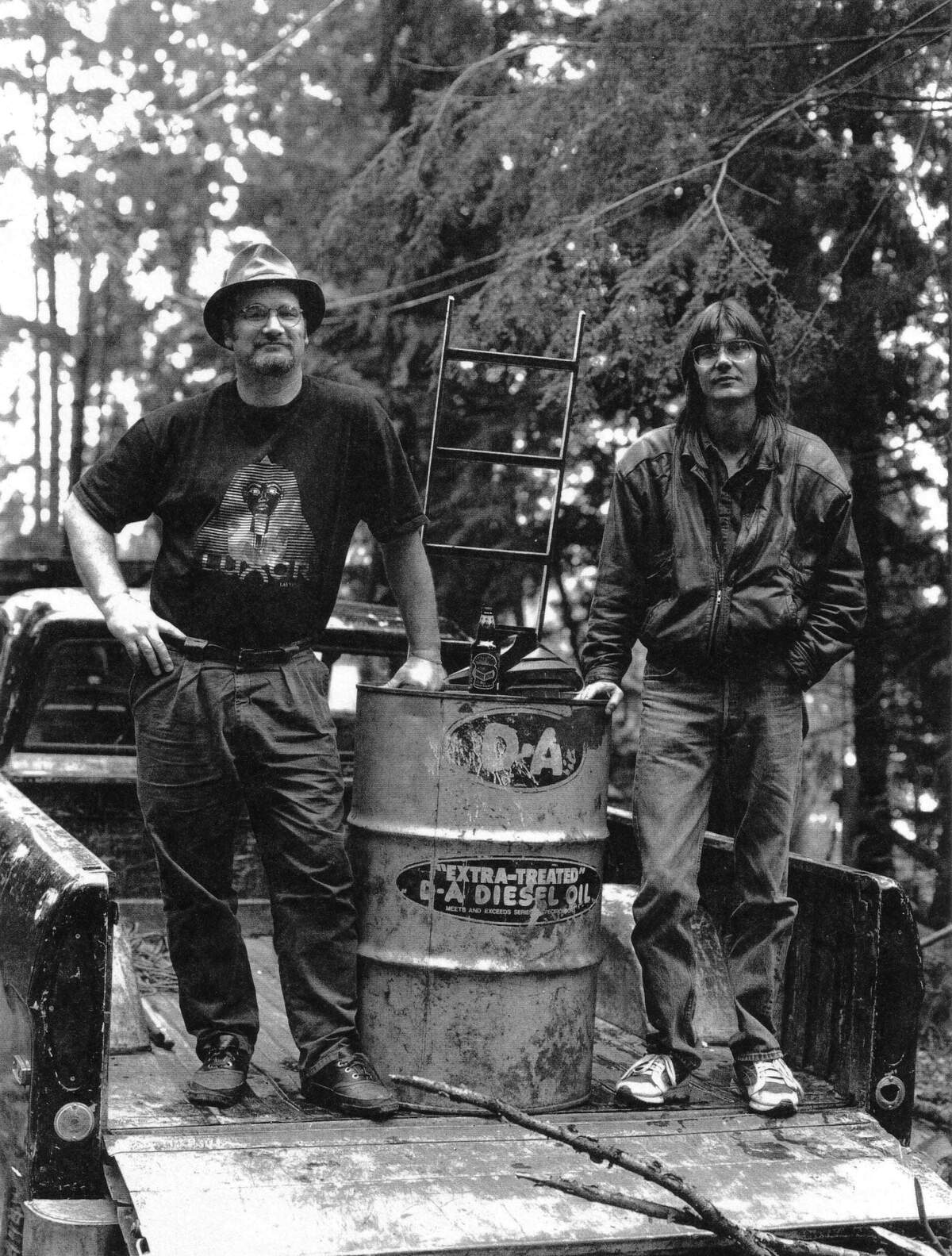
Headline photo: Ken Coffman (1980)
Stairway Press Website