
Palo Alto Interview: Inside the Remixed World of ‘Les Furtifs, émeute musicale’
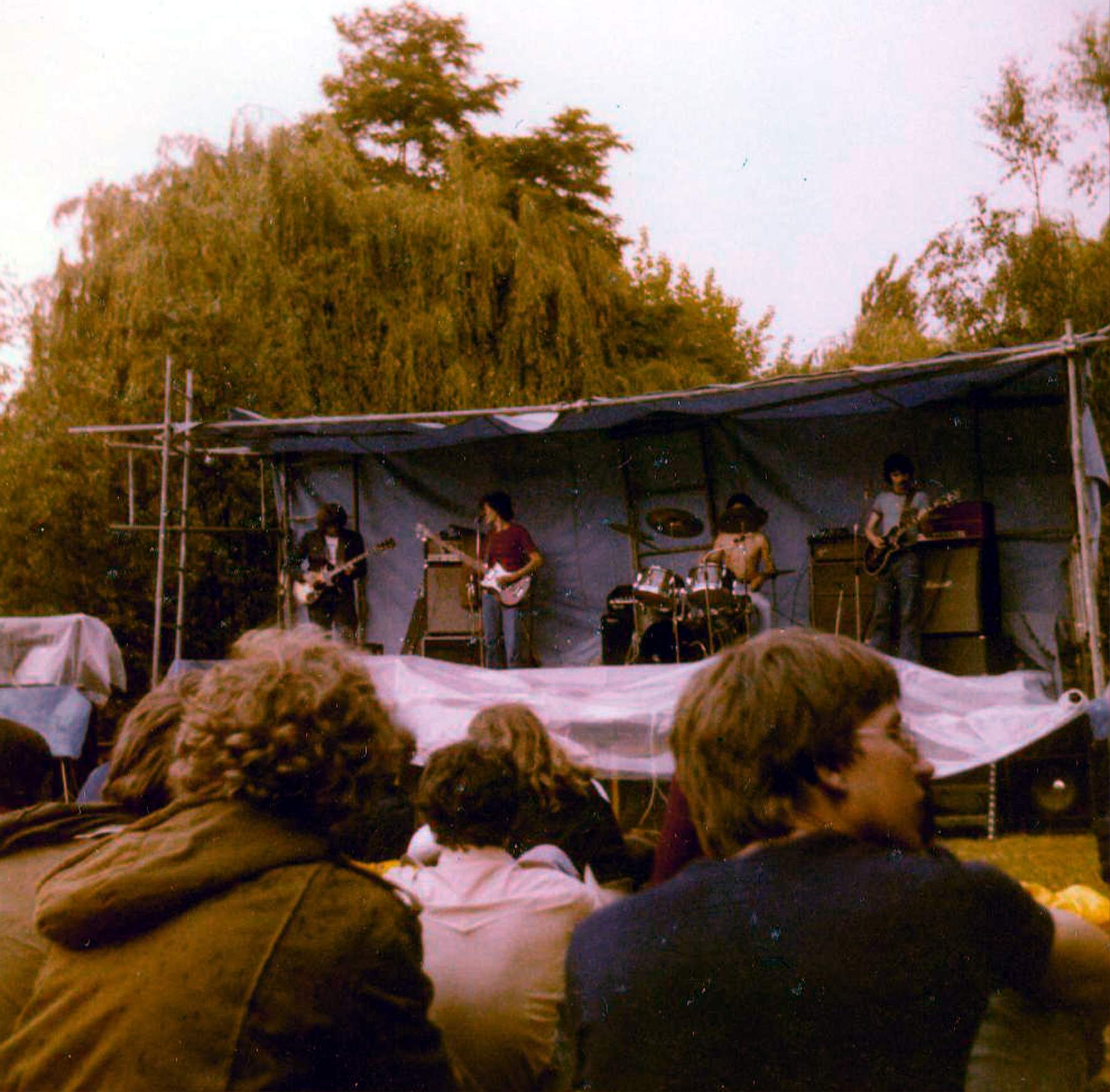
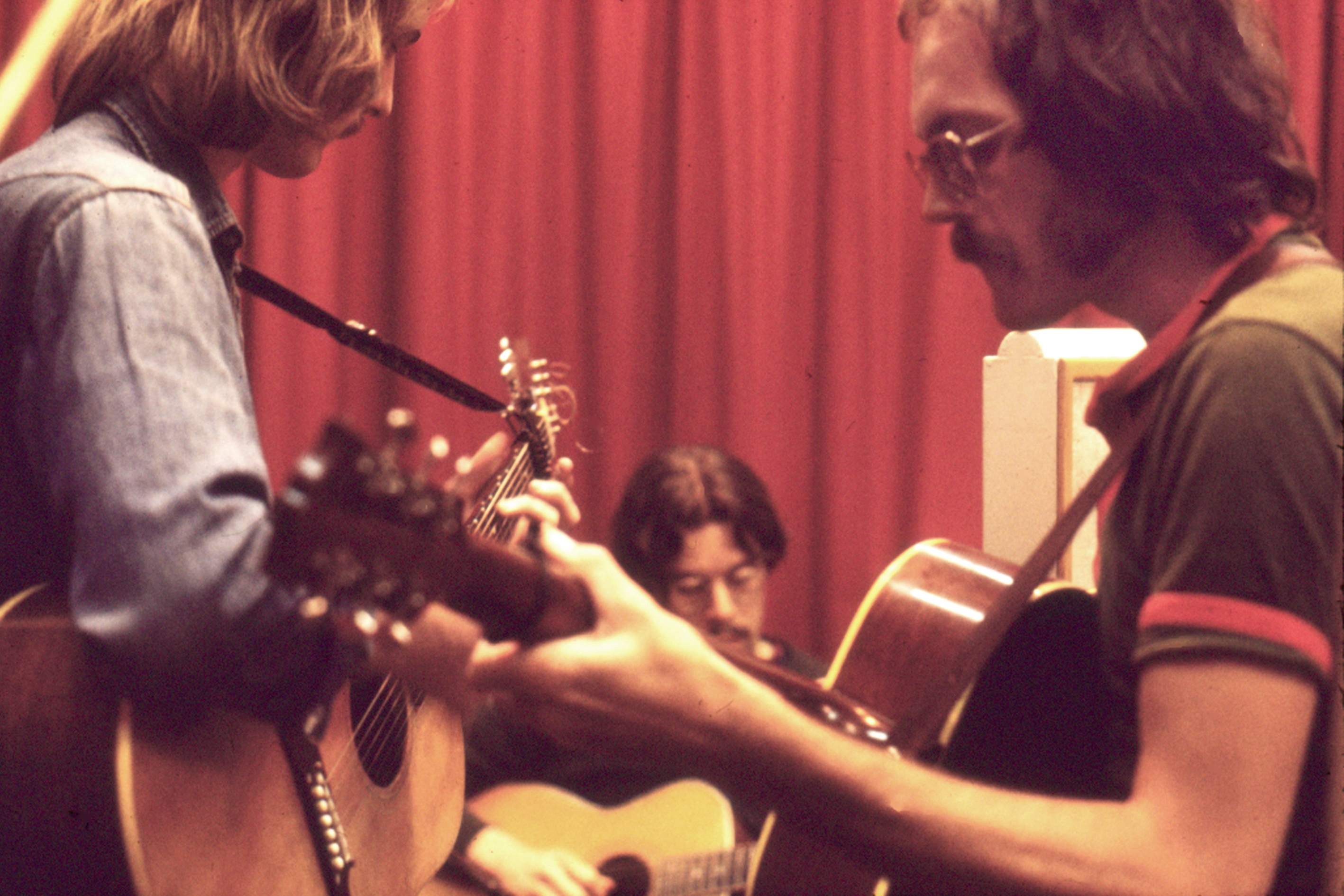
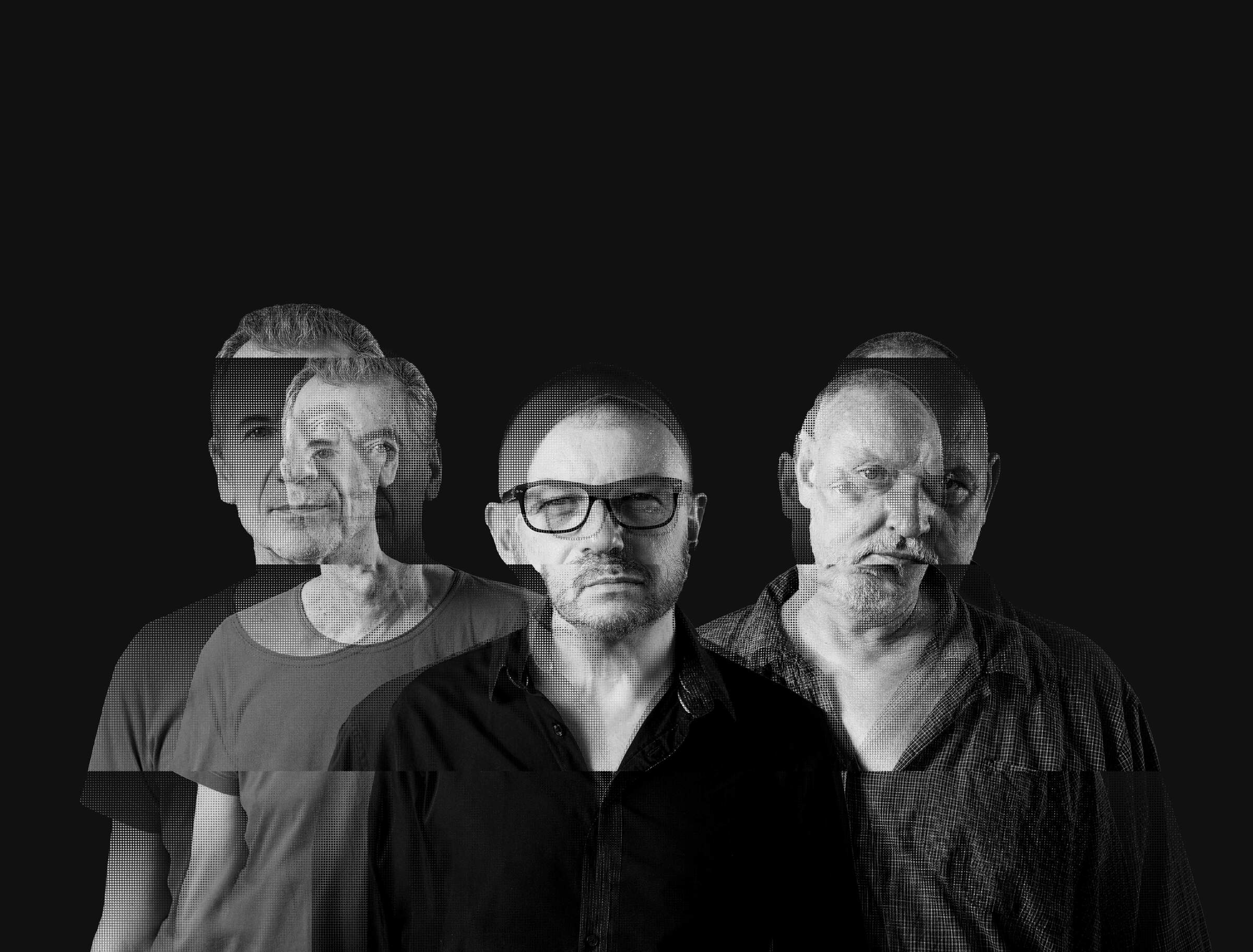
Palo Alto started in Paris in the late 1980s and have spent more than three decades doing things their own way.
Over the years, they have released a dozen albums and moved between structured composition, improvisation, electronics and collaborations with writers, filmmakers and visual artists. Literature has often appeared in their work, with projects connected to figures such as Lewis Carroll, J. G. Ballard and Gilles Deleuze, though the band insists this was never part of some grand plan. It simply happened naturally.
Their latest release grew out of a meeting with French science-fiction writer Alain Damasio. In 2019, Damasio invited Palo Alto to join him on stage for a performance based on a chapter from his novel ‘Les Furtifs’. The event took place at the Oh les beaux jours ! festival in Marseille and was only supposed to happen once. Instead, it kept going. More dates followed, the show reached new audiences outside literary circles, and eventually a concert at Paris venue La Maroquinerie was filmed and recorded.
The music was written to accompany Damasio’s text, but not to overwhelm it. As the band explains, the challenge was finding the right balance. The words had to remain at the centre while the music created its own space around them.
Now the project has taken another turn with a remix album. Palo Alto handed the original multitrack recordings to eight artists: Ptôse, Pacific 231, Judith Juillerat, Herb Duncan, Norscq, Thierry Zaboitzeff, Lefdup & Lefdup and Electronicat. The results go in different directions, sometimes rhythmic, sometimes abstract, sometimes surprisingly danceable. One of the standout tracks is Herb Duncan’s remix of ‘La ville est à nous !’, accompanied by a video created by Kiki Picasso.
After more than 35 years, Palo Alto are still moving forward in their own way. The lineup has changed, the projects have changed, but the spirit remains the same. What keeps the band going is friendship, curiosity and a shared desire to keep exploring new ideas together.
“The band’s spirit has remained the same since the 1980s.”
When you listen back to the first Palo Alto recordings, and then to ‘Les Furtifs’, do you still hear the same band in there somewhere?
Before I answer your first question, I’d like to thank you for your invitation and congratulate you on the quality of your magazine. Same band? Well, between our first album, released on cassette in 1989, and ‘Les Furtifs’ today, the band is no longer the same, as there have been a few lineup changes over the years. But the band’s spirit has remained the same since the 1980s. We started with very structured music (music stands/scores), then out of a sense of taste (and radicalism) we moved toward total improvisation, and finally we’ve returned to a form of composition. That’s the case with ‘Les Furtifs’. So it’s a show where, aside from a few interventions by a genetically modified saxophone, everything is written.
This project started as one performance with Alain Damasio, and somehow it grew into a tour, a filmed concert, a record and now a remix album. When did you realise it had become more than a one-off encounter?
It was probably when organizers outside the literary circuit began to request the show. The first performance and the few that followed took place in publishing-related settings, such as literary festivals. In fact, they were organized by Damasio’s publisher. Then, seeing that the publisher was starting to struggle to keep up, which is normal, since it’s not his line of work, the show was added to a booker’s roster, and we were thus able to reach a wider, more “rock” audience. It was in this context, for example, that we played at La Maroquinerie, a Parisian venue renowned for its rock-heavy lineup.
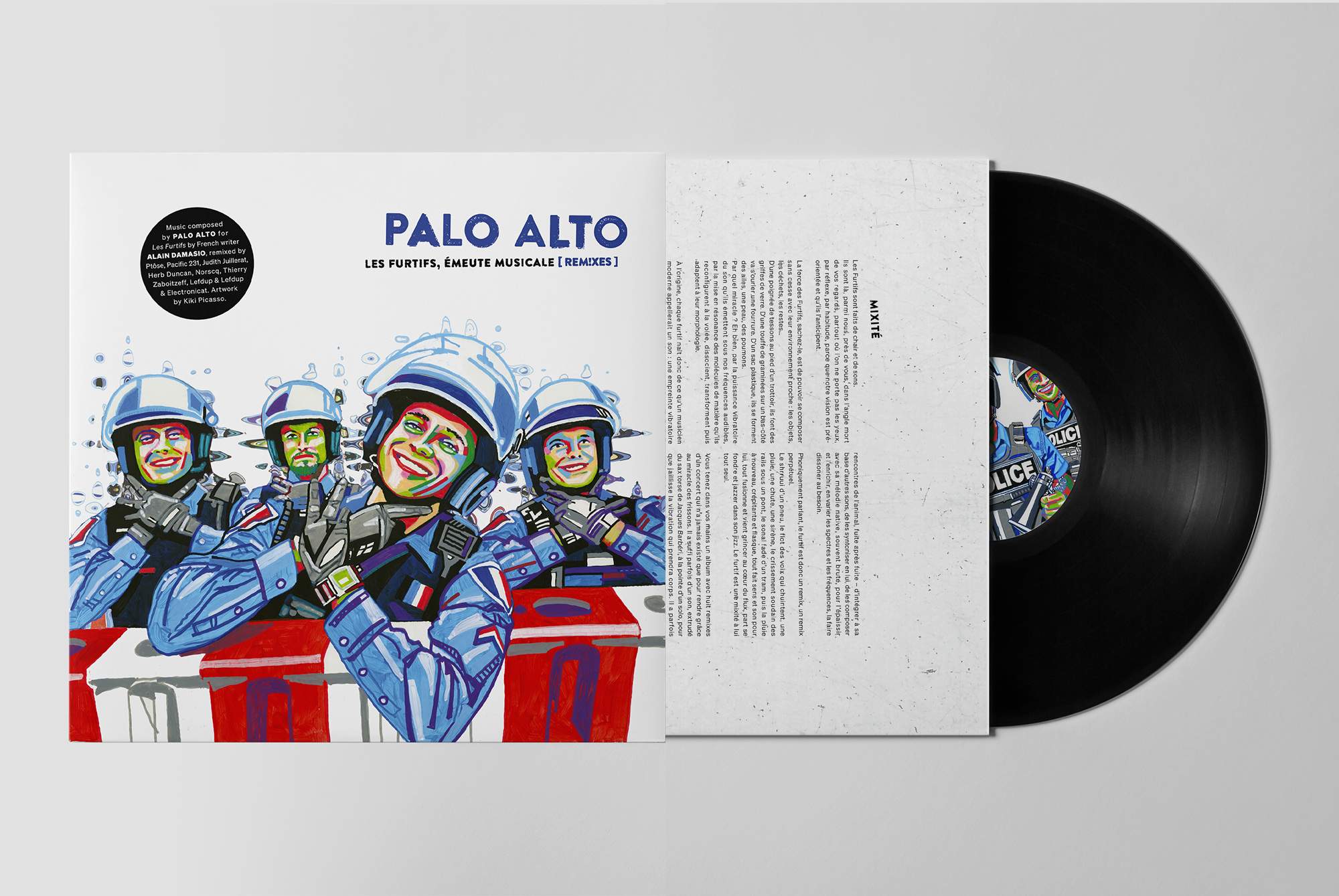
What drew you to this particular part of ‘Les Furtifs’? It’s such a tense moment in the book, full of movement, fear and revolt. What did you hear in it musically?
It wasn’t us who chose this part of the novel. Alain Damasio, the author of the book, came to our studio to record one of the four tracks on our previous album. It was after that session that he asked us to accompany him on stage for a literary festival in Marseille. The choice of chapter was made by Damasio, who thought our music would fit well with the urban riot described in the text.
There is something delicate about turning a scene of unrest into music, because you do not want to make it feel like a nice dramatic effect. Was that something you thought about while making the piece?
Yes, constantly. Composing music for a literary performance is a delicate task. The music must be present, but the text must take precedence; otherwise, the audience might lose sight of the narrative. And one must avoid falling into the trap of simply providing a “soundtrack”. Damasio’s text is powerful enough on its own. There was no need to add dramatic effects or sound illustration.
The original performance has Alain Damasio’s words and a very clear narrative world around it. The remix album lets the music travel somewhere else, sometimes into something more rhythmic, more abstract, even more club-oriented. Did any of the remixes make you think, “I did not know that was hiding inside the music”?
No, not really. But all the proposals were great and really surprising. These are real remixes, that is to say, we gave the eight artists the multitrack files of the original versions from Palo Alto. It’s always interesting to see what an artist can do with another artist’s raw material. That’s why we like remixes. It’s us without being us.
I love the title ‘La ville est à nous !’ because it can sound joyful, angry or even slightly frightening, depending on who is saying it. What did Herb Duncan and Kiki Picasso bring to that piece that changed the way you saw it?
Yes, it’s a very bright, danceable remix. We love it a lot for those reasons too. This version, and the same goes for the others, enjoys a freedom that the original versions don’t always have. The Palo Alto tracks had to adapt to the lyrics, not go beyond them, and sometimes take a back seat. Whereas the eight artists on the remix album weren’t constrained by the lyrics. Their only constraint was the length, as the whole thing had to fit on a vinyl record. Musically and artistically, we naturally gave them carte blanche, free rein. We see the bright side of Herb Duncan’s track in Kiki Picasso’s music video. But that’s somewhat his trademark: reinterpreting sometimes difficult imagery with vibrant colours.
“Palo Alto is also a story of friendship.”
Books and writers have been close to Palo Alto for a long time. You have worked around Lewis Carroll, Philip K. Dick, Ballard, Volodine, Deleuze and now Damasio. What is it that literature gives you that music alone does not?
We don’t need literature to compose. But we’re absolutely passionate about working with or for other art forms. Contrary to what people often think about us, our connection with literature isn’t a conscious, deliberate choice. What I mean is, we didn’t wake up one morning and say, “Let’s create a musical band around literature”. It’s worth noting that Jacques Barbéri, the group’s saxophonist, is also a writer, the author of some fifteen science-fiction novels. We’ve adapted several of his texts. Working on texts by Deleuze, Carroll or Ballard feels natural to us. But we don’t theorize about it. We’ve also composed for film and dance, and we work with visual artists. But it’s true that our relationship with literature is the most visible, no doubt because it’s recurring.
Your previous album was built around Gilles Deleuze, and now you are working with Damasio’s world of bodies trying to escape surveillance and control. Do you feel there is a conversation between those two projects, even if you did not plan it that way?
Yes, for us the connection is clear. It was no coincidence that we contacted Alain Damasio whilst working on the album about Deleuze. We were aware of his in-depth knowledge of Deleuze’s work and thought. The society of control lies at the heart of ‘Les Furtifs’, and although Deleuze did not write a book on the subject, he did touch upon it.
Palo Alto has always seemed to belong to a certain family of adventurous music, with connections to artists such as Tuxedomoon, Coil, The Residents and Art Zoyd. But you have also worked directly with people from that world, or asked others to reinterpret their music. Do you feel you are still part of an underground tradition, or has that idea changed completely over time?
It’s difficult to give a collective answer to that question. Personally, I have too much admiration for the bands you mention to imagine that Palo Alto could be part of that family. They’re major influences, not to say foundational ones. It’s a bit like the ‘literature’ label; we’ve also got the ‘underground’ label stuck on our foreheads. Having both labels together isn’t great for selling records, but that isn’t the main objective. I think, in fact, we don’t think in those terms. We write this kind of music because it’s also what we like to listen to. Our audience is small, just like the print runs of our albums. We operate on the fringes of the mainstream music industry. And from that perspective, our current situation isn’t very different from what it was when we first started out.
In the early days, your music circulated through cassettes, small labels and word of mouth. With this project, there is a concert, a film, a CD and DVD release, a vinyl remix album, Kiki Picasso’s artwork and a video clip. Do you enjoy giving a project all these different lives, or does it sometimes feel as though the music keeps escaping you?
When possible, we like to invite other artists, musicians or not, to participate in our projects. And we also like that a project can take several forms, or even that it can address different audiences. The ‘Les Furtifs’ project is very representative of this mindset. But we can do this because we have no commercial constraints; we must not be “profitable”. And we are fortunate to be supported by an artistic foundation that makes all of this possible.
Your early recordings from the beginning of the 1990s were recently brought back into the light. What was it like hearing that younger version of Palo Alto again? Did you recognise yourselves immediately, or did some of it feel like music made by strangers?
The sensation is strange because some of these recordings are over 35 years old. We have not forgotten them, but today we listen to them with a new ear. Personally, I hadn’t listened to them again since their initial release. What’s interesting is that I completely forgot the context of the recordings. So the tracks are both familiar and foreign. I can say to myself, “But how did we record this?” or “Where does this sound come from? How did we achieve such and such an effect?”
After all these years, what still makes you want to be Palo Alto? Not simply to make music together, but to keep this particular name, this particular history and this particular way of looking at the world alive?
I think it’s a combination of several things. It might not be immediately apparent in our music, but we have a lot of fun; we take our projects seriously, but we like irony and self-deprecation; we’re quite clear-headed about the band’s status and fame, and that doesn’t cause any frustration; there are no ego issues, no insurmountable artistic differences, no major disagreements. Palo Alto is also a story of friendship. And, perhaps most importantly, it’s a collective desire to continue the adventure for all these reasons. To “look at the world”, to use your expression, through the eyes, but above all the ears, of Palo Alto and share this ‘vision’ with the audience. Without this desire, we wouldn’t be playing gigs or making records. And then, it took us 35 years to get an interview in ‘It’s Psychedelic Baby!’, so this is not the time to stop.
Klemen Breznikar
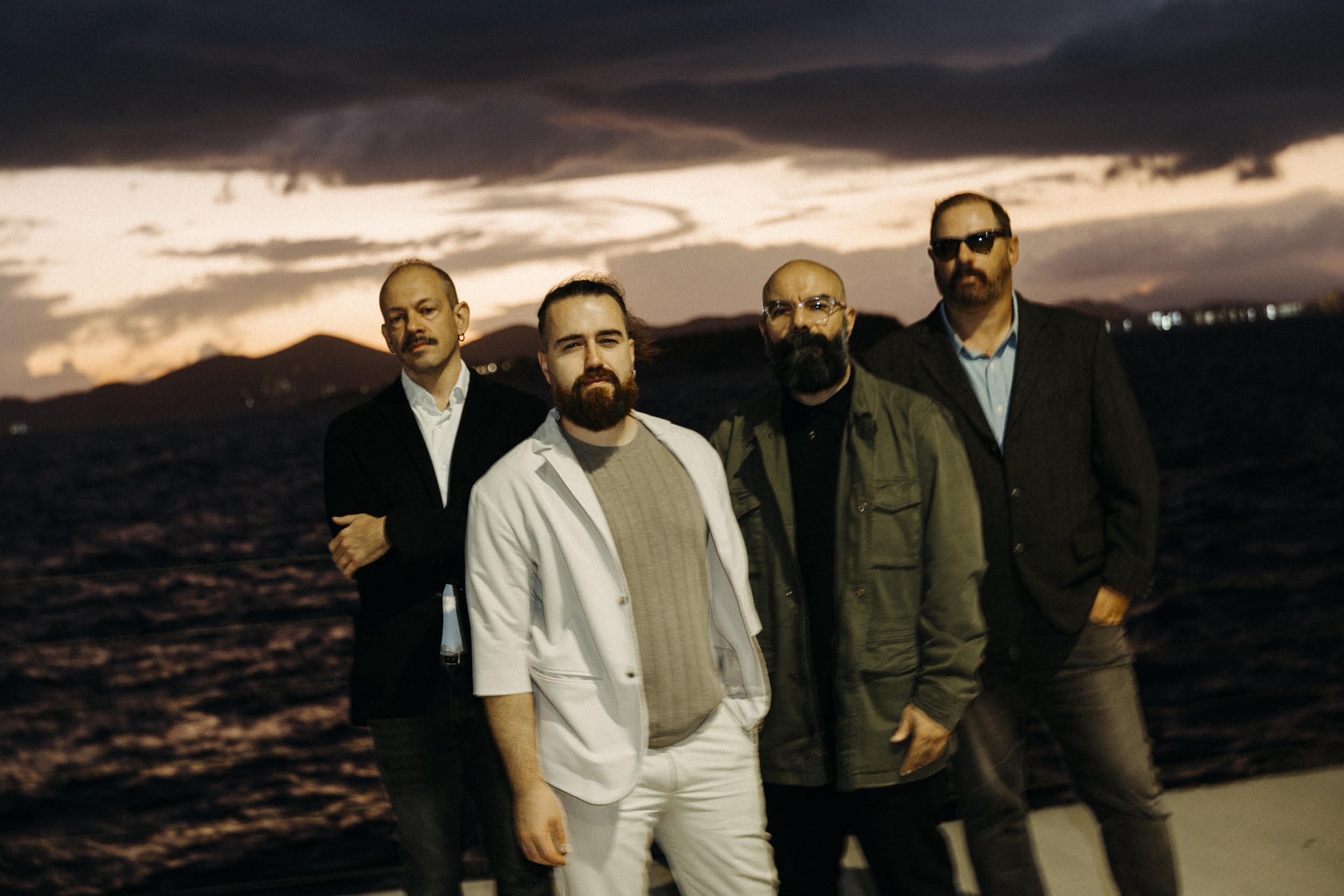
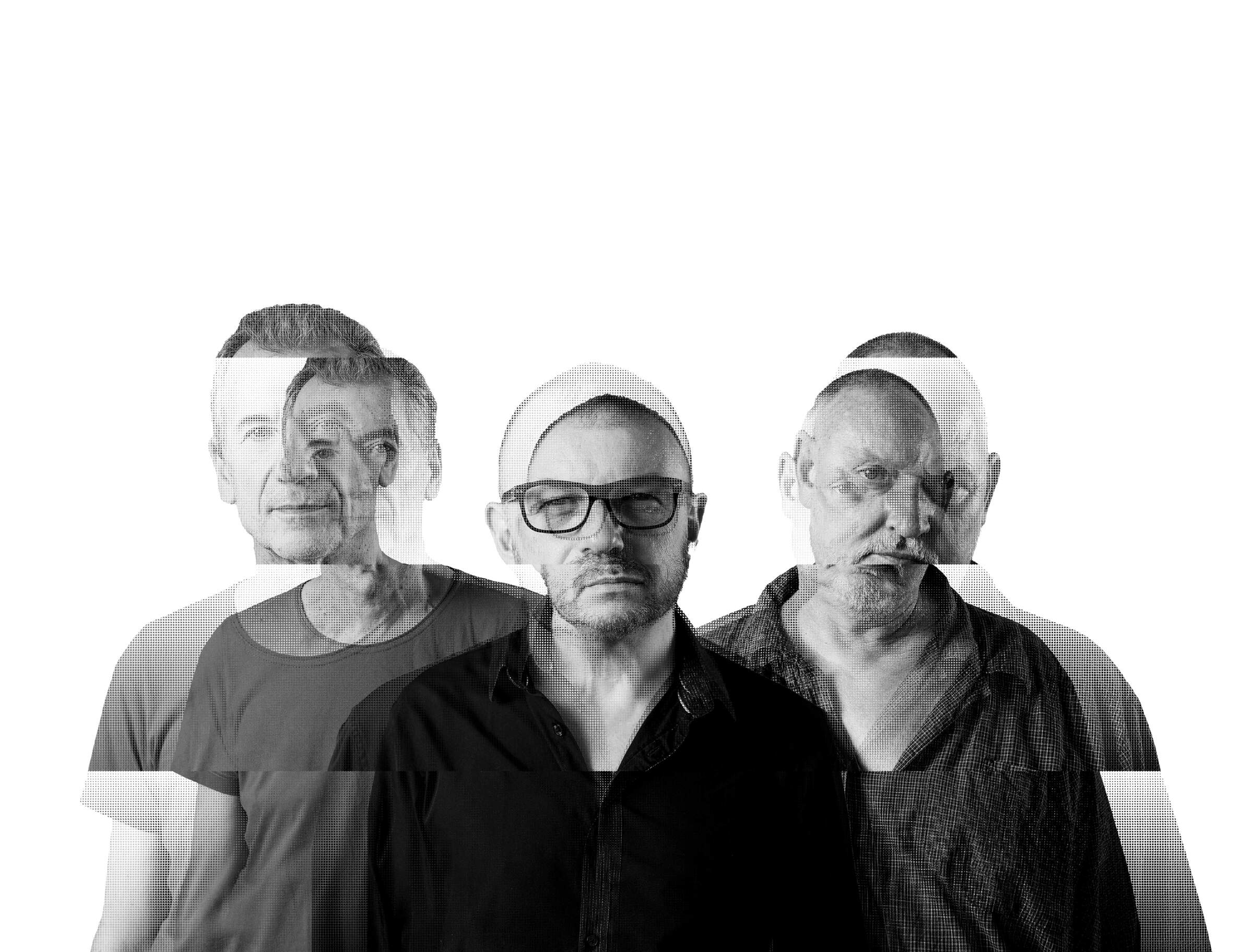
Headline photo: Palo Alto (Photo by Benjamin Bechet)
Palo Alto Website / Facebook / Instagram / Bandcamp
Hublotone Facebook / Instagram / Bandcamp / YouTube