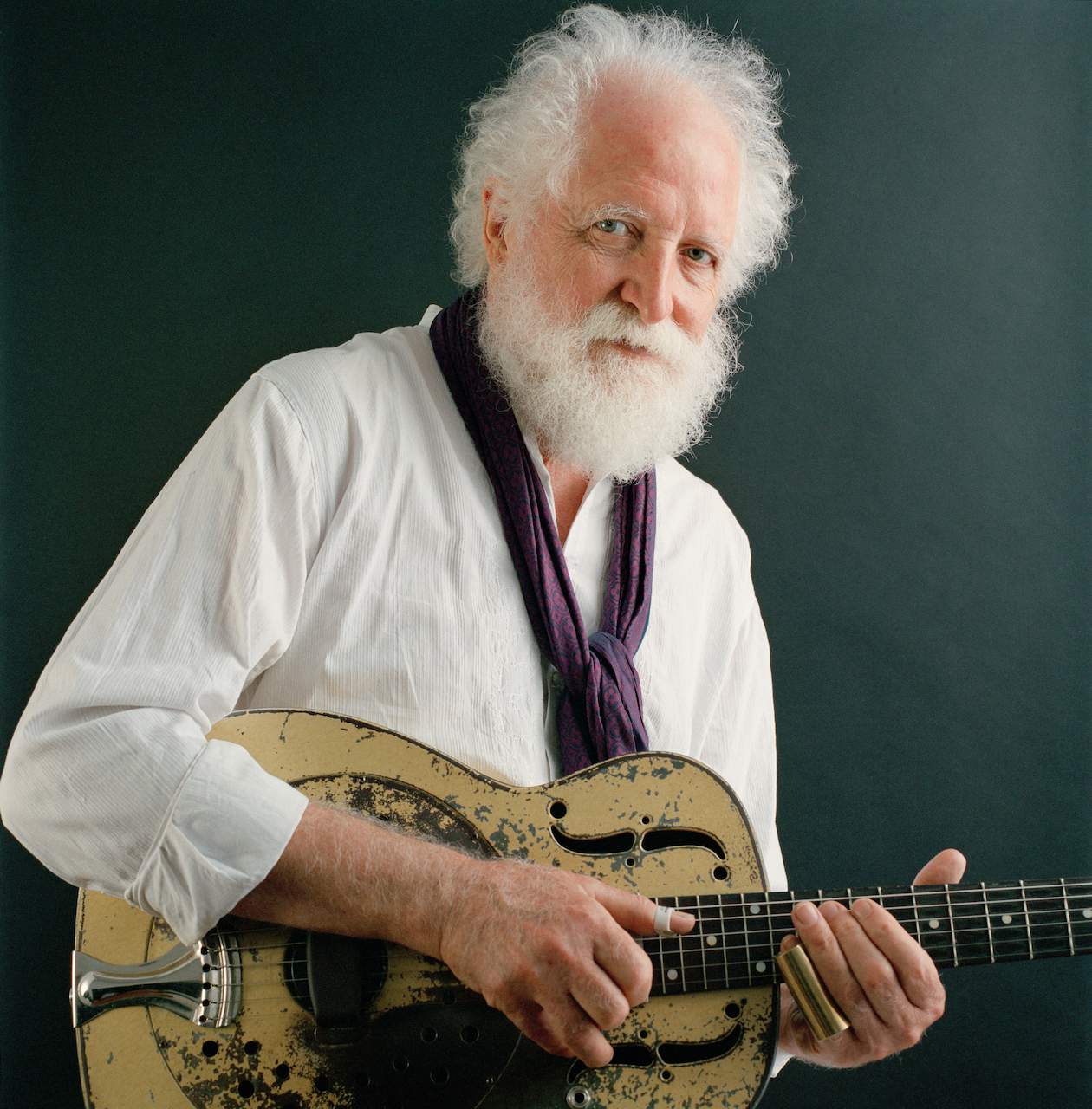

Ken Whiteley: “I make music to bring people together, to experience our inherent connection”
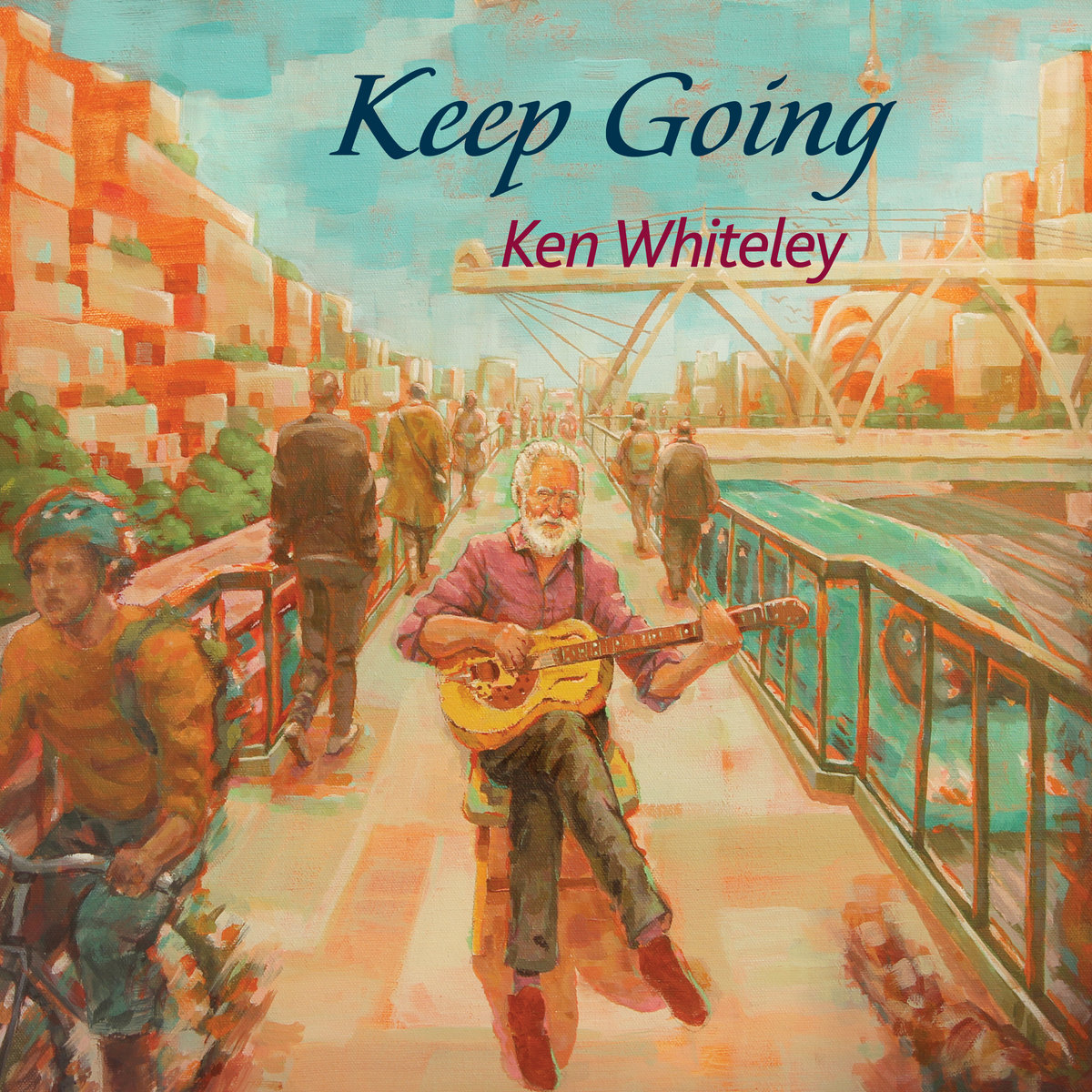
Ken Whiteley’s new album started with an accident. In February 2025, he slipped on ice and broke a bone in his ankle. Unable to walk freely for a month, he spent more time sitting with his guitar. That unexpected pause became the starting point for ‘Keep Going’, his 37th album.
For Whiteley, the title is not about pretending everything is fine. It’s about carrying on while knowing that life can be difficult and uncertain. That idea runs through the album’s 12 songs, which include new material, older blues and gospel songs, and a co-write with Eve Goldberg.
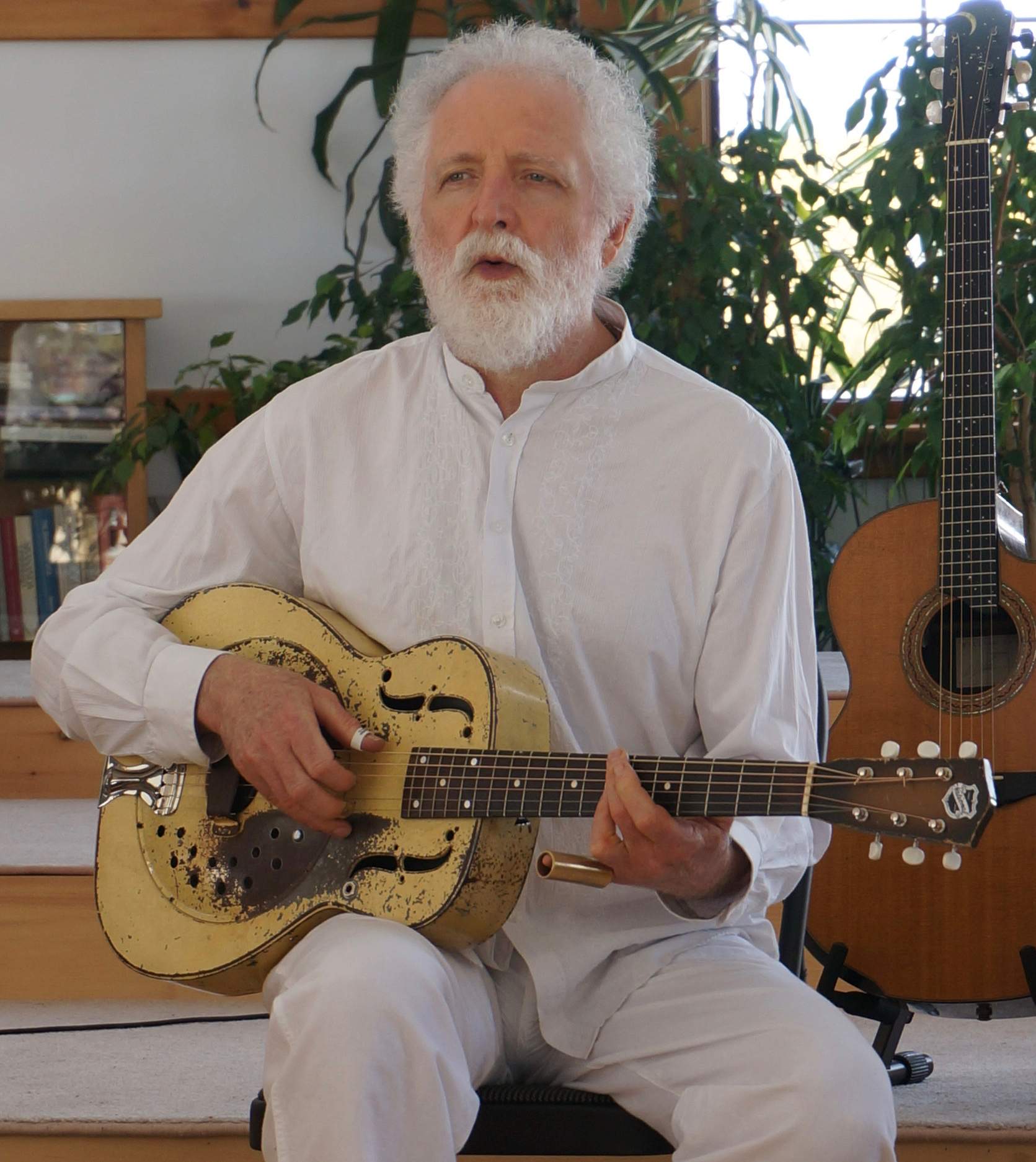
Whiteley has been playing this kind of music for most of his life. He began performing publicly as a teenager and has spent more than 60 years working in folk, blues, gospel and roots music. On ‘Keep Going’, he plays a wide range of instruments himself, including guitar, mandolin, mandocello, piano, Hammond organ, harmonica, bass and washboard.
The album also connects the past with the present. On ‘Going to German’, Whiteley revisits a 1929 jug band song that he first learned as a teenager. He later came to understand its connection to prison and the wider social realities behind the lyrics. Another important moment is ‘Reaching Higher’, which features a vocal performance by the late Betty Richardson from an earlier demo recording.
Whiteley’s career has moved in many directions. He has worked with Pete Seeger, Stan Rogers and John Hammond Jr., and he played an important role in children’s music through his work with Raffi and Fred Penner. He has written more than 400 songs and received major recognition for his work in Canadian music.
As Whiteley puts it, “I make music to bring people together, to experience our inherent connection.”
“Everything builds on what came before.”
You’ve been making music for over 60 years, starting at 14 and now releasing your 37th album at 75. When you listen to ‘Keep Going’, do you hear continuity… or do you hear someone who’s still changing in ways you didn’t expect?
Ken Whiteley: There is both continuity and growth. This album in particular reaches back to some songs that I have performed in one way or another for decades. As someone with deep respect for the blues, folk and gospel traditions, it is always part of the process for me to try to create something that respectfully builds on the music I’ve learned so much from and, at the same time, keep pushing the envelope on my own creativity.
The album started after you fell on the ice and had to stop for a while. Did that time of being still affect the songs you wrote, or did it simply give you the space to write them?
I think it was more a case of making space. I so often wish for more time to “sit around” and play guitar, and not being allowed to walk freely gave me that time. Once I start playing without an agenda on a regular basis, I find the creativity often flows.
You’ve said that “keeping going” isn’t about pretending everything will be fine. It also comes with knowing that nothing lasts forever. Where does that balance come from for you?
My father was always a bit of a philosopher, so trying to look deeper goes way back for me. For about 35 years, I’ve had a daily spiritual practice rooted in yoga and Vedanta. The blues has always been capable of being heavy, and I’m expressing life as I see it.
Betty Richardson’s voice appears on the album in a recording made years before she passed. What was it like to hear that recording again and realize it belonged on this album now?
Betty, like her more well-known sister, Jackie Richardson, was an incredible vocalist. Once I got into both the theme of perseverance and the bluesy musical style for the project, the track ‘Reaching Higher’ was a natural fit. Then it was special to be able to finish the production on what had originally been a demo, albeit one that had Betty’s great performance and some pretty tasty slide.
You’ve played with Pete Seeger, Stan Rogers, and John Hammond Jr. Did any of them say or do something that still shapes how you approach music today?
All three of the people you highlight were incredibly special and all very different performers. John Hammond brought such intensity to every performance, so even old blues songs sounded like they were his own. Stan wrote songs that sounded timeless and sang with that unmistakable booming voice. Pete was inspiring on so many levels: as a songwriter, social activist, spreader of traditions and unsurpassed in getting audiences to sing with him. The common thread is that their art reflected their own uniqueness, and that is what I aspire to do.
Your music draws on old traditions, from Appalachian banjo players to 1920s jug bands. Do you feel like you’re preserving those traditions, or carrying them forward in your own way?
Everything builds on what came before. I come from a place of deep respect for those old traditions, and I want to honour all those incredible music makers who came before me. At the same time, I have had my own experiences, including growing up with a lot of privileges. I relate to elements of the old music that are universal expressions and channel that in ways that reflect who I am now, in this time and place.
You’ve written more than 400 songs, but this album feels especially connected, almost like one continuous thought. Did you know you were making that kind of record at the time, or did you only see it afterward?
I’m glad that you feel it is unusually unified. When I start, I’m pulling things out of the air, and it’s only once some of those ideas are down that I begin to see the unifying elements and build on those. The ultimate test is in the positive reaction the work is getting.
You’ve made children’s music with Raffi and Fred Penner, and you’ve also spent years playing blues and gospel. What connects those worlds for you?
In 1975, I was playing old blues, gospel and swing music with the Original Sloth Band and also running a little coffeehouse in North York where Raffi, a struggling singer/songwriter, would play. At the same time, I had gotten involved in working in schools through the Mariposa In The Schools program and drew on a lot of jug band and old traditional forms, bringing lots of instruments into classrooms. Raffi then approached me to help him record what would become ‘Singable Songs for the Very Young’, and I enthusiastically jumped right in, suggesting banjo here, jug band there, sparkly fingerpicking, playful trumpet and sensitive flute. At the end of the day, it’s all music, and I thrive on the variety.
You play in places like yoga ashrams now, as well as bars. Does playing for those different kinds of audiences change what you think a performance should do?
I make music to bring people together, to experience our inherent connection. That works best when people have some receptivity, so I’m happy to go and perform for any group of people that is going to be receptive to what I do.
On ‘Going to German,’ you take a song from 1929 and connect it to injustice today. Do you ever worry about making that connection too directly, or do you trust the music to carry it?
When I learned ‘Going to German’, I was just a young teenager and didn’t even realize the deeper implications in the song. While the emotional tension between two people was clear, I thought the person singing was going across the Atlantic, not to prison. Once I learned that German was where the nearest state prison was, the song came into focus. Then the larger social context becomes an important part of the picture.
You play a lot of different instruments on this album, from mandocello to washboard. When you’re recording on your own, are you carefully arranging the songs, or mostly following your instincts as a player?
A lot of the decisions are self-evident to me at this point, like whether string bass or electric bass will serve a song better. Accompanying an old blues song with a mandolin quartet is me using my producer mind. Finally, there are decisions that evolve late in the game as I listen to a track and respond intuitively to what I think will best bring it to completion.
You’re celebrating your 75th birthday with a show around this album. After everything you’ve done, what are you still reaching for personally?
When I get in front of the audience at Hugh’s Room Live on May 2, a lot of preparation will have gone into the evening, creating a set list, making sure that band and singers have what they need to do their best and so on. But in that moment, I’m building on all of that work done ahead of time so that magic happens, that we all experience something more than the sum of the parts. I’m reaching to really be present and allow the spirit, however you define that, to work through me so we all experience connection.
Klemen Breznikar
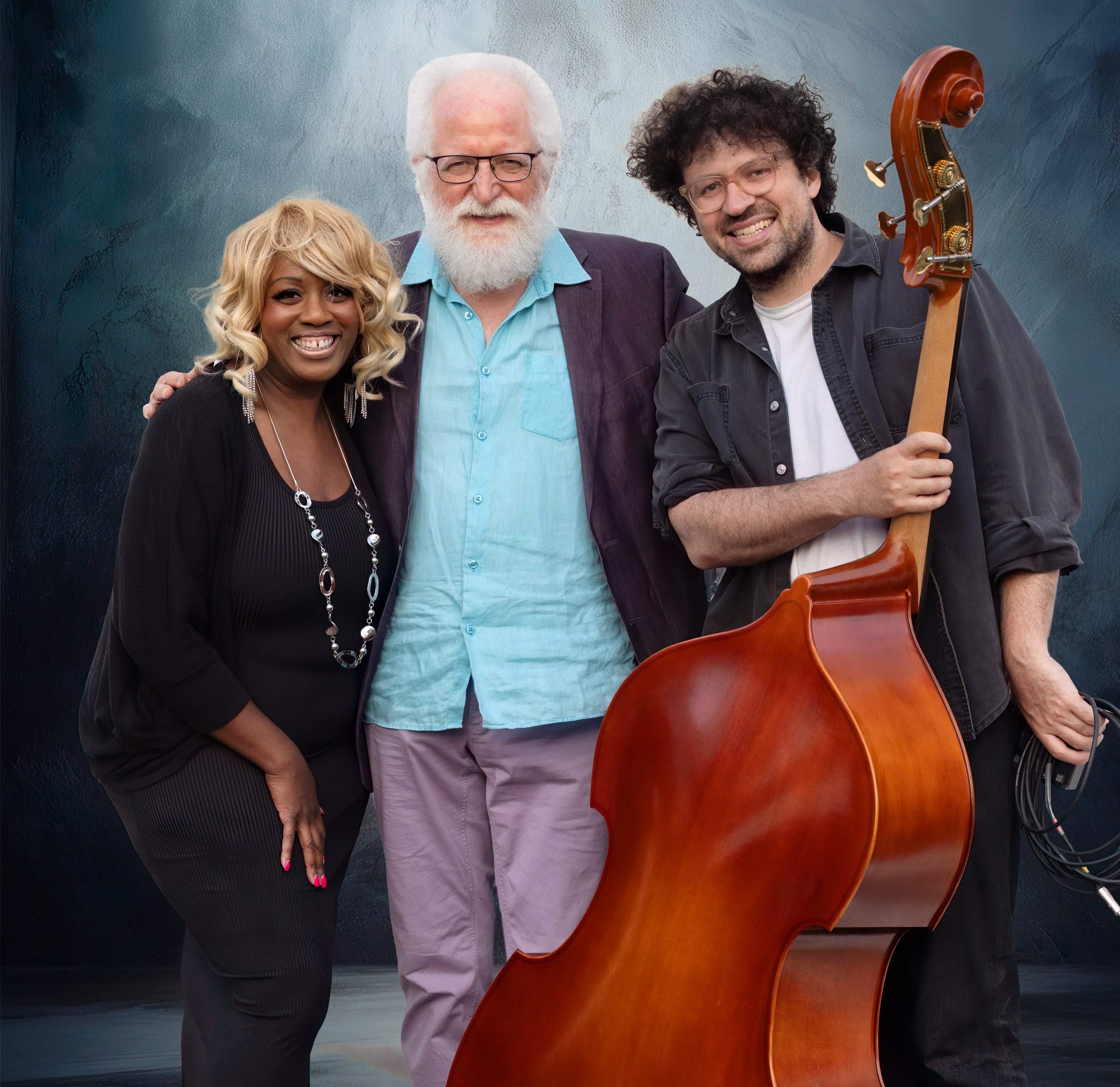
Headline photo: Ken Whiteley. Photograph: Supplied/ThatEricAlper PR
Ken Whiteley Website / Facebook / Instagram / YouTube / Bandcamp