
TESLA’s Frank Hannon Explores His Improvisational Side on ‘Reflections’
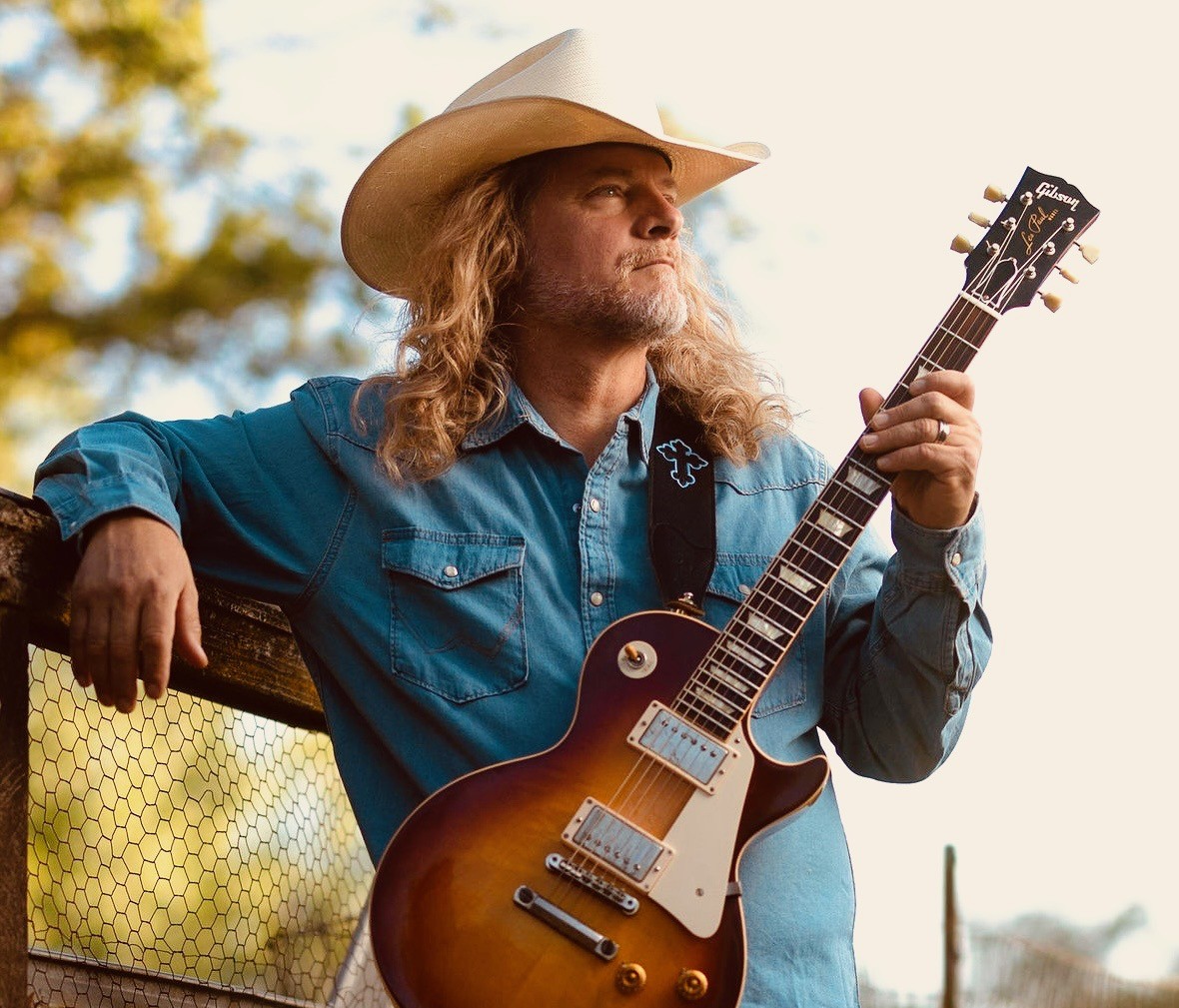
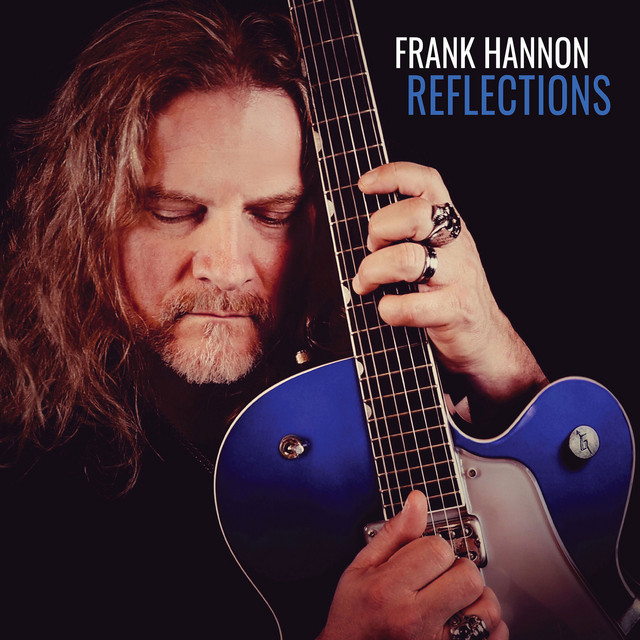
Frank Hannon, co-founder and lead guitarist of TESLA, has released a new solo instrumental album, ‘Reflections’.
The record focuses on a more improvisational side of his playing, with songs shaped by first takes, spontaneous ideas and simple recording setups. One of the first tracks to take shape was ‘Walk in the Rain’. Hannon had been walking home in a rainstorm when the chord changes came to him. Once he got inside, he recorded the idea on the Audigo app, using his phone and a microphone rather than a studio setup. “As soon as I dried off, I plugged in my guitar and used the Audigo app to record what I was hearing in my head,” he says. “That’s the record.” The same approach carried into ‘San Francisco’, the album’s latest single. The track began with a live bass jam and developed through one-take guitar overdubs. During one section, Hannon started playing fast, Spanish-style acoustic arpeggios after deciding he had probably made a mistake earlier in the recording and might delete the take anyway. He listened back before erasing it. “The mistake turned into one of my favorite parts!” he says. The video for ‘San Francisco’ features hand-played oil-light visuals by Chris Samardizch of the Brotherhood of Light Show. Hannon met Samardizch at the Fillmore in San Francisco while performing with the Allman Betts Family Revival, and later sent him the track to see what he might create for it. The collaboration also connects the song to the Bay Area psych tradition that influenced Hannon while growing up in Northern California. Alongside his work with TESLA, he has long been drawn to improvisation, sitting in with artists including moe. and Dickey Betts, his father-in-law. For Hannon, ‘Reflections’ has brought the guitar back to the centre of his solo writing. “I’m feeling more at home with this approach than ever before,” he says.
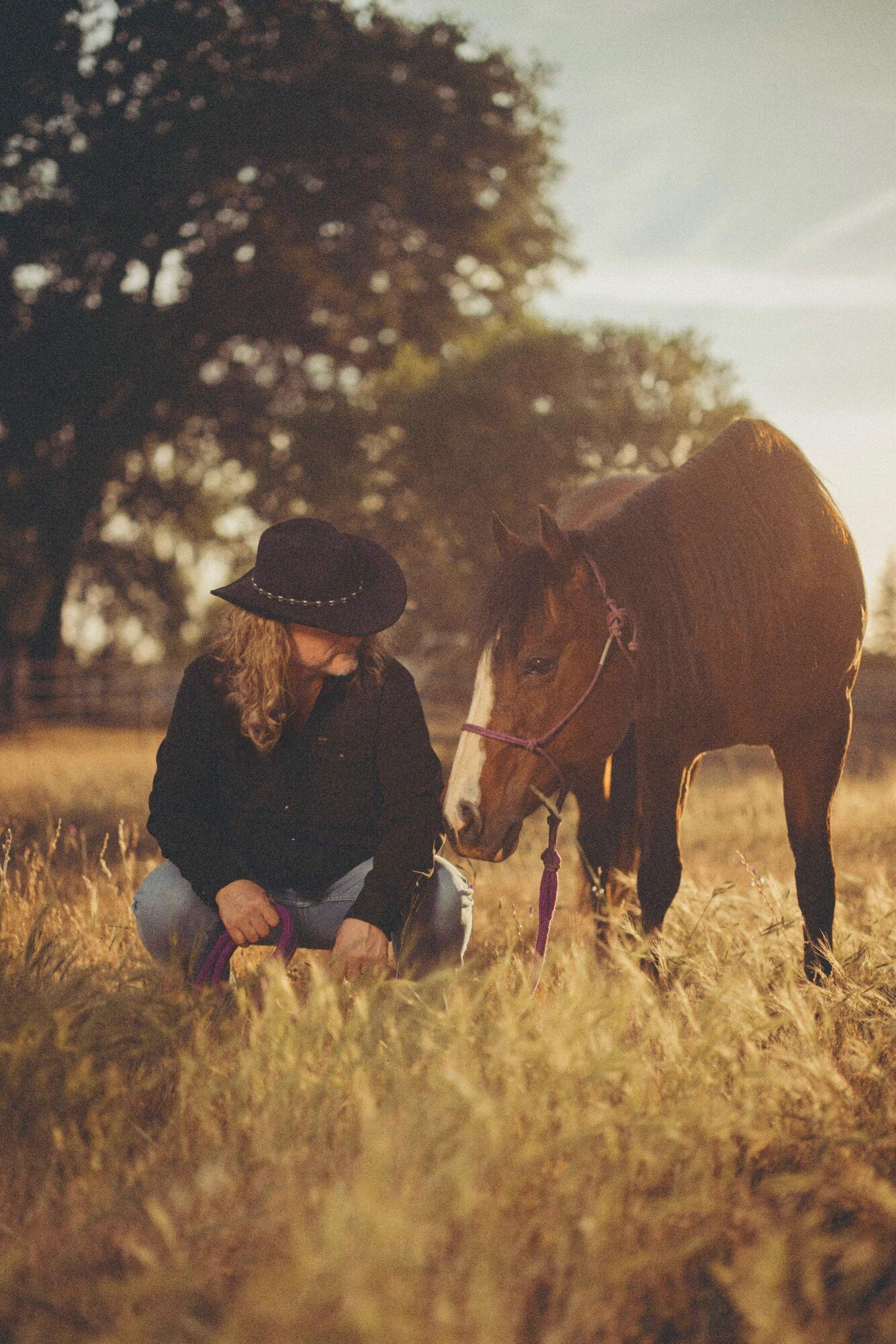
“The mistake turned into one of my favorite parts!”
You’re known for your guitar work in TESLA, but much of ‘Reflections’ was recorded in first takes using an Audigo mic and your phone. Was there a particular session when you realised that this simple, immediate approach was working?
Frank Hannon: Yes. It was ‘Walk in the Rain’, which is track one on the album and the first song that sparked the notion that I was onto something special with the Audigo approach and should make a full instrumental album. There’s a video shot with Audigo as well, from the actual recording session of the improvised lead guitar track that I kept. The chord changes of the song were written in my head just 30 minutes prior, while walking home through a rainstorm that afternoon. As soon as I dried off, I plugged in my guitar and used the Audigo app to record what I was hearing in my head. That’s the record.
You’ve said a lot of these tracks were literally captured as they happened.
I learned way back on Tesla’s first few albums, when I was young and very nervous in the studio, that overthinking, especially when playing guitar solos, can ruin the performance, and usually my best solos were the first random takes. Sometimes I’d actually need to go back and learn the improvised guitar parts after they were recorded as a rough idea, and keep that as the part. Another thing is that sometimes mistakes can sound great.
‘This Is Goodbye’ came from a period of personal loss, but you decided to leave it instrumental.
‘This Is Goodbye’ has a guitar melody that I stumbled on late at night while lying on my sofa in a tired state of mind, and yes, I felt it in my heart immediately. Sometimes I’ll play guitar to relax and just strum through minor chords, picking notes between the chord changes, and the sound will reflect an emotion I’m feeling at the time. If I hear it and can tell immediately that it’s a strong feeling, I will then use the memo recorder on my phone to capture it for memory.
The video for ‘This Is Goodbye’ was shot in Bryant Cemetery, actual 1849 Gold Rush ground. Was that location something you had in mind from the start?
Yes, I was driving to Jackson, CA, one day and noticed Bryant Cemetery’s old-style headstones. The place has always fascinated me, and I stopped to visit the site. It just felt perfect visually for the vibe of the song. I called Brandon Gullion and he brought his camera. My wife Christy loves the song and wanted to participate, so she did some impromptu acting in the video too. It literally came together in one evening.
You worked with Brandon Gullion using very stripped-down gear, a Canon EOS, a gimbal and a minimal setup, and turned it around quickly. Do you think that speed, and not overworking things, is what keeps both the audio and visual sides from becoming self-conscious?
Yes, Brandon’s style of filming, recording and editing is very fluid as well. His talent for capturing a feeling and not overthinking the process is amazing. He is a dream to collaborate with for spontaneous work.
‘San Francisco’ began as a live bass jam, with one-take guitar parts added afterwards. Was the flamenco-style section something you planned, or did it happen while you were recording?
The acoustic flamenco solo was not planned at all, and was totally unexpected. I was recording the guitar on a single acoustic track that I thought I had made a mistake on earlier in the song and was planning to delete, so I just started fooling around for fun, picking really fast Spanish-style arpeggios during that section of the song. Again, based on previous experience, I figured I should listen to it once before erasing it, and I’m so glad I did, because the mistake turned into one of my favorite parts! I kept it.
Chris Samardizch created the visuals for ‘San Francisco’ using the Brotherhood of Light Show’s oil-light style. When you first saw his work with your music, did it feel like a natural fit?
I met Chris Samardizch at the Fillmore in SF when I played guest guitar with Allman Betts Family Revival. He and I hit it off well, and I was fascinated by his talent as a lighting director in the show. He uses authentic oil projections and psychedelic imagery. This project was another example of spontaneous creative flow. I sent him the music for my song ‘San Francisco’ in a text and asked him if he could create something for it. He replied within an hour with the gorgeous imagery you see. It was like magic, and very impromptu. He sent it to me right away.
You’ve sat in with improvisational bands such as moe. After years of playing with TESLA, did that feel natural straight away, or did it take some adjusting?
moe. was so fun! Jamming with bands is something I’ve always loved doing. I dabble with all kinds of styles of guitar, and used to sit in with blues, jazz and raga bands at a club in Sac. called the Boardwalk. I was the Deadhead guy in Tesla, and back in the old arena days we would sometimes extend our sets and solos in ‘Comin’ Atcha Live’ to 15 minutes! Unlike most arena rock bands from the 1980s era, we kinda mixed metal and blues together. Plus, I’ve been very lucky to jam with all kinds of players, and even had the honor to sit in with Lynyrd Skynyrd once!
Some musicians may have seen you mainly as “the rock guy” at first. Do you remember a moment when you felt you had proved yourself in a jam setting?
Yes, there was a special time back in 2004, I think it was. I got to sit in with Dickey Betts on the song ‘Seven Turns’, and I played a slide guitar solo. The audience really cheered loudly, and he looked over and smiled at me. After the show, he told me that we really lit ’em up together.
You were close to Dickey Betts, both personally and musically. Did he ever show you something, or say something about your playing, that stayed with you?
Yes, there are a few things that I observed about the way he played the guitar with feel. Once, he was watching me play and noticed my right-hand picking technique, and he offered me a suggestion: that I use my whole arm while strumming from the elbow, not just my wrist. It added a whole new feeling.
Growing up in Northern California, you were surrounded by bands such as the Grateful Dead, Jefferson Airplane and Santana. Did that improvisational side of your playing remain part of your work with TESLA?
TESLA is a band with five different guys with varied styles, and my style was contributing the jam elements and adding different colors to the rock songs, like country twangs or acoustic intros, etc. So no, I never really stepped away from that, but added it to the existing solid rock stylings of the band.
‘Reflections’ was made during an important period in your life and recorded in a very instinctive way. Is this an approach you would like to continue with in your solo work?
What I learned while making ‘Reflections’ was a rediscovery of the guitar as my main way to express myself in a pure way, so I plan to continue using the guitar more and more as a lead voice in my songwriting as a solo artist. I’m feeling more at home with this approach than ever before.
What I love about guitar is the endless learning of new frontiers, and at this point in my career, I love the freedom to create what’s real for the time being.
Do you often buy new records? If so, what are some of the latest ones you enjoyed listening to?
The most recent newer artists I’ve been really into are Khruangbin and Hermanos Gutiérrez, and Duane Betts has a new album coming called ‘Isle of Hope’ that’s really great. But I’ve also recently gone back to the late ’50s and early ’60s jazz music of Kenny Burrell’s ‘Midnight Blue’ and Grant Green’s ‘Green Street’. Such great stuff!
Klemen Breznikar
Frank Hannon Website / Facebook / Instagram / X / YouTube