
The Jack Rubies: “Reality is currently strange enough”
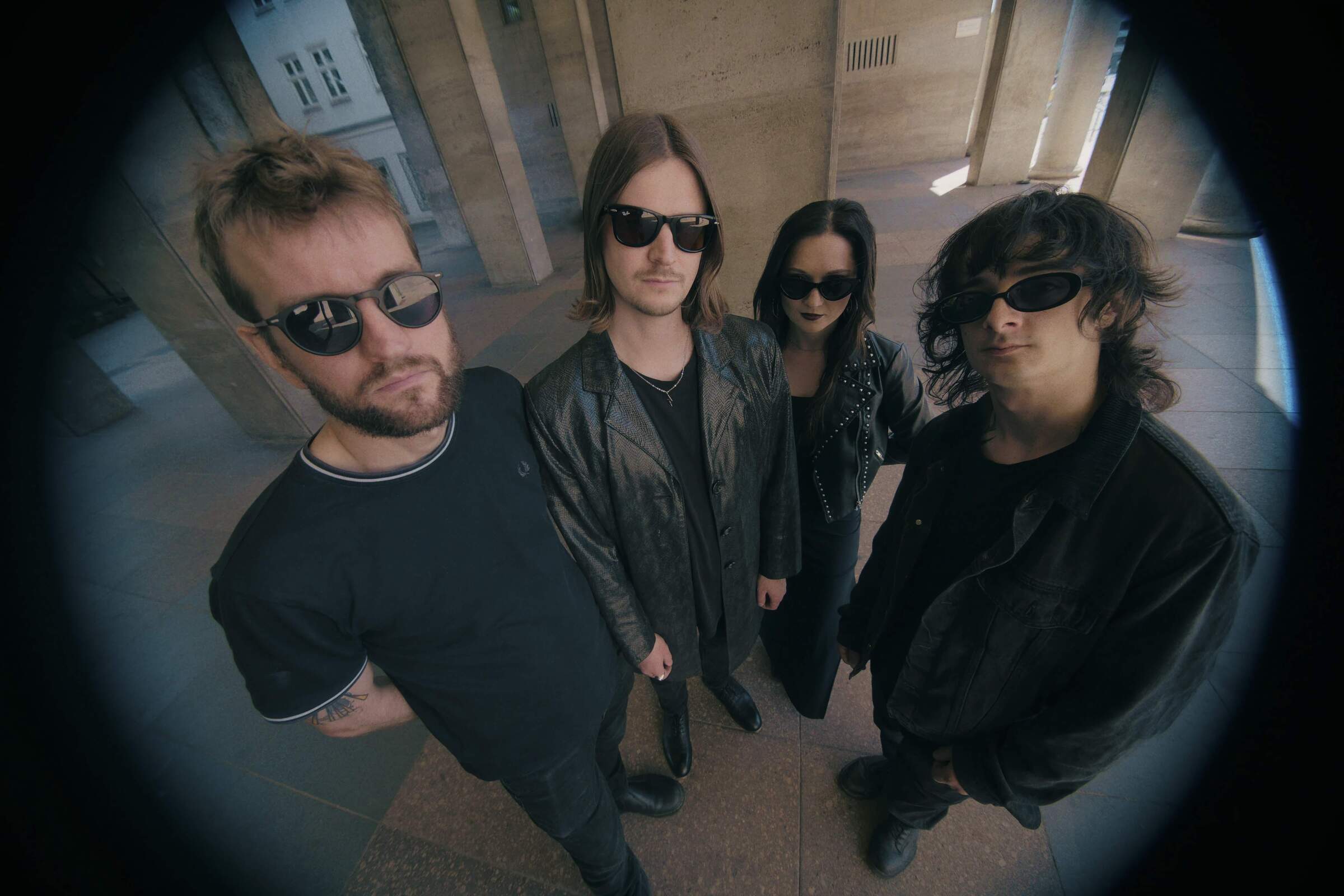
The Jack Rubies returned in 2024 with ‘Clocks Are Out of Time’, their first album in more than 30 years. Less than two years later, the original five-piece return again with ‘Visions in the Bowling Alley’, released by Big Stir Records on 23 January 2026.
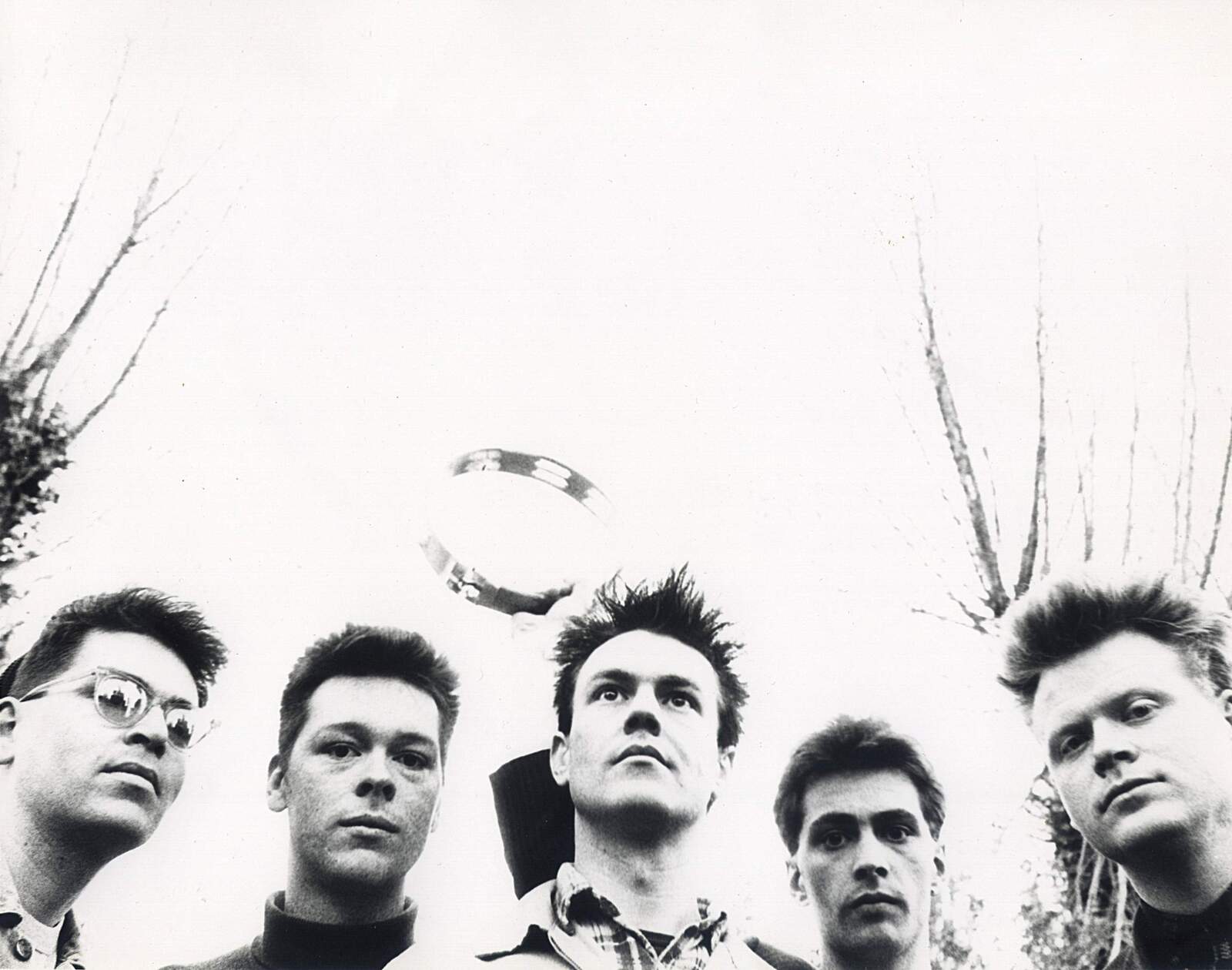
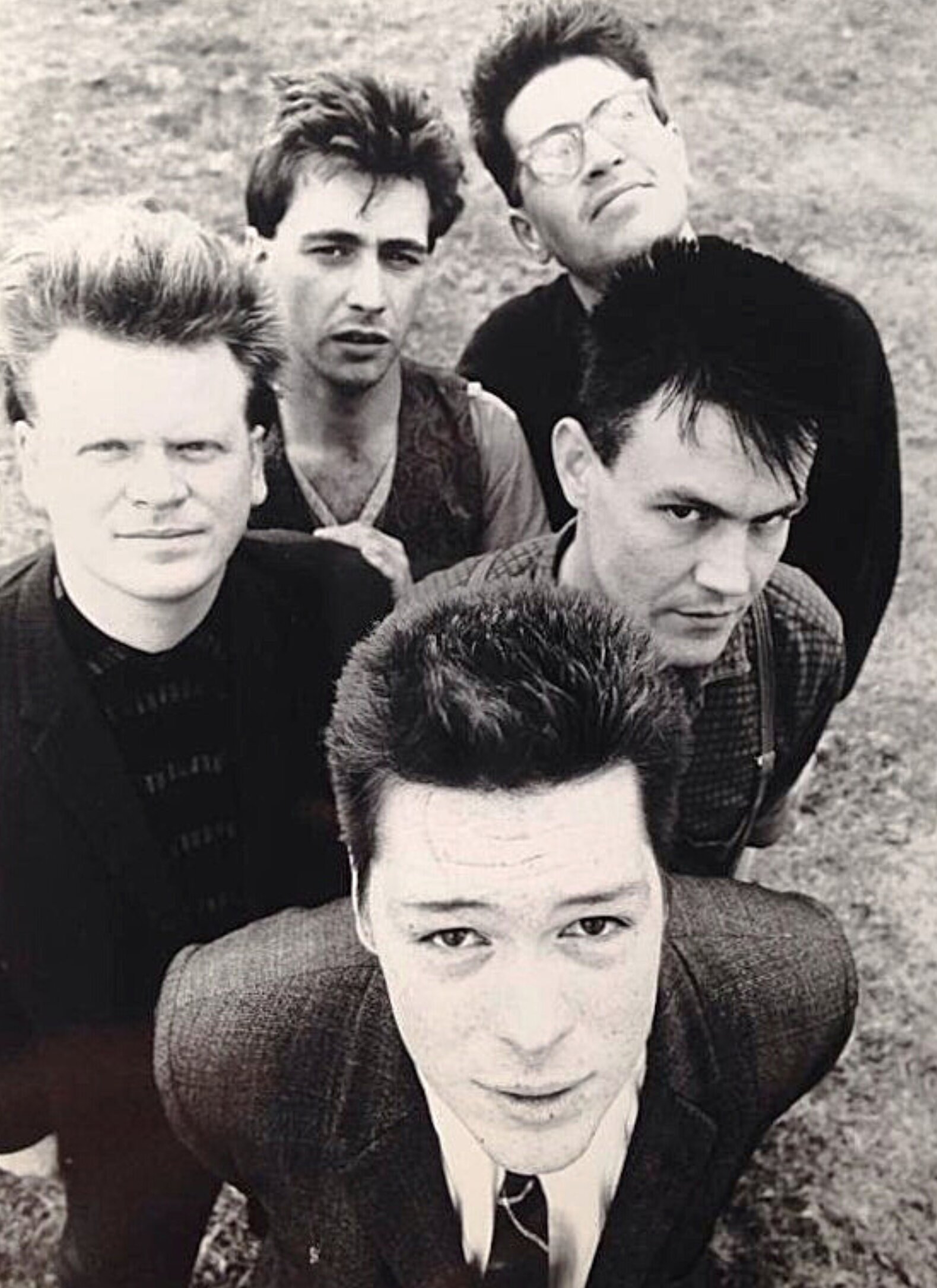
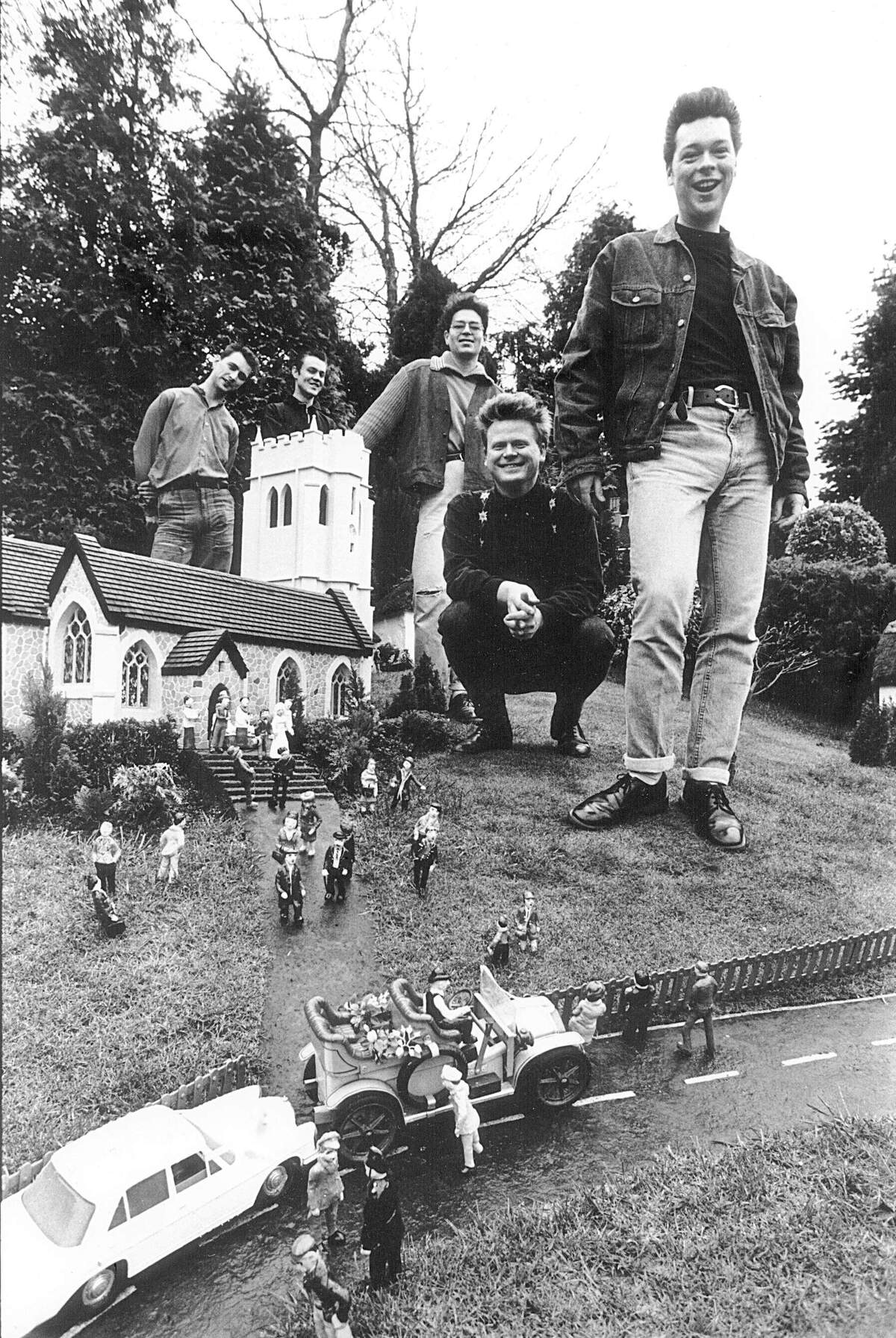
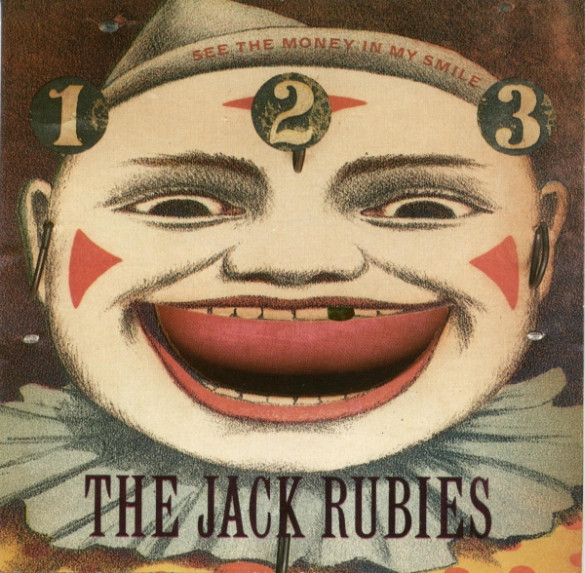
Ian Wright, SD Ineson, Steve Brockway, Lawrence Giltnane and Peter Maxted first emerged from the UK post-punk scene in the 1980s. Their early albums, ‘Fascinatin’ Vacation’ and ‘See The Money In My Smile’, mixed angular guitar music with dark humour and noir-flavoured storytelling. After a long break, the band resumed working together during the pandemic, recording remotely but with the same line-up.
‘Visions in the Bowling Alley’ continues that work… Its songs deal with technology, paranoia, conspiracy, media overload and a wider sense of social unease. Tracks including ‘My Perceptron’, ‘Phantom’, ‘Greedy’ and ‘This Is Not A Joke’ place the band’s familiar wit in a recognisably contemporary setting. Peter Maxted says the pace of new material reflects both the band’s return and the world around them: “We’ve all got a lot of pent up creativity after the hiatus and given that we’re living in what seems to be a demented clownshow at the moment, there’s plenty of material to inspire us.” For Wright, humour remains essential to the band’s approach. “If I’m going to venture at all into the potentially hazardous territory of writing about the world we find ourselves in, then I’m gonna need some jokes,” he says. The album also reconnects the band with its past through the return of violinist Emma Peters, who played on their debut album and joined them on early UK tours. For Maxted, her contribution was straightforward: “It felt like the Rubies coming home.”
“It felt like the Rubies coming home.”
It hasn’t even been two years since ‘Clocks Are Out of Time’ marked your return, and now you already have ‘Visions’ ready to go. After being away for 30 years, you could hardly be blamed for taking things slowly, but it feels like you’re all really enjoying making music together again. Has all this creativity come from wanting to make up for those lost years, or is there just so much going on in the world right now that the songs keep coming?
Peter: I think it’s a combination of factors. ‘Clocks’ started as an experiment: could we even do this? We had a lot of technical hurdles to get over, as well as figuring out how we’d work on material at a distance. By the end of making that record, we didn’t have to think about the method; it was becoming second nature.
Also, I think it was an awakening of the delight in making songs that got lit within Ian. He remembered that he actually got a kick from writing songs. By the end of ‘Clocks’, we’d got a way of working that clicked, and Ian had about thirty years of suppressed songwriting drive bubbling up.
Ian: Once I had got the creative juices flowing again and the wind in my sails for writing, I literally couldn’t stop! Also, the songs on ‘Clocks’ were completed and delivered to Big Stir Records by mid-’23, and so, for the intervening 6-8 months before it was released in ’24, the writing continued in earnest. We definitely had a head start going into the new record, and developed and fine-tuned the material at a fairly intense pace through the next year or so, while ‘Clocks’ was doing its thing.
Stephen: Ian and I met at art school, and the need for a creative process is in our make-up; it’s something we need to do to feel “alive”. We also want to share that creativity, otherwise what’s the point? It’s a game we need to play, and having the support of Big Stir Records was a great incentive to produce material.
When Ian sends me his songs, I usually have additional parts that come to me in a few minutes because we are so “sympatico”. In some cases, I would send musical ideas to Ian, who would then come up with another section and lyrics. The songs where Ian and I wrote the music seemed to gel together quickly once the structure was established.
Ian: Typically, when I’m writing on my own, it’s a convoluted process as I try out different approaches and arrangements of the parts before opening up the results to the others. Since we’re not jamming out the basic structure in band rehearsal or at a sound check, as was often the case historically, where choices could be made quickly in real time, I now prefer to fully sign off on the bones of a song before other elements are tried out.
Peter: For me, I just kept on tinkering with bits of tracks we’d been working on. I love the production process, and in general I like experimenting with music technology, being the resident geek of the band. So I’d try different things out with various chunks of material that hadn’t crystallised into finished songs.
When I edited what became ‘This Is Not A Joke’ from a rough cut of material that we’d captured, but only as a potential idea, Ian got inspired by the way the music was shaping up and wrote the first song for ‘Visions’. In some ways, that set the tone for what would come next. When I got everyone else’s parts for it, it started to sound epic, and I was like, “Here we go!”
Shortly after that, Ian came along with ‘Asteroid’, and we were rolling…
Stephen: In terms of responding to current conditions, I think Ian has always had an instinct for how things can go wrong and the uncertainty of trying to make sense of the madness.
Peter: We’ve all got a lot of pent-up creativity after the hiatus, and given that we’re living in what seems to be a demented clown show at the moment, there’s plenty of material to inspire us.
Ian, your lyrics have always had a slightly dark, cinematic quality, but on ‘Visions’ they feel especially connected to the strange world we’re living in now. A song like ‘My Perceptron’, with its focus on intrusive technology and deepfakes, feels very timely. Back in the ‘Fascinatin’ Vacation’ days, that darker mood felt more like part of a film; now, it feels much closer to everyday life.
Ian: Given that much of the lyrical content was written well before the last US election, it appears that I do have some second-sight superpowers, ha! But seriously, I am simply responding to the weird energy in the ether, trying to capture the zeitgeist and cut through the political polarisation, while leaving people to make up their own minds about what I’m saying. I don’t want to explain or lecture about the words. I hope that whoever’s listening will have their own personal interpretation, maybe in a way I hadn’t even intended. It’s a pleasure to release this stuff into the wild and let it fend for itself.
Peter: It’s an interesting question. As a close observer of Ian’s material, it feels to me like his earlier songs, although always having elements of autobiographical detail, were more like works of fiction that enjoyed the storytelling, inspired by books and film, often delving into the myths of American culture at a distance through the filter of British irony.
His new material feels more direct and informed by social and cultural observation of our singular times. So maybe it’s less inspired by fiction, because reality is currently strange enough and a bit like a surreal documentary. He’s the Adam Curtis of dystopian pop. He’s managing to be left-field, impressionistic and current all at the same time.
Stephen: Paranoia is really a tool of self-preservation in uncertain times!
Peter, the new record sounds really sharp, but there is also so much going on in it. ‘Phantom’ has that restless ‘Remain in Light’ feel, and the remix is wonderfully eerie. How did you keep the classic, angular Jack Rubies sound we remember from ‘120 Minutes’, while also bringing in these stranger textures?
Peter: I think that’s a good observation. With this record, we all relaxed into the process of recording that we’d proved out with ‘Clocks’. It meant that each member was experimenting more with what they could do with their parts for each song, so I was getting a richer brew of ingredients for making the special soup.
I also think that I was just trying to find what would work for each song purely as a studio production, with less of an attempt to keep it closer to the parameters of our live sound.
It meant that we’d seek out sounds and also additional instruments for the tracks that maybe, in the past, we simply couldn’t, because you’d be on a tight leash with burning studio costs.
Infinite studio time is liberating, but it does give you a new challenge of working out when something’s actually done and not overdone, rather than just running out of time or budget.
That said, everyone in the band is a really distinctive player, so no matter what I do when pulling all of these elements together, there’s an oddness to it that keeps it sounding like the Rubies.
Nobody in the band ever sends me anything anodyne. Usually, the heavy lifting is editing to make it less wild. This, combined with my obsessive tinkering with strange instruments I’ve found online, Ian’s experiments with layered vocals and backing vocals, plus knowing some fabulous creative players to complement the songs, like Emma Peters on violin or Ayumi Ishito’s sax playing, and suddenly it’s a heady brew, but with the Rubies DNA written right through it, like a rock candy stick.
It was so lovely to see Emma Peters back on the credits, playing violin again. For long-time listeners, her playing was such a special part of the first album and those early UK tours. What was it like having her back in the fold and hearing that violin on the new songs? It feels like a beautiful connection between the band’s early days and where you are now.
Ian: I distinctly remember saying to Peter, when we were working on ‘Dead Man’ actually, that it would be fab to have Emma play on some tracks, if she was willing. We were in touch on Facebook, but hadn’t really communicated much in the recent past. Happily, she was totally up for it! Even weirder, I knew she lived in Spain, but when I called her to have a long catch-up chat and invite her to be part of the project, she was visiting family in the UK, in the very same town where Peter now lives! There were several magical occurrences like that while making this record.
Peter: It was fantastic to capture Emma’s playing for the record. It felt like the Rubies coming home.
We recorded it remotely at Emma’s Spanish farmhouse, with me talking her through the process like IT support from the UK, as she’d not recorded remotely before.
What blew me away was just how perfect her playing was and how easily it synced into the tracks. And again, very spookily, with a strange Rubies synchronicity, the sax and violin parts were separate sessions where Emma and Ayumi hadn’t heard each other’s contributions, but for some reason they fitted together perfectly. Uncanny valley.
I have to ask about your cover of The Sensational Alex Harvey Band’s ‘Swampsnake’. It’s such an unexpected choice, but it fits the record beautifully, and Ayumi Ishito’s sax really takes it somewhere special. What made you want to cover Alex Harvey this time around? Is there something in his theatrical, slightly dangerous world that has always connected with The Jack Rubies?
Ian: Watching SAHB perform live on Britain’s ‘Old Grey Whistle Test’ TV show as a lad was formative. I wish I’d seen them in concert, but I was a bit too young. Harvey was creepy-menacing in an ‘A Clockwork Orange’ kind of way, and deeply charismatic. A shit-hot band too: the guitarist Zal Cleminson would sport kabuki-type white face make-up, and the whole vibe was theatrical, with an edge of suppressed violence. Find the clip on YouTube!
Peter: We all grew up with glam rock, and The SAHB were always on the periphery of that as a kind of theatrical, pre-punk glam oddity. They didn’t really fit the times, but were massively popular with a dedicated audience and were renowned live performers. We had all listened to records like ‘Next’, and they were always on our radar. Alex Harvey himself was a tremendously characterful frontman. They sit in our historic DNA a little like T. Rex do.
Stephen: Alex Harvey had the same kind of ironic anger as Ian’s worldview. Harvey was joking but also not joking. Ian too!
‘Be Good Or Be Gone’ is such a great way to end the album.
Stephen: This is one of Ian’s doomed relationship songs. The music is ecstatic and BIG, but the sentiment is romantic despair and longing for something to believe in.
Ian: Ha! That just about sums it up. Rex at the label remarked that the rather stark imagery of holes in heads and dancing on graves, etc., has a touch of the pathos or gallows humour you might find in the work of Johnny Cash or Lee Hazlewood, perhaps, coupled with a very insistent dance groove. Works for me.
Peter: I think we did need something to close out the record that would operate as a bit of twisted romance, something upbeat to balance out the Orwellian boogie on the rest of the record. It wasn’t planned that way. Before we changed the structure of the song and added various elements, it wasn’t reaching its potential, so we hadn’t settled on what to do with it.
Ian: I suggested changing the intro and proposed that SD conjure up some of his trademark harmonica licks, to which he duly obliged, and suddenly the whole thing snapped into focus.
Peter: Ian then layered some extra slide guitar, and it suddenly took off. The final touch was adding Annabel Wright’s dulcet backing aahs to Cat’s more rootsy voice on the choruses, and we had our closer.
‘Dead Man’ feels like a little sci-fi film in song form, with its ’50s character, ghosts and Martians. Your music has always had a very visual side to it, and videos were such an important part of the band in the early days. When a song like this comes together, do you see the story and atmosphere in your head as you’re writing it?
Ian: I had the slower sections first, and I knew that something would need to be added in the middle to give it some dynamic flow. So it was sitting around for a bit, until I realised my deep love for Lemmy-era Hawkwind, specifically the live album ‘Space Ritual’, would be a good jumping-off point for a faster, space-rock interlude, and particularly suited to the words.
My father had recently departed the planet, and I was musing on ghosts and afterlives, and was also wondering if aliens really do observe us hopeless humans. The image came to me of a restless soul continuing to ride endlessly on a bus route, unseen by the living passengers. It had to be the Number 73 bus, of course, which was our main mode of transport across London back in the day.
Peter: Ian’s always referenced visual imagery and filmic stuff in his previous work.
As soon as I heard the rough cut of this song, it conjured strange atmospheres which I just wanted to lean into production-wise and find really unsettling bits of instrumentation to frame it. Then everything else I got from the rest of the band seemed to push it further into strangeness. The only thing left was to lean even further into film soundtrack territory and add a bit of space rock for the middle section. It called for violin and sax, as a guitar solo would have been too obvious.
Stephen: This song reminds me of a surrealistic Sergio Leone quest: to face what? A mystery.
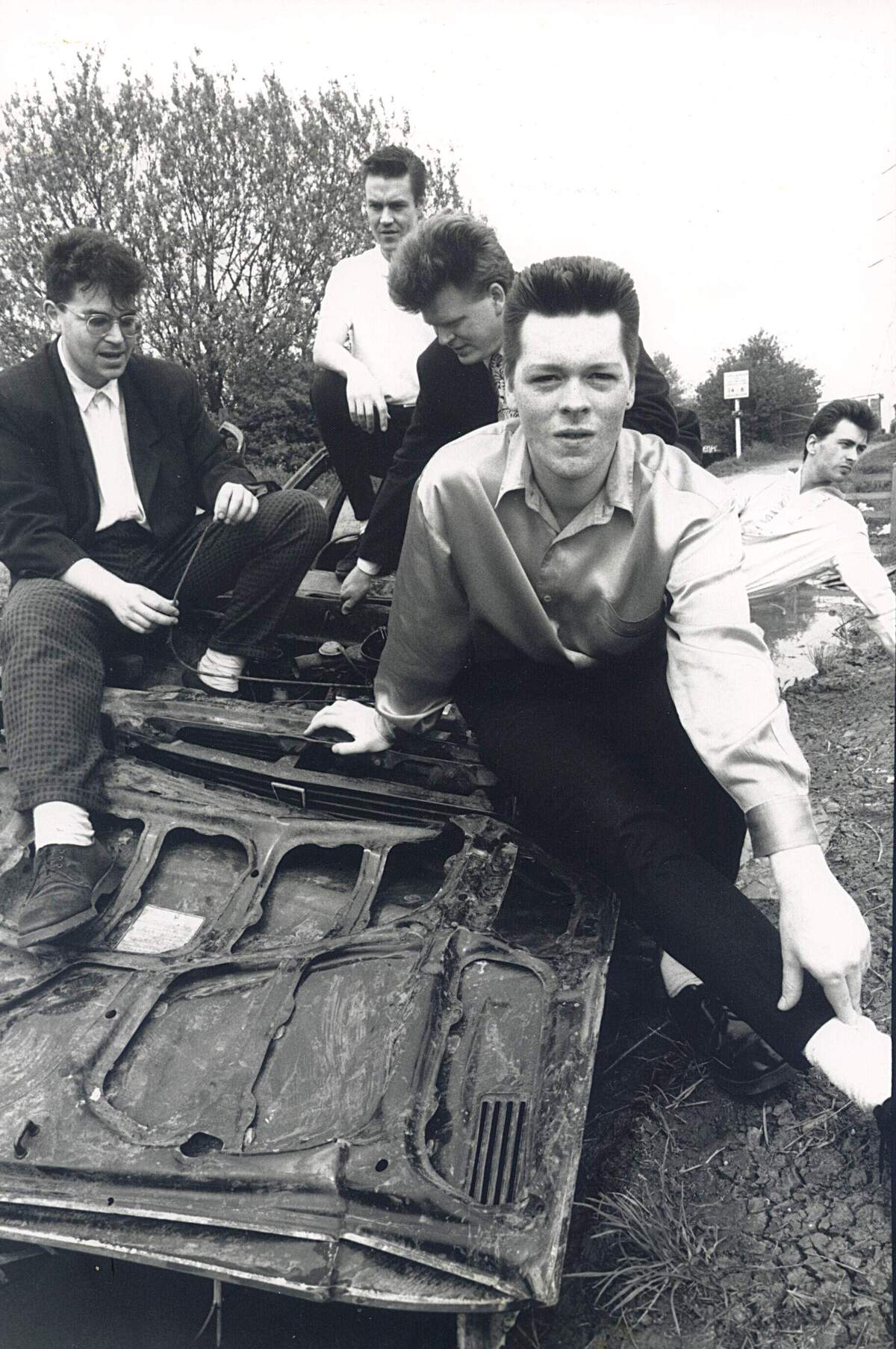
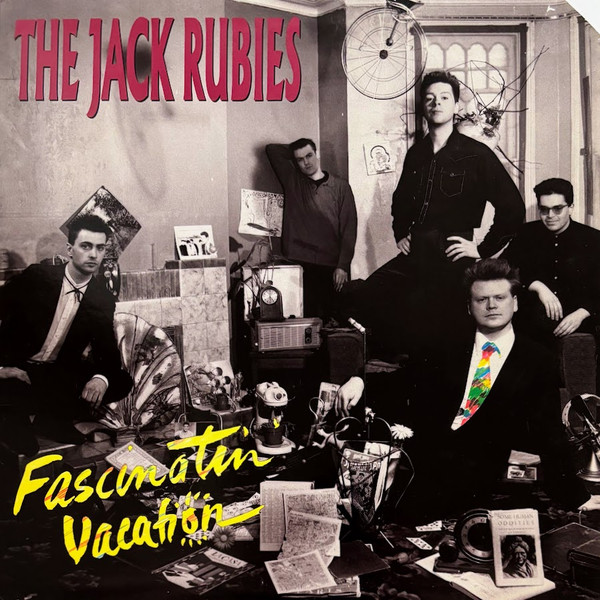
Let’s rewind for a second. Looking back at ‘Fascinatin’ Vacation’ (1988), you were sharing stages with The Triffids and Modern English. When you listen to a track like ‘Be With You’ or ‘Lobster’ now, do you recognise those young guys? Or does that feel like a different band entirely compared to the unit that just made ‘Visions’?
Ian: What I like about our old material is that, for the most part, those songs absolutely hold up and compare well with our second coming. It’s all part of the same body of work, and the two eras complement one another. I talked about this a bit around ‘Clocks’, in that it’s a completely mad notion that a band fairly abruptly comes to a halt on the back of two well-received albums, then falls into a deep sleep for thirty-something years before carrying on like nothing happened.
Also, in the process of working together again, many of the adventures and exploits of our first run have come back into focus. There is a shared cultural memory informing our new work.
Peter:
There’s an element of more considered structure and composition that comes with working remotely, so you don’t get the “on-the-fly” improvisational serendipity quite so much. But in some ways, the process of editing and assembly is more like cutting film, compared to the “in-the-moment” theatre of a band jamming songs out, and this gives it a different edge. You end up with elements and sonic textures you wouldn’t necessarily get in a rehearsal room or even together in a studio.
But yeah, it feels like us, just older and, if anything, even stranger. The bracing power of “don’t-give-a-fuckness”.
‘See The Money In My Smile’ had such a polished sound, and it came from a very different time in the music business, with TVT Records, bigger budgets and so much changing around you. Did any of the pressure that came with that period play a part in the band stepping away? And does working with Big Stir now feel a bit like returning to your indie roots, making music on your own terms and simply enjoying the process again?
Peter: Record company cash always comes with strings attached, or it used to, back in the day.
We were used to artistic independence with our first output because we were always quite self-contained, with visual arts as a background as well as music-making.
Being on a bigger label with more cash had its advantages, but meant we had to sometimes deal with interference on production, track listings, artwork, etc.
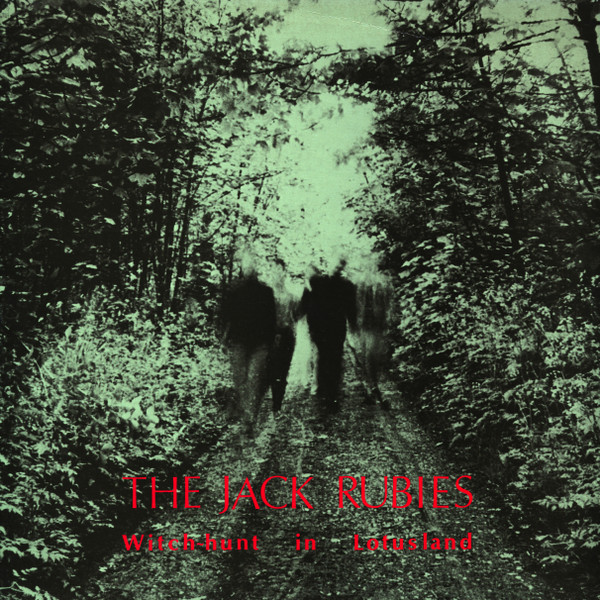
Ian: The first era of the band followed a fairly standard pattern. Our first, self-driven EP, ‘Witch-hunt In Lotusland’, was insulated from any outside meddling and happily received well enough for us to obtain press, a booking agent, publishing, managerial representation, etc., all the parts needed to proceed in the biz as it was at that time.
And really, although there were more cooks in the kitchen, we kept our artistic control throughout this period. Our subsequent signing to TVT was a further shot in the arm, in terms of budget and exposure, but we were occasionally pressured artistically, and actually sometimes with good reason.
In retrospect, much as I enjoyed the trappings of working in a big, fancy studio with an accomplished producer, Pat Collier, for ‘See The Money In My Smile’, I prefer the sound of the earlier tracks that make up ‘Fascinatin’ Vacation’, where band members got their hands dirty moving faders, working alongside Paul Gomersall or Andy Fryer at the controls, rather than sitting on the sofa and having a mix played to you.
Peter: We were left hanging when the label got into financial trouble, and the whole thing unwound just when we’d started to really take off as a band. That did knock us for six. The band fell apart, but not with any acrimony, and Ian seemed to memory-hole the whole thing until quite recently. I genuinely never thought he’d start writing again. Curating the back catalogue sparked things, and it felt good to see material available again. Then we asked ourselves: could we, should we?
Now it feels like a perfect scenario because we have a great label, run by musicians themselves. They’re hugely supportive and give good guidance, but we are left artistically to do what we want to do. All the output is the band: design, artwork, production. No corporate clock ticking. Pressure only to try and make the best music we can.
No major-label drug budget, but these days a decent bottle of red is usually enough.
It’s wonderful that, after all these years, the same five people are still here: Ian, SD, Steve, Lawrence and Peter. What does it feel like being together again now, compared with the band’s early days? Did that old connection and shared understanding come back naturally when you started making music again?
Peter: We’ve all become ruggedly handsome, obviously.
We’re all the same characters. I don’t think our personalities are any different, just leavened with a bit of life experience. They still make me laugh as much as they did. Often, it’s like having a bit part in a ‘Carry On’ film that’s been scripted by Samuel Beckett.
Ian: I was saying earlier how our shared experiences of the past, which got a bit mentally submerged in the lost years, have bubbled back up to the foreground as we’ve negotiated the current period. All of us have personal takes on historic scenes, often remembering the “facts” slightly differently, but that’s OK.
It’s a minor miracle that we seem to have been able to pick up from where we left off at this precise time. I don’t think, for example, that this would necessarily have been the case at an earlier moment in the intervening years. The clocks would have been out of time.
Peter: There’s a level of trust and insight you get when you’ve spent as much time on the road as we have, without killing each other. We have stage telepathy.
That translates into a level of trust that gives you a lot of latitude as a producer. We’re also a bit too old and calloused now to have ego problems.
We can be very frank with each other, and that means that communication about the songs flows very naturally as we work them into shape. If anything, there is less tension and artistic conflict than when we were younger and more full of piss and wind.
We’re all very strong personalities. We’re just lucky that the combination isn’t more volatile.
There are plenty of dark and unsettling ideas running through ‘Visions’, but the album is also very funny. Songs like ‘Asteroid’ and ‘Greedy’ have this wonderful sharp wit running through them. How important is humour in your songwriting? Does laughing at the madness help make sense of the world around us?
Ian: If I’m going to venture at all into the potentially hazardous territory of writing about the world we find ourselves in, then I’m gonna need some jokes. I can’t deal with overly pompous or preachy lyrics, and am fully aware that the subject matter on some of these songs could end up being a very slippery banana skin. So far, I hope, I’m keeping my balance!
I’ve always admired and been drawn to those writers who can marry the dark and dreadful with a belly laugh now and again, or an absurdist take on a banal theme.
“To be hung drawn and quartered / would be uncomfortable and awkward” is pretty much the gold standard to aspire to at the Ian Wright School of Wordplay.
Peter: I think, as personalities, we’re all a little bit too ironic, cynical and mired in surrealist humour to do anything po-faced. Anything too sincere and the cringe factor would kick in.
These days, the unintentional comedy and black farce come daily and thick and fast, just on the news. The only thing you can do is fight fire with fire.
That said, Ian’s current crop of songs has the sort of dark comic edge I look for in most of my cultural entertainment. I’ve always loved stuff like The Fall or Nick Cave’s lyrics, where there’s offbeat humour in play.
Ian never could write a straight love song anyway. There’d always be something weird or sinister in the mix. I reckon he’s now found the perfect time for his songwriting style.
‘This Is Not A Joke’ feels very much like a song for the times we’re living in, with all the rumours, strange beliefs and conspiracy theories floating around. Musically, though, it has this wonderfully rich, layered sound, with the guitars and keys building a whole atmosphere around it. How did the song come together?
Peter: Oddly enough, it came together as a collection of fragmented riffs and ideas. I was playing around with it, but it wasn’t really grabbing us. I added a strange drumbeat to it, and it started to get interesting. I sent it to Ian, and he came back with this fantastic, lyrically rich confection added to it.
Ian: As the dust settled on the ‘Clocks’ sessions, I wanted to write something new that wouldn’t have fitted on that record, and this was the one that emerged. From the get-go, I was spoofily looking at the themes you describe, but it wasn’t until Peter mentioned a show he’d seen about, in part, the worship of chaos, which seemed like a great metaphor, that I knew where it was going.
Peter: I was watching Adam Curtis’s documentary, ‘I Just Can’t Get You Out of My Head’, about the collapse of politics into a soup of conspiracy theories that totally undermines public faith in political discourse.
He talked about “Operation Mindfuck”, where the Discordians, a pretend religion concocted by two high-school students and premised on worshipping Eris, the Goddess of Chaos, placed fake conspiracy theories about the Illuminati into the ‘Playboy’ letters pages. I told Ian about it, and it chimed with him, so it got added into a song that was already shaping up to be about conspiracy.
Later, we found out that Kerry Thornley, one of the founding members of Discordianism, was in the Marines with Lee Harvey Oswald, pre-Dallas, so we decided Eris was trying to tell us something.
The scriptures of Discordianism were handed to its founders by a chimpanzee who materialised in a vision to them in a bowling alley, so those counterculture absurdists gave us the album title too. Like it was ordained.

You quote Hieronymus Bosch: “Life is a simulation!” ‘Clocks’ felt like the band coming back to life, and ‘Visions’ captures the strange world you’ve returned to. So where do The Jack Rubies go from here? Further down the rabbit hole, or is there a chance you might help us find a way out?
Ian: Either that, or we might return to our secret cryogenic chamber and sleep it off for a bit before returning with the answer.
Peter: I think whatever comes next, it’ll come together quite organically. We don’t usually have a theme or a plan; it’s art via ironic observation, so the madness of the times is bound to be a factor.
Either that, or Ian and SD are going to confound me with a collection of earnest ballads. Somehow, I don’t see that happening, though. It’ll be from left field again.
They can’t help themselves. It’ll probably have some jokes too, maybe like in ‘The Matrix’, where Neo gets handed a cookie before the Oracle will talk to him.
Are we being recorded? Oh, I think so.
Klemen Breznikar
The Jack Rubies Facebook / Instagram / X
Big Stir Records Official Website / Facebook / Instagram / X / Bandcamp / YouTube