
Unsung But Not Forgotten: Julian Mount, Weaselsnout And The Private Press Afterlife Of ‘Unsung Lies’
Julian Mount emerged from the busy South East folk circuit with a record that still seems almost too singular, too private and too peculiar to have made its way through time intact.
He remembers the scale of that world clearly. “There were many many more Folk clubs back then than there are today.” Watford alone, he says, once had eight. Mount played them all, often as the headline artist, then went into London and across the home counties for floor spots and paid bookings. It was a working folk life of the old kind, made from regular rooms, long evenings, modest fees and songs carried from club to club.
‘Unsung Lies’ was issued in 1973 under the name Weaselsnout, and it belonged to that same world. “I wanted people who listened to my live performance at Folk clubs to be able to take my music home with them,” he says. That is a lovely reason to make a record. Just songs and the wish for them to go beyond the gig.
Weaselsnout was Mount’s old poet name, brought forward from school into music. “‘Weaselsnout’ was the pen name I used in the arty school magazine as a poet,” he explains. “I wrote poetry before I started to write songs.” The album title came from one of his own lines. “‘Unsung Lies’ is part of one of the lines in my song ‘Unsung Harmonies’, which appears on the album.” The songs tell you a good deal about him. They came from scraps of memory, cartoon figures, friends, imagined scenes and phrases that had lodged in the mind.
‘Unsung Lies’ was recorded in Watford in 1972 and released the following year. It was made with the simplest means, and that nearness remains part of its character. Mount’s account of the process is wonderfully plain. “I used an open reel tape recorder with one microphone. Microphone placement was crucial as you can imagine.”
Mount sings and plays six and twelve string guitars, joined by David Barnett, Mike Woolley, Steve Kerridge and Garry Richardson. Most of the material is his own, with ‘Nottamun Town’ the only traditional song. “The songs all came from me,” he says. “I wrote about cartoon characters, friends, and mythical situations.” That mixture gives the record its particular charge. It’s folk music with gentle strangeness and small flashes of humour.
In time, ‘Unsung Lies’ became one of the rarest British private press albums of its kind. Mount later learned that original copies were changing hands for serious money, with one reaching £1,250. Rare records tend to gather stories around them, but this one has more than scarcity to recommend it. It has Mount’s voice, his warmth, his strangeness and his complete unwillingness to sound like anyone else.
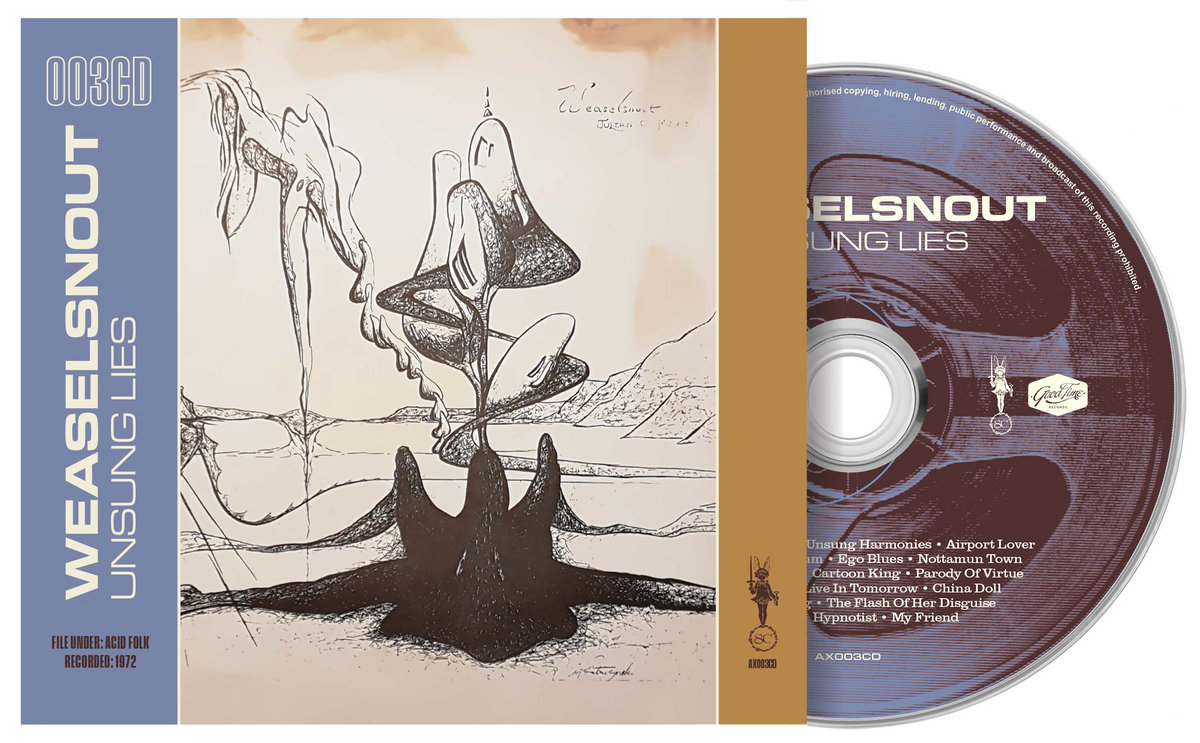
Seelie Court, via Good Time Records, now returns Weaselsnout’s ‘Unsung Lies’ to circulation. The CD edition is set for release on 29 May 2026, with bonus material that extends the story beyond the original album. A replica vinyl edition follows on 26 June 2026, restoring this long sought private pressing to its first format. The fuller account appears in my liner notes for Seelie Court.
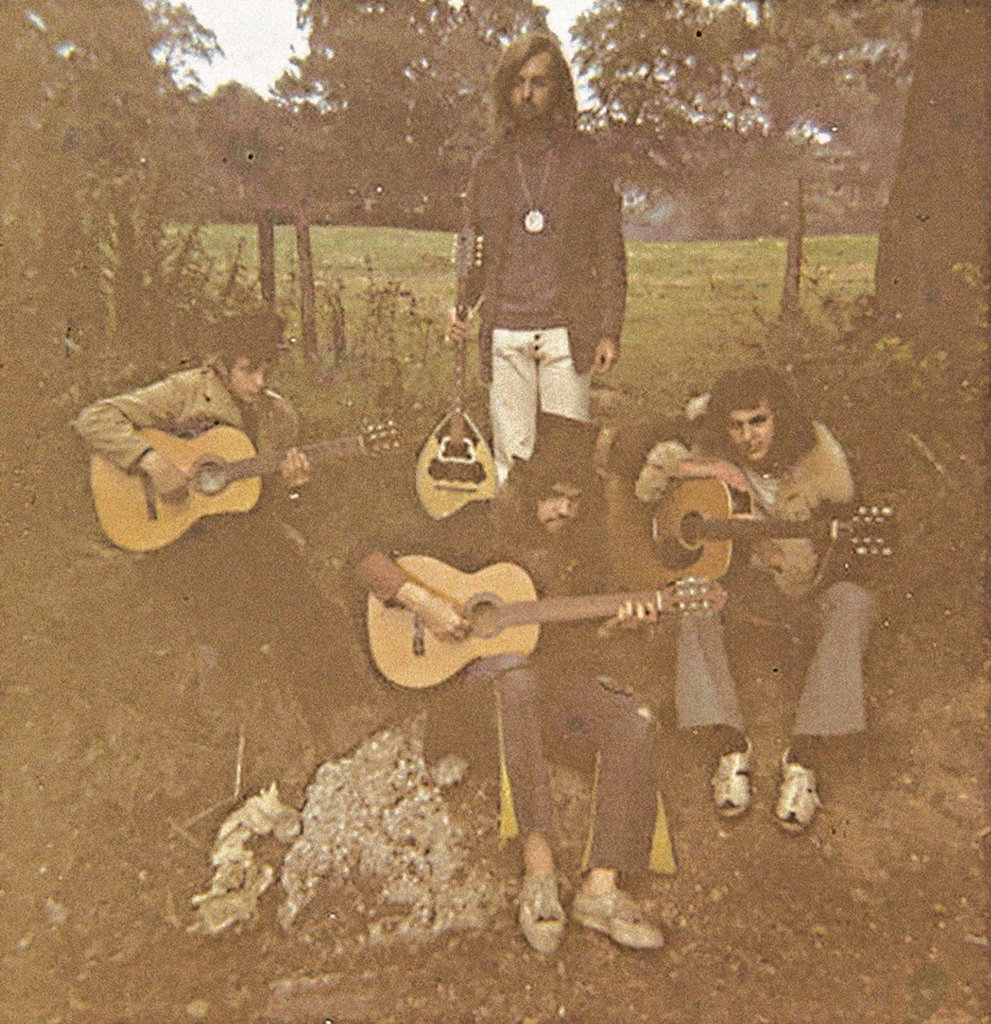
Then comes Helix. Mount’s next important turn was larger, stranger and electric. “Helix was an experiment in fusing Folk and Rock music together,” he says. “Serious songs about all kinds of things delivered in a memorable and unusual way.” He called it “Fantasy Rock”, which still sounds exactly right. Seelie Court will also release those remarkable Helix recordings, though too much detail would spoil the pleasure. For now, a little mystery becomes them.
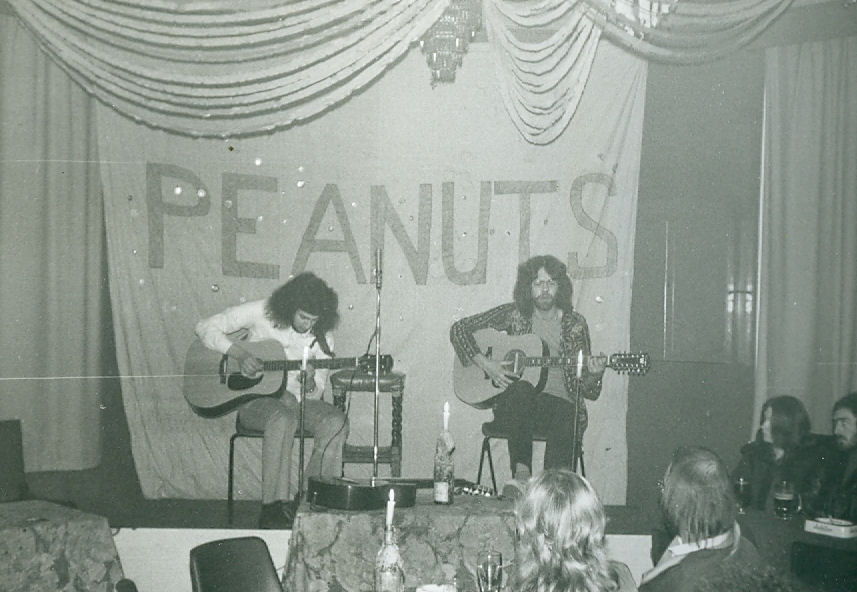
“I wanted people who listened to my live performance at Folk clubs to be able to take my music home with them.”
Julian, let’s go right back to the early days. What was it like growing up around Hampstead and Watford? Do you think those places had a hand in shaping your taste in music, or the way you started writing songs? And as a youngster, what were the records that really grabbed you?
Julian Mount: As I grew up, I found myself liking people and performers like me. There was a very healthy folk music scene at my school, and I was in one of the two bands that used to play in public at the school and in local folk clubs. There were many more folk clubs than there are now. I was from an upper-middle-class family that had a lot of almost Victorian values and opinions. I naturally rebelled against that, as you do in your teens! I liked and followed mostly folk singers like Pete Atkin, Joni Mitchell, Donovan, Neil Young, John Martyn, Joan Baez and so on. I never cared much for Bob Dylan, although everyone thought he was wonderful.
You mentioned that your first musical experience was with piano lessons, but you quickly shifted to the guitar. What was it about the guitar that captured you so deeply?
I liked the acoustic guitar because you could take it with you. And you didn’t need expensive and cumbersome amplifiers and equipment. It appealed to me that I could travel to London, for example, carrying just my guitar and entertain people with my songs sung in my way.
What was the music scene like for you in the late ’60s and early ’70s, particularly in folk clubs around London and the South East?
There were many, many more folk clubs back then than there are today. My hometown of Watford in Hertfordshire, UK, at one time had eight folk clubs! I played them all, often as the headline artist. I travelled to London and all through the home counties, playing floor spots and hustling for a paid gig. All these clubs contained people like me singing simple acoustic folk songs, modern and traditional. I made friends across the South of England simply because we liked and played the same music.
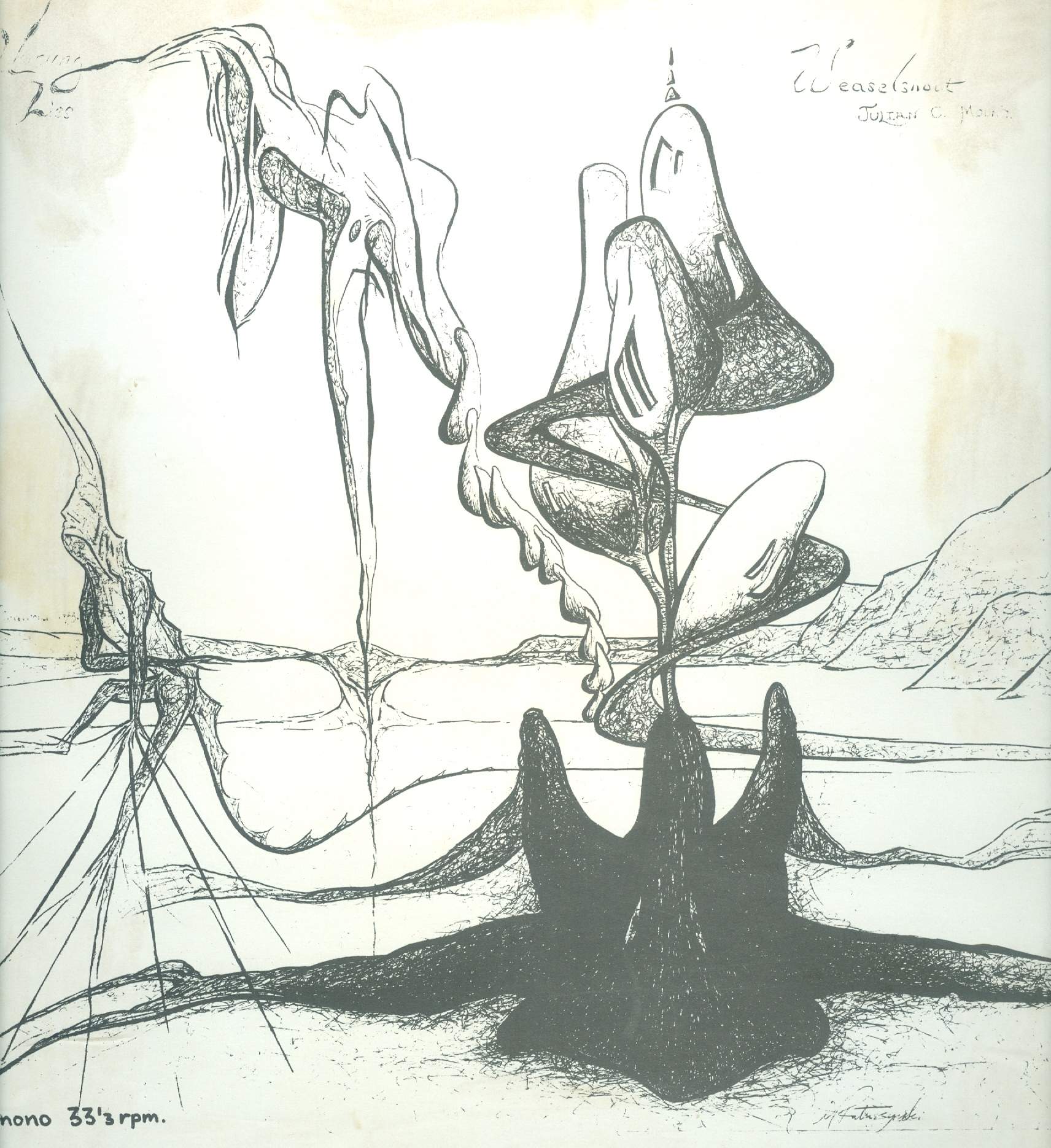
In 1973, I recorded and released my first album, ‘Unsung Lies’, and carried copies to gigs to sell. That wasn’t easy. ‘Unsung Lies’ was a 12-inch vinyl album, not a CD or cassette.
Were you always a solo artist, or did you have any bands early on?
I started out as a solo artist and occasionally played with other musicians and singers, just to get a “bigger sound” for larger venues. I liked being a soloist best, and still do. It’s so much easier when you don’t have other musicians to coordinate!
In the 1970s, I was in a band called Glass Bird. It started when I was at school and survived for a year or two. There were two songwriters in the band, and I was one of them. I continued to play solo even when in the band, as I enjoyed that too.
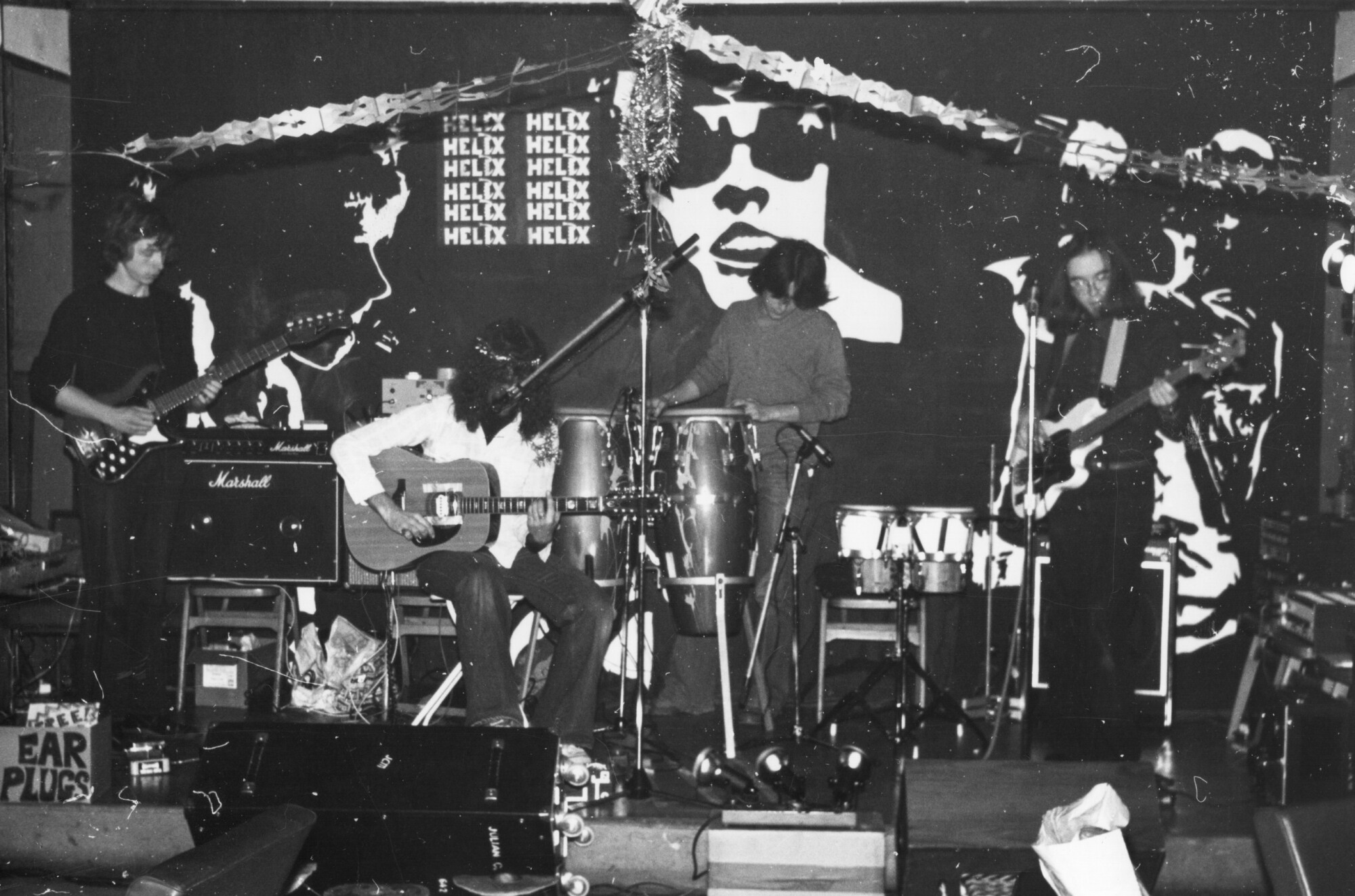
In the mid-1970s, I was part of a band called Helix. We played a lot of gigs on the “pub rock” circuit, and we were a bit weird!
Tell us about Helix and The Skip Ads.
Helix was actually two different bands with two members surviving both versions. I played an acoustic 12-string guitar through lots of analogue effects pedals and used an amplifier. We also had a bass player, lead guitar, synthesiser and a percussionist, not a drummer! Helix played mostly songs I had written, although some of the other members began to write as the band progressed. I can’t tell you who we were like. We had a really original sound, which we called “Fantasy Rock.”
When the second Helix ended, I played in a duo called Science Fiction for a short while, and then I went back to performing solo.
I remained a solo artist for many years after that, although there was a brief period in the 2000s when I sang in a duo called The Skip Ads. We thought this was a good name because we’d get a lot of free publicity on YouTube, where you could often see the words “Skip Ads.” By this time, I was playing exclusively my own songs, which had evolved into what I do today. Quirky songs about people, places and dreams.
Are there any unreleased recordings by Helix and The Skip Ads?
Our bass player in Helix used to record all the band rehearsals on open-reel tape. There are hours and hours of these recordings…
I would love to hear more about Helix.
Helix was an experiment in fusing folk and rock music together. Serious songs about all kinds of things, delivered in a memorable and unusual way. True “underground” stuff, which didn’t appeal to mainstream record companies at all. This, of course, happened in the 1970s, before the internet, streaming, downloading and YouTube. It was a struggle getting our music heard and noticed, but we did our best with the resources available to us at the time.
What led you to start working on your solo album, ‘Unsung Lies’?
I wanted people who listened to my live performance at folk clubs to be able to take my music home with them. Back in 1973, when ‘Unsung Lies’ was released, vinyl was the only option. And a record contract was the only way to release a vinyl album. Private releases were unheard of. There were just two companies in the UK that could produce records from tapes. Some bands had released singles, but an album was unheard of.
The guest musicians you worked with on ‘Unsung Lies’ included David Barnett, Mike Woolley, Steven Kerridge and Gary Richardson.
These were all school friends of mine. We had just left full-time secondary education, and they all had university plans. David played acoustic lead guitar, Mike played rhythm guitar, and Steve and Gary supplied the percussion. I largely left them to do their own thing on the album, but I told them when something didn’t sound right.
Looking back, what was your thought process behind naming the album and its reference to “Weaselsnout”? Did the name carry any deeper significance, or was it more of a spur-of-the-moment decision?
‘Unsung Lies’ is part of one of the lines in my song ‘Unsung Harmonies’, which appears on the album. “Weaselsnout” was the pen name I used in the arty school magazine as a poet. I wrote poetry before I started to write songs.
Did you do a lot of gigs back when the album was released?
Oh yes, I was gigging three or four times a week. I sold the album to audience members, friends and family.
Where did you record it? What kind of equipment did you use, and who was the producer? How many hours did you spend in the studio?
‘Unsung Lies’ was recorded in my bed/music room at home in North Watford. I used an open-reel tape recorder with one microphone. Microphone placement was crucial, as you can imagine. I produced the album myself. I can’t remember how many hours it took, but it was a long time to get it sounding right. The record was cut by a firm called Deroy, one of only two at the time that could supply short-run, private-release records. Remember, this was all very innovative in 1973.
What were the influences and inspirations for the songs recorded?
The songs all came from me. I wrote about cartoon characters, friends and mythical situations. I wanted to produce something original and quite unlike anyone else.
The interesting thing about ‘Unsung Lies’ is that, around 2013, I found out that the album was listed on a lot of specialist record sites on the internet. In addition, original copies of ‘Unsung Lies’ were selling for a lot of money on eBay. The record amount for one copy was £1,250! This eventually prompted me to remaster, with the help of Trevor Bailey and Stephen Lenman, and re-release the album on CD in 2020. Copies of the CD are still available through my Bandcamp page.
Was there a certain concept behind the album?
In a word, no. ‘Unsung Lies’ was a collection of songs I had written and played regularly at gigs.
As it was a private press, do you remember how many copies you pressed? Did you send any to record labels or radio stations? Did you get any press at the time?
There were enough copies and not too many. That’s all I’m saying. I sent one to the famous British DJ John Peel, who was kind enough to write me a lovely letter saying how much he liked it and applauded my efforts in releasing it privately. I still have his letter in my 1970s scrapbook. I also sent one to the town mayor, who wrote back full of praise too. A couple went to record companies, but they weren’t interested at all. Their loss!
More albums followed, but there is a limited amount of information about them. The 1980s saw you releasing several cassette albums, such as ‘Standing On My Head’, ‘Face In The Darkness’ and ‘Maid Du Hors D’Oeuvre’. How did your songwriting evolve during this period?
The 1980s began to see me change songwriting direction quite radically. Gone were the mythical songs of fantasy and teenage angst, and coming in were songs more like the ones I write and perform today. Quirky and humorous songs that look at life from alternative perspectives.
In the 2000s, you released three albums: ‘They Used to Call Me Superman’, ’42’ and ‘Julian Mount LIVE at The Watford Folk Club’. How did your songwriting approach shift with these releases, and what did you learn from the experience of creating them?
The 2000s saw me with much more self-worth and self-respect as a musician, singer and songwriter. I played to more audiences and suddenly realised I had quite a following. My YouTube channel, Julian Mount Music, is very popular, please subscribe, it’s free! My music can also be found on SoundCloud and Bandcamp.
You were commissioned in 2007 to write an anthem for Clowns International, resulting in the song ‘Big Red Noses’. How did this collaboration come about?
From 1990 to 2015, I ran and took part in a circus company called Circus Unlimited. At its height, Circus Unlimited comprised 20 performers who delivered quality and professional circus-based entertainment for venues and events large and small. Circus Unlimited included clowns, jugglers, unicyclists, fire-eaters, magicians and face painters. Customers could book any number of performers who would supply fun at children’s and adult birthday parties, fetes, fairs, fun days, cabaret and stage shows. We also offered circus skills workshops for children and adults. All artists were members of the UK performers’ association Equity and the clowns’ association Clowns International, and were fully DBS/CRB checked and covered by public liability insurance.
Clowns International wanted a song that summed up what clowns did and who they were. A song that could be sung by clowns across the world. So they asked me, and that’s what I did. The song is still popular in many countries and sung by hundreds of circus performers. It’s been featured in a cinema film too!
As someone who still plays live, organizes local folk clubs and remains active in the folk and singer-songwriter scenes around London, what has kept you motivated to keep performing and writing music after all these years? Do you still find the same joy in music as you did when you first began?
There is more joy in making and performing music for me now than there has ever been. The folk music crowd are, with very few exceptions, all very nice people and extremely supportive. I’ve recently moved house away from London and the South East of England to Ludlow in Shropshire. One of the reasons for moving to this new area is that there is a very healthy folk music scene here, which I am getting to know day by day.
Are there any more recordings I’m not aware of?
All of my public releases are available through my Bandcamp page. My music can also be found on YouTube, Julian Mount Music, and SoundCloud.
What currently occupies your life?
I’m still making music, writing songs and performing. That dominates my life, and in a good way too.
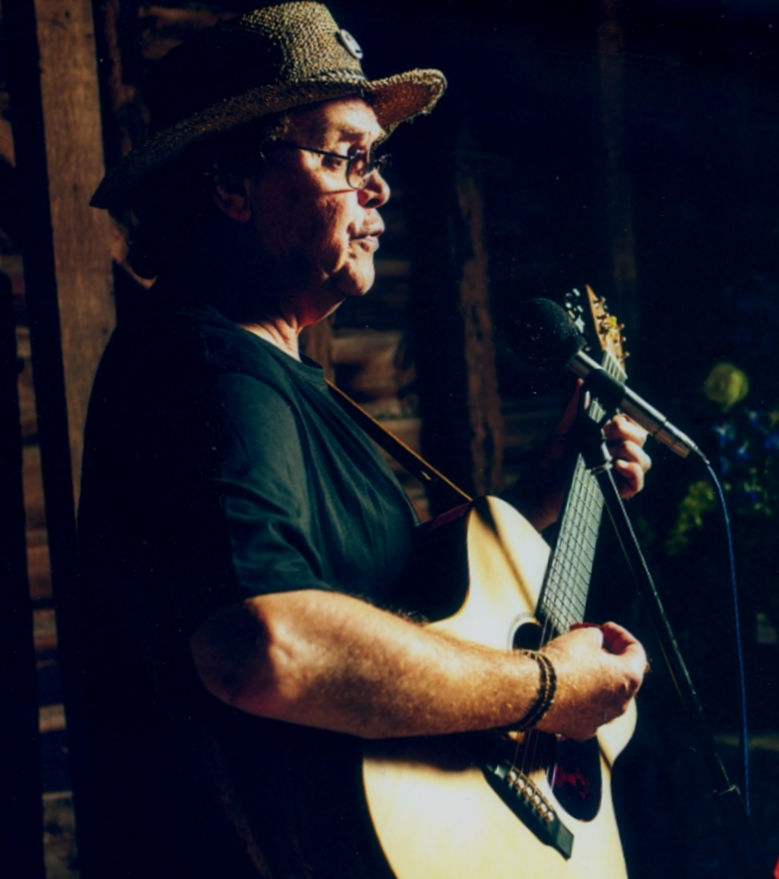
Thank you for taking your time. The last word is yours.
I’d like to thank you and It’s Psychedelic Baby Magazine for this opportunity to talk about my music. To your readers, I say look me up on the internet, and if you ever come to one of my gigs, do come up and say hello!
Klemen Breznikar
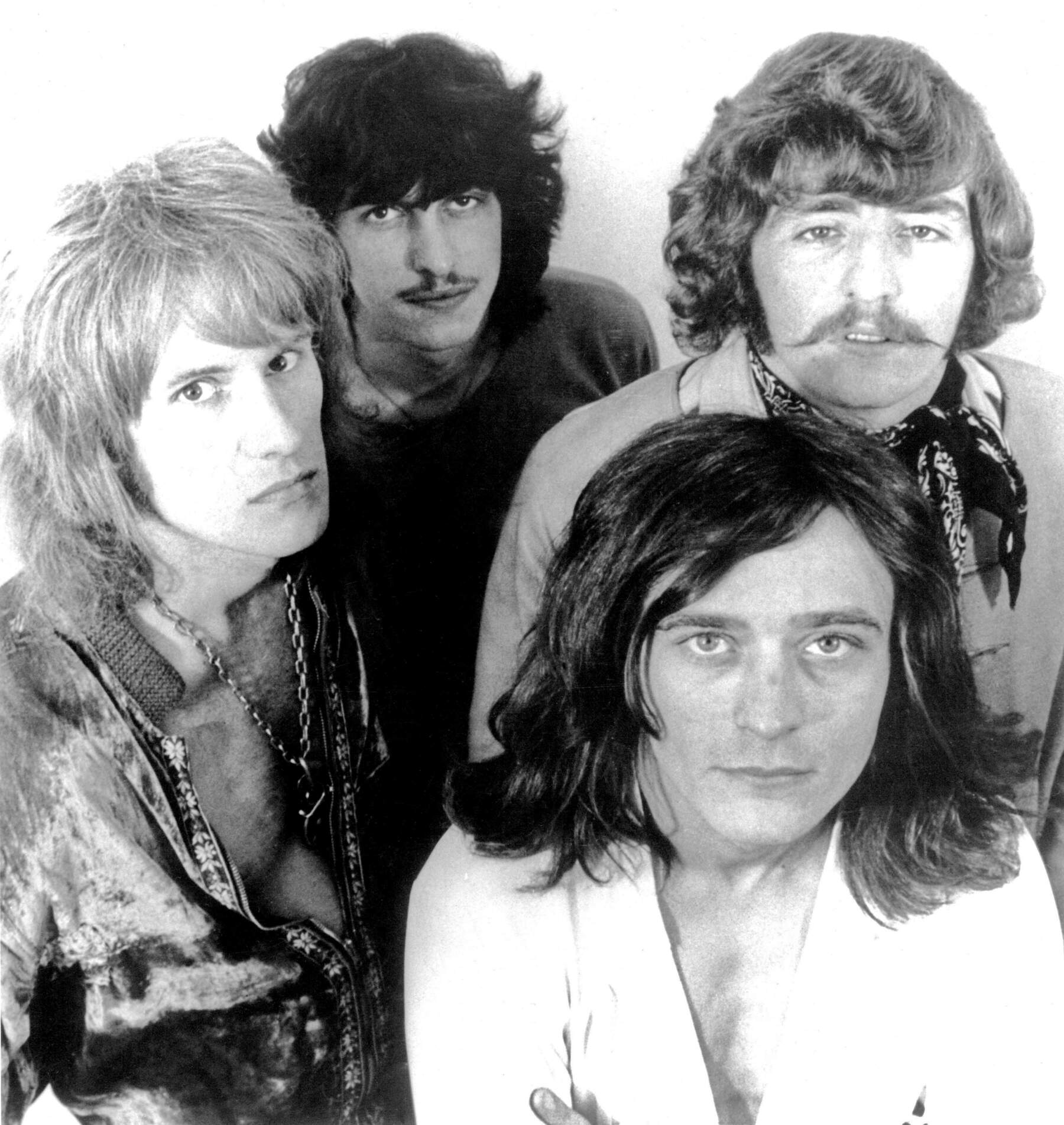
Headline photo: Glass Bird (Credit: Seelie Court / Good Time Records)
Julian Mount / Bandcamp / SoundCloud
Seelie Court Facebook / Instagram
Good Time Records Website / Facebook / Instagram