
The Lost Swedish Metal Band TRP Returns After 40 Years of Teenage Metal Mayhem
Long before Scandinavian metal became a global export, there were bands like TRP, a group of teenagers from the small southern Swedish village of Fjälkinge who played as if the world might end before graduation.
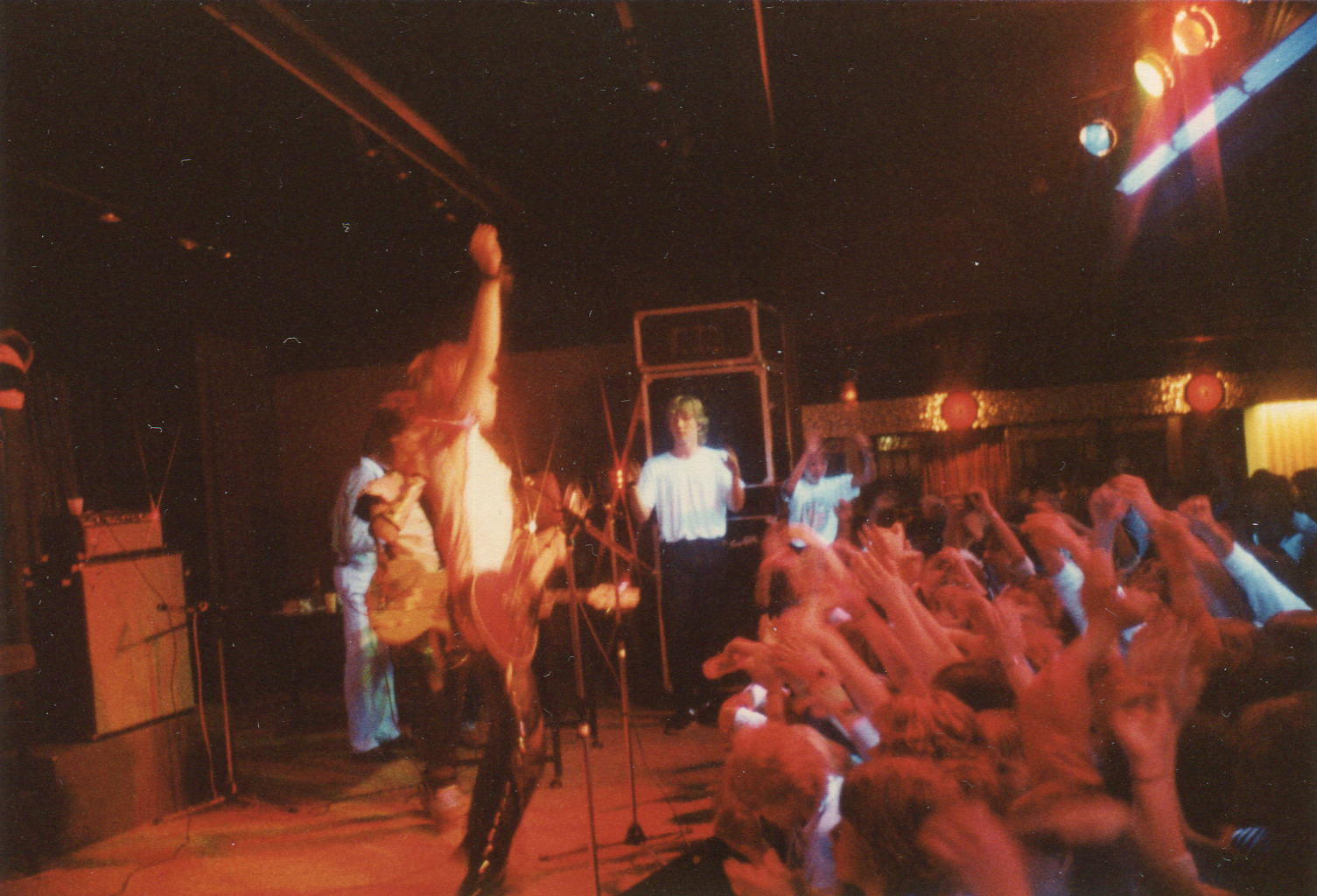
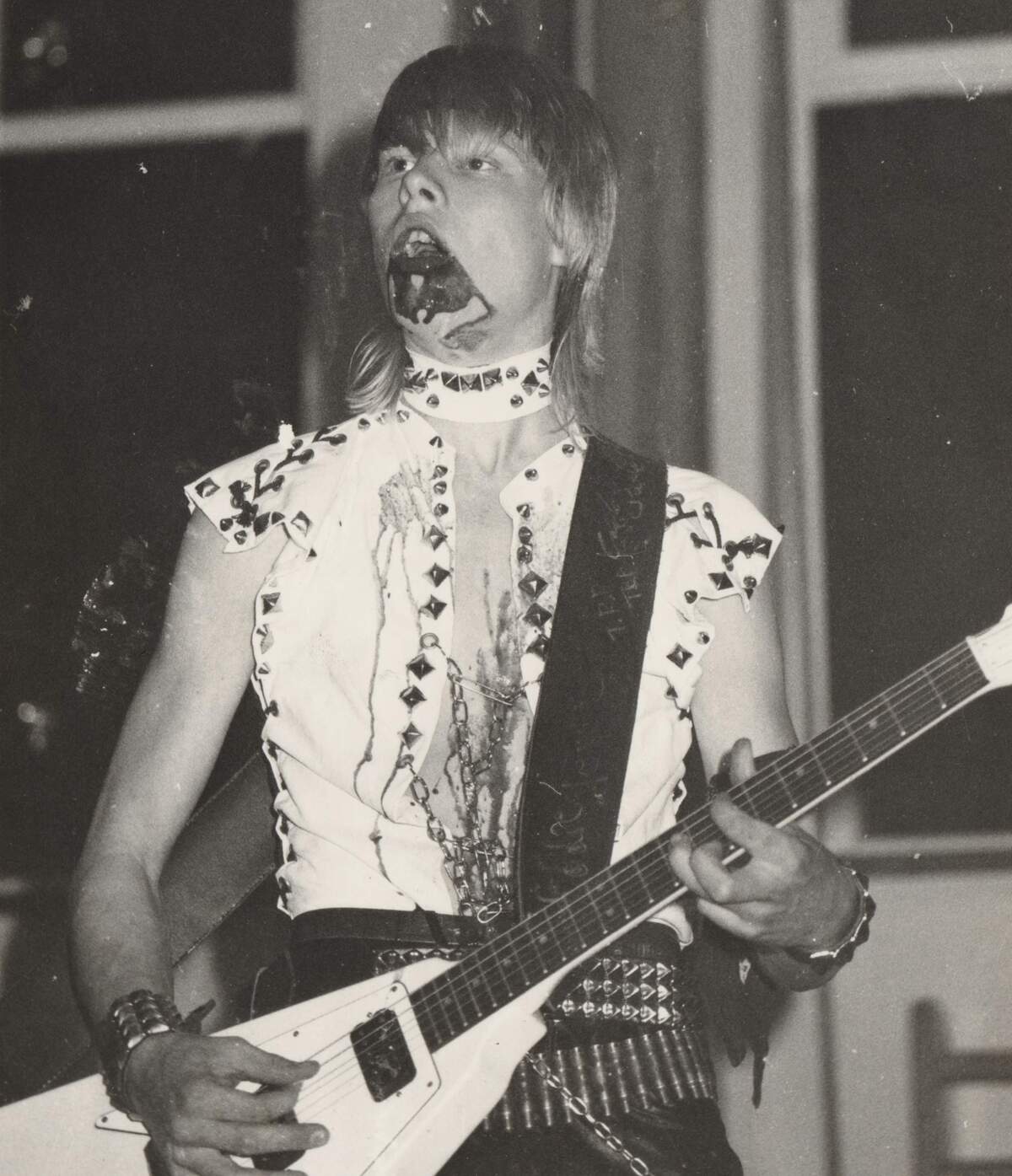
They were barely out of elementary school when they started, fueled by records from Black Sabbath, Saxon, and Kiss, and a stubborn sense that something louder was possible. “We grew up in a small village with limited activities available,” they recall. “Our shared passion was hard rock, which led us to form a band in a storage room and begin rehearsing.” What they lacked in resources they made up for in nerve. Their concerts were like small detonations. Homemade pyrotechnics, smoke bombs, and theatrical excess turned small-town stages into danger zones. One member describes modifying his bass with a smoking device: “It burned constantly for two songs, but the effect was cool. We spat blood, as usual, and Peter just kept firing off bombs like crazy.” It did not take long for local authorities to take notice. TRP were banned from venues, accused of obscenity and worse. The band, unsurprisingly, took it as a compliment. “Being banned from certain venues made little difference to us,” they say. “At least we had done something memorable.” Now, four decades later, the story has been given a second life. The Swedish label Subliminal Sounds has assembled and released the band’s long-lost recordings, presenting them as a fully realized album. “We are very satisfied with the work that Subliminal Sounds did with our material, recorded 40 years ago,” the band says. “The result became an authentic album, exactly as we had envisioned it.” The music itself remains raw, recorded in what they describe as the “traditional method, RWNR: Recording With No Regrets,” with solos and vocals captured in single takes. Looking back, they laugh… “While no serious accidents occurred, there were close calls,” they admit, recalling fires onstage and near misses with explosives. For a brief moment in the early 80s, in a village few outside Sweden could place on a map, five teenagers built their own version of heavy metal mythology. It burned fast. And now, thanks to a carefully handled resurrection, it burns again.
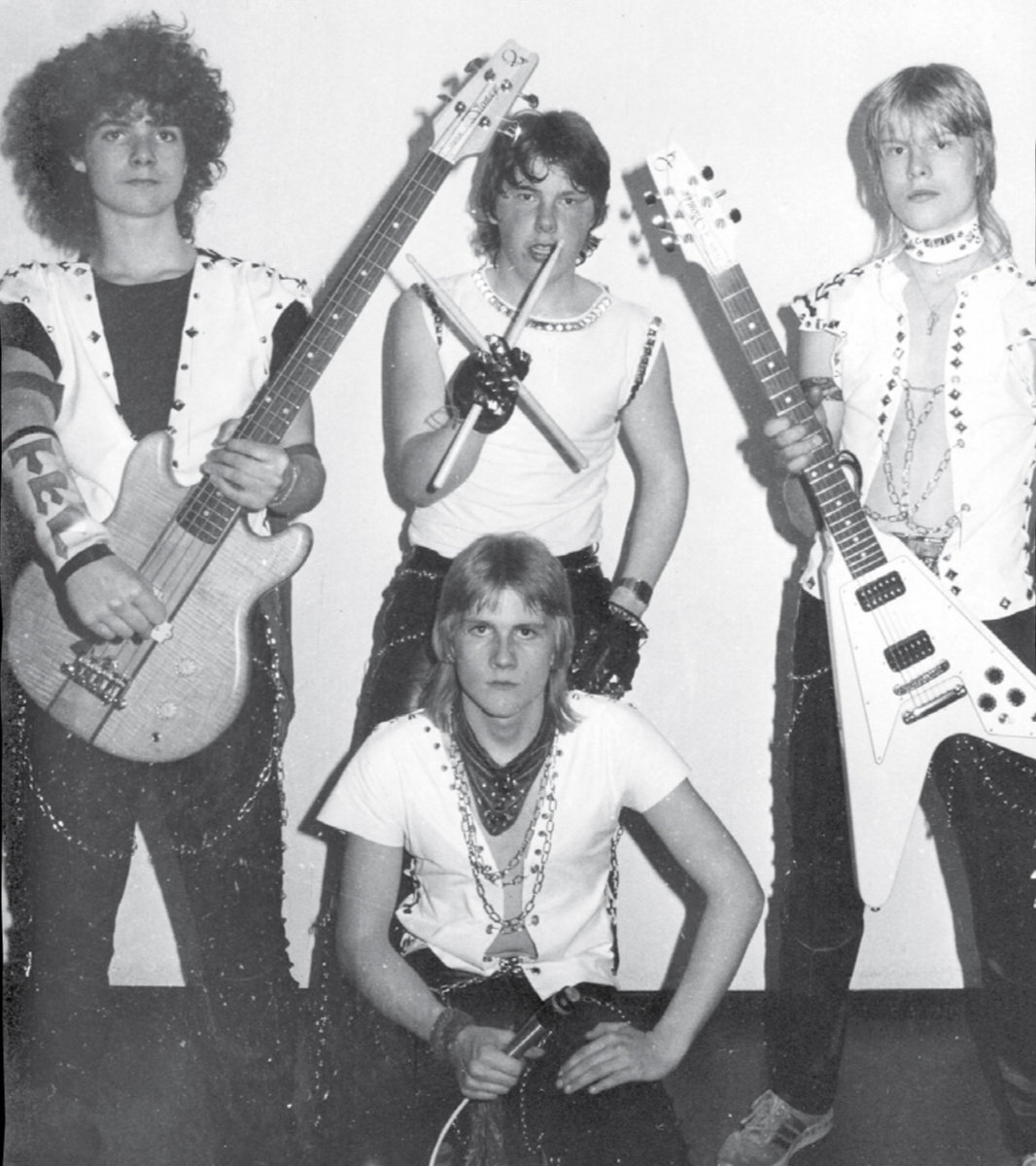
“We spat blood”
Thanks so much for taking the time to talk with us. First of all, Subliminal Sounds did a beautiful job with this release. Are you surprised that after all these years your music is now reaching a much wider audience?
We would like to express our gratitude for your interest in our album release. We are very satisfied with the work that Subliminal Sounds did with our material, recorded 40 years ago. The result became an authentic retro album, exactly as we had envisioned it. It turned out just as we would have produced it in 1985—without compromises.
Reaching a large audience today is something we never expected, and we are both proud and grateful for the opportunity.
You were teenagers playing heavy metal in small Swedish towns in the early 80s. What were some of the very first bands that really inspired you back then?
We grew up in a small village with limited activities available. Our shared passion was hard rock, which led us to form a band in a storage room and begin rehearsing. Our favorite bands included Black Sabbath, Accept, Saxon, Krokus, and Kiss.
Did you have a special place where you used to hang out as kids, listening to music, talking about bands, and just being teenagers? And what about record stores. Did you have a favorite spot to dig for new music?
We spent much of our time at the local youth center, listening to music, playing records, and watching concert videos. Eventually, we received access to a rehearsal space in the basement, where we practiced throughout our active years. We also frequented the record stores in town, always discovering new albums to buy.
How did teachers and other adults react to the band and your image at the time, especially since you were still basically in elementary school?
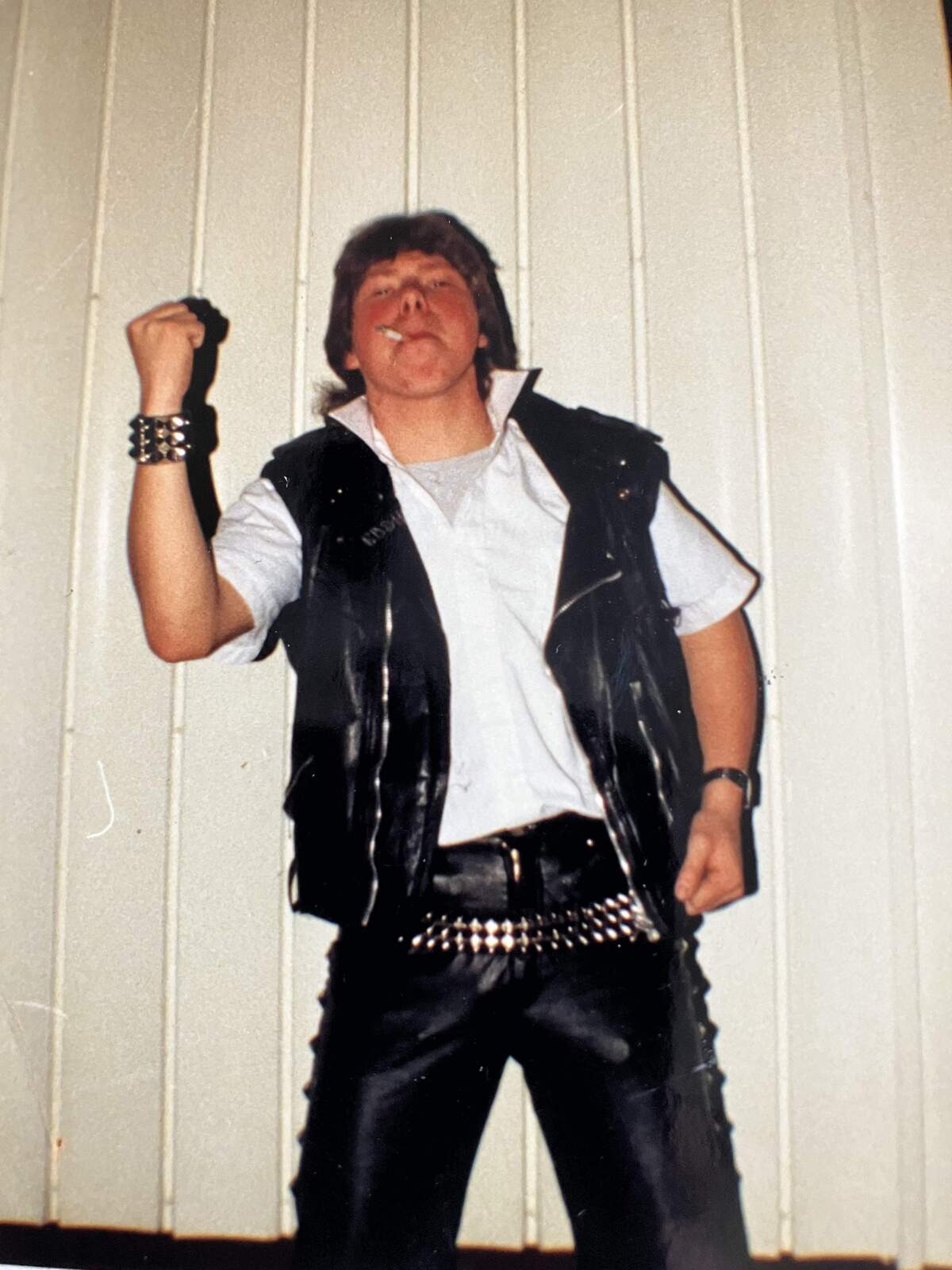
In the 1980s, adults often considered hard‑rock fans unusual. Since we played in a band, we stood out even more, wearing leather pants and vests in our daily lives. On stage we used full stage outfits, so naturally we were told we were different. Nevertheless, we focused on doing our own thing and paid little attention to outside opinions.
Did it feel like there was a real scene for this kind of music back then, or did you sometimes feel like a small group of metal kids in a world that did not quite get what you were into yet?
Hard rock had a strong presence in our town, with many young people devoted to the music. Several bands existed, and events such as rock galas and festivals were organized, featuring groups playing various styles, including rock and punk. The music scene was vibrant, largely thanks to an organization called Kid Screol, which arranged many of the events.
The booklet talks about local hard rock youth gangs. Were those groups mainly about the music, or were they also about identity, belonging, and having each other’s backs?
The shared interest in hard rock brought together several groups of like‑minded individuals of different ages. Among them were Heavy Metal Rockers, Hell Rockers, and Heavy Metal Girls. They shared a common style—denim vests adorned with patches of favorite bands—and maintained a strong sense of community.
Did those groups ever clash with other youth cultures like disco kids, football fans, or others, or was it mostly peaceful coexistence?
Conflicts between these groups were rare. People socialized in town, spent time together, and traveled to concerts. They tended to keep to themselves and did not cause trouble for others.
There is that amazing story about welding a smoke-filled guitar slide to the bass and firing bombs during solos. Where did those kinds of ideas come from?
We aimed to make our concerts more than simple performances. We wanted them to be shows, something unique in our local scene. With limited financial resources, we had to invent creative solutions. Our friend Peter was highly interested in pyrotechnics and built homemade bombs and smoke machines for us. Inspired by Ace Frehley’s smoking guitar, I created a smoking bass using a modified guitar slide. Our guitarist Fredrik sourced materials for smoke bombs from a friend who used them to pressure‑test chimneys. Our imagination enabled us to overcome every obstacle.
Were you inspired by bands like Kiss, Alice Cooper, or Venom when it came to stage show and theatrics, or was it more about trying to impress or outdo each other locally?
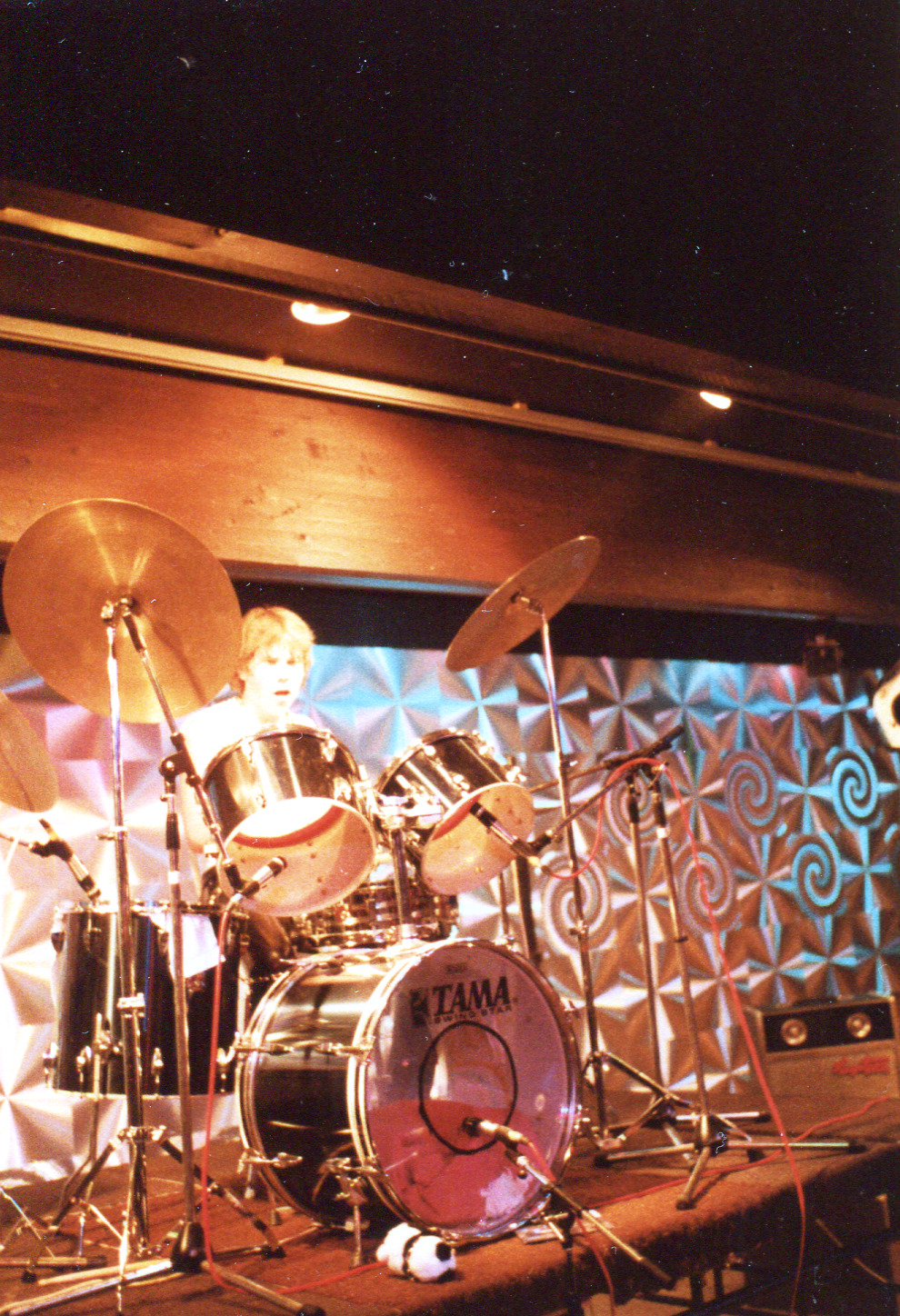
We drew inspiration from various bands for our stage performances. Some considered our ideas excessive, but as a small local band, we dared to do what others would not. The enjoyment of performing drove us far more than public opinion. Bands like Kiss influenced us, but many concepts were entirely our own. Our drummer played with flaming drumsticks in Close to the Fire, which looked impressive on stage.
Looking back and laughing a bit now, did anyone ever get hurt from all those effects? Was there ever a moment when you thought, okay, maybe this is getting a little too crazy?
Looking back, we often laugh at what we did on stage, and we have no regrets. While no serious accidents occurred, there were close calls—Fredrik once had a smoke bomb detonate beneath him during a guitar solo, a wooden stage caught fire from our pyrotechnics, and Magnus’s drum kit ignited when he used flaming drumsticks. We were even scolded for spitting blood on a PA system during a show.
How did venues usually react when you showed up with smoke pellets, fake blood, and small explosions?
Most people thought we were crazy, but they found our performances entertaining.
When shows got shut down or you got banned, did that actually end up giving you more attention and making more people want to see you?
Being banned from certain venues made little difference to us, as we were already planning to focus on creating new material for an album. We viewed it positively—at least we had done something memorable.
How did audiences usually respond? Were they shocked, excited, scared, or completely fired up?
Audiences generally enjoyed our shows, appreciating that things were happening on stage. The feedback was mostly positive.
What did rehearsals look like for you back then? Were they chaotic, focused, or somewhere in between?
We rehearsed every Saturday and Sunday. Saturdays were particularly lively, involving beer, spirits, and spontaneous partying while playing. It was chaotic at times, but we were best friends and enjoyed our time together.
When writing songs, how did things usually start? With a riff, a lyric idea, a jam, or someone bringing in something half finished?
We typically wrote songs collaboratively. Someone would present an idea, and each member contributed their part. When completed, we recorded the song on a cassette using a boombox to remember it for the next rehearsal. Anders always wrote the lyrics, with full creative freedom, and the arrangement worked well.
When you hear the studio recordings today, what surprises you the most about how you actually sounded as a band?
In retrospect, our sound appears somewhat soft, largely due to the studio we used. The recording engineer was not accustomed to hard rock. However, the studio was located in our home village of Fjälkinge, and we were offered a favorable price, which mattered since we had limited funds. The recordings followed the traditional method—RWNR: Recording With No Regrets. No retakes, all solos and vocals captured in a single take.
It sounds old‑school because that is how we sounded at the time.
Can you tell us a bit about the original 1982 single, ‘My Bike’ and ‘Lady of the Night’. What do you remember about recording and releasing that?
Our first recording was the single ‘My Bike’ and ‘Lady of the Night,’ produced in 1982. It marked the beginning of the band and carried more of a punk feel, though we were only 16 years old and proud to release a record—something few others did at the time.
We borrowed money from our parents, traveled by train to Linköping, and recorded everything in one day. We received 500 copies, which sold out within weeks. The single became popular and gave us strong publicity.
Following the release, we toured for two weeks, performing at all the schools in our municipality. We traveled with other musicians and theater groups, in an arrangement organized by a school music teacher.
At the time, did you feel that single really represented who TRP were, or did you already feel you were moving in other directions?
At the time, the single reflected who we were then, but our style changed soon afterward. When Mikael (guitar) left the band and Fredrik joined, his ideas influenced a new direction that shaped what later became the TRP sound.
The album now includes previously unreleased studio recordings. Why were those tracks never released back then?
When we recorded the tracks now featured on Warlord, our intention was to send them to various record labels. However, a few months later we decided to dissolve the band due to financial strain. We did not want the band to become something we could not stand behind.
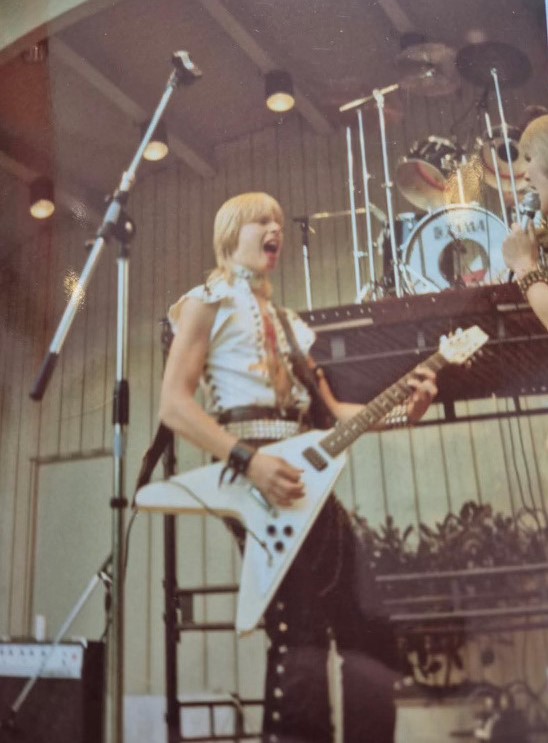
The decision was mutual. The recordings were placed in a drawer, and we performed our farewell concert at Tivoliparken on the large outdoor stage in 1985.
Were there ever disagreements about which songs should represent the band, or was it mostly a shared vision?
We had produced a significant amount of material over the years, and we always agreed on which songs to include on recordings or perform live. Unfortunately, none of us still has the rehearsal cassettes—listening to them today would have been enjoyable.
Are there any songs you now feel deserved more attention than they ever got?
As with any band, we had our personal favorites and often wondered why others did not share our view. Our approach was simply to play what we enjoyed and hope others would appreciate it as well.
When it came to lyrics, did the words matter as much as the overall energy and attitude, or was the main goal to hit hard and feel powerful?
The lyrics were based on Anders’s ideas and reflections. Some were intended to shock or provoke, while others carried messages that may not have reached the wider audience. Still, we expected that. Certain lyrics required a specific musical style to match the attitude.
Seeing the photos and reading the stories in the booklet now, did it all match how you remembered those years, or did it give you a new perspective on that time?
When we later gathered photos, it was enjoyable to see them—many memories resurfaced, while others had been forgotten.
We had an excellent photographer, Kalle Lindberg, who accompanied us to shows. Sadly, some negatives from that period have not yet been found, but we hope they surface one day so we can share them.
Were there moments you had completely forgotten about until you saw them again in photos or heard old stories?
Friends, organizers, and audience members also shared their memories from that time, which contributed to preserving the band’s history. It is gratifying to know that we made an impression.
Why did TRP come to an end in 1985. Was it mostly about growing up, changing interests, or real-world responsibilities starting to take over?
We reached a point where greater financial and time investment would have been necessary. We agreed on our decision and experienced no conflicts. We have never had disputes within the band. Occasionally we have wondered what might have happened had we fully pursued our earlier ambitions.
How does it feel knowing that your teenage band is now being rediscovered by underground metal fans and collectors around the world?
It is an incredible feeling to finally see our album released as it would have been in 1985. Sharing our music, after all these years stored away, is fantastic. Few receive such an opportunity, and we are grateful. Meeting again and making future plans was something we never expected.
I love this, TRP, is an acronym for Tyrannosaurus Rex Prisoners. There must be a story behind it.
When we first started, our band was called The Cops. At the time we were influenced by other music, including The Police, and used a mix of Swedish and English lyrics. The name was unsuitable, so we changed our style and the band name.
TRP originally stood for The Rocking People. After Fredrik joined and we adopted a heavier musical direction, we felt the name no longer fit. However, since TRP had become familiar, we kept the abbreviation but changed its meaning to Tyrannosaurus Rex Prisoners. The name came from a band party—an idea conceived while drinking.
Do you think that kind of youth-driven, tight knit metal culture could even exist in the same way today?
The hard‑rock culture of the 1980s cannot easily be compared to today. We had no computers or mobile phones; the culture grew from a sense of community. Fans wore denim vests with patches, studded belts, and gathered for bus trips to concerts across the country.
Today people attend festivals for fun; we traveled to concerts because opportunities were rare. There was a large yet limited supply of events.
When people listen to ‘Warlord’ now, what do you hope they take away from it? The danger, the fun, the friendship, the madness, or all of it together?
We hope listeners can hear the energy in our music and sense how we expressed the hard rock we loved. Through the photos and the album, perhaps one can imagine what it was like on small stages in 1985, when we performed live as TRP.
Looking back, what do you feel TRP really stood for?
We believe we stood for something meaningful—five young men enjoying themselves and entertaining others. Coming from a small village with big dreams, we may not have achieved major success, but we left our mark on the music scene.
What occupied your life after TRP?
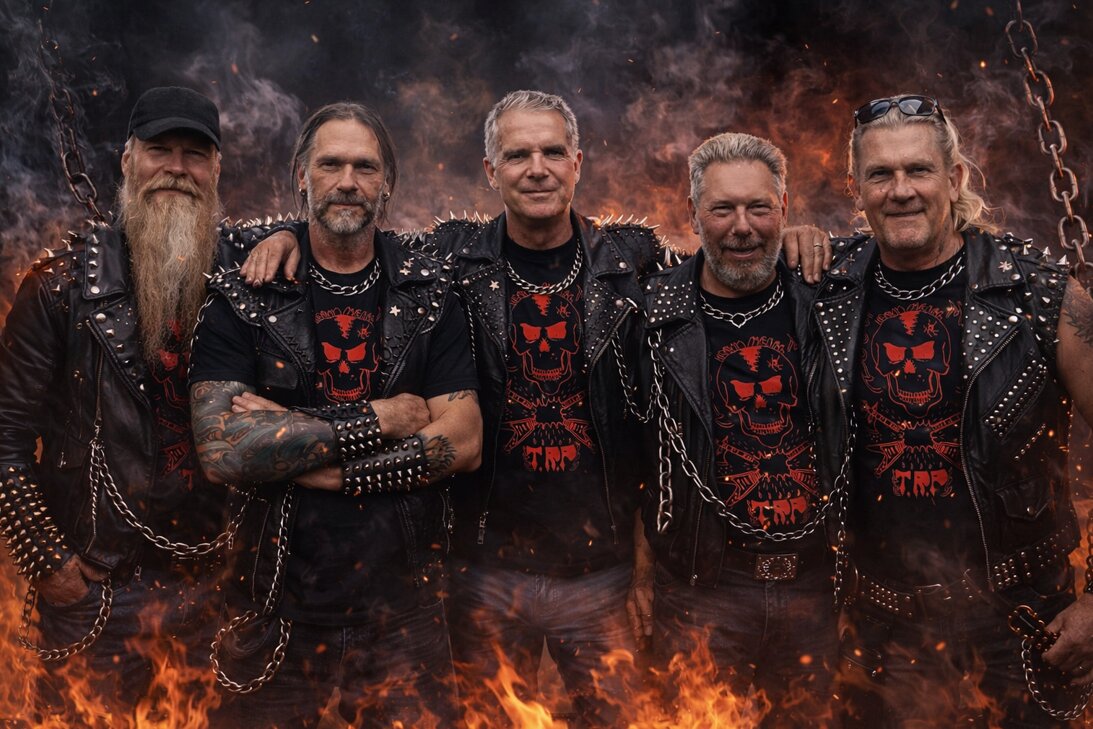
After TRP, our paths separated for many years. There was no conflict; life simply moved on. We served in the military, worked, raised families, and occasionally met at concerts.
The idea from Subliminal Sounds, through Stefan, to release the album brought us together again.
And finally, what does life look like for you today? What is keeping you busy these days?
Today we have many thoughts about TRP’s renewed activity. It may simply remain a fun experience, or it could lead to more. During our recent meetings over a few beers, new ideas emerged. We have a Facebook page for updates and several potential plans.
Nothing is impossible for this group. Perhaps we will write new material or perform a concert in full TRP style. We promise nothing, but if it happens, it will be in the spirit of 1985.
Our sincere thanks to It’s Psychedelic Baby Magazine, and to everyone who listens on Spotify and has purchased the album. Metal Never Dies.
Klemen Breznikar
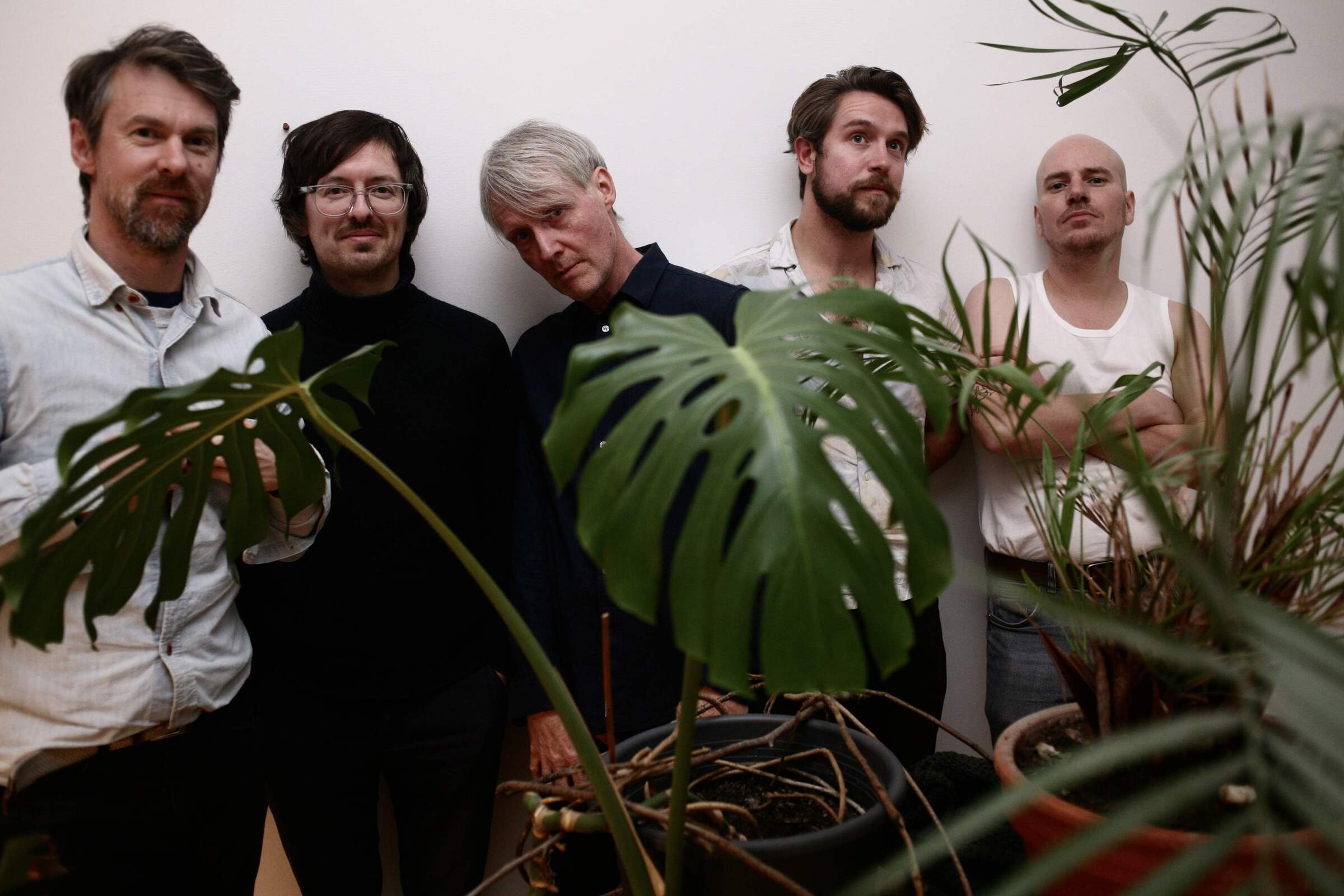
Headline photo: TRP
Subliminal Sounds Website / Facebook / Instagram / X / Bandcamp